
House begins scrutiny of P7.2-T 2027 national budget

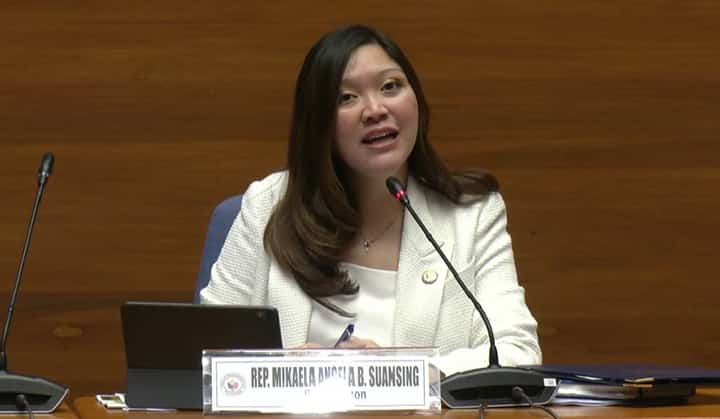
The House Committee on Appropriations on Monday formally began deliberations on the proposed P7.2 trillion national budget for 2027, with committee chairperson Mikaela Suansing vowing to build on reforms aimed at strengthening transparency, accountability and public participation in the budget process.
“We will continue and improve on the good beginnings we made last year in formulating the budget for 2027,” Suansing said.
She stressed that Congress would work to ensure that the proposed spending plan translates into tangible benefits for Filipino families.
“Congress will ensure that the P7.2 trillion budget of the country would not just remain on paper, but will be felt in the daily lives of Filipino families,” Suansing said in her opening statement.
The proposed budget, contained in the National Expenditure Program submitted to Congress, is six percent higherthan the P6.793 trillion national budget for 2026.
Suansing said additional safeguards would be pursued to ensure that government spending remains aligned with the administration’s goal of placing Filipinos at the center of its funding priorities.
“This year, I look forward to further strengthening our collective efforts in safeguarding the Filipino people’s faith in the budget process and in securing our country’s economic future for generations to come,” she said.
During deliberations on the 2026 budget, proceedings from congressional discussions through the bicameral conference committee were broadcast to the public.
At the House, the period of amendments was also opened to all lawmakers, with proposed changes reflected in the House-approved General Appropriations Bill.
Suansing said the reforms were intended to remove barriers preventing the public from seeing how taxpayers’ money was allocated.
“Last year, for FY 2026, we delivered a budget centered on the Filipino people. Not only in our expenditure priorities, in what was funded, but also in how it was crafted through a process that was open, transparent, and accountable to the Filipino people,” she said.
As deliberations proceed, Suansing said the committee would coordinate with executive agencies to craft a budget responsive to public needs.
She also urged lawmakers to actively participate in reshaping the budget process and strengthening public confidence in how government funds are allocated.
“In this budget and in the years to come, we are bringing the Filipino people back in the center of the budget process where you rightfully belong,” Suansing said.