
Presumptions
Presumptions often carry a stronger implication of probability or likelihood. For example, when someone is presumed innocent until proven guilty, this belief is based on a legal standard rather than mere conjecture.

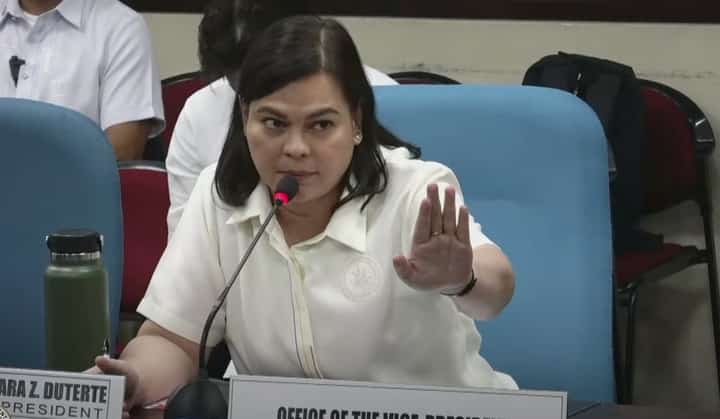
Some words remain unspoken, especially when they stem from presumptions –- beliefs or assumptions grounded in reasonable evidence or accepted standards. Whether they are effective in bringing out the truth depends on our willingness to challenge them.
Presumptions often carry a stronger implication of probability or likelihood. For example, when someone is presumed innocent until proven guilty, this belief is based on a legal standard rather than mere conjecture.
As the Senate impeachment trial progresses and attention turns to Vice President Sara Duterte’s use of her confidential funds (CF), an interesting exchange on presumptions of irregularity between Senator-Judge Imee Marcos and prosecution witness Roderick Wamil caught my attention.
Marcos questioned the witness about the lack of Commission on Audit (CoA) findings regarding the alleged fake names of fund beneficiaries, and whether the funds were stolen or pocketed by the Vice President. Obviously, Marcos was driving home the point that without definitive CoA findings on the alleged misuse of the funds, there was no evidence of their personal use or misappropriation.
The prosecution presented Wamil to testify on Duterte’s alleged misuse of the P612.5 million in confidential funds released to the OVP and the Department of Education.
Wamil replied that while there were no actual CoA findings on what Marcos asked, there were presumptions that the funds were misappropriated; hence, there was no need for it to be expressly stated in the findings. The state auditor pointed out that there was prima facie evidence that the funds were used for personal use and benefit based on the joint circular.
The exchange gives us a picture of the critical examination of oversight and accountability in the use of the CF. Invoking the lack of explicit findings can highlight the importance of transparency and the need for clearer evidence. The lack of such findings can raise concerns about the effectiveness of the audit process.
The dialogue likewise points to the political implications of the impeachment trial as it brings into question the credibility of the charges against Duterte. The CF is public funds, of course, and despite its name every spending has to be accounted for. There should be no quarrel on that.
Delving into political finance practices reveals deeper ethical issues and potential corruption.
When examining CF spending, we should consider the context of public officials operating under pressures and responsibilities, which often influence expenditures. The government should instead evaluate the systems that drive such financial decisions, including which government agency should be entitled to a CF.
Let’s not forget what this trial is truly about and not lose sight of the accountability that an impeachment seeks to uphold, nor the broader themes of governance and integrity it touches upon. It is a mix of judicial and political processes, reflecting the complex interplay between legal standards and the will of the people.
While it’s important to maintain scrutiny over those in power, the media should promote a balanced, more reasoned, and comprehensive dialogue in public discourse when it comes to the impeachment trial. This will help the audience feel respected and motivated to engage thoughtfully in governance debates.