




No such thing as ‘junk’ food — nutritionists
‘Sugar is not bad, you know, it’s actually a nutrient.’


Text size
‘Sugar is not bad, you know, it’s actually a nutrient.’
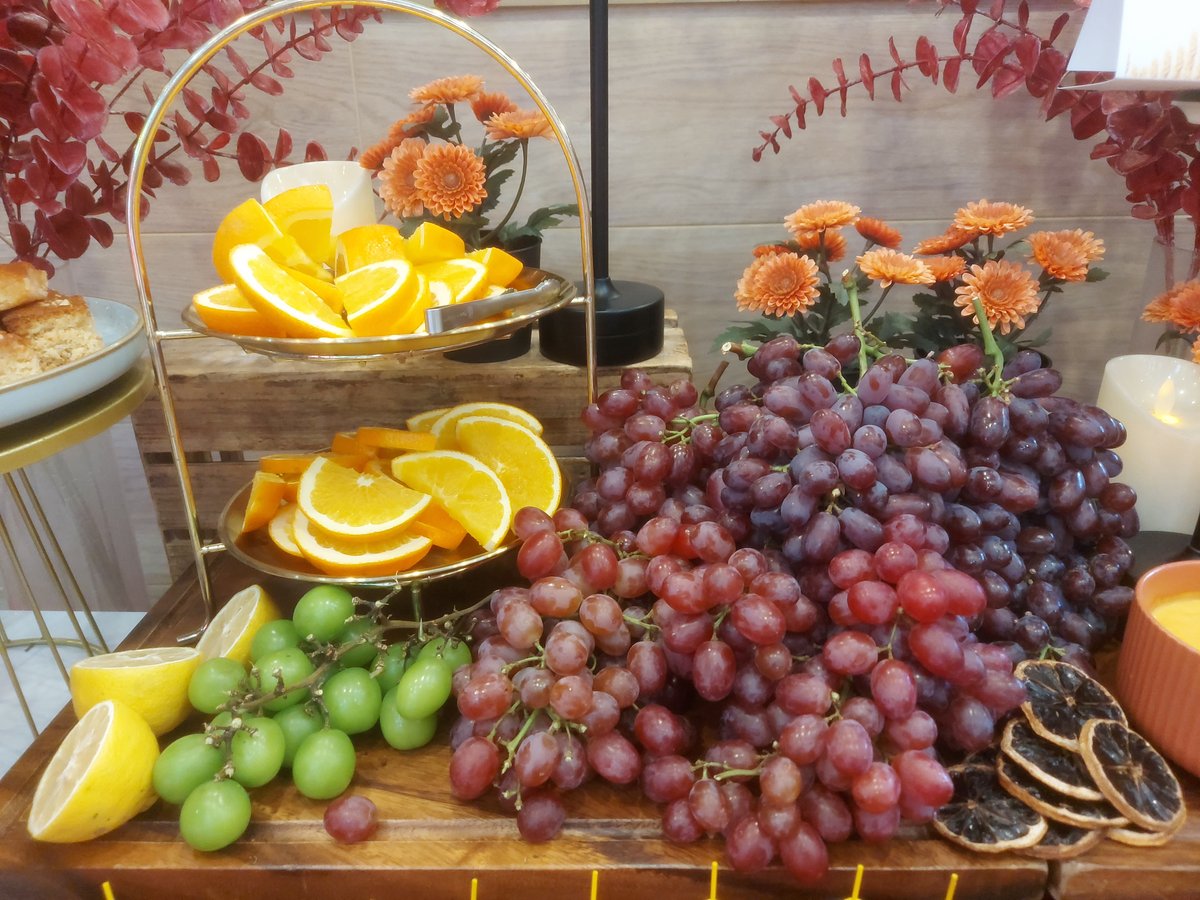
Food with intrinsic sugars like fructose in fruits are not necessarily bad, said nutritionists.
Pediatrician Dr. Katrina Florcruz-Dacanay used to call it “tsitserya.” Today, we simply call it “junk food.” But there is no such thing — Dacanay, her fellow doctors and some nutritionists said in a panel discussion in Makati City early this week.
“You know, if we call something ‘junk food,’ we might run out of things to eat. Because the truth is, nutrition has evolved,” Dacanay said at the panel that was part of the launch of Nestlé Cerelac Philippines’ “Tambalang Big Sustansya sa Barangay.” It is one of the company’s nutrition education initiatives that kicks off this August in different barangays, from Metro Manila to Cagayan de Oro and Mindanao, to make nutrition education more accessible to more families and to guide and empower parents to make important feeding decisions.
“Maybe in the ‘80s, we used to call junk food ‘tsitserya’… We defined it as something we can buy from the sari-sari store, full of salt, MSG (monosodium glutamate), fried, oily, but basically something that can give you calories but no nutrients,” Dacanay clarified.
“As a nutritionist, I’ll explain what is junk food,” Aleli Magtibay added in the panel. “You know, we don’t even call any food ‘junk food.’ We’re not even taught to call the food ‘junk.’ Actually, we’re evaluating the food based on nutrient density. How much nutrients does the food have.
“Second, we check how much is the nutritional contribution of the food you eat. It should be proportional to a person’s energy requirement. So if you say that the food you eat has a lot of nutrients, we call it ‘nutrient-dense.’ If there is less, then it’s less nutrient-dense or less nutritious,” the nutritionist expounded.
“But we’ve been used to using the term very loosely. Just because something is manufactured, has salt and is packaged doesn’t make it automatically mean that it’s junk,” she clarified.
Thus, in inspecting their children’s food, she advised looking at what’s inside the food, how nutritious the food and its ingredients are; how complete it is in its variety of nutrients; and if it adds to a person’s nutritional needs.
“If it’s nutrient dense and supports the growth of the baby, why are you calling it ‘junk food?’” Dr. Dacanay pointed out.
Scientifically-designed, researched and formulated food “isn’t junk food,” scientist and 8th Food and Nutrition Research Institute director Dr. Imelda Agdeppa seconded.
How bad is sugar?
“Let me first tell you as a nutritionist, sugar is not bad, you know, it’s actually a nutrient,” Magtibay stressed. “It gives energy, but it should be taken in moderately.”
According to her, the “sugars” indicated in package labels usually refer to “total” sugars, the “combined amount” of “intrinsic sugar” like fructose found in fruits or lactose found in milk; and “added sugar” for “flavor” and consistency.
“We have certain ingredients that have naturally-occurring sugars in them,” she said, assuring parents that not all packaged food, including cereals, are not “junk” and are made of all-natural ingredients with essential nutrients and minerals that even complement their children’s growth and development.
