
Are studio units actually livable?
A small unit can be comfortable when every square meter is carefully planned around the routines of the person living inside it.


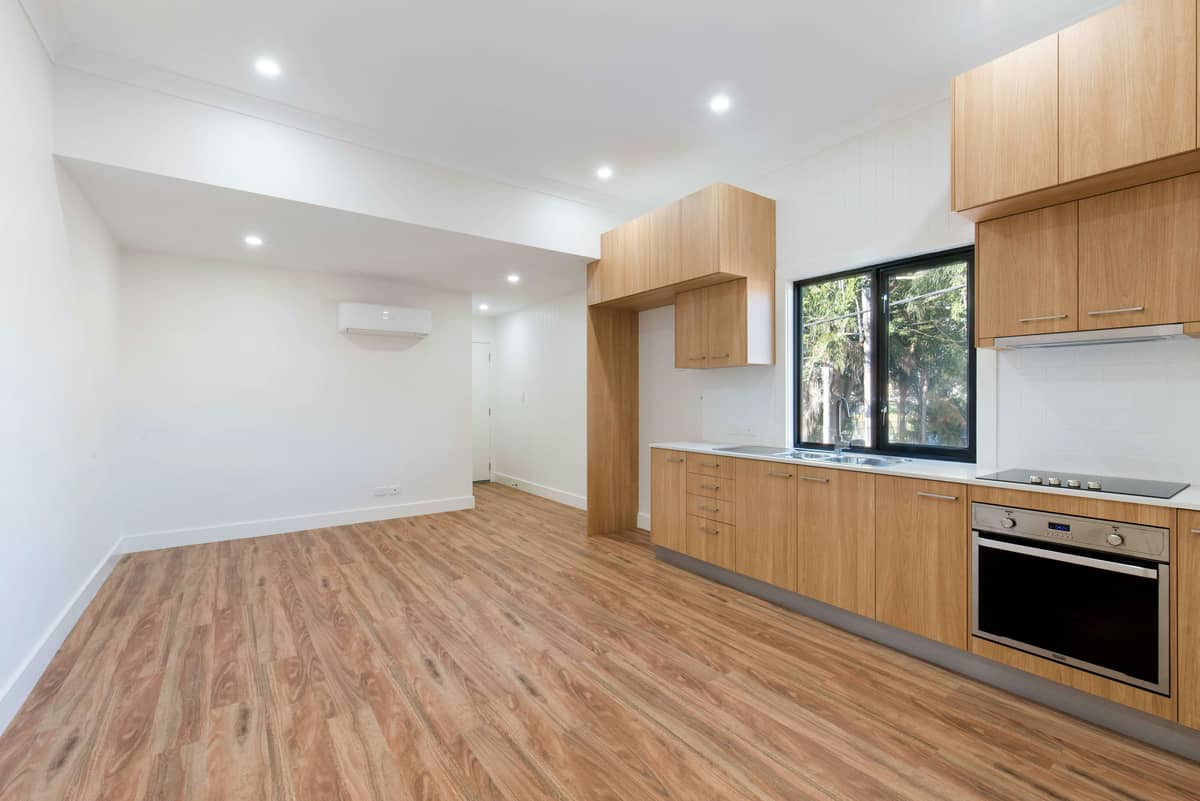
Modern studio apartment features a smart, open-concept design that cleverly divides the living, dining and sleeping areas.
Photographs courtesy of Unsplash
A studio condominium is often presented as the most affordable first step into urban homeownership. It promises independence, convenience and an address close to work — all neatly contained within a few square meters. Anyone who has ever lived in one, however, begins to question whether these units are actually livable.
The sales showroom and promotional photographs cleverly make the arrangement look effortless. There is a perfectly made bed, a narrow dining table, two tasteful chairs and almost no thing else. Apparently, the model resident owns no luggage, does no laundry and has never been tempted to buy an air fryer.
In principle, there is nothing wrong with compact living. A small unit can be comfortable when every square meter is carefully planned around the routines of the person living inside it. The problem begins when “compact” becomes merely a polite word for insufficient.
Under the revised implementing rules of PD 957, a condominium unit may have a minimum floor area of only 18 square meters. This can be further reduced to 12 sqm if the unit is in a highly urbanized area and is intended for students, workers and employees. The same rules describe a living unit as one that provides facilities for sleeping, cooking, eating, bathing, using the toilet and doing laundry.
Fitting those activities into one room is technically possible. Making them comfortable is another question.
Lack of private space also indirectly creates expenses outside the unit.
A studio has no separate bedroom, which means that the bed shares its surroundings with the kitchen, dining area and workspace. Cooking smells settle into the same fabrics used for sleeping. A video meeting may take place beside drying clothes, while visitors are received within full view of the resident’s entire domestic life.
Storage becomes the quiet enemy. Clothes, shoes, cleaning materials, groceries, appliances and luggage may seem like they don’t take up too much space separately, but they do add up. Eventually, every available surface begins performing two or three jobs, and the unit starts to resemble a carefully managed game of Tetris.
The lack of private space also indirectly creates expenses outside the unit. Residents may rely more heavily on laundromats and food delivery because cooking and cleaning are more difficult without elbowroom. They may work in cafés or co-working spaces because a bed placed beside a desk does not create the healthiest distinction between rest and work. Exercise often requires leaving the unit altogether, whether through a building gym funded by association dues or a separate membership elsewhere.
Larger homes accommodate these ordinary functions internally; very small units often outsource them, one monthly payment at a time. This is the contradiction behind the supposedly affordable studio. It costs less than a larger unit, but it can require residents to pay repeatedly for the space and facilities that the home itself does not provide.
At its best, a studio unit becomes livable only when its proportions, storage, ventilation and shared facilities are designed around the realities of daily life. Most importantly, its price should reflect the compromises that such a compact space inevitably requires.
A minimum size of 12 or 18 square meters may satisfy a regulation. Whether it becomes a place where someone can truly build a life depends on good design. Ultimately, a studio unit should provide not only shelter but also comfort and dignity.