
MIT: Power pricing needs a reboot
Electricity pricing systems designed decades ago are no longer keeping pace with today’s increasingly digital power grids, according to a new research commentary from the Massachusetts Institute of Technology’s (MIT) Center for Energy and Environmental Policy Research (CEEPR).
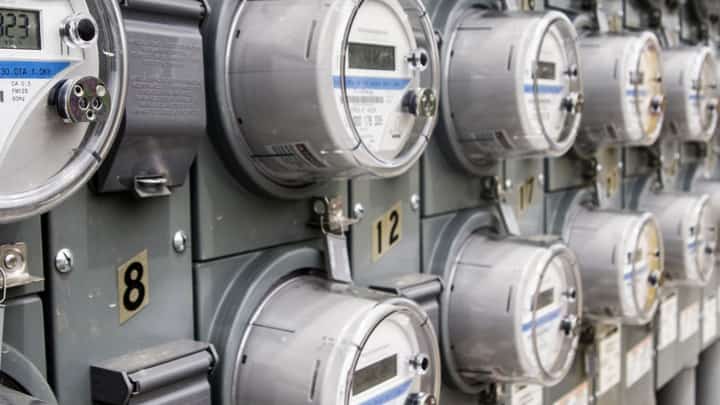
The paper argues that while utilities have adopted smart meters capable of measuring electricity use in real time, many consumers are still billed using flat electricity rates that fail to reflect actual system costs.
According to the study, traditional electricity tariffs were built for an era of one-way power flows, limited customer-generated electricity, and analog meters. Today’s power systems, however, include rooftop solar, battery storage, electric vehicles, heat pumps, and rapidly growing electricity demand from data centers.
MIT professor Christopher R. Knittel said these changes have exposed weaknesses in current pricing models, which often recover grid costs through uniform per-kilowatt-hour charges regardless of when electricity is consumed.
The paper contends that a single electricity price now performs multiple functions at once: recovering energy costs, paying for transmission and distribution infrastructure, funding policy programs and encouraging consumer behavior. According to the study, that approach has become increasingly inefficient and can unintentionally shift costs among consumers.
Instead, the commentary proposes a pricing framework built around three components: time-varying electricity prices that reflect actual supply conditions, peak-demand charges for customers who drive network capacity needs and transparent fixed charges for costs unrelated to electricity consumption.
The report also argues that current flat electricity rates can discourage electrification by making electricity appear more expensive than its actual cost during off-peak periods. This could slow the adoption of electric vehicles, heat pumps, and other technologies that support decarbonization.
The study further notes that widespread rooftop solar adoption has complicated traditional tariff structures because some customers can significantly reduce their billed electricity consumption while continuing to rely on the grid for backup service, shifting more fixed infrastructure costs to customers without solar systems.
Knittel said electricity pricing should better reflect how customers use the grid and the costs they impose on the system, while addressing affordability through targeted assistance rather than embedding subsidies into electricity rates.
The 50-page commentary, “Smart Meters, Dumb Prices: Why Electricity Tariffs Are Becoming (More) Inefficient, Regressive, and Outdated,” was published by MIT CEEPR in June 2026.