 Daily Tribune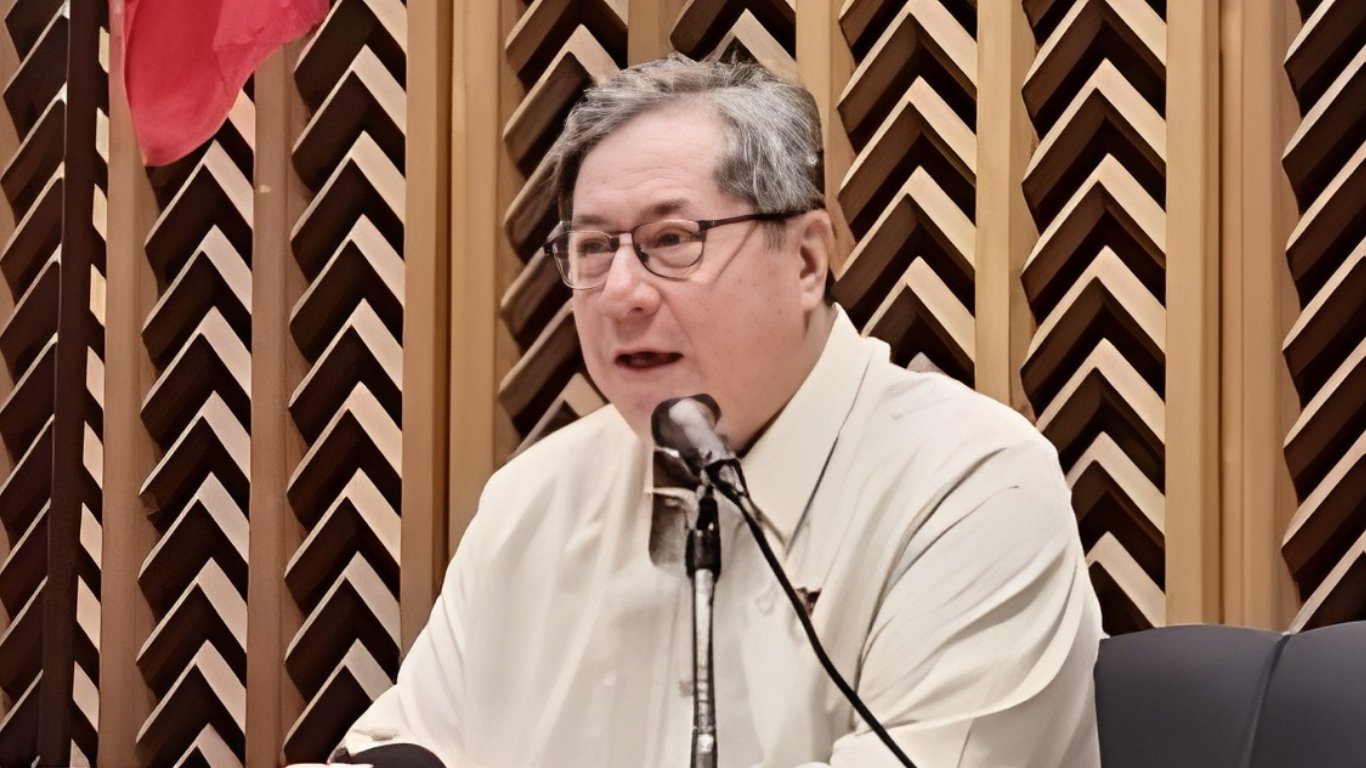
HEALTH Secretary Ted Herbosa
The Department of Health’s (DOH) 5K Kaligtasang Pangkalusugan sa Kalamidad sa Kamay ng Komunidad Strategy is a localized, community-anchored framework designed to teach households basic medical response, sanitation, and safety.
Instead of operating as a centralized mobile caravan, its reach is expanded across provinces through the institutional capacity-building of local government units (LGUs) during National Disaster Resilience Month every July.
This July, the program and its parallel Health Emergency Management Bureau (HEMB) disaster frameworks will focus their training, localized drills, and capacity mapping across the following target areas: Baguio City/Cordillera Administrative Region (CAR), leading localized urban flooding safety initiatives, waste segregation compliance, and public hazard-mapping awareness; Cagayan Valley (Region II), rolling out barangay-level mass hands-only cardiopulmonary resuscitation (CPR) campaigns and community first responder drills; Zamboanga Peninsula (Region IX), conducting environmental mitigation measures such as localized bamboo-planting drives and organizing community emergency operations; Northern Mindanao (Region X), deploying hands-on emergency response and ambulance operation simulations alongside municipal disaster management units; and Davao Region (Region XI), activating regional kickoff campaigns prioritizing family preparedness and local risk-reduction networking.
The program was initially launched in Marikina City, which was chosen as a model local government unit (LGU) for disaster risk reduction and management.
The 5K launch aims to contribute to the institutionalization of disaster risk reduction and management for health in communities by advocating disaster preparedness at the household level.
The activity represents a high-impact advocacy initiative as part of a broader spectrum of capacity-development interventions that the DOH can offer to LGUs.
The DOH leadership, having prioritized emergencies and disasters as key health issues, has included health resilience in the Philippine Health Agenda.
Through the Health Emergency Management Bureau (HEMB), the agency is implementing several strategies to make the 5K program a reality.
While health governance through the DOH is critical in advancing the health resilience agenda, harnessing the strengths and potential of LGUs to build their own capacities for resilience should also be part of the equation.
The DOH said that if families can be empowered and equipped to be healthy, prepared, and resilient during emergencies and disasters, then health risks arising from such events—including deaths, diseases, injuries, disabilities, and damage to and losses in the health system—can be effectively prevented and minimized.
“The DOH would like to reiterate that this is a paradigm shift from making disaster preparedness a responsibility of the government to strengthening the community’s ability to respond to calamities.
The agency will provide support for the implementation of 5K through strategies such as advocacy and capability development, among others.”


