
This is why we can’t have nice things
The difference between strong healthcare systems and weak ones is rarely the character of their citizens. It is the strength of the institutions surrounding them.


TRUST remains the foundation of an effective healthcare system, where responsible use of medical benefits and public assistance helps ensure resources reach those who need them most.
Photo courtesy of Pexels/RDNE
Every society has its loopholes. Every society has people who find them. Filipinos simply have a name for it.
We call it “diskarte.”
The word itself is neither good nor bad. It can mean resourcefulness, creativity, resilience, or survival. In a country where daily life often feels more difficult than it should, finding a way around obstacles is sometimes necessary. We admire people who make things work despite limited resources. We celebrate ingenuity. But there is a line between adapting to a system and quietly taking advantage of it. In healthcare, that line matters more than most people realize because healthcare systems run on something even more fragile than money. They run on trust.
Most patients never see that part. They see the visible side of healthcare: the medicines, the discounts, the subsidies, the dialysis coverage, the assistance programs, the guarantee letters, the insurance benefits. What they do not see are the assumptions that hold everything together. That benefits intended for need will not quietly become opportunities for advantage. That limited resources will be used responsibly. That generosity will not be mistaken for weakness.
Once enough people stop honoring those assumptions, the system begins to change. And systems do change. Quietly at first. A few questionable availments lead to additional paperwork. A few suspicious transactions lead to stricter approvals. Then come the signatures, the clearances, the repeated verification steps, the audits, and the delays. Patients become frustrated. Frontliners become cautious. Administrators become wary. The same people who once complained that healthcare was inaccessible now complain that it has become complicated and impersonal. But systems rarely become bureaucratic overnight. Most bureaucracy is scar tissue.
Doctors witness this transformation in real time, but they are not the only witnesses and patients are not the only participants. A patient asks for a prescription because “sayang naman ang coverage.” Someone requests admission despite not truly needing inpatient care because there is a financial advantage. Relatives pressure physicians to maximize every possible benefit whether medically necessary or not.
Hospitals are not exempt. Some learn to optimize reimbursements a little too aggressively. Some expand tests, admissions, or procedures because incentives reward volume more than judgment. Politicians build assistance programs that sometimes reward visibility more than sustainability. Slowly, healthcare stops behaving like healthcare and starts behaving like a negotiation. Once medicine becomes transactional, trust begins disappearing from both directions.
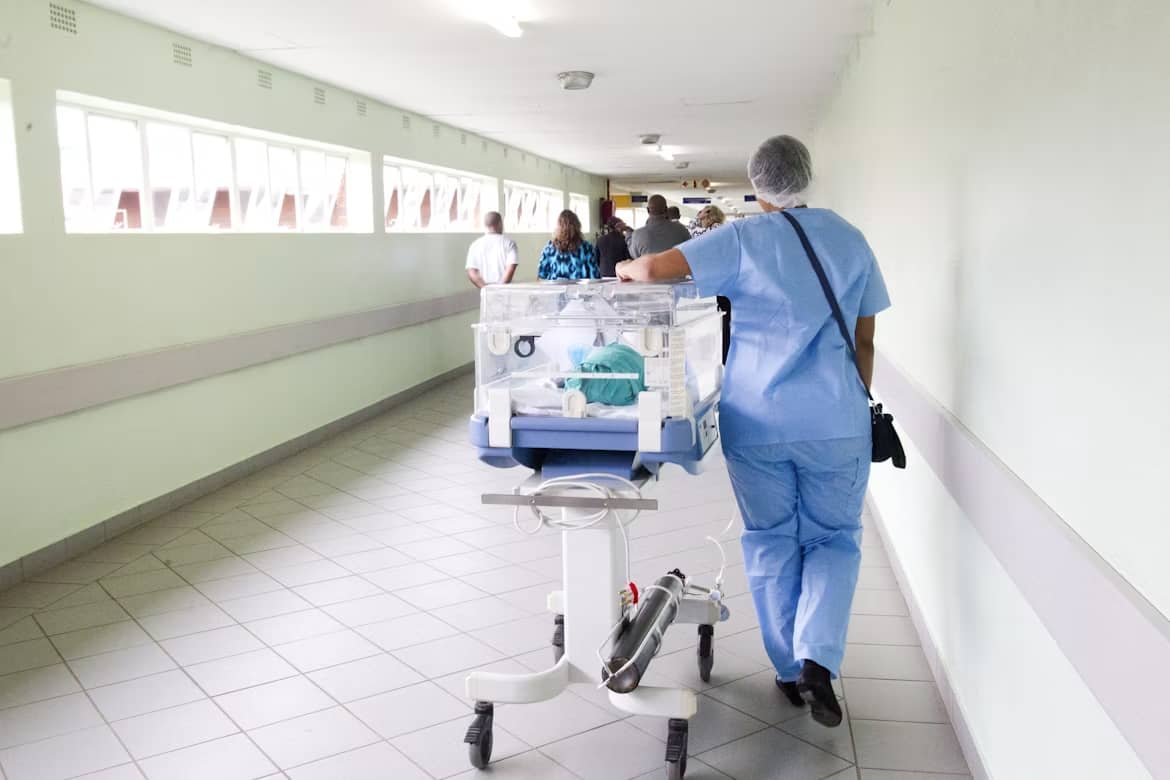
PUBLIC hospitals continue to serve thousands of Filipinos daily, underscoring the need for healthcare systems built on trust, fairness and the prudent use of limited resources.
Photo courtesy of the World Economic Forum
The irony is that the people most harmed by abuse are often the patients who genuinely need help. The poor dialysis patient who follows the rules eventually faces stricter requirements because someone else manipulated the system. The elderly patient seeking assistance waits longer because verification became heavier after repeated misuse. The truly indigent patient is delayed because resources were stretched by people who were simply better at navigating the rules.
Every abused privilege eventually becomes a reduced privilege. Every exploited system eventually protects itself. What makes this uncomfortable is that almost nobody feels entirely wrong. Patients are trying to avoid financial ruin. Families are trying to stretch limited resources. Politicians want visible ways to help constituents. Hospitals are trying to survive financially. Doctors are trying to care for patients while navigating regulations and finite resources. Many small abuses are excused because they seem harmless in isolation. One extra prescription. One unnecessary admission. One favor. One exception. One benefit maximized beyond its original intent. But systems rarely fail because of one dramatic act. They erode under the cumulative weight of thousands of small justifications.
And that is why this is not uniquely Filipino. Human nature looks remarkably similar almost everywhere. People respond to incentives. They seek advantages. They look for shortcuts. The difference between strong healthcare systems and weak ones is rarely the character of their citizens. It is the strength of the institutions surrounding them. Good systems recognize human nature and account for it. Weak systems assume everyone will do the right thing forever. No system survives that assumption for very long.
We keep asking why healthcare systems become cold, suspicious, and bureaucratic. Why doctors seem more defensive. Why hospitals require endless approvals. Why assistance programs become harder to access. But systems do not become defensive on their own. People teach them to be. We look at forms, signatures, approvals, clearances, and delays and assume they were created by bureaucrats who wanted to make life difficult.
Yet bureaucracy is often what remains after trust has been exhausted. The safeguards we complain about are frequently the scar tissue left behind by rules ignored, privileges abused, and exceptions demanded. Perhaps that is the real meaning behind the joke we repeat so casually. This is why we can’t have nice things. Not because nobody wanted to build them, but because trust, once depleted, is always replaced by something else. And by the time we notice what the system has become, we have usually forgotten what it was trying to protect.