
Turning curiosity into a career
Focusing on academics and career-building pushed me to tackle the hard work of STEM, unlike the simulated, repetitive challenges of a curated game world.

WOMEN in STEM continue to break barriers in science, technology, engineering and mathematics, shaping innovation across industries.
PHOTOGRAPH COURTESY OF UNSPLASH/akram-huseyn
Some say love can be found in the strangest places, and lifelong connections can begin in the most unexpected ways. The same can be said of discovering one’s passion. Mine began with interactive media and eventually led me to the fields of Mining, Metallurgy and Materials Engineering — a journey that transformed a childhood fascination into a genuine appreciation for the earth and the iron forged in fire.
Long before I ever considered engineering, I became captivated by a whimsical online game in which players battled over a fictional precious element. It was simple, imaginative, and endlessly entertaining. Because my parents carefully monitored my screen time and prioritized my studies, I was rarely allowed to play. Instead, I watched others compete in virtual battles over imaginary resources. Like a first crush, the fascination was youthful, idealized and blissfully detached from reality.
As I entered senior high school, that digital obsession gradually faded. Academic responsibilities and career preparation replaced hours spent watching fictional conflicts unfold on a screen. The shift became even more pronounced when I enrolled in the BS Materials Engineering program at the University of the Philippines Diliman. Immersing myself in STEM demanded discipline, perseverance, and a willingness to engage with challenges far more complex than those found in a simulated game.
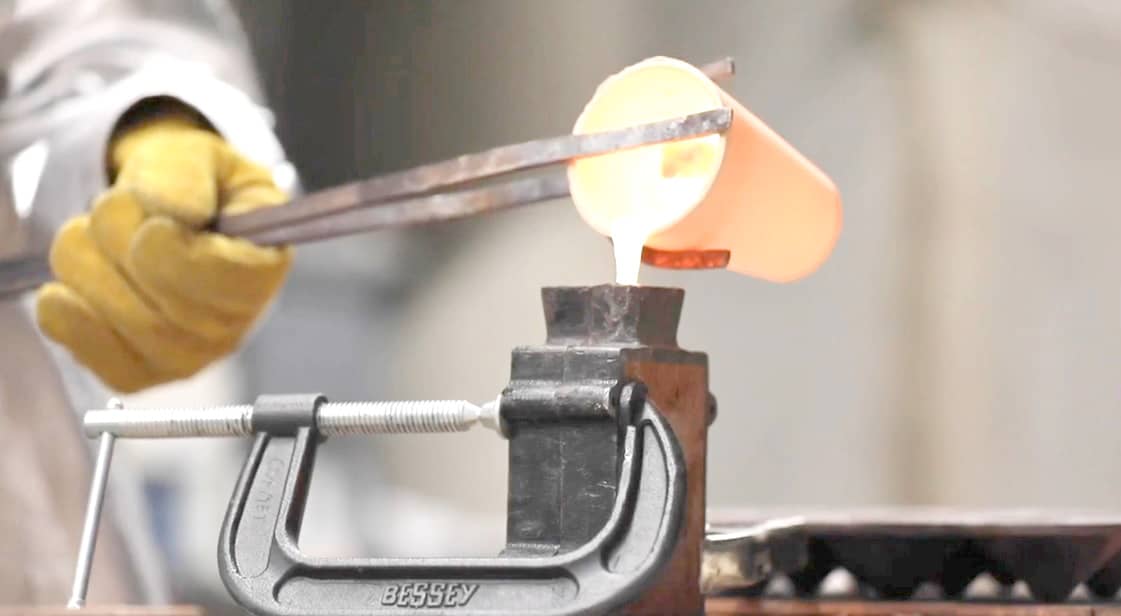
YOUR greatest passion may begin the most unexpected place.
PHOTOGRAPH courtesy of montana technological university
Learning about real materials, metals and mining through coursework, documentaries and technical literature became a turning point. The fantasy gave way to reality. I realized that behind every bridge, building, machine and innovation were people who had devoted years to mastering materials and transforming them into something meaningful. The excitement of a virtual world was replaced by admiration for the ingenuity, precision and determination required to shape the real one.
Unlike the effortless loops of a video game, engineering is built on vision, skill and resilience. Steel, iron and concrete do not become the foundations of society by chance. They are forged through painstaking processes that demand expertise, sacrifice and unwavering commitment. On a screen, characters endlessly fought over pixelated dirt; in reality, generations of engineers and metallurgists have harnessed fire, forge, and science to drive human progress.
Growing up meant realizing that life was never meant to be confined within lines of code or endless virtual routines. As I explored the interconnected fields of Mining, Metallurgy and Materials Engineering, I found a purpose far more enduring than the fleeting thrill of digital competition. My fascination with fictional minerals evolved into a lasting commitment to understanding and improving the materials that shape our world.
That transition required perseverance. I moved beyond passive media consumption and embraced the deeper lessons it could inspire: curiosity, critical thinking and a greater awareness of society’s need for innovation. In doing so, I shifted from being a spectator to becoming an active participant — someone committed to rigorous study, meaningful research and the pursuit of solutions that can improve lives.
Like any mature relationship, my journey in the Triple M field has brought both challenges and rewards. It demanded trading effortless entertainment for thermodynamics, crystallography, material characterization, and countless hours of study. Yet every sacrifice strengthened my resolve and deepened my appreciation for the discipline I had chosen.
Unlike the repetitive matches of the game that first captured my imagination, studying Mining, Metallurgy and Materials Engineering offers lasting purpose. By learning about the very materials that build our society, I have grown from a passive observer of fictional conflicts into someone driven to contribute to real-world progress. What began as a childhood fascination with imaginary minerals ultimately led me to something far more meaningful: a lifelong passion rooted in the earth itself and an enduring appreciation for iron forged in fire.