
Tradition meets change at Luisita
As work begins this September and stretches over the next year-plus, the course will temporarily step away from the spotlight. But when it returns, it is expected to reenter Philippine golf with a refreshed playing surface, a preserved architectural soul, and renewed expectations from players who know exactly how demanding — and memorable — Luisita can be.


STANDING between golfers and par, the 17th hole at Luisita Golf and Country Club is the course’s iconic signature par 3. Beautiful to look at yet daunting to play, it demands precision, confidence and nerves of steel with every tee shot.
Photographs by Joey Sanchez Mendoza for DAILY TRIBUNE
Luisita Golf and Country Club is set for a major transformation beginning this September, with a renovation program expected to last a little over a year — marking one of the most significant upgrades in recent memory for a venue deeply rooted in Philippine golf history.
Built in 1968 and designed by legendary course architect Robert Trent Jones Sr., Luisita has long stood as one of the country’s classic championship layouts. Its design philosophy — defined by strategic angles, disciplined shot-making, and well-protected greens — has tested generations of amateurs and professionals while preserving the integrity of its original routing for more than five decades.
That identity is now entering a carefully managed transition.
According to club general manager Bones Floro, the upcoming renovation will focus on resurfacing the entire course using Zoysia grass. Importantly, the project will not alter the original Jones Sr. layout, ensuring that the strategic architecture remains intact even as playing surfaces are modernized.
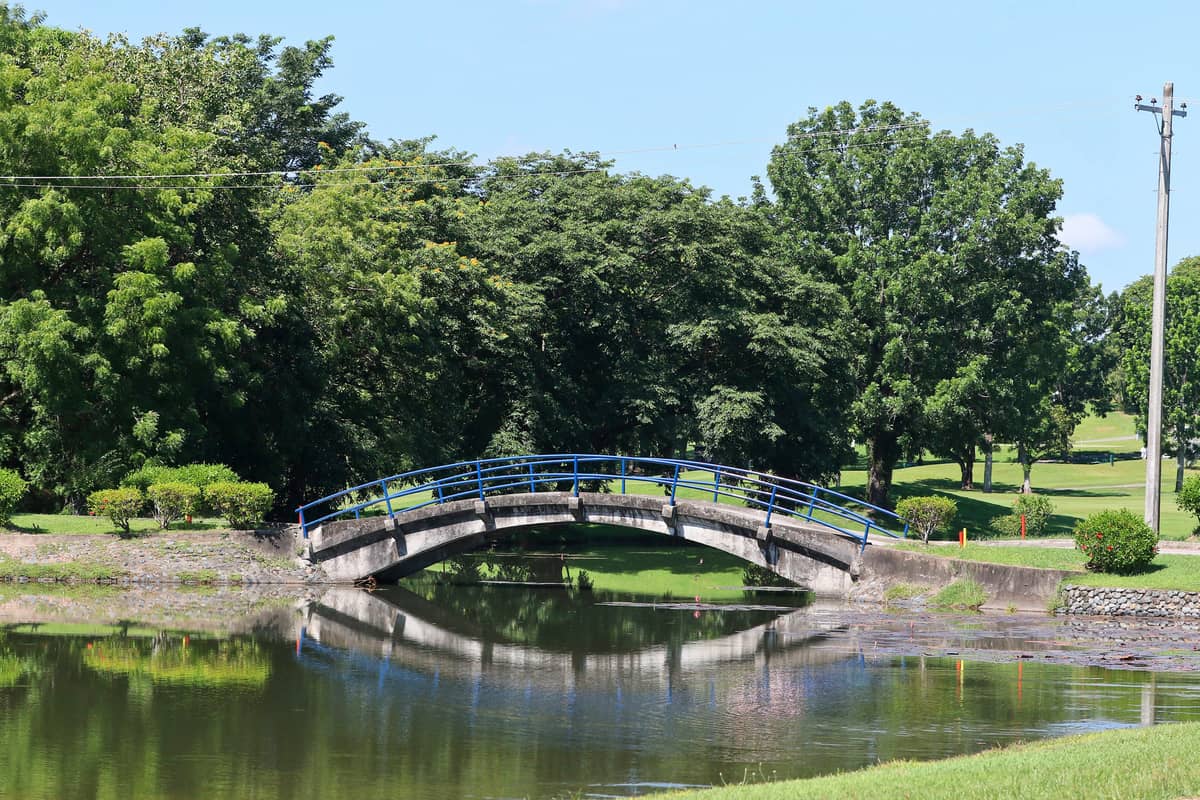
CROSSING the iconic bridge on Luisita Golf and Country Club’s signature 17th hole is an experience every golfer remembers. More than just a pathway to the green, it marks the final steps before taking on one of the course’s most intimidating par 3s — a hole where beauty meets pressure and a single shot can make or break a round.
The shift beneath the surface, however, is significant.
Course superintendent Rey Patricio explained that Zoysia is already naturally suited to the site, making it a practical and sustainable upgrade. Compared to other warm-season grasses such as bermuda or paspalum, Zoysia offers stronger adaptability to local conditions. It requires less fertilizer, has better drought tolerance, greater resistance to wear from foot traffic, and reduced pest pressure — key advantages for a course that regularly hosts tournaments and steady daily play.
Patricio also noted that newer Zoysia varieties now offer playing conditions that can closely approach the quality of hybrid turf systems when properly maintained, particularly on greens. The expectation is that, with the right agronomic approach, the overall playing quality will improve in both consistency and resilience.
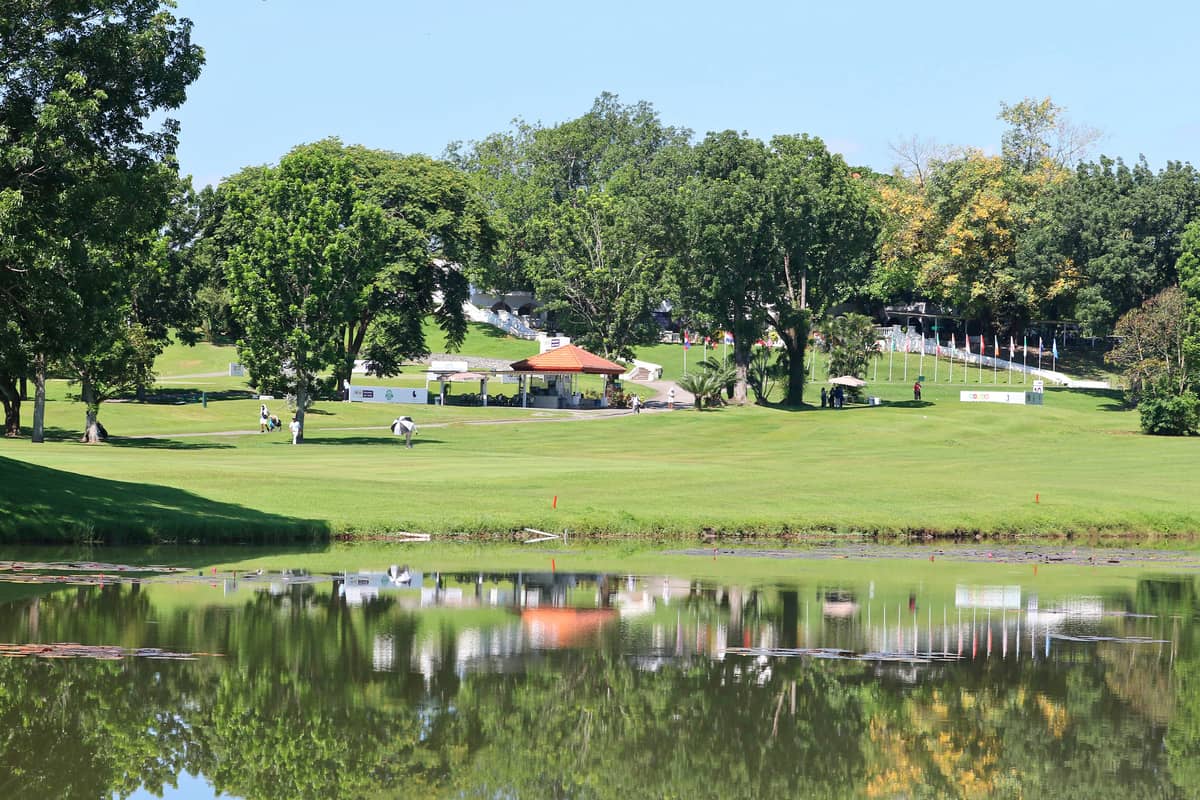
STRETCHING approximately 623 yards from the back tees, Hole No. 9 at Luisita Golf and Country Club is a demanding par 5 and the longest challenge on the front nine.
Still, beyond agronomy and design, the renovation carries a human dimension that has become part of the discussion within the club.
One of the key issues being addressed is the status of caddies who may be displaced during the construction period. Club management has indicated that one possible option is to integrate affected workers into renovation and construction-related activities, though final decisions are still being evaluated. For many, the uncertainty is significant, as caddying at Luisita has long represented not just employment, but a tradition passed through families tied closely to the course.
Luisita has also built a strong competitive legacy over the years, serving as a host venue for major Philippine Golf Tour events and various national-level tournaments. Known for producing stern but fair tests, the course has often been the stage for both breakthrough victories and dramatic collapses, particularly when conditions firm up and afternoon winds sweep across the open Tarlac terrain.
Players frequently describe it as a course that demands patience above all else — where momentum can shift quickly, and where precision is often rewarded more than power.
That identity is now part of what makes this renovation so consequential.
Supporters of the project believe the transition to Zoysia will enhance consistency, sustainability and championship readiness, particularly under tournament conditions. Others quietly wonder whether modernization might soften some of the course’s natural sting — the very characteristic that has defined its reputation for decades.
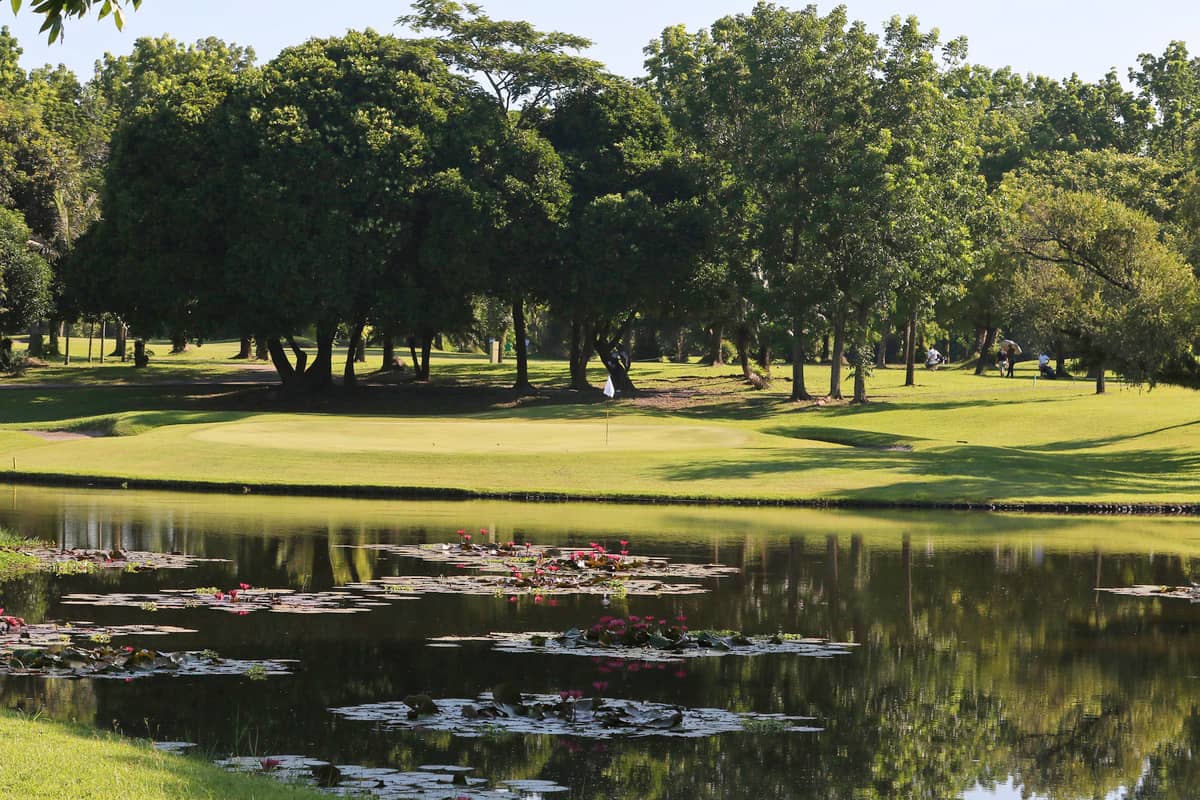
PRECISION takes center stage on Luisita Golf and Country Club’s third hole, a deceptively demanding par 4 that rewards smart course management as much as solid ball-striking.
What remains clear is that Luisita is not simply being renovated; it is being carefully reimagined for a new era of competition, balancing heritage and progress in equal measure.
As work begins this September and stretches over the next year-plus, the course will temporarily step away from the spotlight. But when it returns, it is expected to reenter Philippine golf with a refreshed playing surface, a preserved architectural soul, and renewed expectations from players who know exactly how demanding — and memorable — Luisita can be.