
Property prices accelerate in Q1
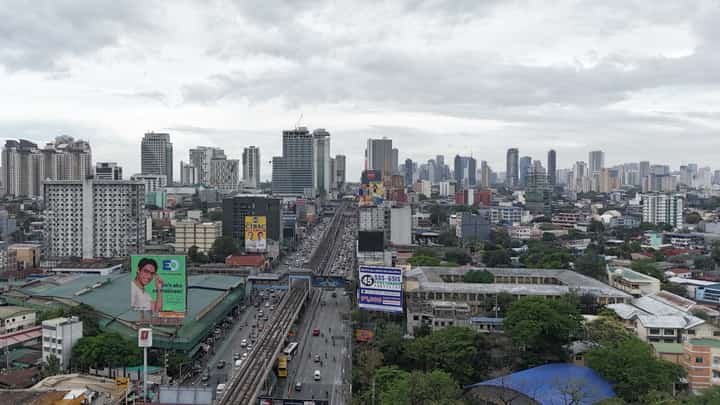
Residential property prices in the Philippines accelerated in the first quarter of 2026, driven largely by a rebound in condominium values and a recovery in Metro Manila after several quarters of decline.
According to the Bangko Sentral ng Pilipinas (BSP)'s Residential Property Price Index (RPPI), which tracks changes in housing prices based on actual bank housing loan data, residential property prices rose 5.6 percent quarter-on-quarter in the January-to-March period, reversing the 1.3 percent decline recorded in the previous quarter.
Growth was broad-based across regions. Property prices in the National Capital Region (NCR) climbed 10.4 percent from the previous quarter, marking a turnaround after three consecutive quarters of contraction. Areas outside NCR (AONCR) also posted gains, with prices rising 2.5 percent amid sustained growth across several major provincial and metropolitan markets.
On an annual basis, nationwide residential property prices increased 4.5 percent in the first quarter, while NCR and AONCR recorded year-on-year growth of 3.5 percent and 5.7 percent, respectively.
The BSP said both house and condominium prices improved during the quarter, signaling renewed momentum in the residential property market. Condominium units accounted for most of the increase in nationwide property prices, while house prices posted more modest gains.
Despite rising property values, demand for housing loans remained weak. Residential real estate loans contracted on a quarterly basis across all regions and housing categories as consumer sentiment toward property purchases remained subdued and banks maintained tighter lending standards. The BSP said these factors continued to weigh on loan demand despite the recovery in prices.
Colliers Philippines Head of Research Joey Bondoc earlier said the Middle East conflict could affect domestic construction material costs and remittances from overseas Filipino workers. Elevated mortgage rates could also weigh on the sector moving forward.
“We need to factor in the Middle East conflict when forecasting demand. Developers are not just looking at remittances but also at the rising cost of construction materials,” he said.
Bondoc noted a strong correlation between construction material costs and oil prices, with periods of elevated oil prices — such as during the current energy crisis — typically increasing construction costs, which could, in turn, push real estate prices higher over the long term.