
Love caves? Come to Cagayan Valley

In the mood for spelunking, canyoneering, rappelling? Cagayan Valley, one of the largest valleys in the Philippines formed by the mountain ranges of Sierra Madre and Cordillera, offers a wealth of choices.
While Batanes is often dubbed as the face of Region II, the true heart of the Cagayan Valley lies in the vast, rugged and captivating mainland provinces featuring ancient caves and hidden mountain retreats, just seven to 15 hours’ drive from Metro Manila.
Callao Cave serves as the face of Cagayan, as it is where the remains of Homo luzonensis were discovered. Now, people can visit the chapel inside it.
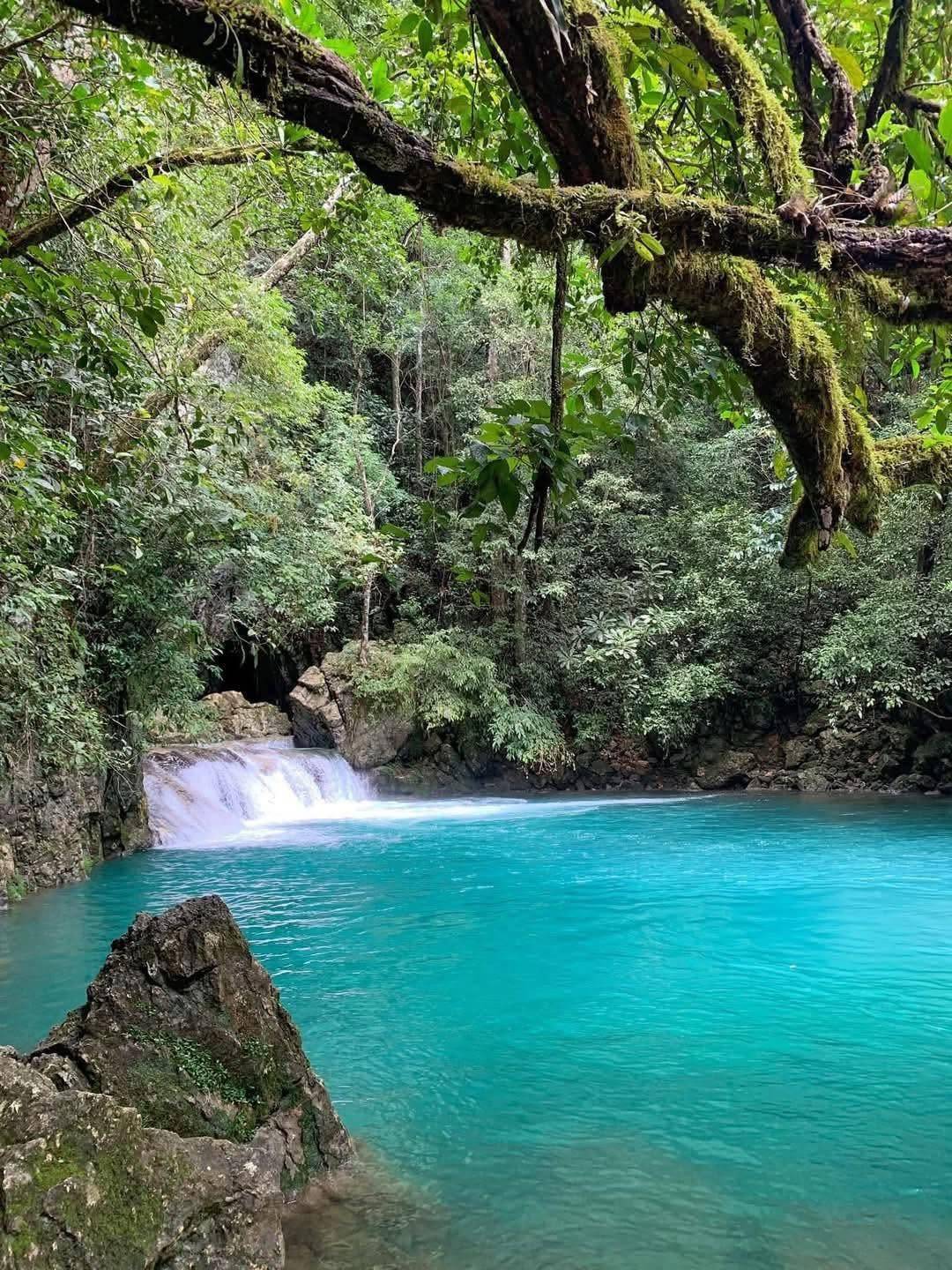
BLUEWATER Falls Baggao
“Cagayan Province is prominent for having the greatest number of caves in the country. In the town of Peñablanca alone, around 200 caves abound, part of which is the famous seven-chambered limy Callao Caves,” Cagayan Governor Manuel Mamba said at the cave’s post-Covid reopening in 2023.
For an adventurous kick, the Bluewater Falls and Cave System in Baggao lives up to its name — with clear blue waters for a refreshing dip after minutes of trekking, spelunking and canyoneering.
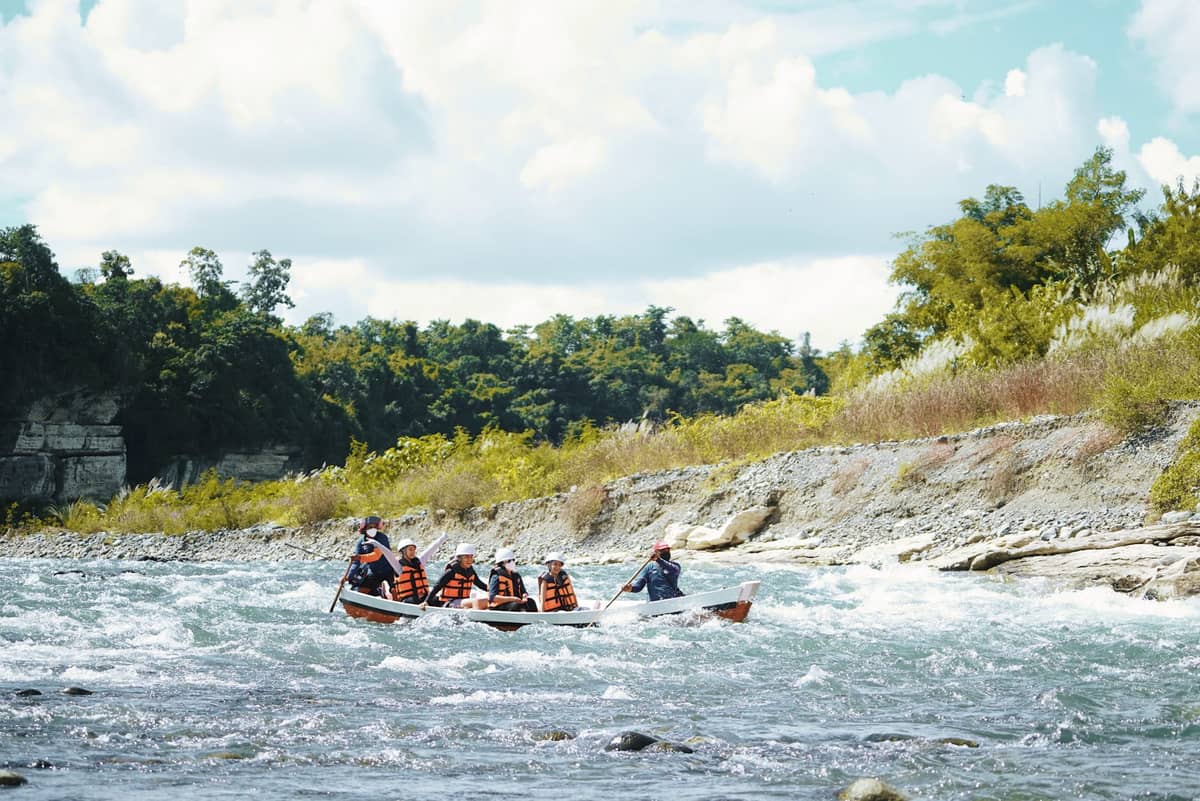
GOVERNOR'S rapids.
Dubbed as the region’s agricultural powerhouse, Isabela surprises visitors with its mix of sprawling rice fields and modern adventure. Visitors can explore the sprawling Fuyot Springs National Park where mountain trails, caves, odd rock formations and an aviary can be found, all available for the love of adventure.
Visit the naturally occurring wonder that is the 5,000-hectare Bonsai Forest in Dinapigue; the Crocodile Sanctuary in San Mariano; Dibulo Falls at the Sierra Madre Nature Park; Dictocotan Beach, a three-kilometer long beach with coral reefs, sea grass beds and a sandy shoreline; Abuan River for whitewater rafting, rappelling, waterfall trekking, kayaking and other water activities; Dimasilong Eco-Tourism Park; Malasi Lake, a bird sanctuary; Marannao SWIP Dam for boating enthusiasts; and Kweba Danum, a hidden gem with a water tunnel that originates from the surrounding mountains.
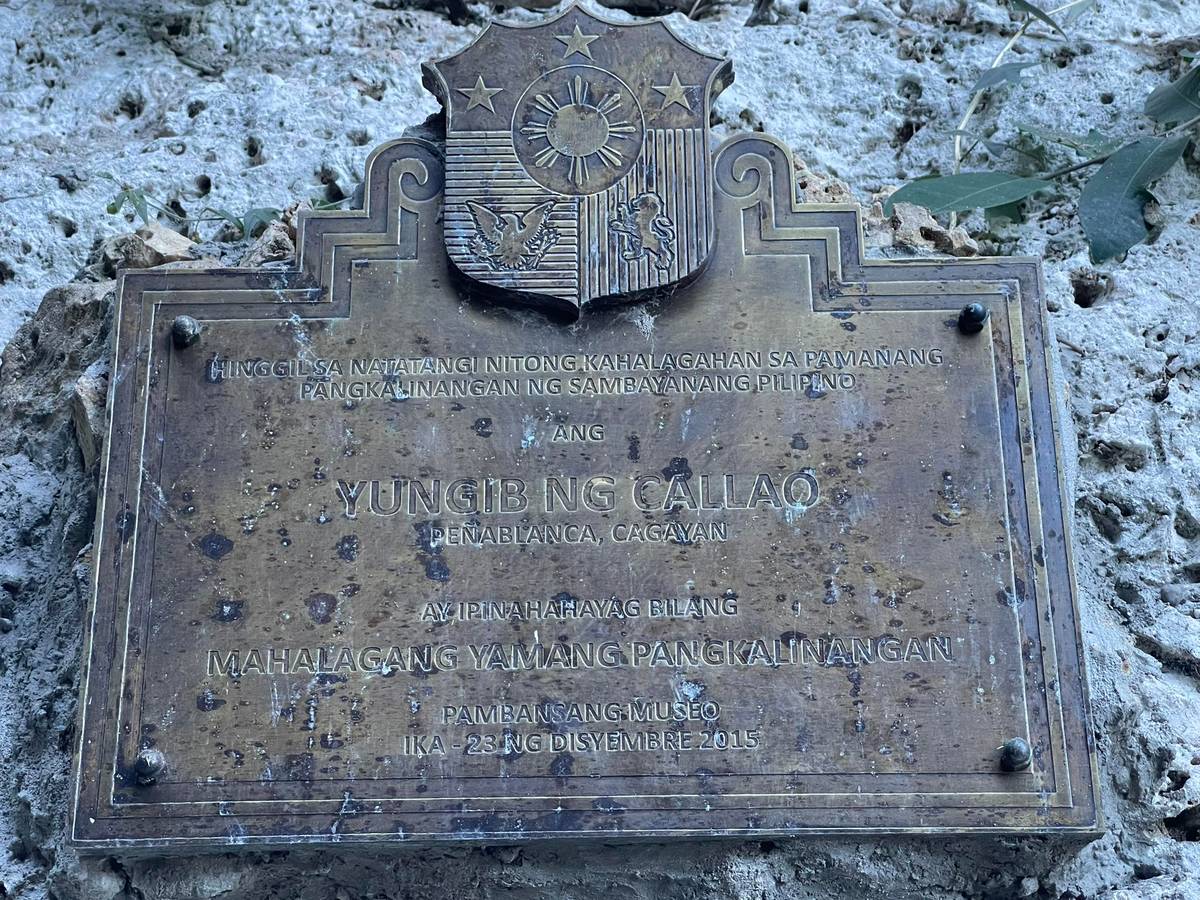
CALLAO Cave’s marker.
Photograph courtesy of National Museum of the Philippines
Nueva Vizcaya’s entry to the long list of Cagayan Valley caves is the fifth longest cave in the Philippines, the Capisaan Cave System, which is dubbed as one of the most extensive but the best spelunking destinations in the country.
Finally, Quirino remains a hidden gem, but for their part, the dramatic limestone walls of Governor’s Rapids to the series of interconnected caves in Aglipay, will surprise you.
If you want to try such extreme activities, ensure you wear the right apparel, from helmets to trekking shoes and bring just the right amount of hydration and food.
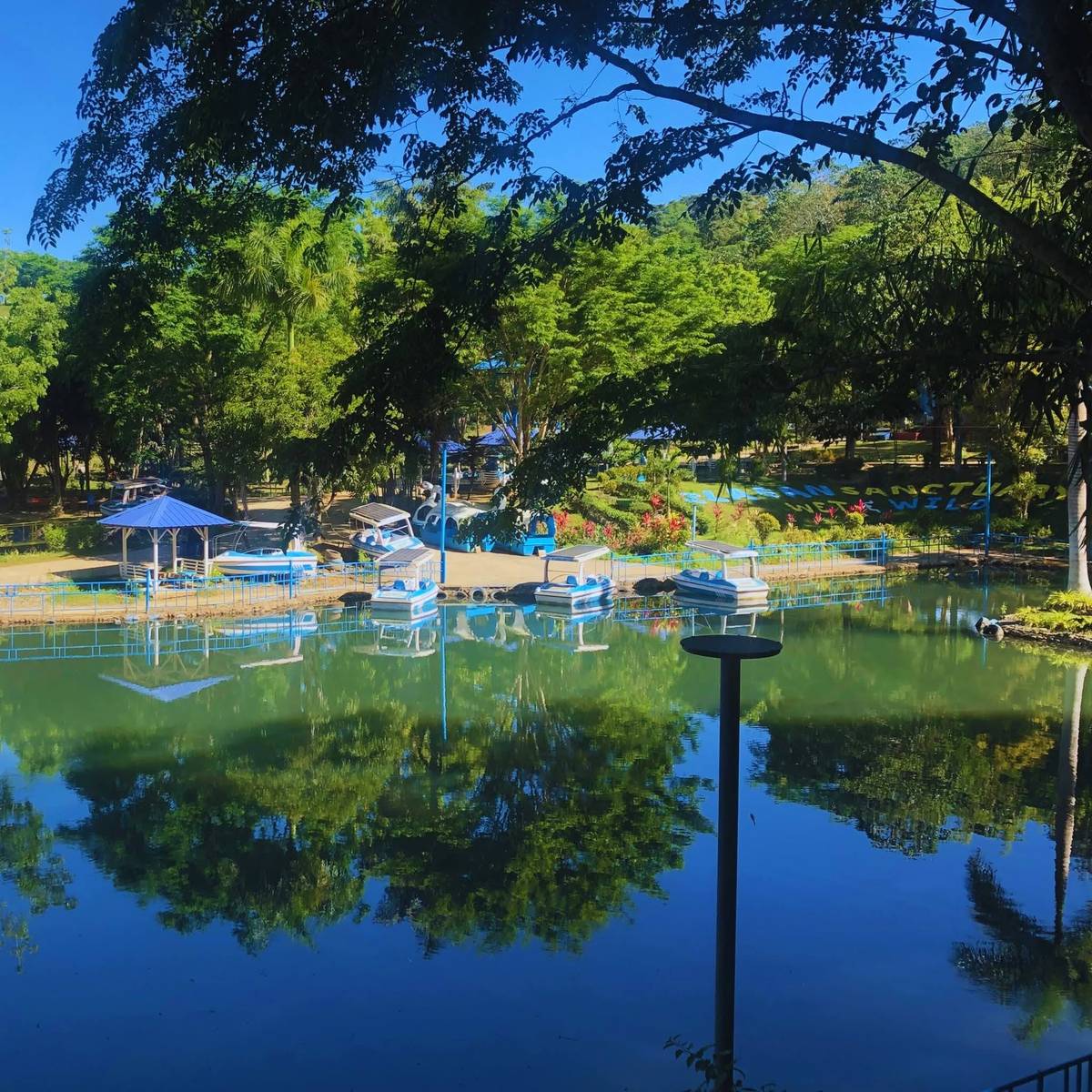
FUYOT springs.
How to get there:
Fly from Ninoy Aquino International Airport (MNL) to either Tuguegarao Airport (TUG) or Cauayan. Take a bus. Tickets cost from P1,000 to P1,400 and the journey takes about 10 hours. Drive or hire a car to Cagayan; it takes around seven hours.
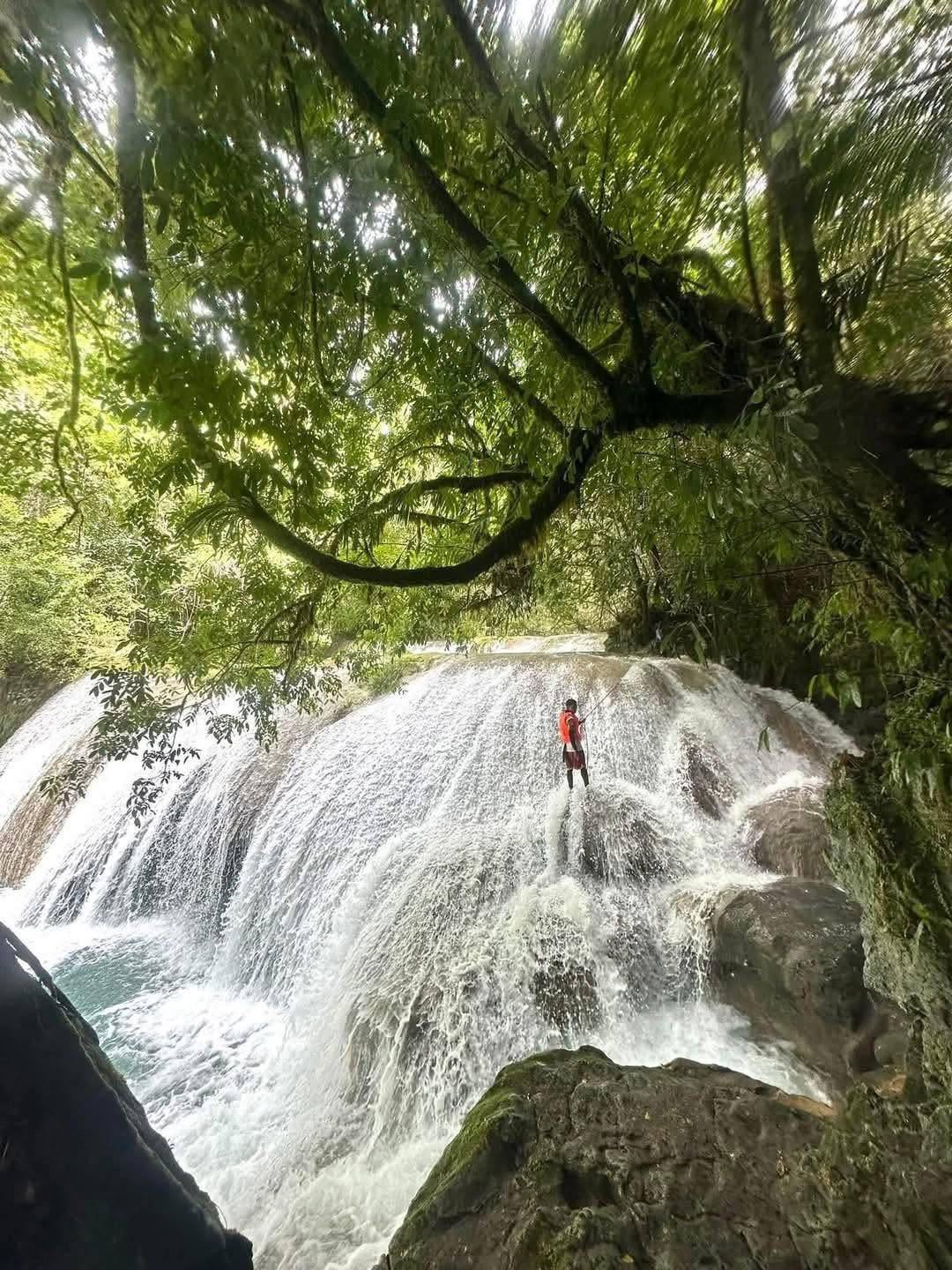
BLUEWATER Falls and Cave System.