
Erwin Tulfo to file 'no work, no pay' bill amid Bato's prolonged absence
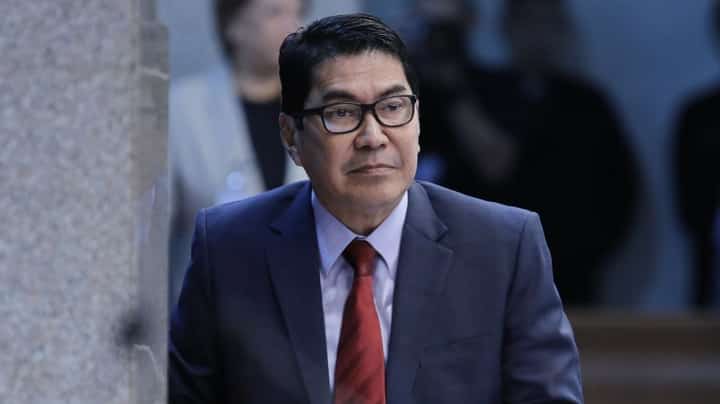
Senator Erwin Tulfo on Sunday hinted at filing a proposed law seeking to cover top officials, including legislators, under the “no work, no pay” policy amid the prolonged absence of his fugitive colleague, Senator Bato dela Rosa.
The proposal would be the counterpart to House Bill 7432, filed by Ilocos Rep. Sandro Marcos, which seeks to institutionalize the “no work, no pay” scheme by basing lawmakers' salaries in both the House of Representatives and the Senate based strictly on their attendance, and other mandated legislative duties like attending committee hearings and plenary sessions.
While Marcos’ proposal only covers members of Congress, Tulfo’s unfiled bill would apply to all senior officials, namely the president, vice president, legislators, other elected officials, Cabinet secretaries, and department heads.
In addition to salary, the proposal also seeks to reduce emoluments, such as allowances, for senior officials with unexcused absences.
“It’s embarrassing that our staff or ordinary government employees don't get paid when they are absent without prior notice, but we officials still get paid even if we are absent for weeks or months?” Tulfo said.
The wages and salaries of ordinary employees in the Philippines are entirely based on the days they render service. As a result, Dela Rosa’s prolonged absence has sparked growing public frustration, with civic groups accusing the senator of dereliction of duty and abuse of privilege.
Tulfo argued that the “no work, no pay” policy should not unfairly single out ordinary employees, adding that positions should not be a free pass for government leaders to insulate themselves from the same standards, especially since they are entrusted with key duties and public funds are involved.
"It has become a habit, and no one calls it out even if someone is absent but still receiving a salary. Because they are high-ranking officials, who would dare call us out, right?" he added.
Tulfo cited Dela Rosa’s prolonged absence in the Senate as a glaring example, saying the fugitive senator continues to receive his salary despite not reporting to work.
"I salute Senator Jinggoy because even though he hasn't been convicted yet, since he can no longer attend Senate hearings, he took the initiative and said he should no longer be paid. That is the right thing to do," Tulfo concluded.
De la Rosa has emerged as the top absentee, missing 31 of 58 Senate sessions during the first regular session of the 20th Congress. The period only covers 28 July last year to 18 March and excludes the subsequent months up to the current date.
Dela Rosa has gone into hiding since November last year after learning that an International Criminal Court warrant had already been issued for him.
He surprisingly returned to the Senate on 11 May to vote for the ouster of then Senate president Tito Sotto in favor of Senator Alan Cayetano, only to “escape” the Senate premises on the wee hours of 14 May, shortly after tensions eased from the gunfire incident.
The former PNP’s chief whereabouts have remained untraced since then.
Previously, Dela Rosa denied receiving his salary and emoluments during his absence, though he admitted that his staff received his pay during the first months he was away.
Dela Rosa is wanted by the ICC for crimes against humanity over the alleged extrajudicial killings allegedly committed between November 2011 and March 2019—spanning former president Rodrigo Duterte’s tenure as Davao mayor and as the country’s chief executive.
ICC records showed that the senator is criminally responsible as an “indirect co-perpetrator” for the drug war killings, being the then chief of the Davao police and chief of the Philippine National Police, both under Duterte’s watch.
Authorities have launched a nationwide manhunt operation for Dela Rosa, who is still in the Philippines, according to intel reports.
dela rosa refuge