Waiting room anxiety


Nosy Tarsee knows they have never been friends. One is the old empire whose lights got switched off. The other is the brash newcomer, state-blessed and foreign-backed, handed a franchise to break up a cozy duopoly.
For a moment in 2019, they even shared some wires — a practical arrangement between a wounded giant and an ambitious challenger who needed infrastructure fast.
Here is where both now reside: the same airless waiting room where strategic assets go when the market stops caring about their origins.
Company A has a famous name, recognizable faces, and distribution arrangements with half of the region’s streaming platforms.
What it lacks is positive equity. As of the most recent quarter, its liabilities had nudged past its assets, its biggest bank loans had been extended, and its auditors had flagged the phrase no CFO wants to see in a filing: material uncertainty over ability to continue as a going concern.
Advertising revenue has cratered. Cable subscribers keep walking. The content machine still hums, but it is humming into a narrower and narrower room.
Our second specimen, call it Company B, has towers. Lots of them. It has subscribers, growing revenue, and an EBITDA line that is finally pointing upward.
What it also has is a balance sheet that reads less like a company with debt than like a debt that has assembled a company around it.
Capital deficiency north of P117 billion. Current liabilities exceed current assets by roughly P83 billion. Interest expense alone ran to about P5 billion last quarter. Foreign exchange losses added another P9.7 billion on top.
What unites them is their situation. Both are alive because others have decided, for now, that allowing them to remain alive is preferable to the alternative.
Company A survives on brand goodwill, bank extensions, and the faint hope that cost discipline plus content licensing will add up to solvency. Company B survives on affiliate advances, accrued payables, and institutional faith.
The market runs one calculation: will cash arrive before the obligations do? Neither company, at this writing, has a convincing answer.
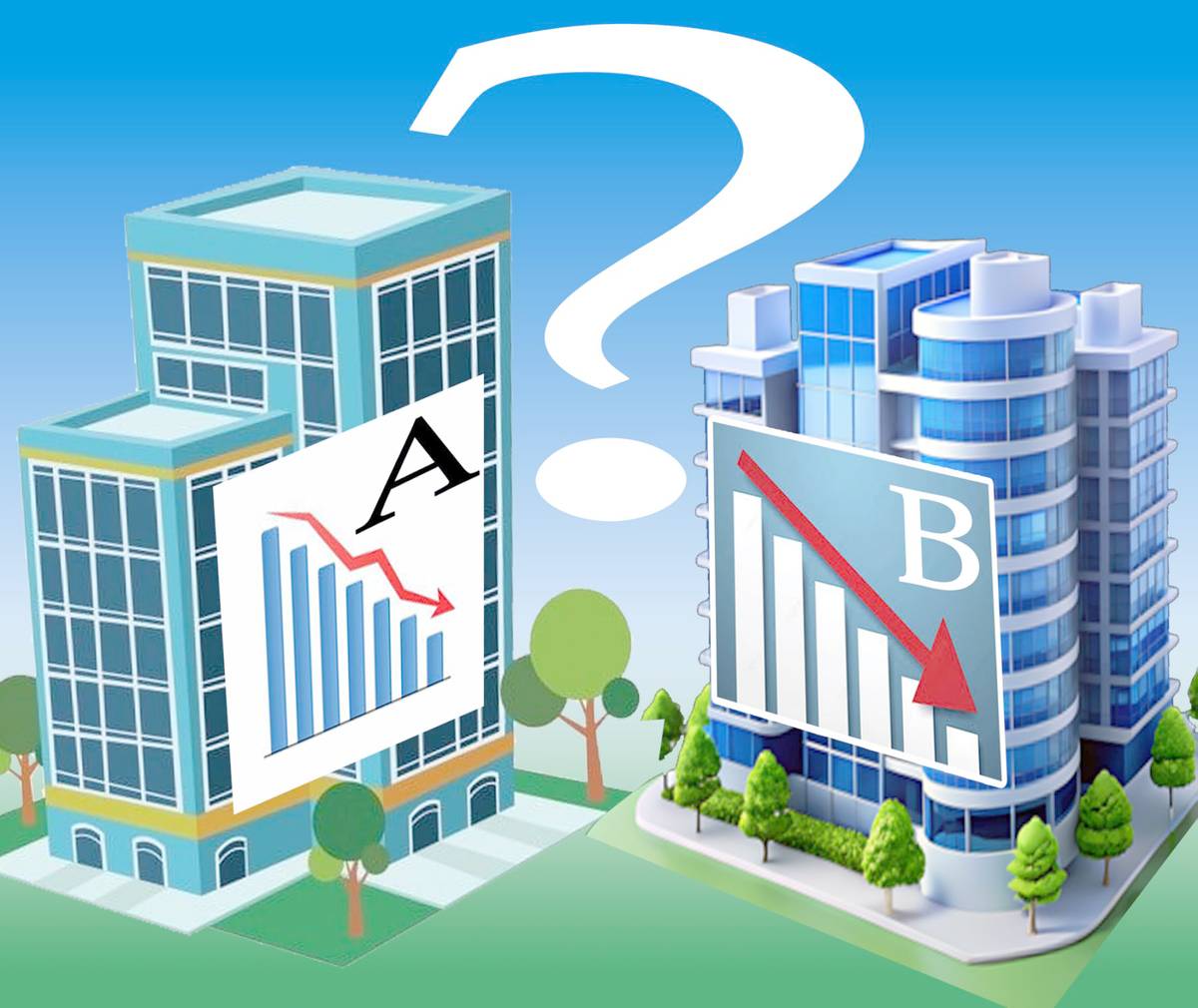
So, who are Company A and Company B — and which one do you think will cross the finish line first?