
Excellence when no one is looking
This is the foundation of every great profession

In healthcare, buildings do not heal people. Machines do not comfort families. Reputation alone does not save lives.
People do.
The true strength of any healthcare institution has always rested on the quality, character and commitment of the people who walk its halls every single day. Behind every successful hospital is a workforce driven not only by skill, but by discipline, compassion, integrity and the relentless hunger to keep learning.
This is why staff training and empowerment can never be treated as secondary priorities. They are not “support programs.” They are the very engine of excellent healthcare.
The best organizations in the world understand this deeply. Their success is rarely built on infrastructure alone, but on a culture where people are continuously challenged to grow, trusted to lead and inspired to give their best — even when no one is looking.
In medicine, standing still is never an option. Healthcare evolves by the hour. Technologies advance. Procedures improve. Standards rise. What was excellent yesterday may no longer be enough tomorrow. That reality demands something greater from every healthcare professional: intellectual humility, lifelong curiosity and the willingness to continually sharpen one’s craft.
Continuous learning is not merely about compliance or accumulating certificates. It is about honoring the responsibility entrusted to every healthcare worker. Because behind every chart is a patient. Behind every protocol is a life.

Clinical excellence is shaped by discipline, integrity and consistent professional practice.
Photograph courtesy of Anna Keibalo/Unsplash
Institutions that invest in education send a powerful message to their people: you matter, your growth matters and excellence matters.
And when healthcare professionals feel equipped, trusted and valued, something remarkable happens. They do not simply work harder — they work with greater purpose.
Empowerment transforms culture. It encourages people to think critically, communicate openly and take ownership of outcomes. It creates teams that do not wait to be told what is right, but instinctively pursue what is best for the patient, the institution, and one another.
The strongest healthcare cultures are built not on fear, but on accountability and pride.
Pride in doing things correctly. Pride in showing up prepared. Pride in choosing excellence repeatedly, especially in moments unseen and unrecognized.
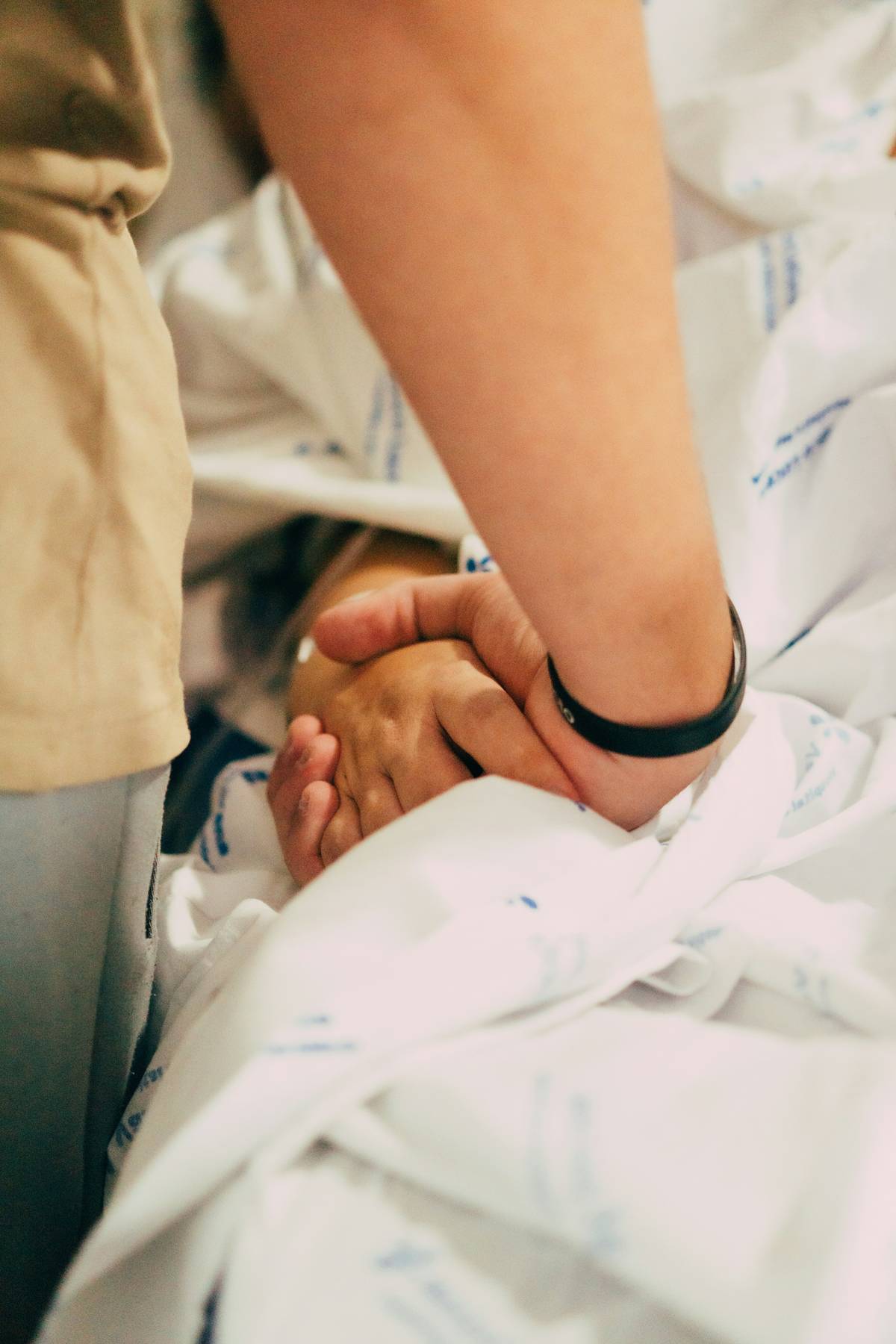
EMPOWERMENT initiatives promote critical thinking and ownership of clinical outcomes.
Photograph courtesy of Maria Luisa-Queiroz/Unsplash
Because true professionalism reveals itself most clearly behind closed doors — in the extra time spent reviewing details, in the quiet decision to uphold standards, in the consistency of doing honest work without needing applause.
Recognition also matters. People thrive where effort is acknowledged and dedication is respected. A word of gratitude, a sincere commendation, or the opportunity to grow further can reinforce a culture where employees feel seen, valued and inspired to contribute even more.
And ultimately, patients feel the difference.
They may never see the countless hours of training, the seminars attended, the protocols reviewed, or the sacrifices made behind the scenes. But they experience the outcome through safer care, better communication, stronger teamwork and deeper trust.
A healthcare institution that invests in its people invests directly in the quality of life of the communities it serves.
At the heart of every respected medical institution is not only medical expertise, but a workforce committed to becoming better than they were yesterday. Not because someone demanded it — but because excellence, integrity and service have become part of who they are.

HEALTHCARE institutions emphasize staff training as a core driver of service quality.
Photograph courtesy of Cottonbro/Pexels
The strongest professionals — in healthcare, leadership, education, even the arts — are usually defined not by the moments everyone sees, but by the standards they keep in private: the preparation, the consistency, the restraint, the extra effort, the refusal to cut corners.
That’s where trust prospers. And in healthcare especially, trust is everything.
That is how great healthcare institutions are built. And more importantly, that is how they endure.