
Patient experience is not just for a week
Patient Experience Week serves as a valuable reminder of these priorities. But the real challenge lies in what happens after it ends.

It is Patient Experience Week, observed from 27 April to 1 May 2026 — a time when the global healthcare community recognizes the people and practices that shape how care is delivered and received.
From physicians and nurses to support staff, administrators, patients and families, each plays a role in defining the patient experience.
But patient experience must go beyond a week of recognition. It has become a central dimension of healthcare quality, influencing safety, trust, treatment adherence and long-term engagement. Increasingly, healthcare leaders around the world — and in the Philippines — are recognizing that how care is experienced is just as important as the outcomes themselves.
At its core, patient experience is about culture. It requires deliberate and sustained engagement with patients, families and communities. Delivering high-quality care is no longer limited to clinical expertise; it must also address the full spectrum of a patient’s journey — from physical comfort to emotional, educational, psychological and even spiritual needs. Persistent challenges such as long wait times, fragmented communication and administrative barriers remain common pain points that shape public perception of healthcare.
In the Philippines, these realities are especially pronounced. Overcrowded facilities, workforce constraints and varying access to resources can make it difficult to deliver consistently patient-centered care. Yet across the country, many healthcare teams are finding ways to improve the experience within these limitations — by strengthening communication, streamlining processes and creating more responsive systems of care.

HEALTHCARE teams play a vital role in shaping patient experience through coordinated and compassionate care.
Photograph courtesy of shedrack salami/unsplash
Globally, healthcare is also being reshaped by technology. In 2026, the increasing use of artificial intelligence is helping organizations deliver more personalized and efficient care. Smart hospital systems, virtual screening tools and predictive analytics are being used to anticipate patient needs, reduce delays and improve coordination. These innovations show promise, but they are only as effective as the culture in which they are embedded.
Ultimately, improving patient experience is not about technology alone — it is about people. As healthcare leaders have emphasized, putting “patients first” is a simple idea, but one that is difficult to sustain without strong leadership and organizational commitment. It requires consistency, accountability and a shared belief that every interaction matters.

COMPASSIONATE care remains central to the practice of modern healthcare.
Photograph courtesy of alexander grey/unsplash
Importantly, patient experience extends beyond satisfaction.It is closely tied to patient safety, clinical outcomes and trust in the healthcare system. From admission to discharge, patients form impressions based on how they are spoken to, how long they wait, how well information is explained, and how included they feel in decisions about their care.
Sustained improvement, therefore, requires more than short-term initiatives. It calls for continued investment in communication skills, culturally responsive care and systems designed with patients, not just for them. It also requires listening — truly listening — to patients and acting on what they say.
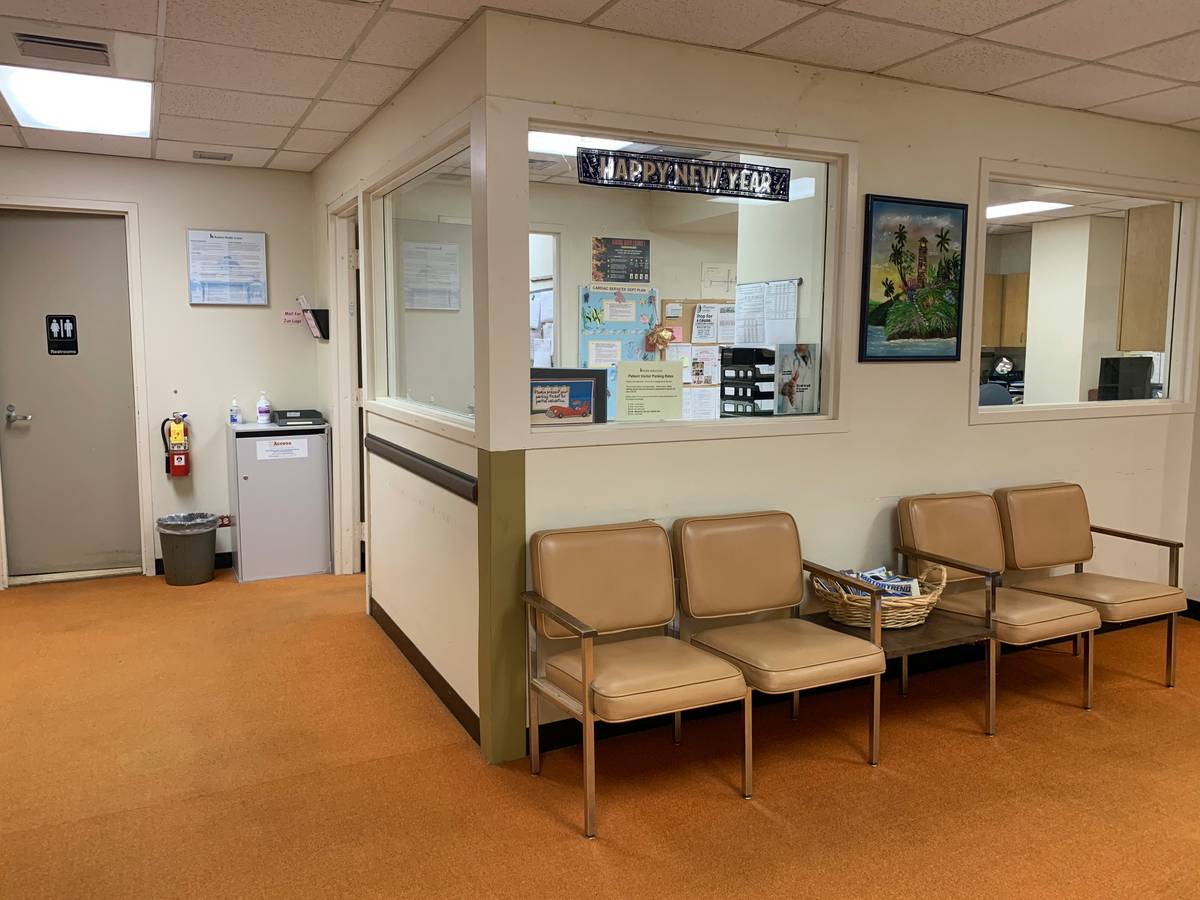
CONTINUOUS improvement in healthcare requires both system efficiency and human connection.
Photograph courtesy of smallbox/unsplash

CLLABORATIVE discussions among healthcare professionals support safer and more effective patient care.
Photograph courtesy of National Cancer Institute/unsplash
Patient Experience Week serves as a valuable reminder of these priorities. But the real challenge lies in what happens after it ends.
For those who work in healthcare, patient experience must be a non-negotiable standard — something built into everyday practice, not reserved for special occasions. And for patients, it is important to recognize your role as active partners in your own care.
Because in the end, patient experience is not defined by a single moment or initiative. It is purposefully shaped, day by day, in every interaction — and it is through these interactions that trust is built, care is improved and health systems move closer to truly serving the people they are meant to heal.