
Nearly 10K repatriated from M.E.

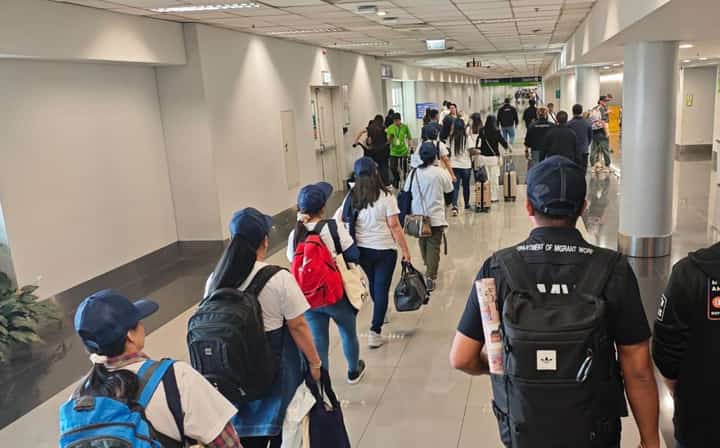
The Philippine government has repatriated 9,854 Filipinos from the Middle East (ME) as tensions in the region continue to threaten overseas communities, according to Department of Migrant Workers (DMW) data as of 20 May.
The total includes 7,748 overseas Filipino workers (OFWs), 1,745 dependents and 361 stranded Filipinos who were brought home through government-assisted evacuation flights and border extraction operations.
The government has also expanded assistance on the ground, with 60,571 support services delivered as of 19 May. These include food assistance, medical aid, transportation and temporary shelter for Filipinos awaiting evacuation or other forms of assistance.
A total of 27,369 individuals have likewise received financial aid.
The Overseas Workers Welfare Administration said it continues to coordinate with partner agencies to ensure both emergency evacuation and post-arrival reintegration services, including livelihood assistance and psychosocial support for returning workers and their families.
Meanwhile, 79 OFWs from Kuwait arrived Thursday at the Ninoy Aquino International Airport aboard a Gulf Air flight as part of the government’s continuing repatriation program.
The workers were met by government personnel, health teams and welfare officers upon arrival.
Kuwait remains a major destination for Filipino workers, particularly in domestic and service-sector jobs.
While labor agreements between Manila and Kuwait are intended to protect migrant workers, authorities noted that OFWs in the region remain vulnerable to disruptions caused by regional instability and labor-related concerns.