
‘Perfect Crown’: Turning the throne into its own undoing
The boy once reprimanded simply for wearing red royal robes now stands positioned to become the final king of Korea, an irony the narrative seems fully aware of.


Perfect Crown closes not like a traditional royal saga and I’m all here for it.
What began as a familiar tale of succession of the Korean monarchy and palace intrigues ended as a pointed critique of inherited power, where the Joseon throne is no longer a prize but a burden that the story ultimately refuses to preserve.
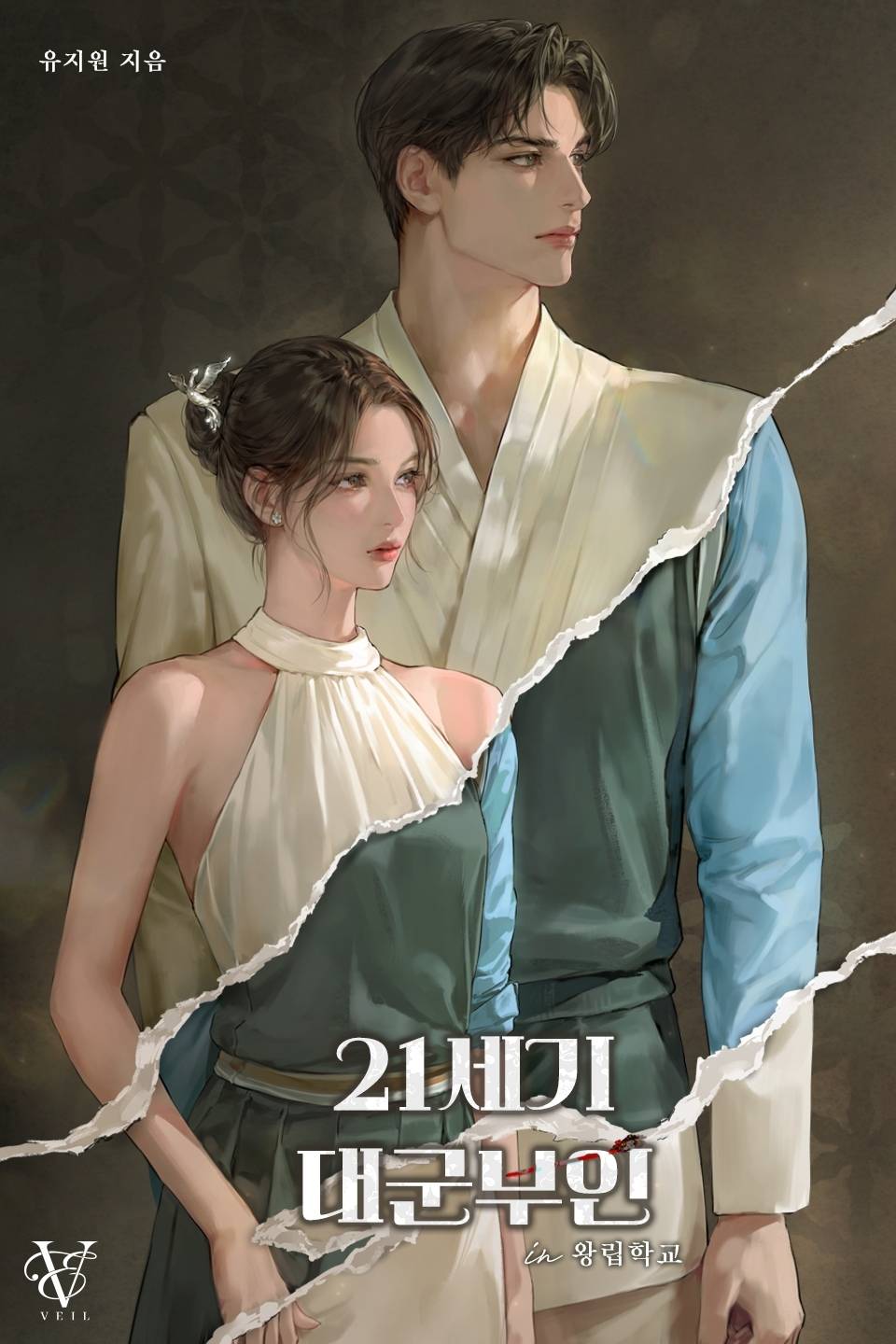
'PERFECT Crown in Royal Academy of Korea' web novel explores protagonists' school days.
Despite some harsh criticisms from netizens and albeit some fans, Perfect Crown sharpened into something more pointed than a palace thriller or romance — it has become a sustained critique of inherited power itself. Across 12 episodes, it builds toward a single unsettling idea: The crown does not elevate people, it consumes them.
The palace, as repeatedly shown throughout the series, is not a place of grandeur but of cyclical trauma. It is a system built on secrecy, manipulation and inherited suffering, where nearly every tragedy can be traced back to the need to preserve “the crown” at any cost. The late King I-hwan’s death? The young King I-yun who was thrust into the throne in the midst of palace corruption? And Grand Prince I-An (Byeon Woo Seok) who was almost murdered in the Council Hall?
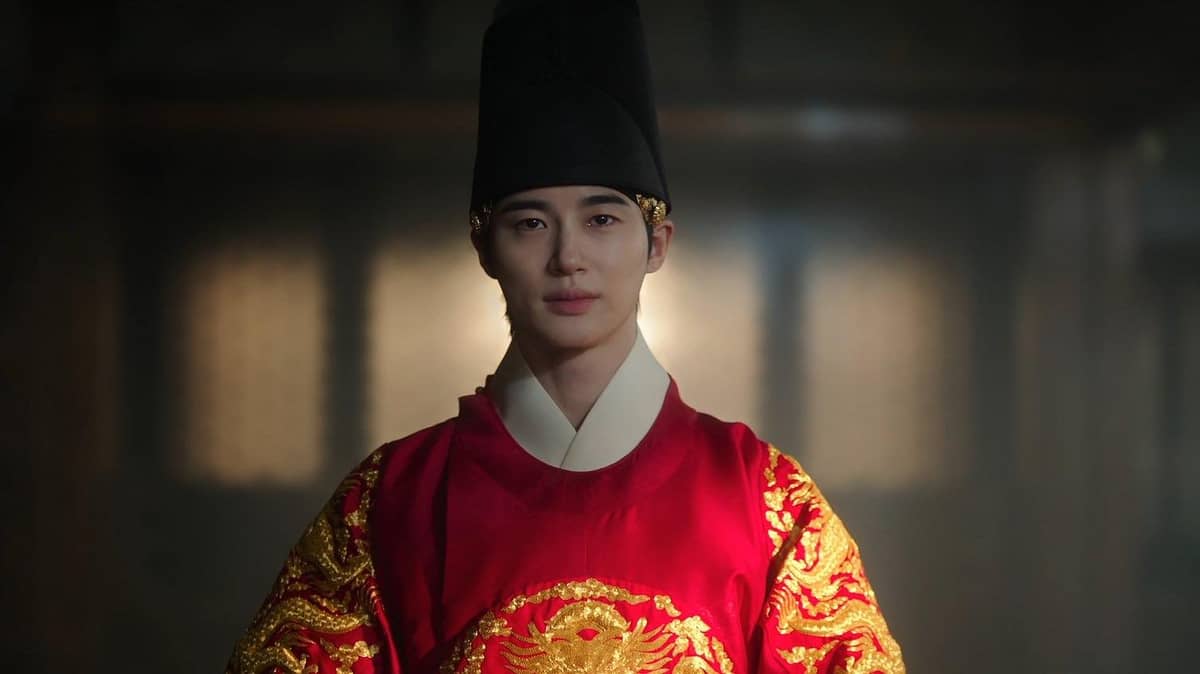
I-AN finally takes the throne as the 34th King of Korea.
PHOTOGRAPHS COURTESY OF MBC
I-An’s arc reframes the entire premise of monarchy from within. His political and social worldview is consistently positioned as too progressive for the court, and that is precisely what makes him dangerous to it. He does not simply question authority, he questions why authority must exist at all.
Importantly, I-An’s vision of freedom is not exclusive. It extends beyond himself and even reaches figures like Prime Minister Min Jeongwoo, suggesting that both men are bound by the same rigid system that demands obedience under tradition. In I-An’s understanding, liberation is not personal elevation within the system, but release from the system entirely.
Basically, his entire arc was never: “I want the throne.” It was: “I want people to stop suffering because of the throne.”
This reframing makes his endgame, abolishing the monarchy, not only plausible but thematically consistent. The boy once reprimanded simply for wearing red royal robes now stands positioned to become the final king of Korea, an irony the narrative seems fully aware of. His ascend to the throne would represent one conclusion: the last chapter of a system he ultimately rejects.
Parallel to his transformation is Seong Hui Ju (IU), whose arc provides one of the series’ most striking reversals. At the beginning, Hui Ju is driven by the belief that proximity to royalty is power, that a royal title represents security, identity and escape from limitation. She is, in many ways, the clearest outsider looking in, convinced that entering the royal world is a form of elevation.
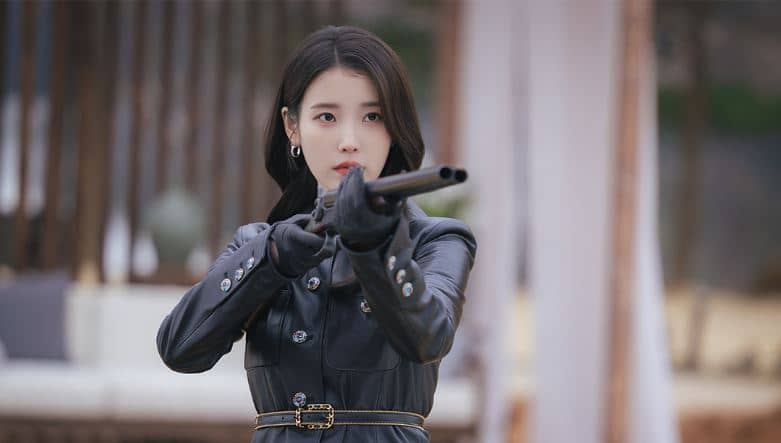
SEONG Hui Ju steps up to defend her husband I-An, who took on the name King Sungjo.
To her surprise, the palace does not validate that belief.
Through her experiences inside the royal system, Hui Ju is confronted with the emotional and psychological cost of the very institution she once aspired to join. What once looked like prestige reveals itself as confinement. Status becomes surveillance. Recognition becomes pressure. And belonging becomes conditional survival.
Together, I-An and Hui Ju form a shared critique of the same structure from different entry points. One was born into the crown and learns to reject it; the other once desired it and learns its cost. Their convergence suggests that the monarchy is not a space of destiny, but rather a machine that reshapes identity through pressure and pain.
In the end, Perfect Crown appears less interested in who will sit on the throne and more invested in whether the throne itself can meaningfully remain. Ultimately, its conclusion has become about not about crowning a ruler, but about dismantling the idea that one is needed at all.
Perfect Crown is a beautiful story about responsibility, forgiveness and ultimate sacrifice of something we once thought would last forever.