
Energy-saving strategies
Developers like Camella incorporate thoughtful design features such as improved ventilation and natural lighting, helping reduce dependence on artificial cooling and lighting.


With electricity rates rising and temperatures getting hotter, many Filipino homeowners are actively looking for practical ways to reduce power consumption and save money.
Energy saving has become even more important today because of global energy instability and geopolitical tensions, including ongoing Iran–US-related conflicts in the Middle East, which can contribute to fluctuations in oil supply, fuel prices, and ultimately electricity costs worldwide. When global energy markets become uncertain, even countries like the Philippines feel the impact through higher transport costs, increased generation expenses, and rising household power bills.
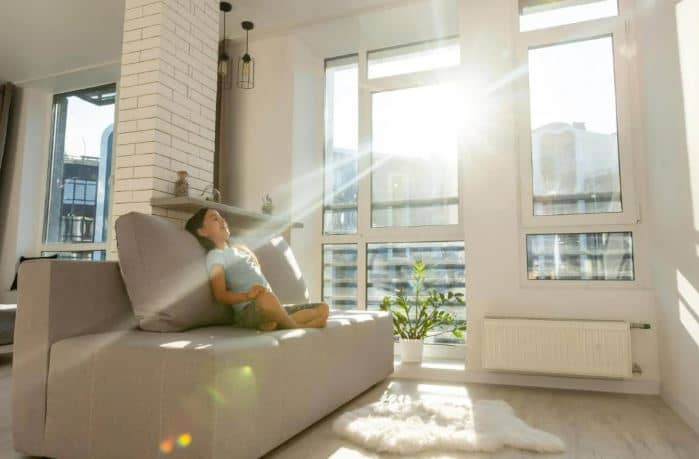
IMPROVING energy efficiency is about using less energy to perform the same tasks.
The good news is you don’t need major renovations or expensive upgrades to make a real difference. This guide shares practical, cost-effective energy-saving strategies you can easily apply at home.
7 Energy-Saving Tips for Filipino Homes
Energy efficiency simply means using less electricity while maintaining the same level of comfort and functionality. In most Filipino households, the highest energy consumption typically comes from air conditioning, appliances and lighting.
1. Optimize cooling and airflow
Cooling systems account for a significant portion of electricity bills in the Philippines due to the country’s tropical climate. Setting your air conditioner to a moderate temperature, ideally around 24–26°C, helps manage consumption since every degree lower increases energy use. Using ceiling fans alongside air conditioning improves air circulation and reduces strain on cooling units, making indoor environments feel more comfortable without excessive power use. Regular maintenance, such as cleaning filters and servicing units, ensures systems run efficiently and avoid unnecessary energy waste. Even simple habits, like ensuring refrigerator door seals are tight, help prevent avoidable energy loss.
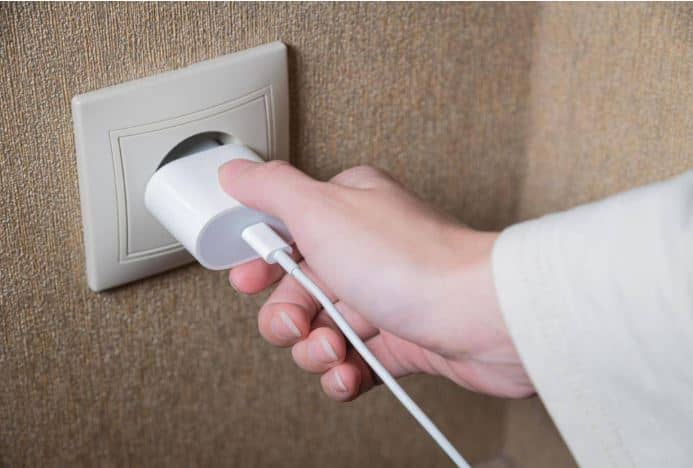
AWARENESS is the first step to savings.
2. Maximize natural light and and ventilation
Using daylight during the day reduces reliance on artificial lighting and helps lower electricity consumption. Opening windows during cooler hours allows natural airflow to circulate, releasing trapped heat and improving overall comfort. During peak heat hours, closing curtains or blinds helps block direct sunlight and prevents indoor temperatures from rising too quickly, reducing the need for artificial cooling.
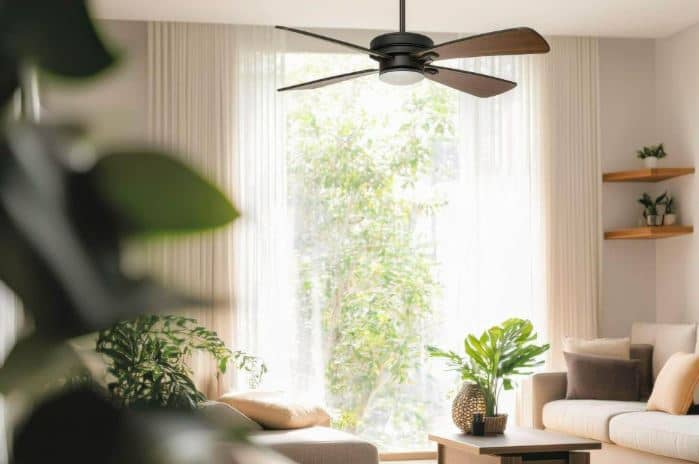
OPEN windows during cooler hours to improve airflow and let natural ventilation do the work.
user4
3. Seal air leaks and improve insulation
Small gaps around doors and windows allow cool air to escape and warm air to enter, forcing cooling systems to work harder than necessary. Sealing these gaps is a simple and cost-effective way to improve overall energy efficiency. Even in tropical climates, proper insulation helps stabilize indoor temperatures and reduces unnecessary energy consumption.
4. Switch to energy-efficient lighting
Replacing traditional bulbs with LED lighting is one of the fastest and most effective ways to reduce electricity use. LED bulbs consume less energy, last significantly longer, and produce less heat compared to conventional lighting. Since lighting is used daily, this simple upgrade quickly leads to noticeable long-term savings.
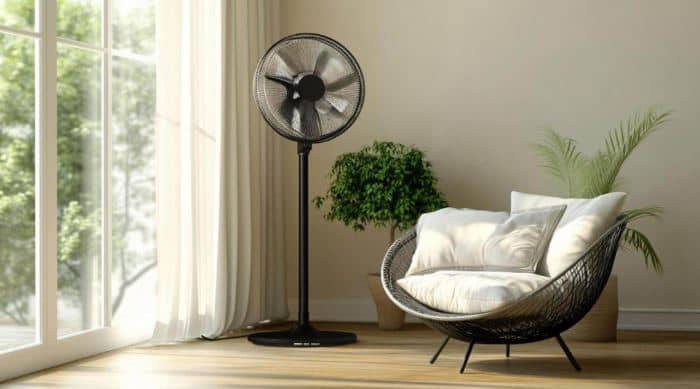
A well-maintained cooling system keeps your home comfortable and your power bill under control.
user4
5. Use appliances more wisely
Household appliances are among the largest contributors to energy consumption in most homes. Overfilling the refrigerator should be avoided, and frequent opening should be minimized to maintain stable internal temperatures. Cooking with lids helps retain heat and reduces cooking time and energy use. Washing full loads of laundry is more efficient than running multiple small cycles, while air-drying clothes instead of using electric dryers further reduces electricity consumption and overall energy costs.
6. Reduce standby power consumption
Many electronic devices continue consuming electricity even when turned off, a phenomenon known as standby or “phantom” power. Unplugging devices when not in use or using smart power strips helps eliminate this hidden energy waste. Over time, this simple habit contributes to meaningful reductions in monthly electricity bills.
7. Monitor your energy use
Tracking electricity consumption helps identify which habits or appliances use the most power. Regularly reviewing monthly bills allows you to detect sudden increases in usage early. This awareness makes it easier to adjust habits, whether by reducing air conditioning use or switching to more efficient appliances.
Building an Energy-Efficient Lifestyle at Home
The most effective approach to energy saving is consistency, where small daily habits accumulate into long-term impact. Actions such as turning off unused lights, managing cooling efficiently, and using appliances mindfully all contribute to lower energy consumption over time. Energy efficiency also begins with the home itself, where design plays a crucial role in how naturally a space uses light and airflow.
Developers like Camella incorporate thoughtful design features such as improved ventilation and natural lighting, helping reduce dependence on artificial cooling and lighting. When a home is designed to support energy efficiency, every effort becomes more effective, resulting in lower costs, better comfort, and a more sustainable lifestyle for the future.