
Making solar energy accessible to everyone
Even outside crisis conditions, projections suggest electricity costs could rise by up to 16 percent as global fuel prices increase.


The Philippines operates within a global energy system it does not fully control. More than half of its primary energy supply is imported, with coal and oil forming a significant portion of electricity generation.
In March 2026, electricity prices surged by as much as 58 percent in a single month due to fuel supply instability linked to geopolitical conflict. Even outside crisis conditions, projections suggest electricity costs could rise by up to 16 percent as global fuel prices increase.
These costs hit close to home, with homeowners looking for alternatives, as searches for “solar panels” in the Philippines peaked last month. But the transition is not without its limits, as solar panels and battery storage require significant upfront capital. They also depend on proper design, installation, and maintenance, which are more things for homeowners should worry about.
SEARCHES for ‘solar panels’ in the Philippines have surged, peaking just last month.
Climate of shared opportunity
Perhaps renewable energy should not be treated only as a household upgrade, but as a form of shared infrastructure. Instead of asking every individual house to solve energy on its own, it may be more practical to address it at the scale of the community. This is where the conversation becomes more interesting.
The Philippines has an advantage when it comes to solar energy, as our climate is abundant with sunlight. Solar exposure remains relatively consistent throughout the year, even during the rainy season. This positions the country as an ideal candidate for decentralized solar energy systems.
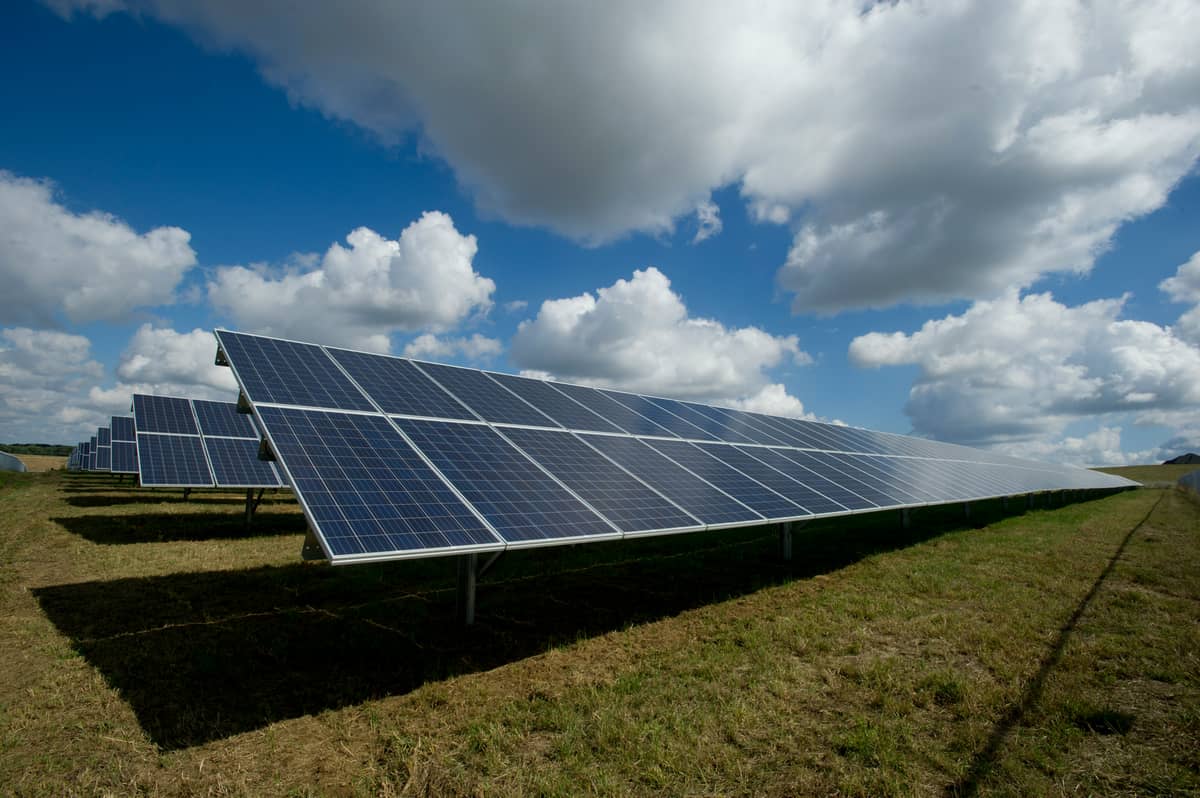
The Philippines holds a natural edge in solar energy, thanks to its year-round abundance of sunlight.
As the US Department of Energy describes it, “community solar” is a model where a shared solar installation supplies multiple users, who either subscribe or own shares in the system and receive credits in proportion to their share. It allows many households to benefit from one installation, rather than requiring every roof to carry its own.
There are already examples that show the principle can work here. MSpectrum, a subsidiary of Meralco, has partnered with local communities on shared solar initiatives that reportedly reduced residents’ electricity bills by up to 30 percent.
Instead of each household needing its own 20 to 30 sqm of solar panels, a subdivision of 50 homes could combine demand into a shared system requiring approximately 1,000 to 2,000 sqm. This could be accommodated through clubhouse roofs, covered parking or a small centralized solar facility.
Incorporating sustainability at scale
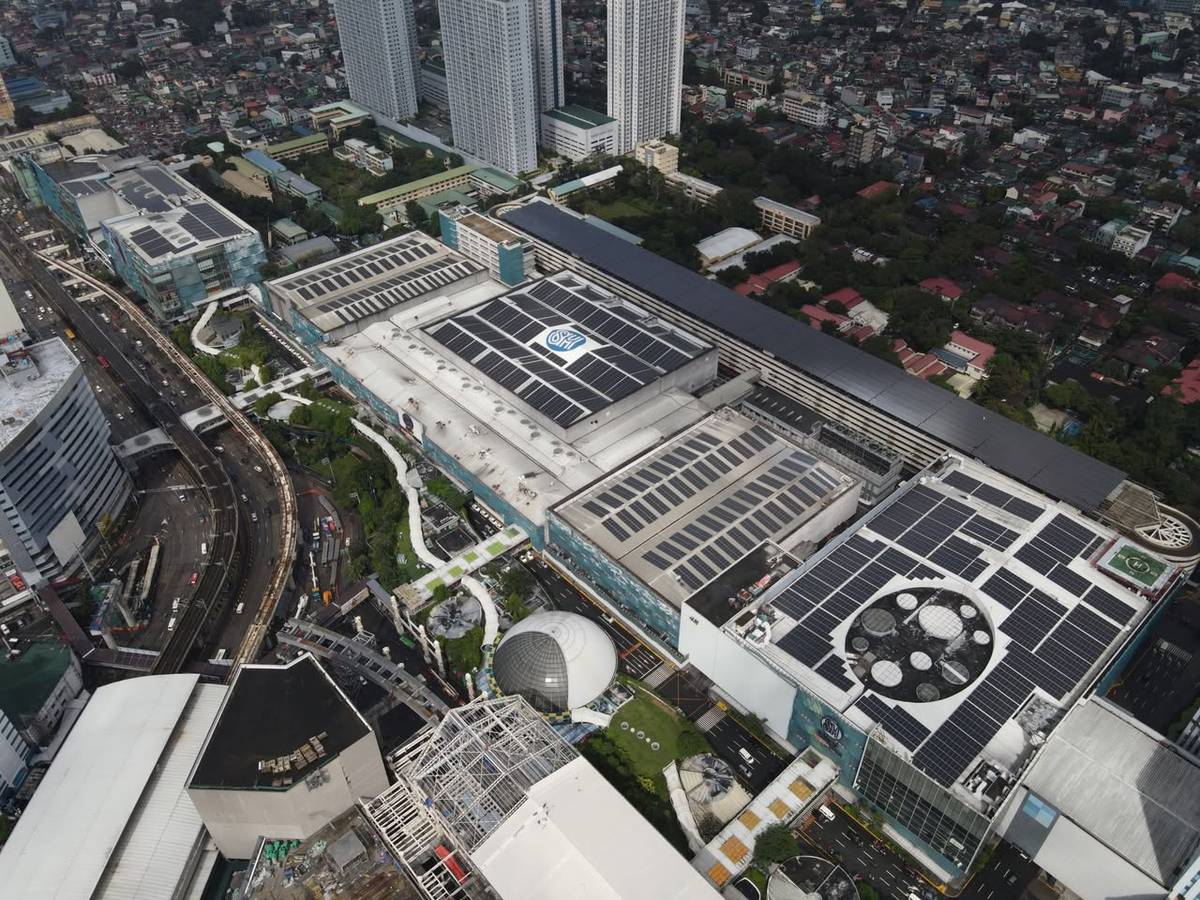
Developers of new subdivisions and condominiums can embed this model into their projects as core infrastructure, much like roads, drainage, or water supply. Projects that integrate shared solar systems can command stronger demand and prices as buyers increasingly value long-term savings and protection from rising utility costs. The government can make these systems more accessible through incentives, financing and integration into public housing and local development programs.
Architects and engineers can design structures with roofing designs optimized for this through orientation, load-bearing and integration into the building’s electrical system. Buildings are no longer passive consumers but partial producers of energy.
Hopefully, renewable energy can become accessible to everyone as it can be designed and optimized just like any other part of the built environment.