
Phl turns summit into economic power play


PRESIDENT Ferdinand R. Marcos Jr., (center) was joined by Cambodian Prime Minister Hun Manet (left), and Thai Prime Minister Anutin Charnvirakul, in delivering their statements following a trilateral meeting during the ASEAN Summit in Mactan, Cebu last week.
The Philippines used its hosting of the 48th ASEAN Summit to position itself as a key diplomatic and economic player in Southeast Asia amid rising global uncertainty.
Over several days of meetings in Cebu, the Marcos administration pushed a wide-ranging agenda spanning energy security, trade, maritime cooperation, regional diplomacy, and sustainability, while navigating the economic fallout of the escalating Middle East conflict.
President Ferdinand Marcos Jr. led ASEAN discussions calling for stronger regional coordination as oil prices, supply chains, and food systems came under pressure from tensions involving Iran, Israel and the United States.
The summit resulted in ASEAN moving toward a regional fuel reserve system and accelerated talks on the ASEAN Power Grid, a long-standing proposal aimed at interconnecting electricity networks across Southeast Asia.
“What we talked about was a fuel reserve,” Marcos said. “So when something like this happens again, there is a reserve that we can all avail of.”
The Philippines also secured broad support for a proposed ASEAN Maritime Center to be based in the country, aimed at strengthening maritime coordination, navigation safety, anti-smuggling operations, and regional cooperation in the South China Sea.
At the same time, Manila used the summit to deepen economic ties with Europe.
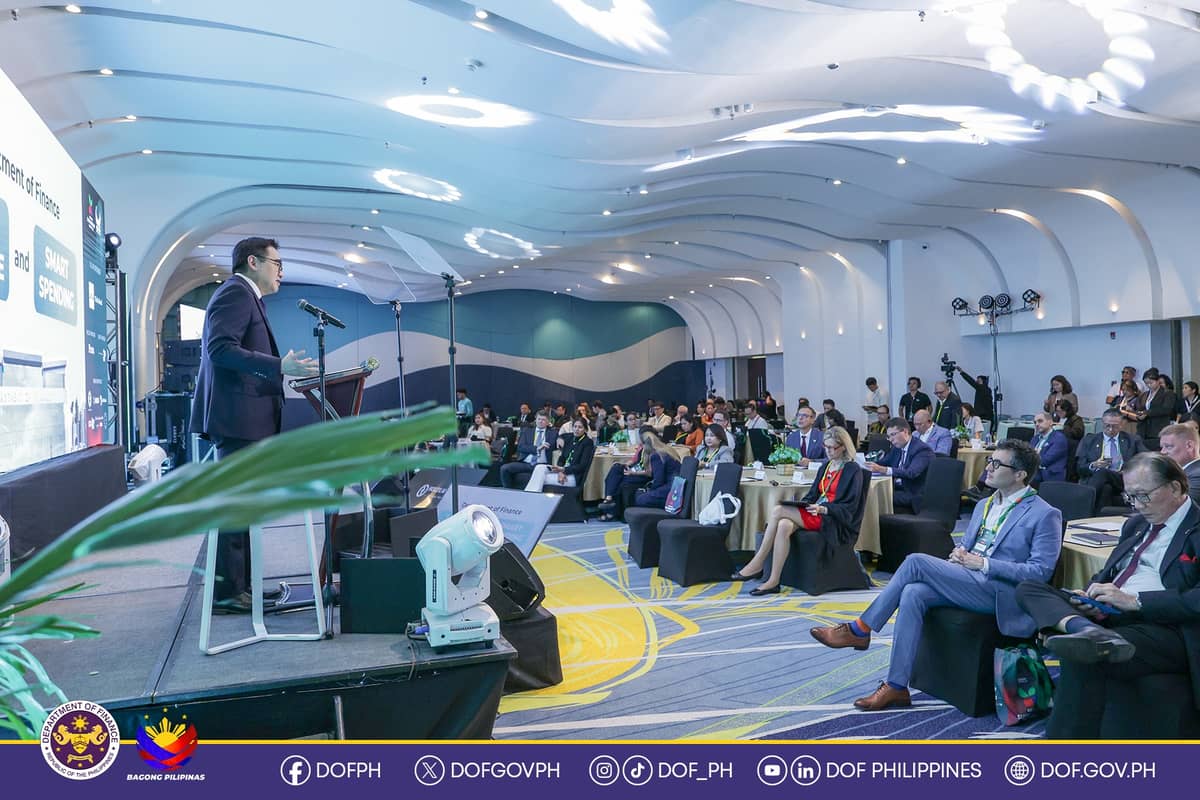
THE Philippine government is reaffirming its commitment to fiscal discipline, open markets, and stronger European Union-ASEAN ties, according to Finance Secretary Frederick Go in a speech during the ASEAN-EU Sustainability Summit 2026, as part of the 48th ASEAN Summit and Related Meetings in Mactan, Cebu last week.
Finance Secretary Frederick Go said the government is targeting the signing of the EU-Philippines Free Trade Agreement by the third quarter, calling it the country’s “most important economic agreement this year.”
The agreement is expected to boost exports, attract investments, and strengthen cooperation in renewable energy, digital infrastructure, and sustainability projects.
European business leaders attending the summit also acknowledged the Philippines’ growing attractiveness to investors, particularly in renewable energy and digital industries, while urging the government to improve execution and reduce bureaucratic bottlenecks.
“We have a very good relationship with the government when it comes to policies,” said Paulo Duarte, president of the European Chamber of Commerce of the Philippines. “Where we see areas for improvement is on the execution side.”
The summit also highlighted the Philippines’ growing role as a regional diplomatic broker.
Marcos hosted a trilateral meeting between Cambodia and Thailand aimed at easing border tensions, with both sides agreeing to continue dialogue and confidence-building measures.
“It is time for peace and no longer the time for war,” Marcos said.
Beyond diplomacy, officials also pushed long-term initiatives tied to sustainability, workforce development, and regional resilience, including renewable energy expansion, AI readiness, and supply chain diversification.
For the Marcos administration, the summit became an opportunity to position the Philippines at the center of ASEAN’s conversations on trade, security, energy, and the future of regional cooperation.