
‘Sa weekend na lang ? Maybe that’s enough’
Health experts suggest that the so-called ‘weekend warrior’ approach can still deliver meaningful benefits for both body and mind.

In a life that rarely slows down, health may depend less on perfect routines — and more on simply finding a way to move.
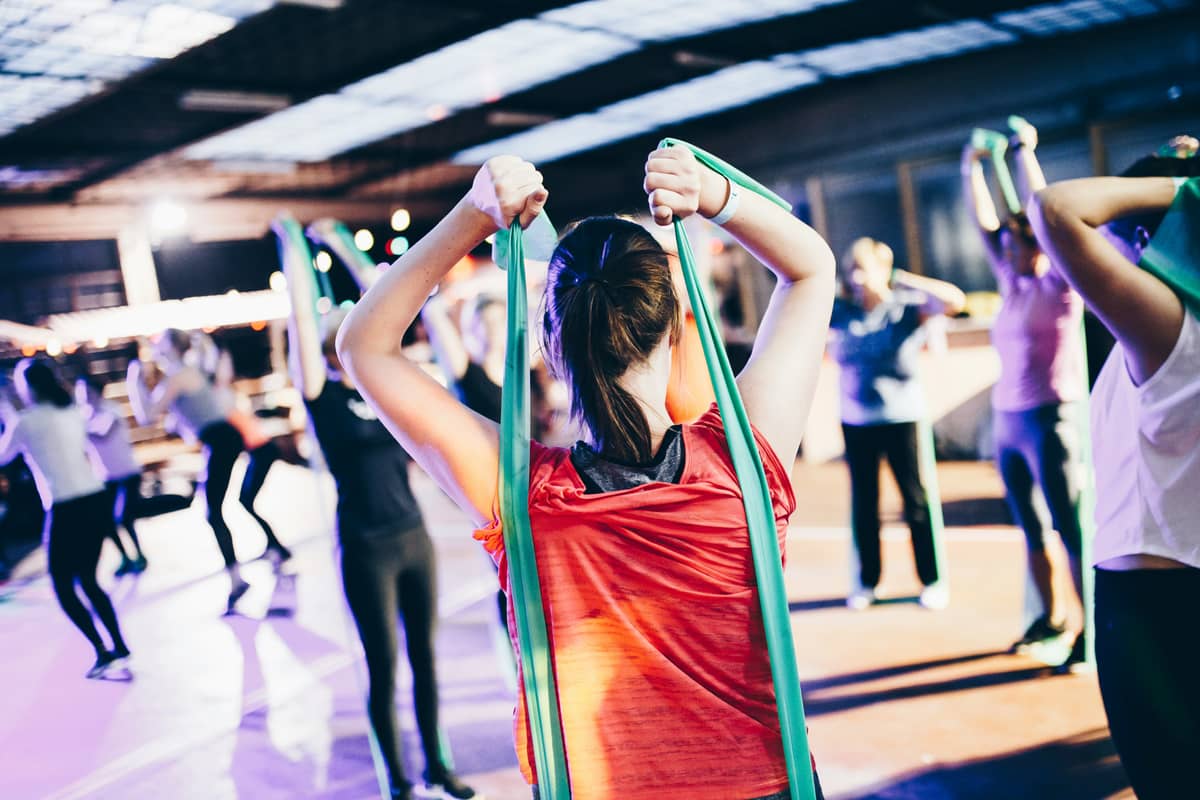
HEALTH doesn’t always come from perfect routines.
PHOTOGRAPH courtesy of geert pieters/UNSPLASH
The Metro Pacific Tollways Corporation (MPTC) Tour of Luzon 2026 rolled out of Calatagan last 29 April with its usual warning: this is not a race for the faint-hearted. Fourteen stages. Five regions. Thirteen provinces.
Across Luzon’s climbs and coastlines, elite cyclists from around the world face what the Philippines does best — long roads, steep ascents and heat that does not let up. It is a test not just of power, but of patience. Of strategy. Of will.
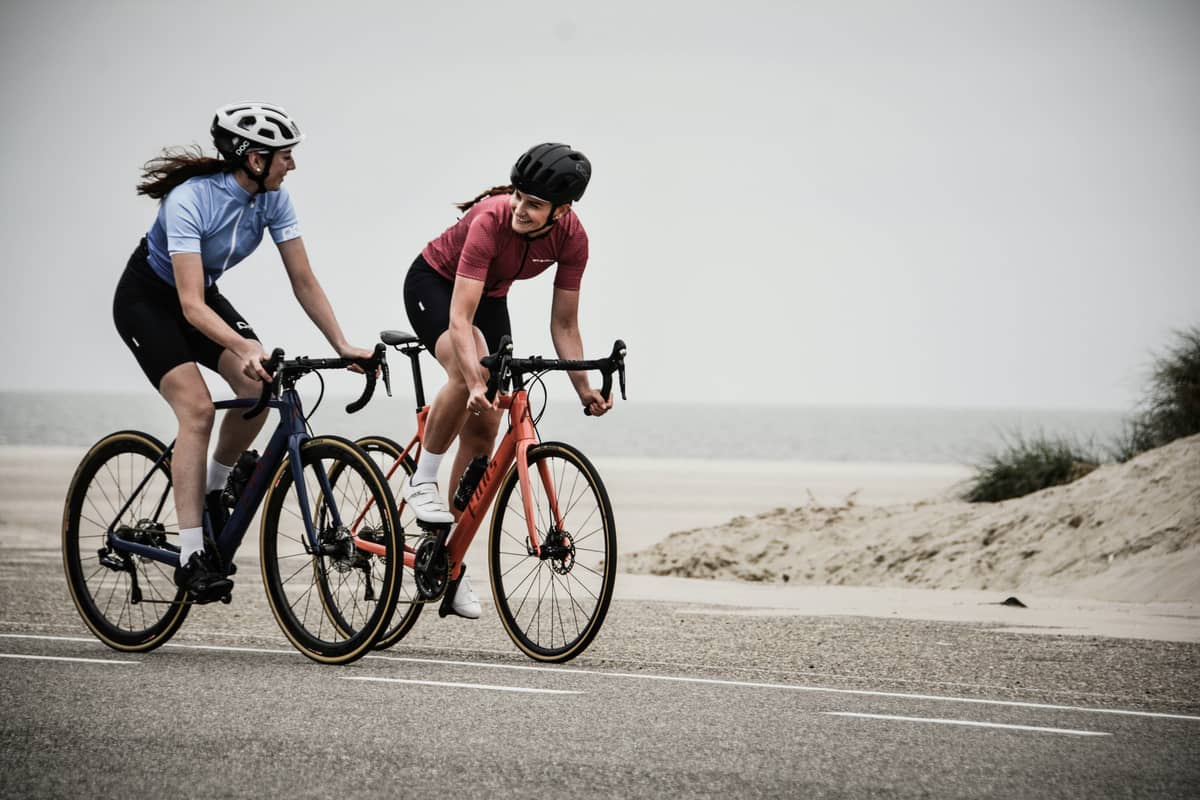
CYCLING is a discipline in motion.
PHOTOGRAPH courtesy of coen van de broek/UNSPLASH
At the start line, every rider looked ready — lean, disciplined, built for the grind.
Which makes the rest of us wonder. Why is it so hard to move?
Not a mountain stage. Not 100 kilometers. Just… move.
A weekday workout is often the first thing sacrificed. Work runs late. Family calls. Traffic drains whatever energy is left. By the time the day ends, the intention is there, but the body says no. So we tell ourselves: “Sa weekend na lang.”
And maybe, that’s not failure. Maybe that’s adaptation.
The idea of the “weekend warrior” used to sound like compromise. But emerging evidence suggests otherwise. What matters most is not how often you move — but whether you move enough.
Health experts suggest that the so-called “weekend warrior” approach can still deliver meaningful benefits for both body and mind. The Wellness Center physicians of Cardinal Santos Medical Center (CSMC) recommend at least 150 minutes of moderate-intensity physical activity per week. For some, that’s 30 minutes a day. For many Filipinos juggling work, family, and everything in between, that kind of structure is unrealistic. Life does not always run on a training schedule.
So we compress. A long ride. A pickup game of pickleball with friends. An intense session at the gym squeezed into a Saturday or Sunday. But perhaps, these concentrated bursts of activity may be more effective than we once thought… Is this you?
But the science is catching up to real life.
Research continues to show that concentrated activity — done once or twice a week — can deliver comparable benefits to more regular patterns. Cardiovascular health improves. Risks for chronic diseases decline. The body responds, even when the schedule isn’t perfect.
In other words: hindi kailangang perpekto. Kailangan lang tuloy-tuloy (It does not have to be perfect. It just needs to be consistent).
Especially as we get older.
Because at some point, fitness is no longer about performance. It becomes about preservation — of mobility, of independence, of the ability to keep showing up for the life we’ve built.
We may never ride like the athletes crossing Luzon today. But movement does not have to be heroic to be meaningful. A bike ride. A long walk. Time spent being active instead of still. These are small decisions that accumulate, quietly shaping health over time.
The cyclists will finish their race.
The rest of us are in a different one.
And the real question isn’t whether you can keep up with them.
It’s whether you’re keeping up with yourself.
Because feeling “okay” is not the same as being well. And the body has a way of keeping score — silently, patiently — until one day, it doesn’t stay silent anymore.
Are you healthy…really? Get checked and find out, before it’s too late. Yes, even if you exercise. Schedule your executive check up… now.
And move when you can. However you can. Weekend or weekday, perfect plan or not.
Just don’t wait for your body to force the conversation.