
REVIEW: ‘THE DEVIL WEARS PRADA 2,’ the end of an era in style
Funny, heartbreaking and melancholic, the sequel doesn’t feel like a cash grab, but an earnest and necessary sequel that doesn’t waste time in mimicking the first one.


If you fear that the sequel will tarnish the 2006 icon you hold dear, fear not. At most, you may find yourself exhaling in relief. I am not even a massive fan of the first, though I did read Lauren Weisberger’s book on which it was based, and yet its status as a classic is beyond dispute.
But I appreciate this successor more (not based on the second book). Call it personal taste, but I loved how the sequel adopts a more morose, almost melancholic tone, in contrast to the first film’s cattiness and snappy comedy.
The sequel relies on convenient plot devices, and some characters still skirt the edges of being one-note. Yet the storytelling, propelled by brisk pacing, is engaging.
Those who grew up poring over glossy pages, who understood the singular authority of magazines, of Vogue clearly mirrored here in Runway, with Miranda Priestly as its Anna Wintour figure, will definitely feel its pull. After all, the first movie, adapted from Weisberger’s bestselling novel, drew from her time as an assistant to Wintour, then editor-in-chief of Vogue (towards the end, there’s a meta element related to this, a wink that is hard to miss).
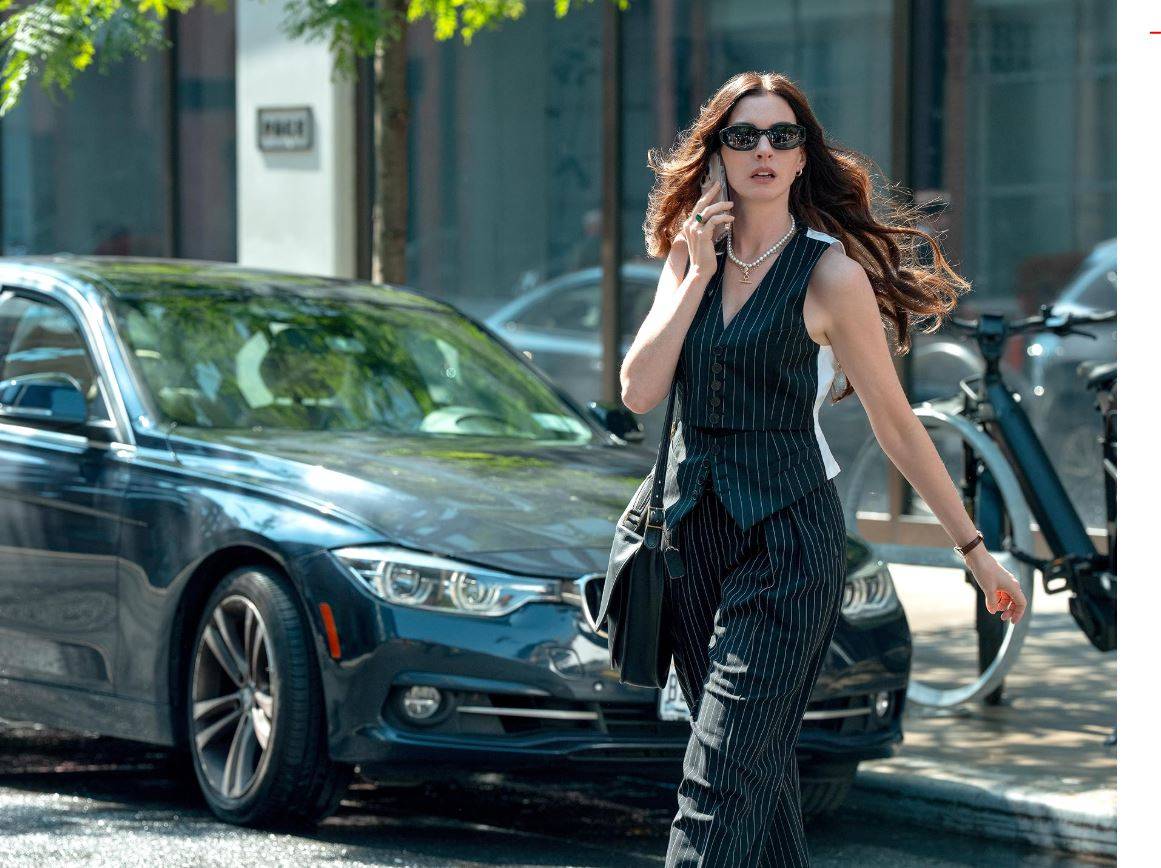
ANNE Hathaway
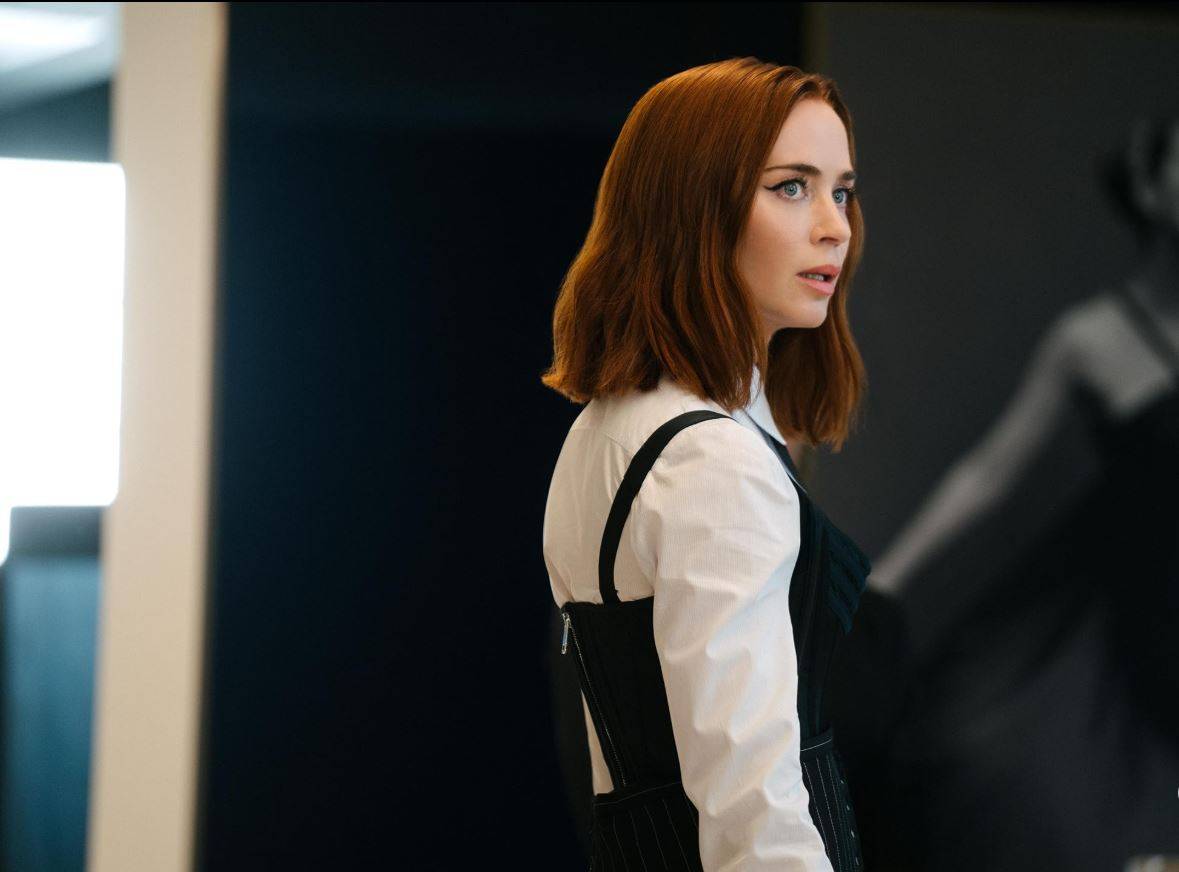
EMILY Blunt
PHOTOGRAPHS COURTESY OF 20TH CENTURY STUDIOS
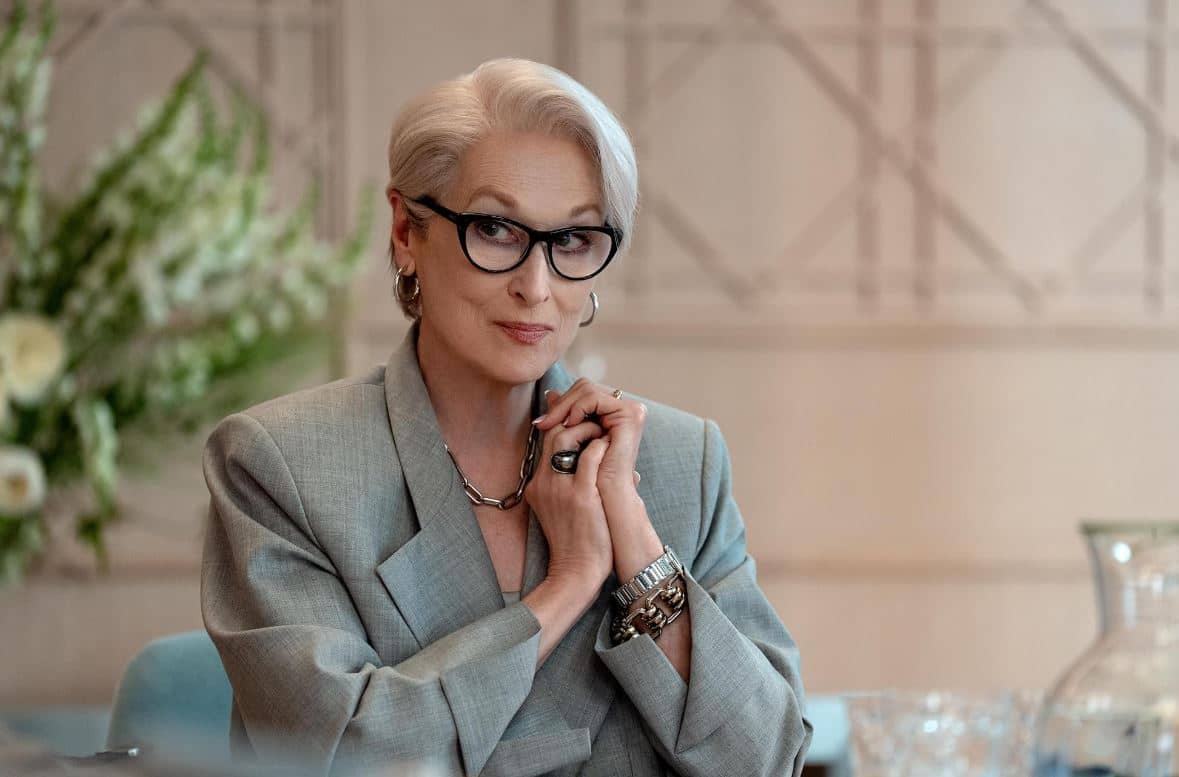
MERYL Streep
So, in Prada 2, with returning director David Frankel and screenwriter Aline Brosh McKenna, we reunite with Andy Sachs, Priestly, Nigel and Emily, still embodied by Anne Hathaway, Meryl Streep, Stanley Tucci and Emily Blunt. 20 years have passed, and nothing could be a more topical theme than today’s quick-scroll era, which Justin Theroux’s Benjie Barnes character aptly describes: “The future coming at us like lava at Pompeii.”
In fact, the movie plays almost like a document of a fading era. Journalism and magazines now face an uncontrollable revolution. Resist or serve. The movie captures this of “atomic content” and the dying “full-page spread,” with the fashion authorities — the singular, almost regal arbiters of taste — yielding to a flood of self-appointed gurus.
But the film cleverly balances the pros and cons of the new era. The “devil” no longer commands unquestioned reverence. Well, she cannot afford to. She is pushed toward a kind of humility by the industry’s upheaval. The ludicrous budgets, the luxury, the privileges that once defined editorial power, especially at a place like Runway, now feel precarious — almost absurd in retrospect.
Here, we become Andy Sachs — though her life is implausibly fairytale existence. A journalist with a stunning New York apartment and a prince charming with green flags? Unbelievable. Still, through her, we hold on to Priestly’s legacy, perhaps recalling what many felt when Wintour stepped down as EIC of Vogue.
Prada 2 becomes a commentary on the present moment, where ten-second reels eclipse deeply reported stories. Storytelling, influence, expertise, even passion now belong to anyone with a smartphone. Traditional media no longer stands as gatekeeper. Influence is democratized. It hurts. And for those of us who write for newspapers and magazines for a living, it feels unsettling.
The film portrays this shift with cynicism, but also with grief. You feel the heartbreak threaded through its depiction of print media’s erosion. Yet even as it acknowledges decline, it insists that real journalism still matters. It plays almost like a tribute, to magazines, to rigorous reporting, to the tactile permanence of hardbound memoirs that now risk becoming relics.
Andy is mildly irritating here with her messianic streak. It is Priestly that takes center stage, and Nigel earns our deeper affection. Emily, now a bigwig at Dior, is only likeable because of Blunt. Priestly, still capable of cutting cruelty, spews one of the film’s most brutal lines to her: “You’re not a visionary. You’re just a vendor.” It is harsh, but also true. The greats of any era may fade, but they were great for a reason. Anyone can curate an outfit, post an OOTD, gather followers. But vision is rare.
Visually, the sequel is a feast to the eyes. Lush cityscapes, sunlit skyscrapers, New York and Milan as living, breathing presences. The fashion dazzles. Stunningly structured blazers, Priestley’s unforgettable toreador jackets bedecked with tassels. And this reminds us that taste, curation, and artistry endure. Cameos from Gaga to Jon Batiste, along with a hilarious scene with Donatella Versace, add to the charm and the wistful atmosphere.
Funny, heartbreaking, and melancholic, the sequel doesn’t feel like a cash grab, but an earnest and necessary sequel that doesn’t waste time in mimicking the first one. It stands on its own, confident enough to tell a new story, even as it looks back at what has been lost.
3.5 out of 5 stars
Now showing in the Philippine Cinemas