
‘Devil Wears Prada’ and journalism: Facts vs fiction
It’s not a sin to enjoy your job. Just because you’re having fun as a fashion and lifestyle journo doesn’t make you less of a journalist. As Miranda Priestly puts it, ‘I just love my job!’


Cue in: “Vogue” by Madonna.
Call it a Miranda Priestly kind of arrogance, but I can confidently say that among the hundreds that saw the film first in the Philippines last Saturday in Gateway Cineplex 18, I'm among the very few that is living the real Devil Wears Prada 2 kind of life.
My first job was with a non-profit organization, which I loved, but I had a Miranda kind of boss who, after finding out that I was studying fashion, told me I’d never be a fashion editor because I was poor, so I better kill my dream and shift to Sociology or Anthropology to serve mountain tribes. I was writing an article when she said it, and though there’s nothing wrong about Sociology, Anthropology and working with tribes, it was not my dream, so I erased my article and, in its place, I printed a resignation letter and handed it to her without a second thought. I never looked back since.
Fast-forward to today: I'm almost the same as Andy, Anne Hathaway's character in Devil Wears Prada 2, now 20 years and counting as a journalist — mostly into lifestyle and fashion. Like Andy who returned to Runway, I, too, have returned to DAILY TRIBUNE. And the similarities don’t end there.
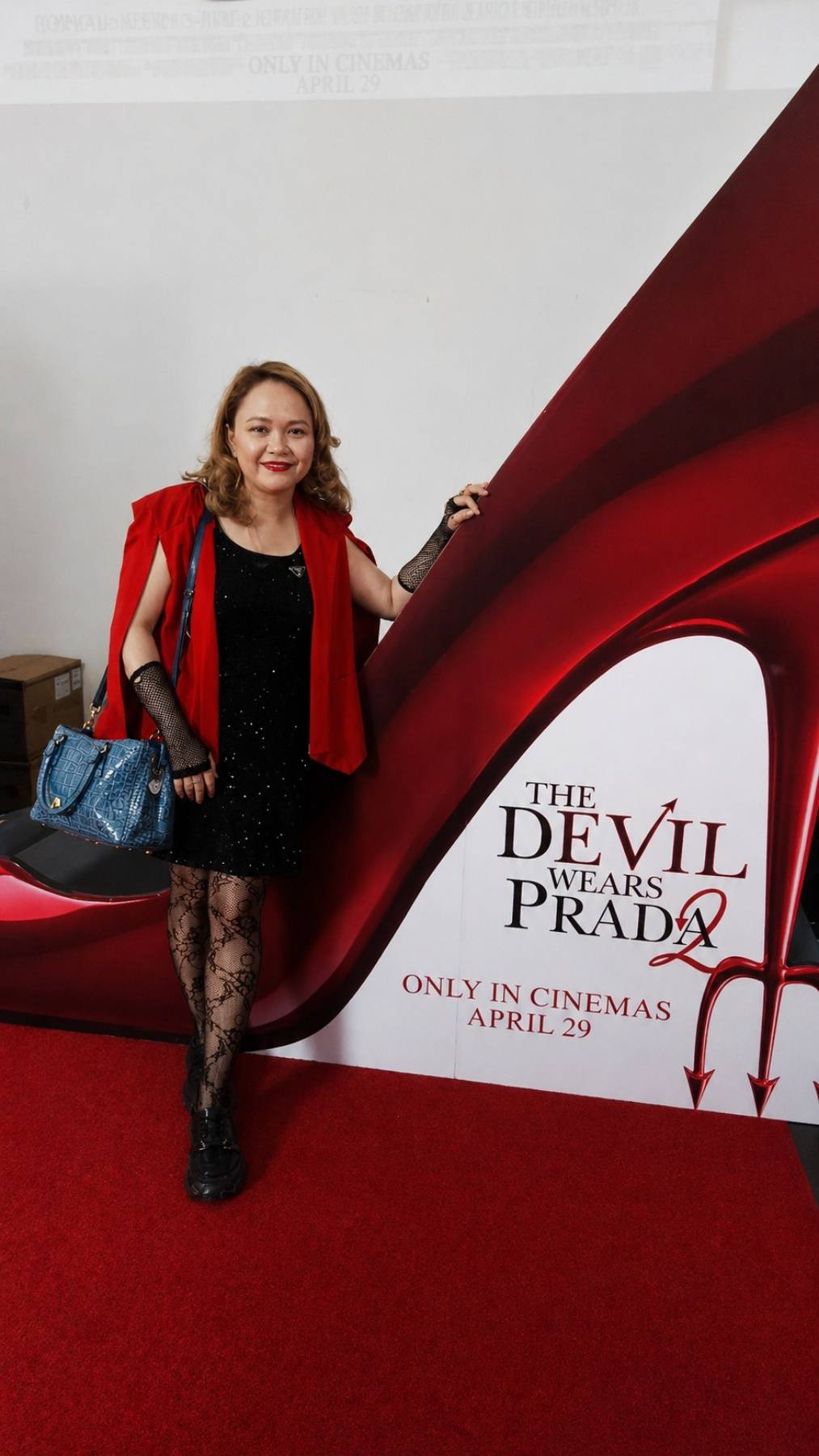
THE author wearing Prada black dress and carrying Prada bag at the ‘Devil Wears Prada 2’ premiere.
PHOTOGRAPHS BY DENI BERNARDO FOR DAILY TRIBUNE
Since college, I've worked with some of the country’s top lifestyle and fashion magazines as writer and editor; covered many fashion weeks both from front rows and backstage; interviewed so many in the fashion industry — from cover stars to behind-the-scenes heroes — that I published a book on it, Pormang Artista: 100+ Celebrities on Fashion and Style.
So based on my experience as someone who could pass as a character in Devil Wears Prada, how close is the movie to my life as a fashion and lifestyle journalist? Let me break it down point by point as raised in the film.
1. 'All girls would kill you for this job.'
Is my job really, as the movie says, something "everybody wants to have"?
Honestly, I've been told this many times — even by a "nepo wife" of a congressman who envied my job so much she enrolled in a writing course. Through the years, seasoned doctors, lawyers and influencers had been very curious about my job. “I know how to have many followers, but I can never write!” said one influencer.
There were actors and models that were so impressed by my interviews, they asked me for a date. A politician even offered to fly me in his private jet — but I told them all, I’m already “taken.” Still, some told me they’d exchange their riches just to have a taste of my life of interviewing and brushing elbows with stars.
After giving a talk to college students years ago, some of them ran after me, handing me their contact details on paper for me to call them should I need assistants — and they were offering their services for free!
So I guess this is really the kind of job that many people would die for — until recently, when it has become easier for anyone to be an influencer or vlogger that our job as lifestyle journalists has become less aspirational. Influencers compete with us not only in terms of attention but also advertising. And today, not only girls, but also artificial intelligence (AI) is killing us for our jobs.
Parties, luxuries, unlimited booze, always fashionable in the company of beautiful people — yes, these are causes for envy, but here’s what’s more that AI, vloggers and influencers don’t have: Our work as journalists gets clipped, framed, cited in academic research, accepted as evidences in court, displayed in museums and can even be engraved in our tombstones with honor and pride, unlike “vlogger” or “influencer.” You can say we’re all “content creators,” but there’s a big difference. You say we’re history, but the truth is, what we do is part of history. You can glamorize vloggers or influencers as “key opinion leaders” (KOLs) even if they don’t have sound opinions (or real influence) because the truth is, a KOL is just a glamorized term for “budget celebrity” or “because I can’t afford to hire a celebrity so I’d hire you instead.”
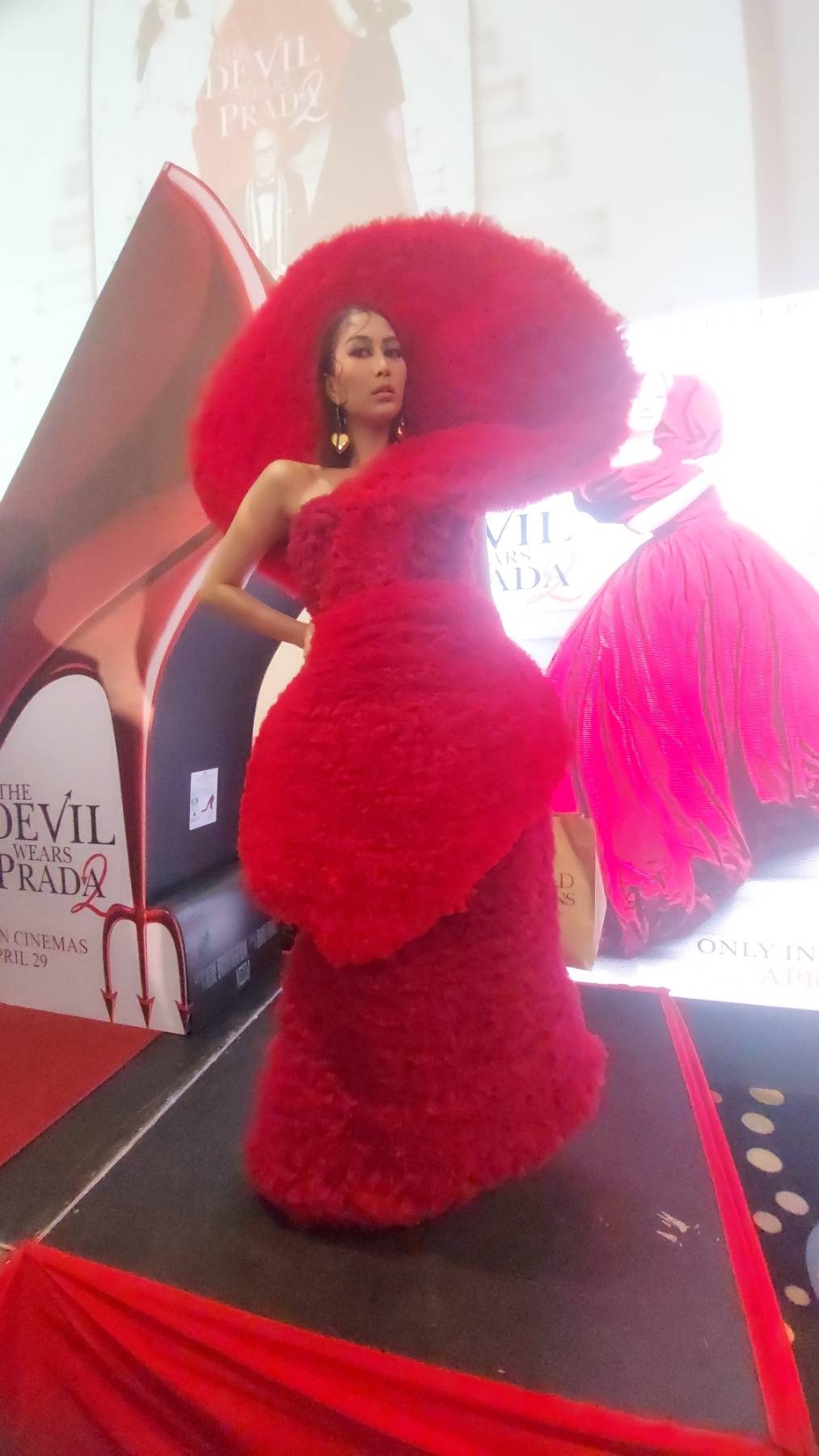
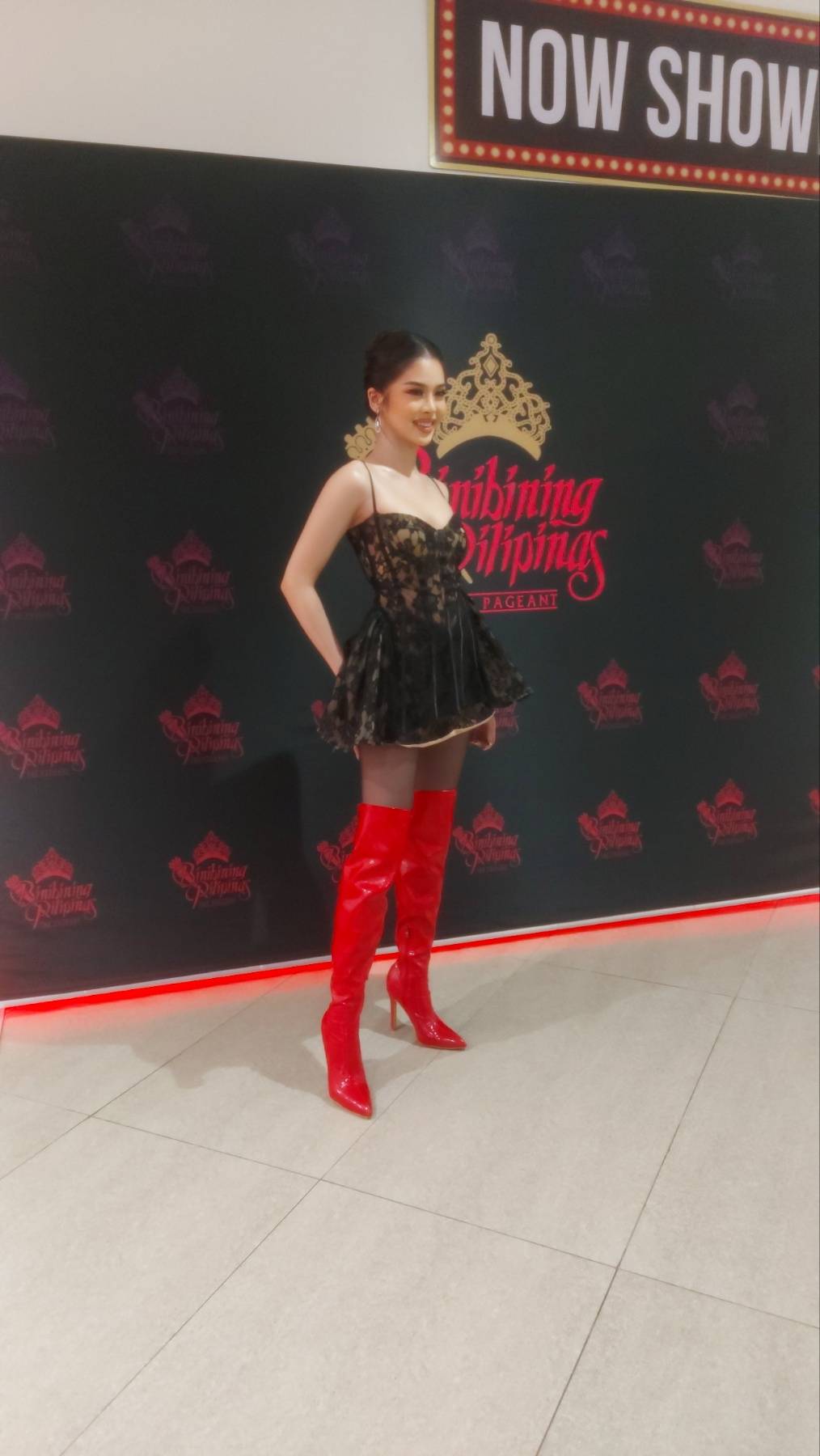
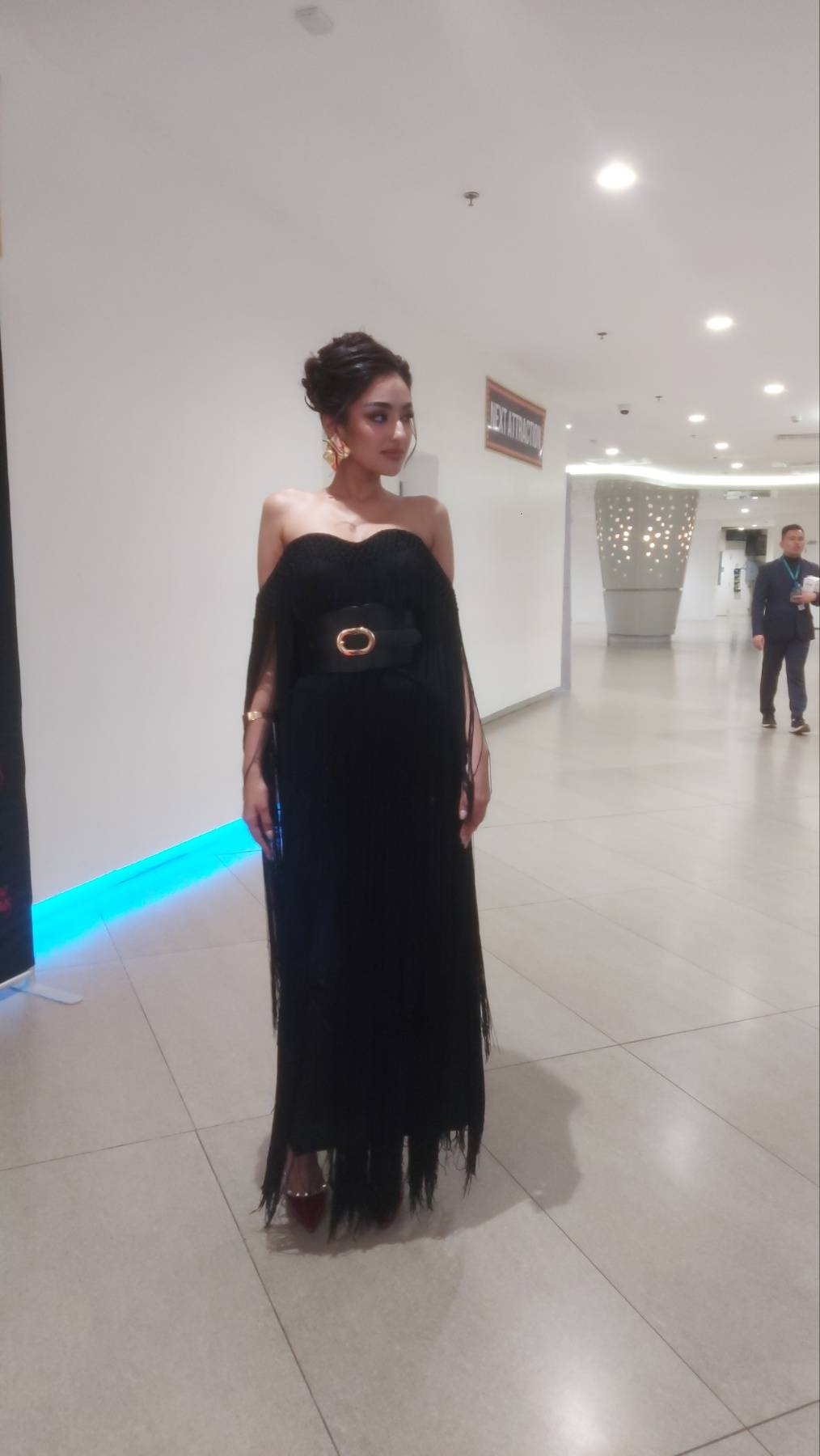
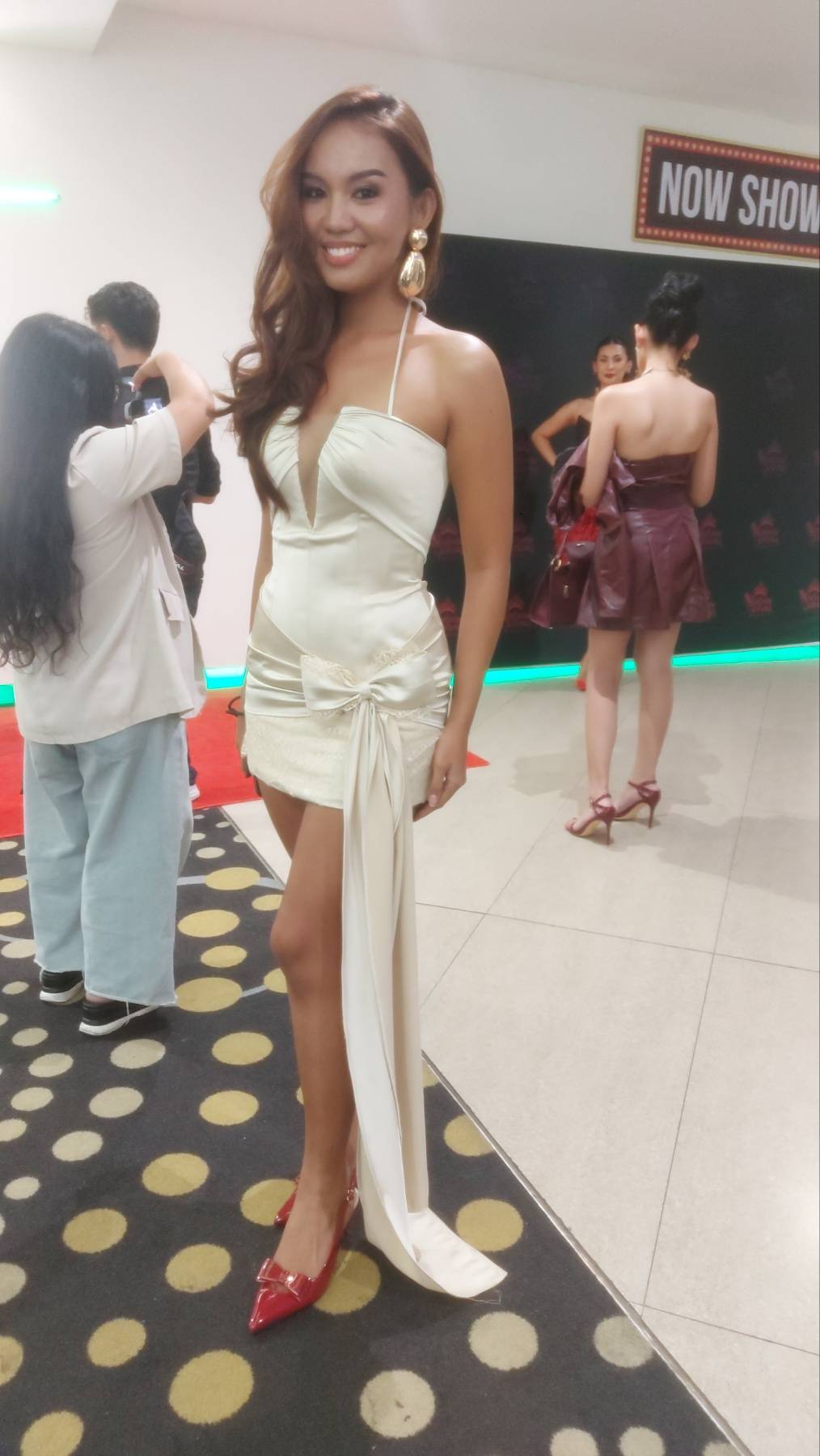
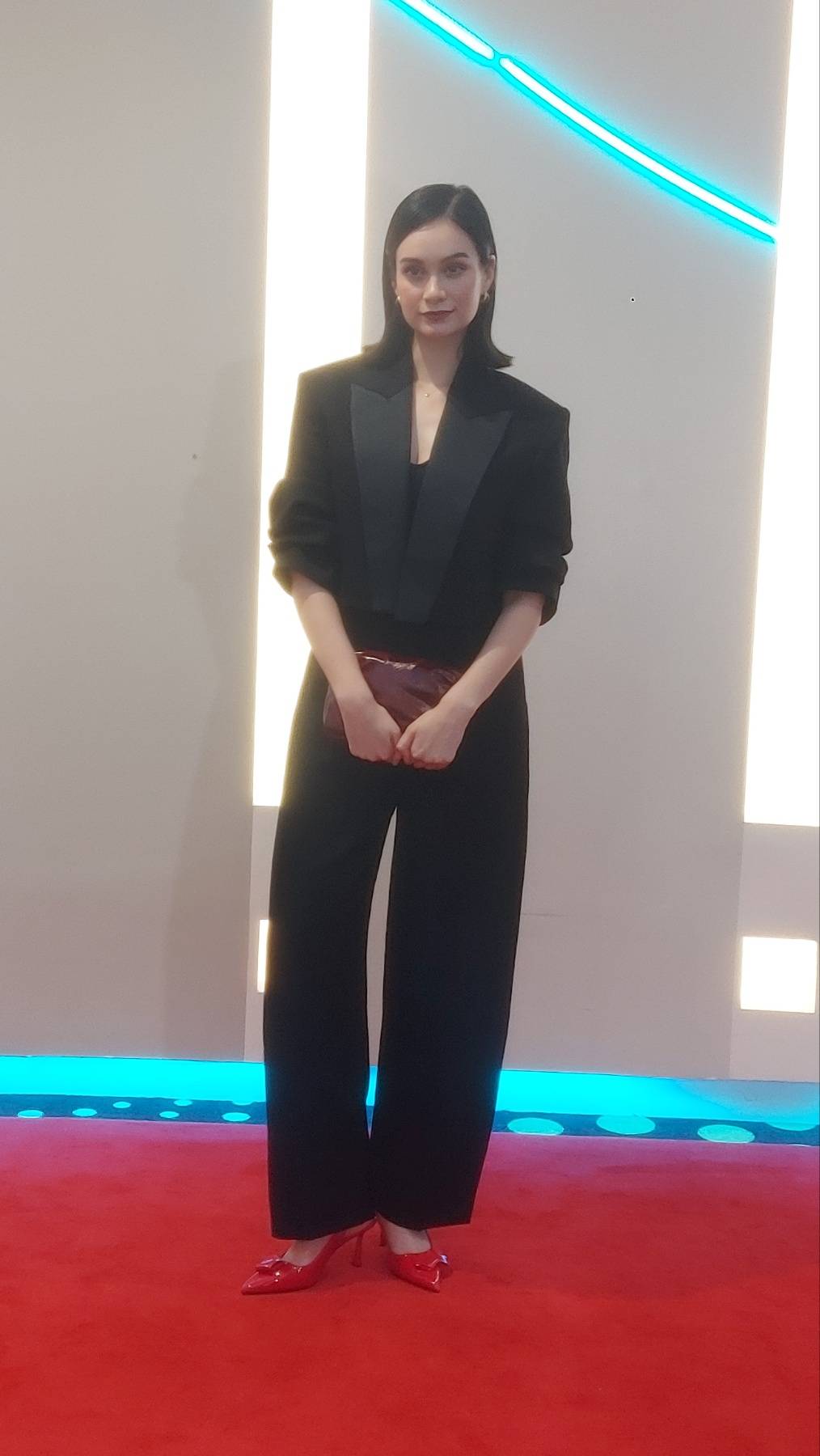
BINIBINING Pilipinas 2026 candidate channeling ‘Devil Wears Prada 2’ main character energy.
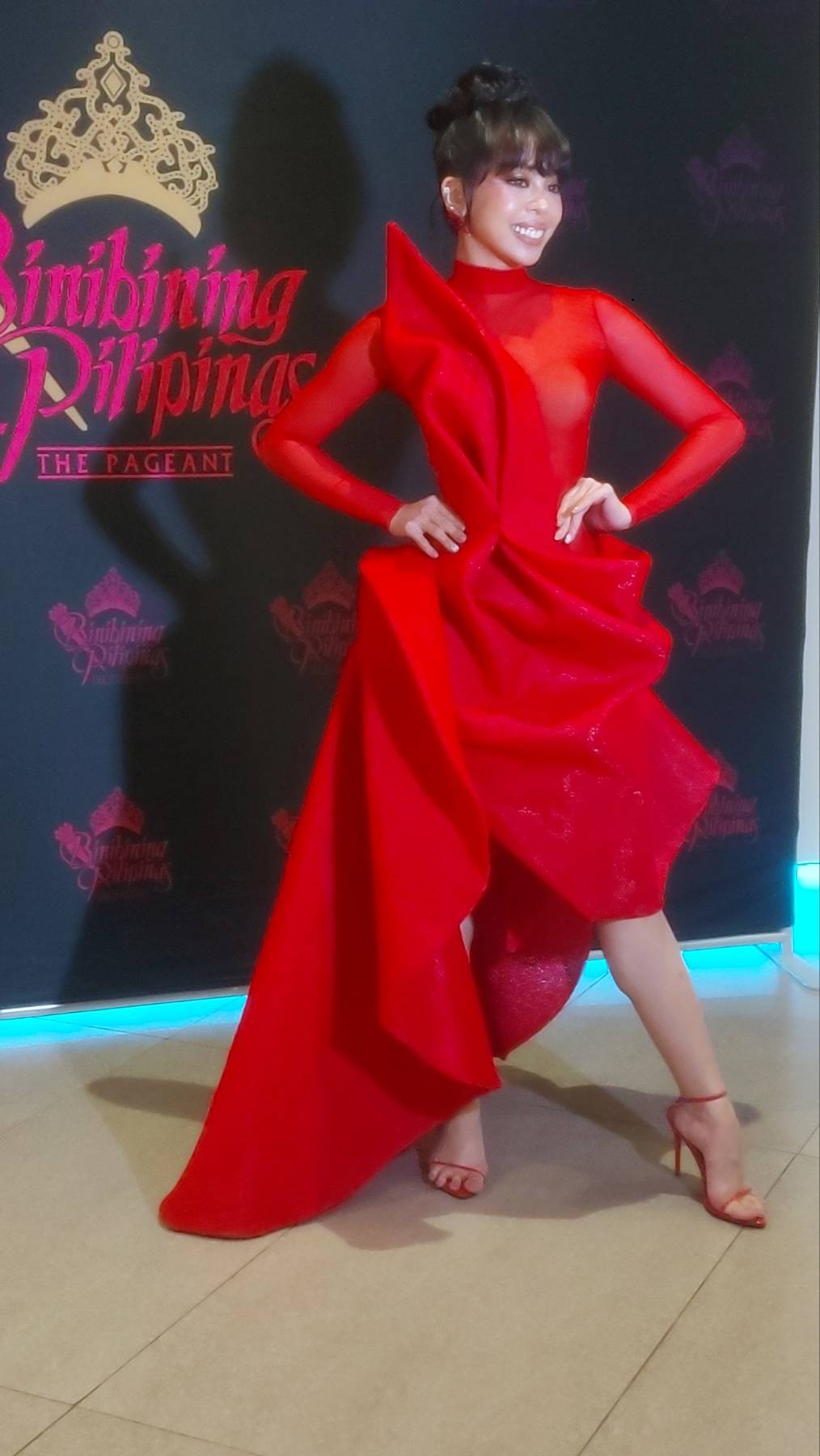
BINIBINING Pilipinas 2026 candidates.
2. 'Bitchin' is part of our job.
You really have to love journalism and fashion to last in this industry because it's really full of Miranda Priestlys from top to bottom — from publishers and advertisers to colleagues, fellow media practitioners and publicists. Many magazine people are too aloof they don’t mingle with journos from other media. TV cameramen typically shove other media using phone cameras and shout at anyone who gets into their frames — they think they’re the only ones working and entitled to good shooting positions. Some would even bump your head with heavy equipment without apology!
But you only bitch over people who deserve it. You don't bitch around all the time because not only it is bad for the heart; it makes you hard to work with, and you'd be out of job and of real friends. It's something we just do when the need arises -- "choose your battles" as we say in the industry, because if you're too kind or passive, you'd be a pushover and abused.
3. We could afford to live in the Hamptons or a posh New York apartment just from our salaries alone.
This is the biggest folly presented in Devil Wears Prada 2. The truth is, even if you're a corrupt journo, yes you get free personal trips every now and then or some money for whatever, but it won't be enough to sustain a luxurious lifestyle. To be like Miranda or just Andy, you ought to have many other higher-paying side hustles to sustain a wealthy home. Some of my lifestyle colleagues, for example, earn extra from business, content creation, public relations or business process outsourcing. News broadcast journalists are the ones who are paid high enough to live in the likes of Forbes Park. But never honest lifestyle journos who rely solely on salaries.
A friend, who works at the US federal government, secured data of salaries all over the world and told me that journos are underpaid anywhere in the world, even in the US where Devil Wears Prada came from. In reality, lifestyle editors only live the life if they are already rich in the first place or also receive dividends or stocks from the media company.
Like Priestly, some Philippine editors during the “golden age” of editors, around the time of Priestly or Anna Wintour’s youth, indeed received six-figure salaries and were showered with many other perks like assistants, private cars, clothing and shopping allowances, grand European vacations. I’ve heard of one who was also allegedly given a luxury penthouse in Makati.
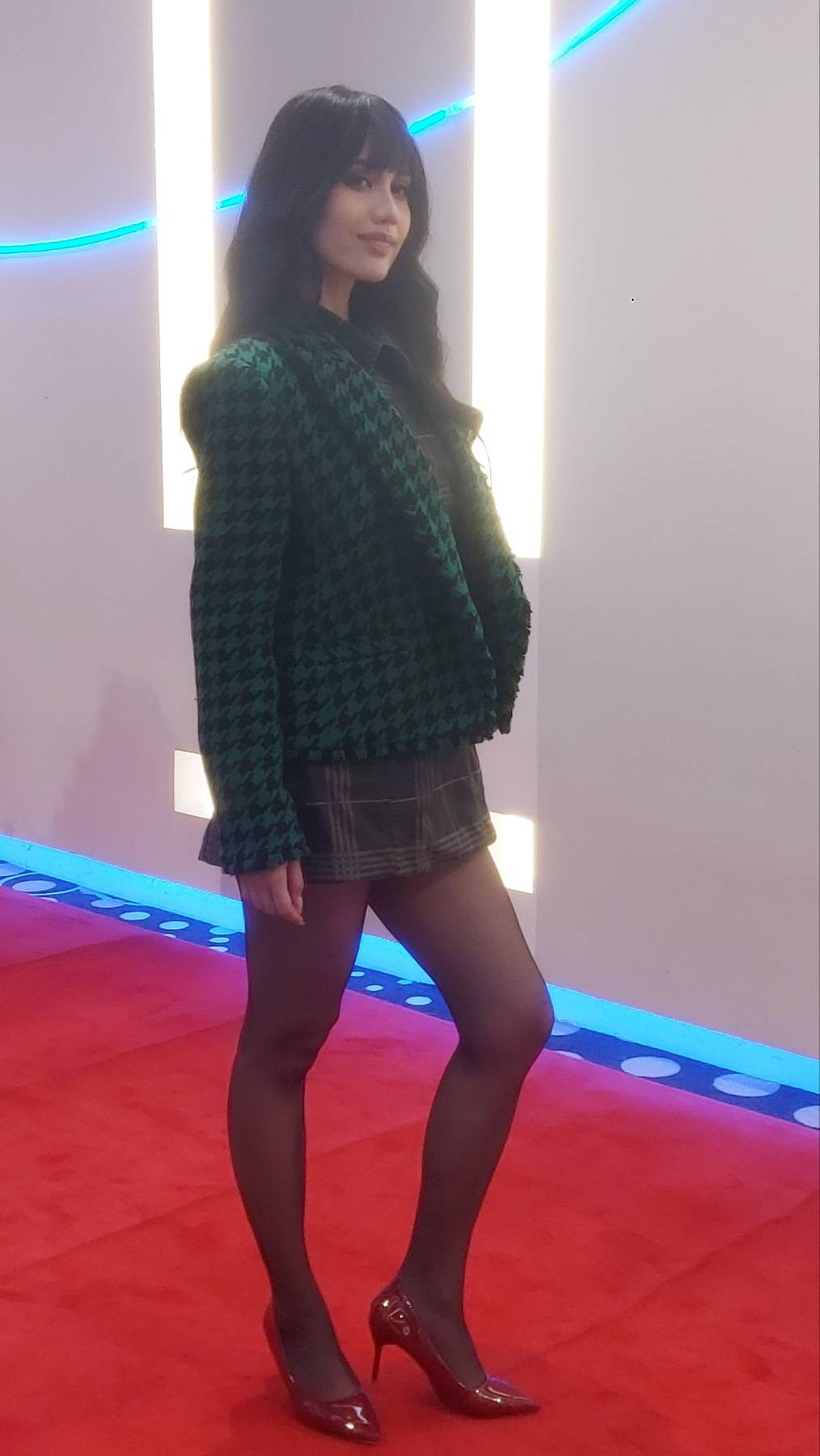
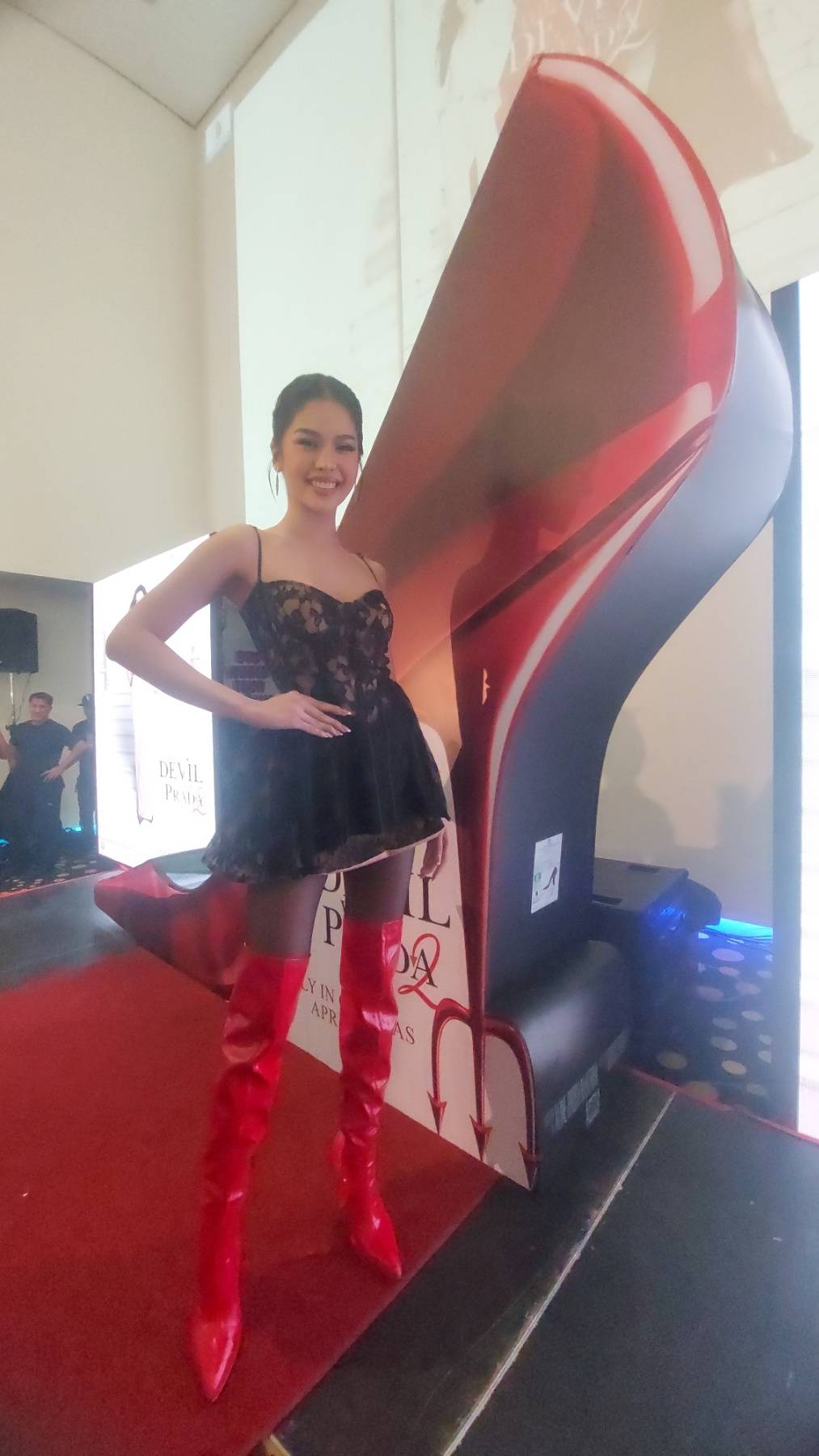
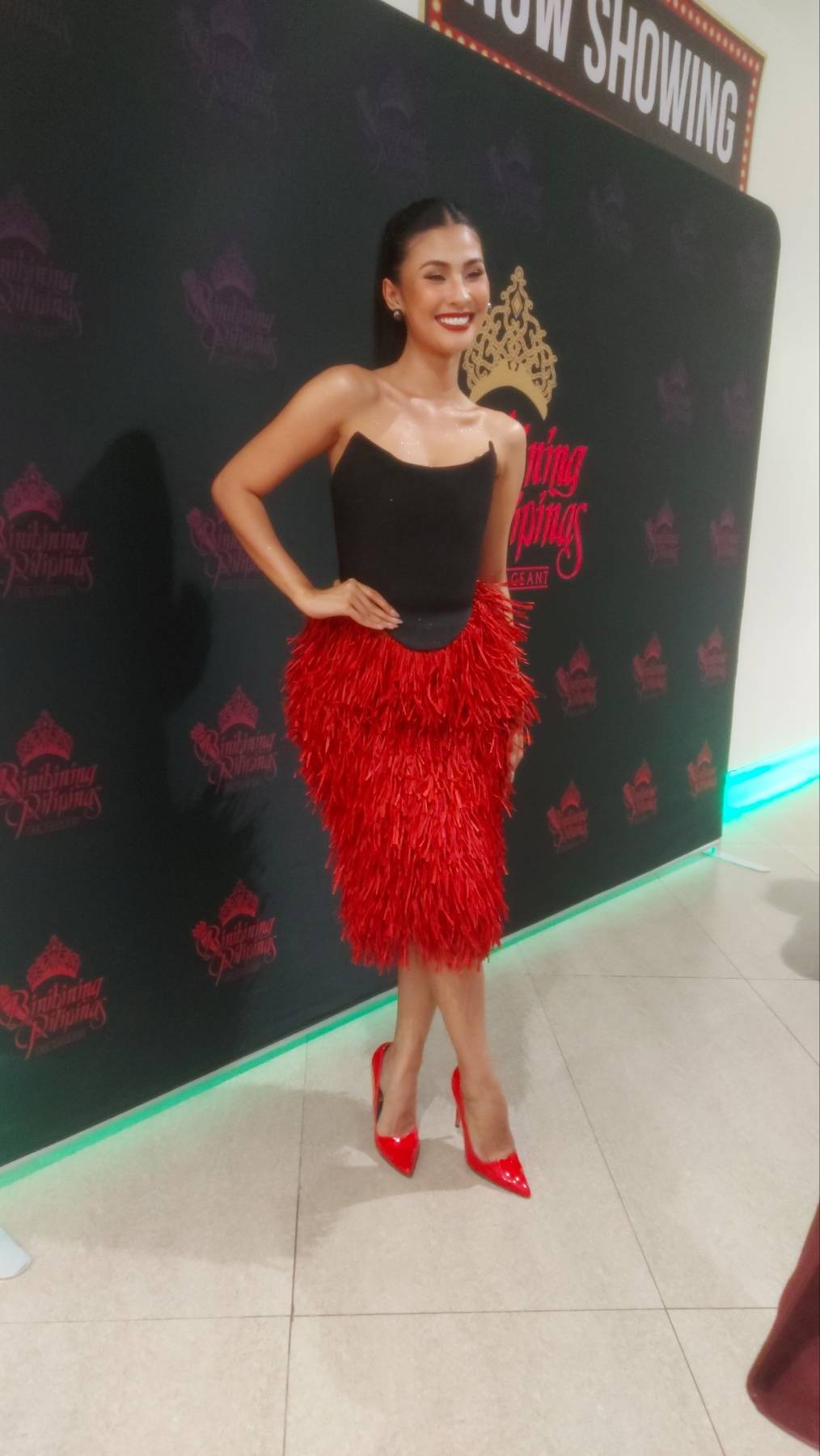
BINIBINING Pilipinas 2026 candidates and winner Hannah Arnold grace the red carpet of ‘Devil Wears Prada 2’ in Gateway Cineplex 18.
4. We have a walk-in closet full of designer stuff.
This may be true at Vogue, the inspiration behind Devil Wears Prada, and other fashion magazines abroad, but in the Philippines, the system is pulling out or borrowing what you need from the brand, piece by piece, and returning them after the photo shoot or event. So if you want to borrow from brands, it entails some paperwork and not as easy as pulling out of the closet. If you damage or lose something, you pay for it, it’s never free. I remember a friend quit his magazine job when he was asked to pull out and load in a Grab car Bvlgari pieces of jewelry worth P500 million for a fashion shoot!
Yes, fashion journos like us do get free samples sometimes, but these are for review and honest product development feedback. None of these are luxury goods like Prada.
I do have closets full of designer stuff — but most of them are from the ukay (thrift shop) or outlet stores from my travels abroad. Like Andy, part of my job is being a smart shopper, of course!
5. ‘Journalism still ‘effing’ matters!’
Thanks to Devil Wears Prada and its sequel, journalism, particularly lifestyle and fashion journalism, are given validation, which is important because sadly, even some of our peers from news look down on us, telling Journ students that lifestyle and entertainment are not “legitimate” journalism. There were those from hard news that treated being transferred to our beat as an insult. They think our work is easier and less essential than theirs in news; that we're just "puro pasarap" or more play than work, and that we’re “corrupt” just because we review fun stuff.
These aren’t true and are very hurtful because like any journalist, we studied at reputable universities and graduated from courses about our craft; some of us even with highest honors — not all of us are bored rich kids or COOs (children of owners) cherry-picked to become editors out of privilege or whim.
We do extensive research, fact checks and also face consequences like libel, trolling and bashing. Actually, after a feel of these pain points, very few lifestyle interns pursue full-fledged lifestyle journo careers. The honeymoon is over; their jaded eyes shutter after realizing it isn’t easy or glamorous being shouted at by diva photographers, feeding impossibly diet-conscious models, or pooling funds for a photo shoot.
As it’s said in Devil Wears Prada 1 and 2, our imaging or personal branding, relationship with stakeholders most especially advertisers (ads are the lifeblood of media), and most of all, integrity and social responsibility, are very crucial for our longevity in our job.
So I always challenge these very insecure hard news journos, if you think what I'm doing is easy, then go ahead, take over my job, because I can confidently write and cover their beat and other beats but they can’t do mine! That’s because some journos are so introverted, anxiety attacks kick in before they could scoop a good story from a “shallow” fashion event. How would they know the right people to interview or the best questions to ask if they don’t even know how to dress up or act properly for the occasion?
Fashion, dressing up and most especially taste are not something you could learn overnight. It's true what's implied in Devil Wears Prada 2 that even if people have their Harvard MBAs or are Ivy League summa cum laudes doesn't make them automatically qualified to become fashion journos. Because to be one means that in addition to writing, editing, styling, an eye for images and even partying requires particular social skills, you must have L’art de vivre (the art of living) and good taste that have become as natural as breathing — just like how sports writers know game rules, or business reporters the stock market performance.
As a lifestyle and fashion journo, you don’t only write about the good life — you live it in your own terms — to be credible and to make your stories authentic. If we’re doing our job right, we’re not only feeding our audience with what’s aspirational, but more importantly, what’s essential and inspirational — becoming a beacon of hope in this very broken world. I bet if people only had hard news and no lifestyle, entertainment and fashion, they’ve gone mad or died of boredom!
So if you’re not living the L’art de vivre yourself, as a journo, how can you empathize and confidently interview your sources, from the rich and famous to anyone from all walks of life, right? Our authenticity as journos makes our job stand out, still relevant and irreplaceable even by AI, as also implied in Devil Wears Prada 2.
In my talk with college students, among my fellow speakers who were hard news agency heads and investigative journos, I’m the only one who said, “It's not a sin to enjoy your job. Just because you’re having fun as a fashion and lifestyle journo doesn’t make you less of a journalist.” As Miranda Priestly aptly puts it, “I just love my job!”
It has been truthfully depicted in Devil Wears Prada 2 that journalism has been constantly challenged. But from ancient Rome’s stone tablets to today’s electronic tablets, the profession has weathered any storm and any form of government. So for naysayers, here’s a spoiler: In the end, journalism wins!