
Weaving stories of heritage
‘In this chaotic world, culture and art are becoming forms of revolution,’ he said. ‘Every country is proud of its heritage. That’s how we should be speaking about ours.’


In the evolving world of fashion, where trends change by the season, some designers choose a different path — one that looks not only forward but also deep into the past. Filipino fashion and textile designer Joseph Aloysius Montelibano belongs to that rare group of creatives who treat fashion not merely as clothing but as a vessel for culture, memory, and identity.
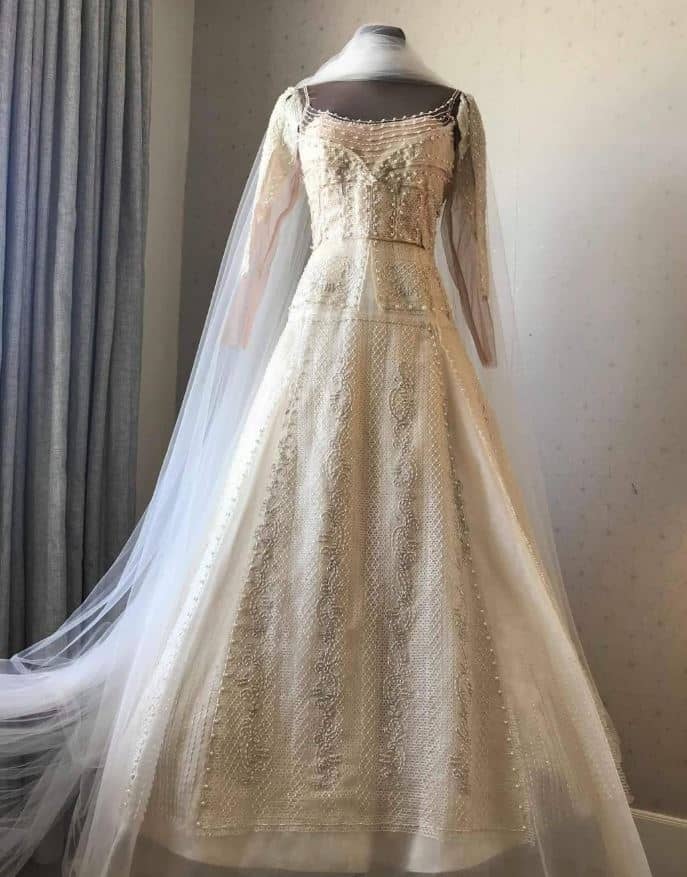
HANDWOVEN pineapple fabric.
user4
Montelibano’s work stands at the intersection of couture and cultural preservation. Known for transforming traditional Filipino fabrics and embroidery into sculptural modern pieces, he has spent years championing indigenous textiles and the stories woven into them. His philosophy is simple yet powerful: what we wear should tell a story.
From New York’s garment district to Filipino textiles
Montelibano’s journey into fashion began far from home. At just 19, fresh out of college, he moved to New York — one of the fashion capitals of the world — determined to immerse himself in the industry.
There, he worked behind the scenes in public relations before finding his footing in the creative side of fashion. He later became a visual merchandiser for Giorgio Armani, while also working as a stylist for television shows and music videos. In the bustling garment district, he was surrounded by fabrics from around the world.
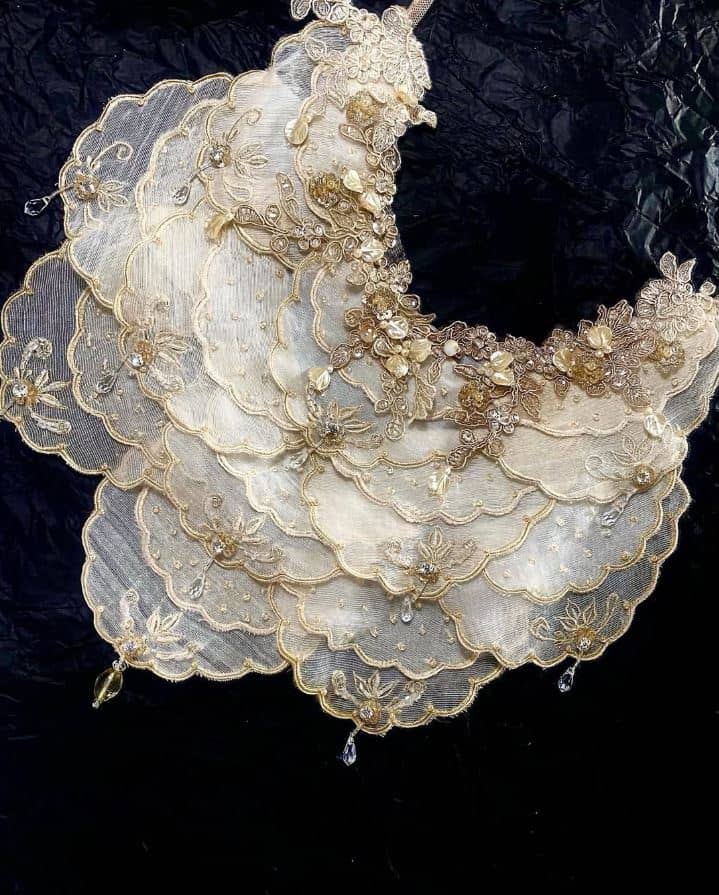
NECKPIECE
user4
Yet something was missing. “I sold every kind of fabric except Filipino fabrics,” Montelibano once reflected. Ironically, many of the garments he encountered carried labels that read Made in the Philippines. That realization sparked a turning point. If Filipino craftsmanship was already present in global fashion, he thought, then perhaps he should return home and work directly with the hands that created it.
Rediscovering indigenous craft
When Montelibano returned to the Philippines, he initially struggled to find deeper meaning in conventional ready-to-wear design. Instead of producing garments solely for sale, he wanted something more — something rooted in culture.
The search for that “soul” led him to Sarangani in 2015, where he visited the T’boli community known for weaving t’nalak, a sacred textile traditionally created through dream-inspired patterns. That encounter changed everything.
The visit coincided with the passing of dream weaver Lang Dulay, a National Living Treasure who had dedicated her life to preserving the art of t’nalak weaving. In honor of her legacy, Montelibano titled one of his early international shows Dulay Dreams, marking the beginning of his mission to present Filipino fabrics on global stages.
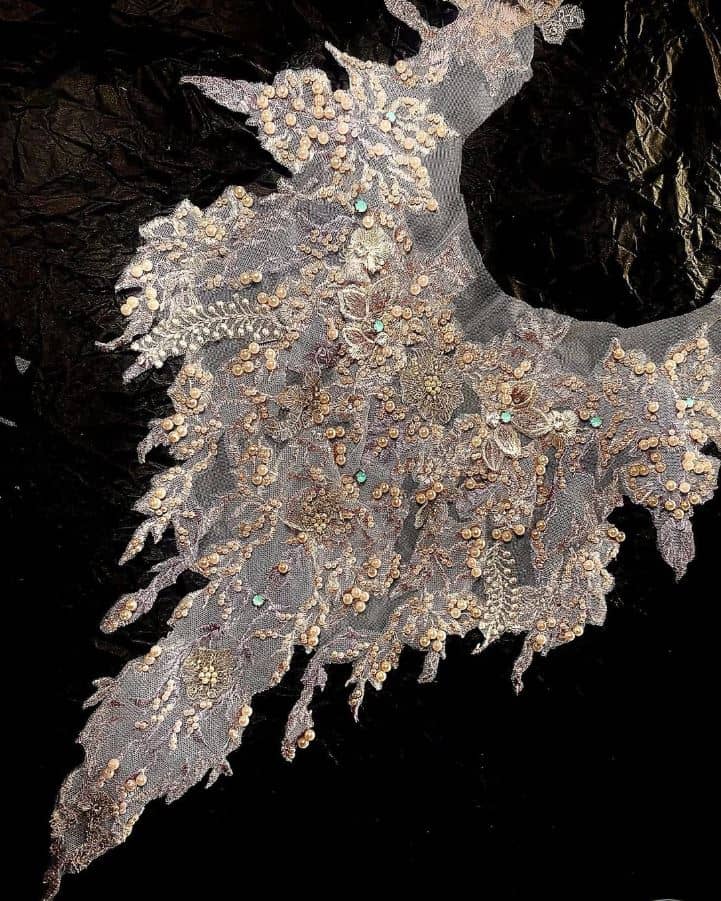
Décolletage
Since then, each international presentation has focused on a different textile tradition. In New York, he showcased piña fabric and calado embroidery from Taal, Batangas. In another show, he highlighted lace-making traditions from Iloilo. For Montelibano, every collection is an opportunity to tell a story about a community.
“I don’t just buy the fabric,” he explained. “I visit the homes of the weavers. I listen to their stories.”
Respecting the threads of culture
For Montelibano, working with indigenous materials carries responsibility. Many of these textiles are tied to rituals, beliefs, and generational knowledge.
Take t’nalak, for instance. The intricate patterns woven into its fibers are believed to come from dreams experienced by the weavers. Because of this spiritual connection, Montelibano avoids cutting the fabric unnecessarily. Instead, he drapes entire seven-yard lengths into sculptural forms, allowing the patterns to remain intact.
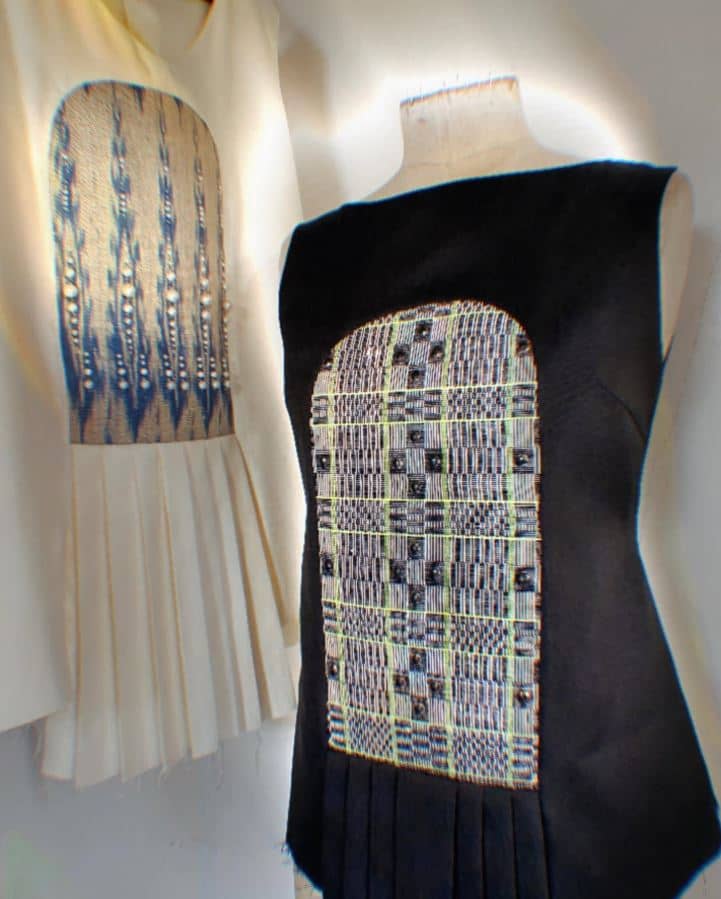
T’NALAK and Inabel.
“You don’t cut up their dreams,” he says.
This approach reflects a philosophy grounded in respect — ensuring that innovation never comes at the expense of tradition.
A journey interrupted — and renewed
Like many artists, Montelibano’s career has not been without hardship. After the pandemic, he struggled to regain momentum in the fashion industry. At the same time, he faced a more personal battle: a serious bone marrow illness that required years of treatment and recovery.
The health crisis forced him to slow down, reflect, and step away from the fast pace of fashion.
In retrospect, he considers the experience transformative.
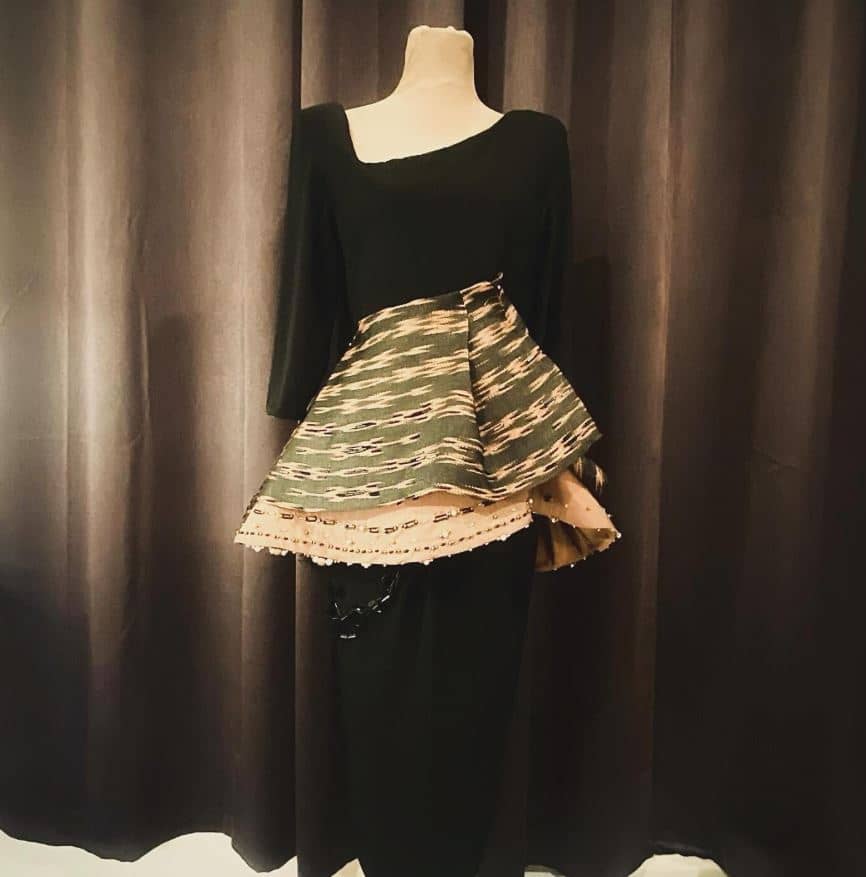
Handcrafted sculptural t’nalak frock.
“It was actually a good journey,” he said, explaining that the time away allowed him to rediscover his creative voice.
During his recovery, Montelibano returned to Lake Sebu, reconnecting with the T’boli weavers who had inspired his earlier work. The visit sparked a new collection — one he describes as a “love letter” to his healing self.
Fashion as cultural advocacy
Beyond designing garments, Montelibano has expanded his vision into cultural education. Through his company, he plans to organize immersive tours for universities and fashion schools abroad, introducing students to weaving communities across Luzon, Visayas, and Mindanao.
The goal is not only to showcase Filipino artistry but also to create economic opportunities for the artisans who keep these traditions alive.
For Montelibano, fashion is not just about aesthetics — it is about connection.
“In this chaotic world, culture and art are becoming forms of revolution,” he said. “Every country is proud of its heritage. That’s how we should be speaking about ours.”
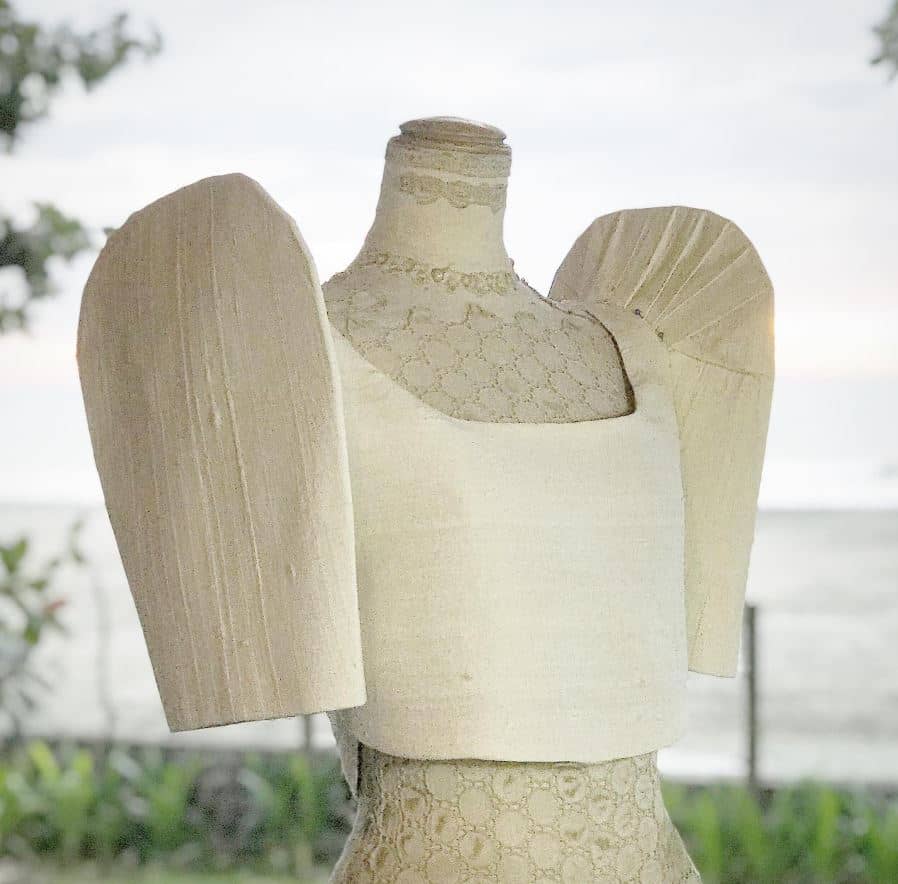
Tropical Mulberry Silk.
To young creatives, with love
Despite decades in the industry, Montelibano remains a lifelong learner. He has even considered pursuing a master’s degree in anthropology to deepen his understanding of culture and heritage.
To young designers, his advice is clear: resist the pressure to conform.
“Don’t be cookie-cutter,” he says. “Your journey will be different from everyone else’s.”
For Montelibano, creativity thrives when guided by authenticity rather than trends. His own path — from New York’s fashion scene to the weaving villages of Mindanao — proves that sometimes the most meaningful designs are those rooted in the stories of people and place.
And through every thread he works with, he continues to remind the world that Filipino craftsmanship is not only beautiful — it is alive with history, dreams and identity.