
Kaamulan organizers face raps over IPRA violations

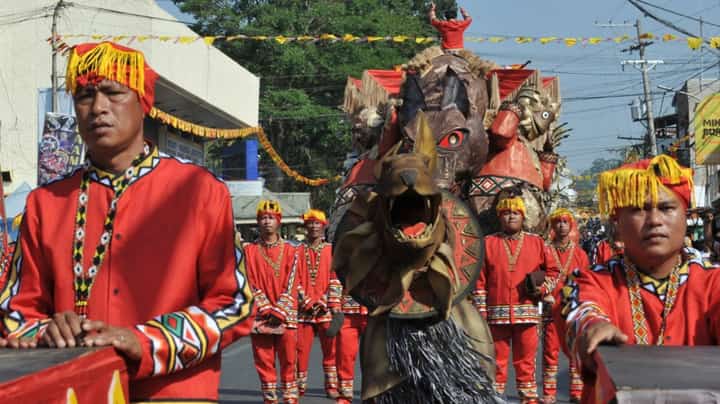
MALAYBALAY City, Bukidnon bursts into color and rhythm as Kaamulan 2026 takes center stage with its Street Dancing, Ground and Float Competition, and the grand Parade of the Nine Ethnic Tribes on Saturday.
PHOTOGRAPH by Cheng Ordoñez for DAILY TRIBUNE
CAGAYAN DE ORO CITY — Organizers and sponsors of the Kaamulan Festival in Malaybalay City, Bukidnon may face criminal and administrative charges for alleged violations of Republic Act No. 8371, or the Indigenous Peoples’ Rights Act (IPRA) of 1997, a source said Sunday.
The law imposes penalties for acts that violate ancestral domain rights and disrespect indigenous cultural practices. The issue arose after a conciliation meeting last Friday where tribal leaders invoked customary law to address the controversy. As part of reconciliation, tribal representatives reportedly asked for seven carabaos, one pig and eight chickens. However, sources noted that customary law applies only to disputes among indigenous peoples, while cases involving non-IP individuals fall under the jurisdiction of the Regional Trial Courts.
Jun Cruz, chairman of the provincial events committee, said the controversial lechon segment—allegedly not part of the traditions of Bukidnon’s seven tribes—was spearheaded by the local agriculture office and local government units. The event was backed by several corporate sponsors, including a major feed manufacturer, with funding support from government officials. The province allocated P1.3 million to each of seven municipal contingents, while Malaybalay and Valencia were excluded due to stronger revenue bases. Prize incentives were also increased, including P300,000 for street dancing champions.
Around 400 concessionaires joined the Department of Tourism’s Filipino Brand of Service Excellence program to enhance visitor experience. However, National Commission on Indigenous Peoples acting provincial officer Rolando Baya-on said indigenous attire and sacred accessories were used to decorate lechon exhibits during the parade, which may constitute a criminal offense under IPRA.
Baya-on cited the misuse of the Higaonon sacred headgear “panika,” traditionally worn only by baylans during rituals, noting that even children were seen wearing it during the parade. “The Kaamulan Festival is a solemn and significant celebration of the culture and traditions of the seven tribes of Bukidnon. It embodies the dignity, identity and integrity of our indigenous communities,” he said, warning that misuse of cultural symbols for entertainment or commercial purposes violates respect owed to indigenous peoples.
The NCIP said it is preparing appropriate action to prevent a repeat of the incident. Under IPRA, penalties include imprisonment of up to 12 years, fines of up to P500,000, or both, along with payment of damages to affected indigenous communities. Additional liabilities may apply to corporations and public officials involved.