
Aero Hatch: Hyundai unveils IONIQ 3 compact EV


Hyundai Motor Company has introduced the new Hyundai IONIQ 3, a compact electric hatchback developed for European drivers who want more cabin space, longer driving range, and technology that feels less complicated during daily use.
The model joins Hyundai’s growing IONIQ electric vehicle lineup and arrives with what the company calls an “Aero Hatch” design. The shape focuses on reducing drag while keeping enough room inside for passengers and cargo. Hyundai said the vehicle targets a drag coefficient of 0.263, which could help improve efficiency and driving range.
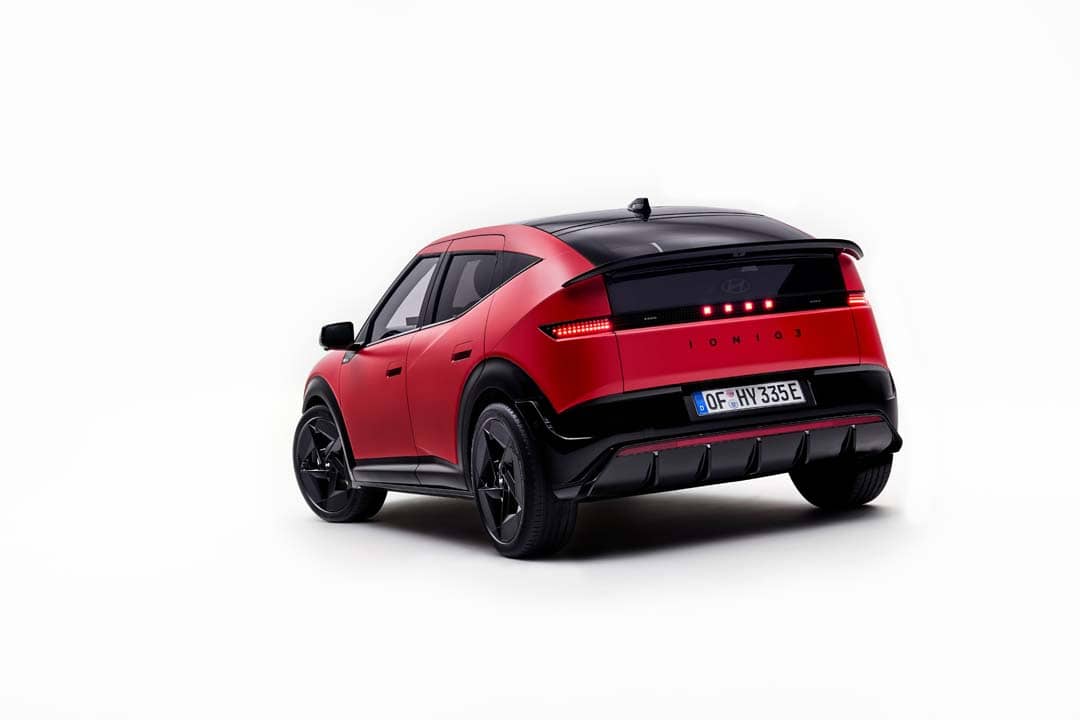
REAR lines on the Hyundai IONIQ 3 follow the new Aero Hatch design that blends efficiency with extra room for passengers and cargo.
Unlike some compact hatchbacks that sacrifice rear passenger comfort for styling, the IONIQ 3 uses a long roofline and flat-floor layout to increase headroom and legroom. Hyundai said the rear seat can accommodate three adults, while the luggage area offers 441 liters of storage capacity, including an underfloor compartment called the Megabox.
The IONIQ 3 is built on Hyundai Motor Group’s Electric-Global Modular Platform with a 400-volt electrical system. Buyers can choose between two battery options. The standard-range version targets up to 344 kilometers of range under the WLTP cycle, while the long-range version aims for up to 496 kilometers.
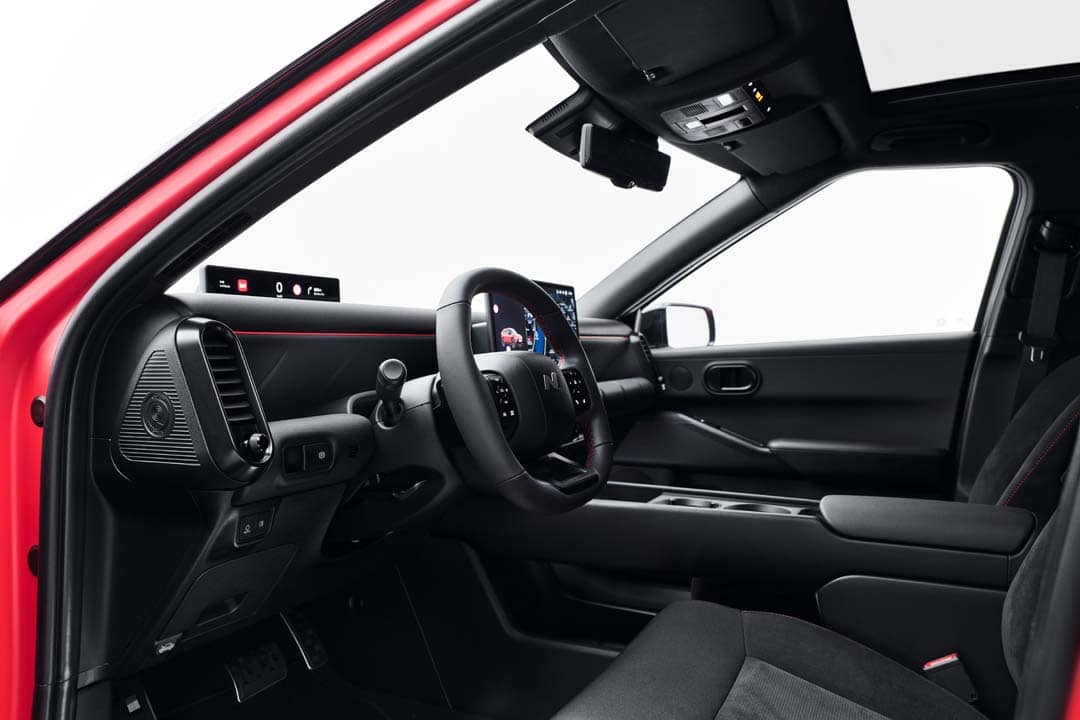
FLAT-FLOOR layout and Android-based infotainment system aim to make everyday EV use easier for drivers.
Charging times also remain a major selling point in the growing EV market. Hyundai said the IONIQ 3 can charge from 10 to 80 percent in around 29 to 30 minutes through DC fast charging under ideal conditions. AC charging capability reaches up to 22 kW, depending on specification.
Hyundai moved toward a more minimal approach. The company said the interior follows a “Furnished Space” concept inspired by furniture layouts and materials influenced by Italian design from the 1970s. Some trim materials also use recycled and bio-based components.
Technology features include Hyundai’s new Pleos Connect infotainment system based on Android Automotive OS. The system debuts in a European Hyundai model through the IONIQ 3 and supports navigation, connectivity, and vehicle controls through either a 12.9-inch or 14.6-inch display depending on trim level.
Other features include smartphone-based Digital Key 2 access, plug-and-charge capability, route planning for charging stops, and vehicle-to-load functions that allow the car to supply power to external devices.
Hyundai also equipped the vehicle with several driver assistance systems under its SmartSense suite. Available features include Highway Driving Assist 2, Blind-Spot View Monitor, Remote Smart Parking Assist and Surround View Monitor. Seven airbags come standard.
The company said the IONIQ 3 was designed in Europe and will be produced at Hyundai Motor Türkiye’s plant in İzmit. Hyundai expects the model to strengthen its electric vehicle lineup in the region as competition in the compact EV segment continues to grow.
“With IONIQ 3, we are bringing the bold design, driving enjoyment and advanced features of the IONIQ brand to a broader range of customers across Europe,” Xavier Martinet, president and chief executive officer of Hyundai Motor Europe, said.