
PSN at 55: The distance between what we can do and what we can deliver
Fifty-five years in, we are still trying to reconcile what modern Medicine allows with what our patients can sustain.


For 55 years, the Philippine Society of Nephrology (PSN) has quietly expanded what we can do — training doctors, building dialysis units, performing transplants, writing guidelines, holding conferences. Work that rarely trends, rarely goes viral, rarely makes headlines, but keeps people alive.
Because in Nephrology, survival is not dramatic. It is repetitive. Measured in sessions, counted in laboratory values, sustained in routines most people never see — three times a week, four hours at a time, for years. That is the system we built. That is our capability. And for a long time, we called that progress.
And it was.
We now have transplant programs that can stand beside those in more developed countries, access to modern immunosuppressive therapies, advanced diagnostics and dialysis machines that do exactly what they are meant to do — reliably, quietly, every single day.
On paper, it reads like a success story. But anniversaries are not just for looking back. They are for asking harder questions. Because if we are honest, the real story of Nephrology in the Philippines is not just about what we can do. It is about the distance between what we can do — and what we can consistently deliver.
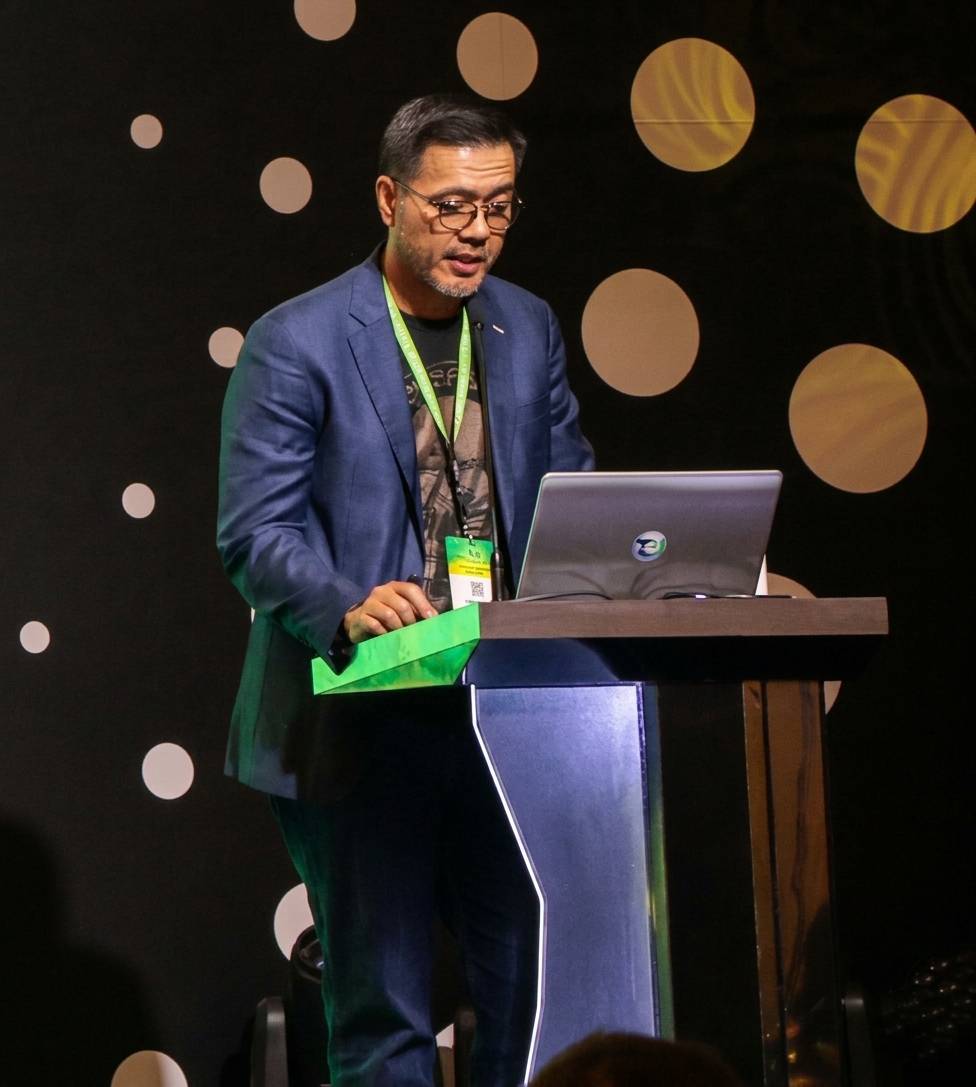
Dr. Brian Michael I. Cabral presents the latest KDIGO 2026 updates on the evaluation and management of renal anemia, highlighting evidence-based strategies to optimize hemoglobin targets and iron utilization during the 55th anniversary celebration of Philippine Society of Nephrology and 46th PSN Annual Convention at the EDSA Shangri-La Manila. Dr. Cabral discusses key recommendations and emerging therapies that aim to improve patient outcomes while minimizing treatment-related risks.
Photograph courtesy of Philippine Society of Nephrology
That distance is where our patients live.
We have built a system capable of delivering world-class care — and yet access remains uneven, unpredictable, and at times, out of reach. We discuss antibody-mediated rejection in conference rooms while patients quietly calculate whether they can afford their next dialysis session. We refine transplant protocols to the smallest detail while others miss treatments for reasons that have nothing to do with medicine. We speak the language of precision, but we practice in a reality shaped by limitation.
During the Covid years, that contrast became impossible to ignore. Dialysis units did not shut down; kidney failure does not wait for pandemics to pass. While much of the world slowed, Nephrology did not. Patients still needed to be dialyzed, lines still had to be inserted, complications still had to be managed. There were no work-from-home options for kidney failure — no delays, no pauses. We showed up, day after day, in full protective gear, in units never designed for outbreaks, in systems stretched beyond what anyone thought possible. Not because it was heroic, but because there was no alternative. Patients either received dialysis, or they did not. And if they did not, the outcome was never in doubt.
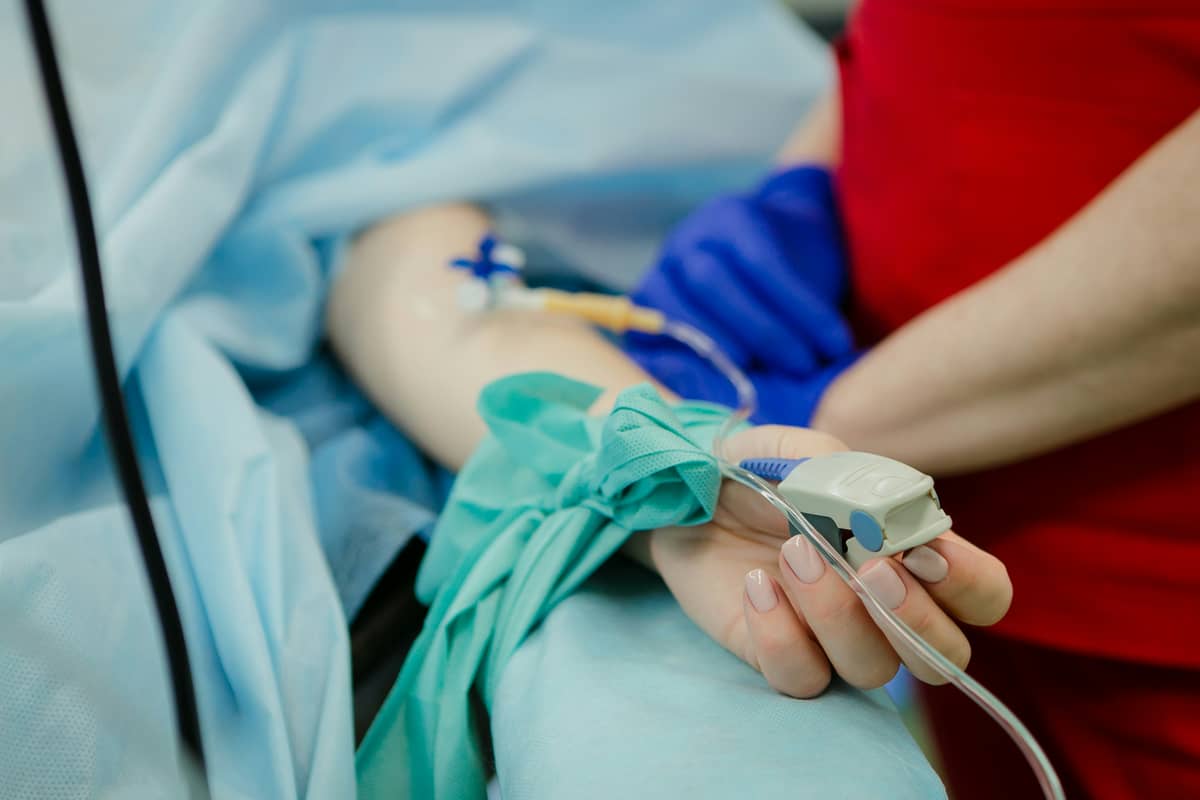
EARLY detection and prevention is important in reducing the long-term impact of kidney disease.
Photograph courtesy of olga-kononenko/unsplash
What that period revealed was not just resilience, but how thin the margins really are. Even before the pandemic, many of our patients were already walking a narrow line; COVID simply removed whatever safety nets remained. Transportation became uncertain, staffing became strained, access became more fragile — and still, the expectation did not change: show up, get dialyzed, survive. We did what we could. But “what we could” and “what was needed” were not always the same. That gap — that quiet, persistent gap — remains.
Fifty-five years in, we are still trying to reconcile what modern Medicine allows with what our patients can sustain. We can offer more than ever before, but offering is not the same as delivering. Capability is not the same as accessibility. And progress, if it is not shared, has limits.
This is where the real work of Nephrology has always lived — not in the machines or the medications, but in the decisions. The daily, often invisible decisions that determine whether care remains effective, affordable and humane. Do we add another test? Do we prescribe another drug? Do we push for a procedure that is technically correct but financially devastating? A good doctor knows what can be done. A better one knows what should be done. The best understand what should not be done — especially in a system where every unnecessary peso spent on one intervention is a peso taken away from something more essential.
This is not about doing less. It is about doing what matters. And perhaps that is what 55 years has quietly taught us — that excellence in Medicine is not just about expanding what is possible, but refining what is appropriate; that technology, no matter how advanced, cannot compensate for poor access; that outcomes are not determined by protocols alone, but by whether patients can actually follow them.
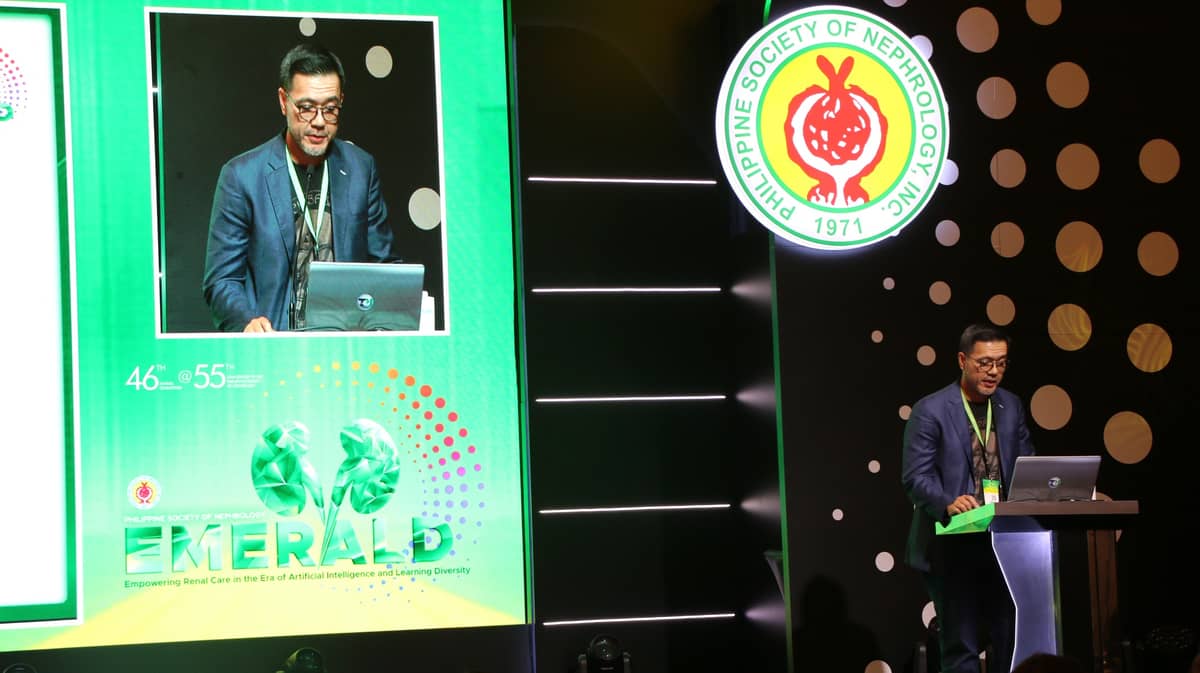
ATTENDEES gain practical insights to enhance anemia management across the spectrum of chronic kidney disease.
Photograph courtesy of Philippine Society of Nephrology
We are getting better at the science. The harder question is whether we are getting better at the system. Because the future of Nephrology in this country will not be decided by the next breakthrough drug or the next generation of dialysis machines, but by how effectively we bridge the distance between what we know and what our patients can reach.
There is still much to be done — prevention remains underdeveloped, early detection inconsistent, transplant access limited, dialysis for many still a long-term burden — but there is also reason for quiet optimism, because the strength of Nephrology in the Philippines has never been in its institutions alone. It has always been in its people: Doctors who explain one more time even when they are tired, teams who adjust and find ways to make things work, patients and families who endure more than most and still show up.
Progress, in this field, has never been loud, but it has always been real. Fifty-five years is not just a milestone. It is a reminder that the work ahead is not just to push the boundaries of what we can do — but to finally narrow the distance between what we can do, and what we can truly deliver.