
Katipunan’s latest high-rise is all about convenience for students


A new high-rise residential development is beginning to take shape along Katipunan Avenue, signaling another shift in how student living is evolving in Quezon City’s university belt.
Arthaland’s newest project, named Liv, recently broke ground and will rise near key academic institutions such as Ateneo de Manila University, placing it at the heart of one of Metro Manila’s most student-driven districts. Katipunan has long been defined by its mix of dormitories, budget-friendly food spots, late-night study cafés and heavy daily foot traffic from students moving between campus and nearby establishments.
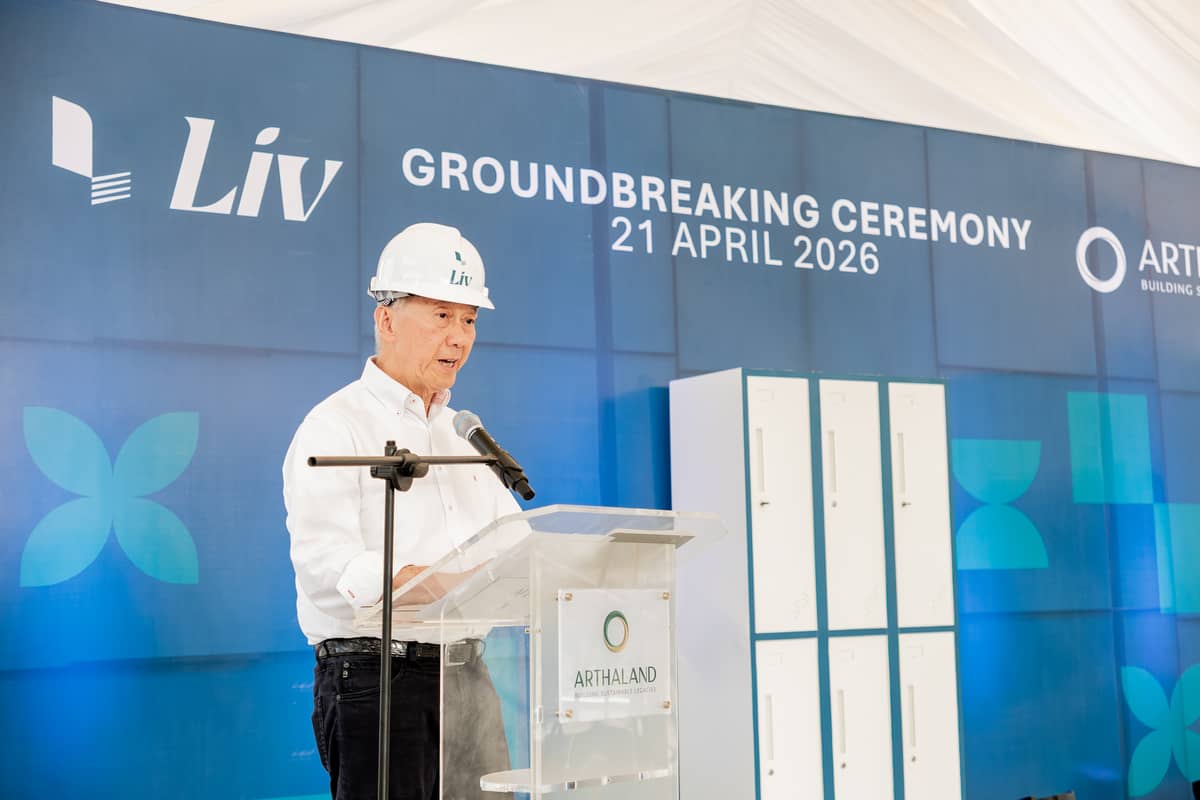
JAIME C. González, vice chairman and president of Arthaland.
“Liv is our vision for how future communities should be built — connected, sustainable and designed to elevate your everyday. Through Liv, we are creating lasting value not only for residents but for the entire neighborhood,” said Oliver L. Chan, executive vice president and chief sustainability officer of Arthaland.
What sets this development apart from typical residential projects in the area is its direct response to everyday student concerns — particularly safety and accessibility. A pedestrian footbridge is planned to connect the property to the Ateneo campus, offering an alternative to crossing Katipunan Avenue at street level, where traffic congestion and safety risks have been longstanding issues. Once completed, the bridge will be open to the public, potentially benefiting not just residents but the wider student population.
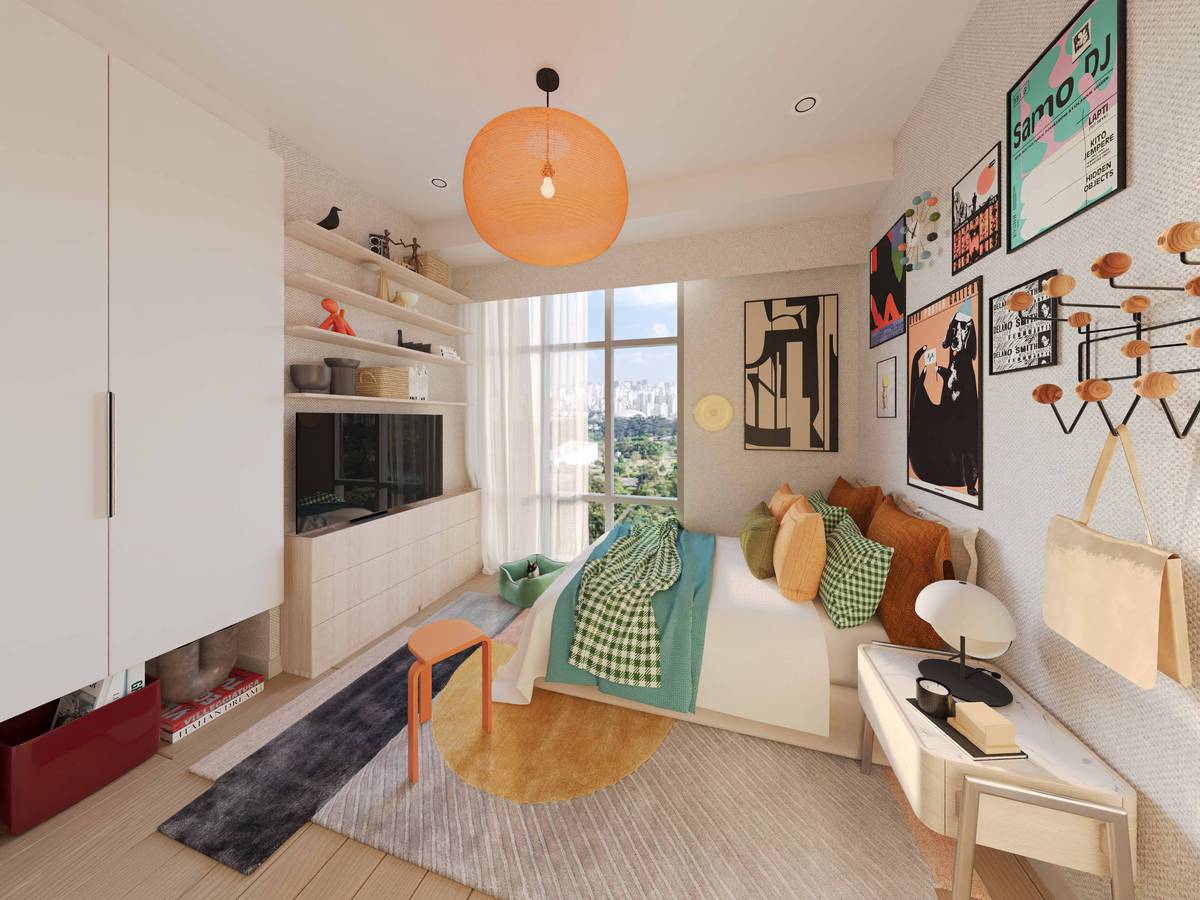
BEDROOM area.
The location itself is a major draw. With access points along both Katipunan Avenue and Esteban Abada Street, future residents will be within walking distance of familiar student haunts — whether for quick meals, group study sessions, or everyday errands. In an area where “walking distance” often defines convenience, proximity remains one of the most valuable features.
The first phase of the development includes a 46-story tower that will house hundreds of units, ranging from compact studios to two-bedroom spaces.
While high-rise living in Katipunan is not new, the continued rise of vertical housing reflects the increasing demand for space in an already dense district. For students, especially those coming from outside Metro Manila, this type of setup offers an alternative to traditional dormitories and shared apartments.
Some unit layouts are designed with shared living in mind, including split bathroom configurations that allow simultaneous use — something that addresses a common pain point among students sharing small spaces. It’s a subtle but practical feature that highlights how newer developments are adapting to real-life routines rather than just aesthetics.
Beyond private units, the development plans to include amenities that mirror the rhythms of student life. Dedicated study pods, open lounges, and quiet zones aim to provide spaces for both focused work and collaboration, while recreational facilities such as a gym, pools and outdoor areas offer a break from academic demands. A retail podium is also expected to house essential services, potentially reducing the need for residents to leave the area for daily needs.
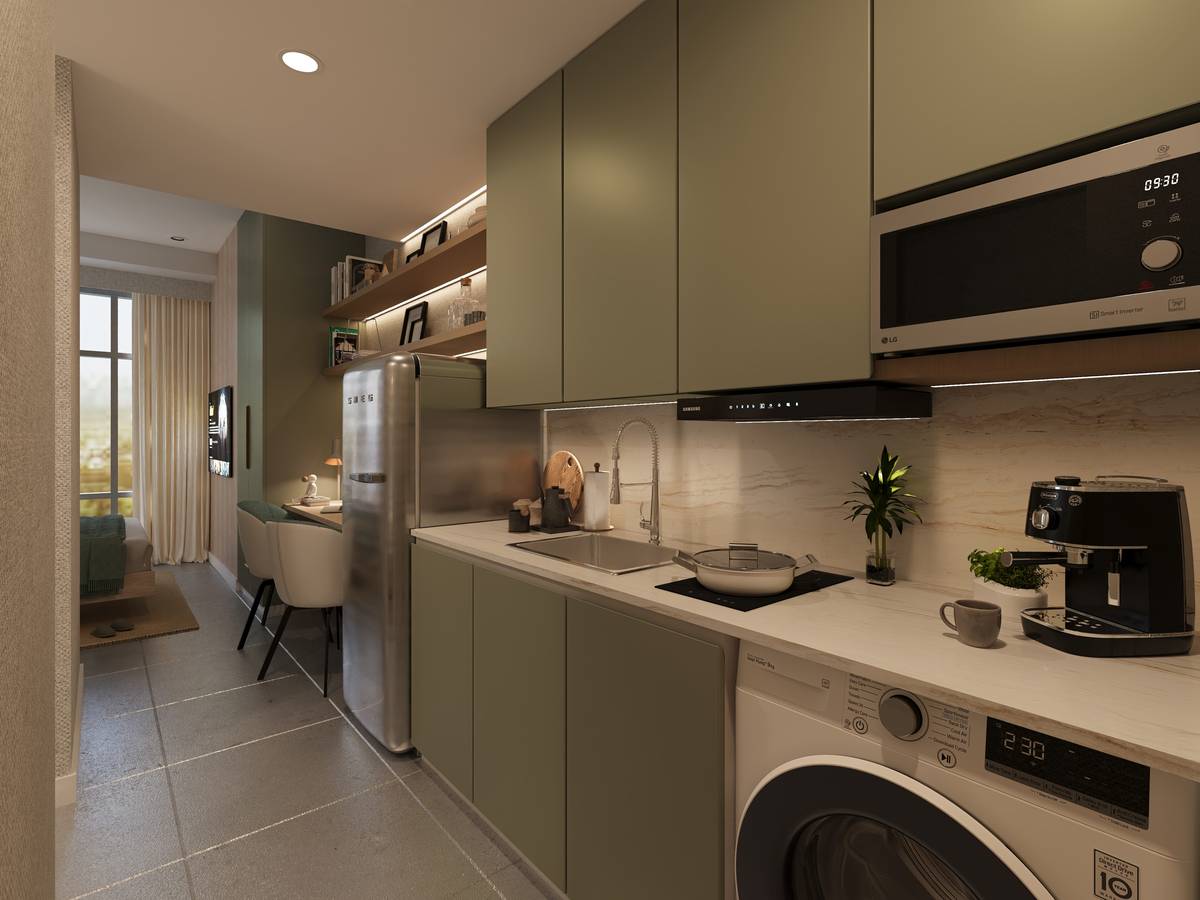
STUDIO kitchen area.
Another notable aspect is the project’s sustainability features, including energy-efficient systems, water-saving fixtures and green spaces like an edible garden. While these elements are becoming more common in newer developments, their presence in a student-heavy area like Katipunan reflects a growing awareness of environmental impact among younger residents.
The project is scheduled for completion in 2031, placing it within a longer-term transformation of Katipunan as more than just a university strip. Over the years, the area has steadily evolved into a self-contained community where living, studying and leisure intersect.
As more developments rise to meet demand, the question remains whether these spaces will stay accessible to the average student or cater primarily to a more upscale market. Still, projects like this point to a clear trend: student living in Katipunan is no longer limited to dorm rooms and shared apartments — it’s becoming more integrated, vertical, and designed around convenience.