
Community first: Fuel station in Badoc keeps prices low despite profit pressures

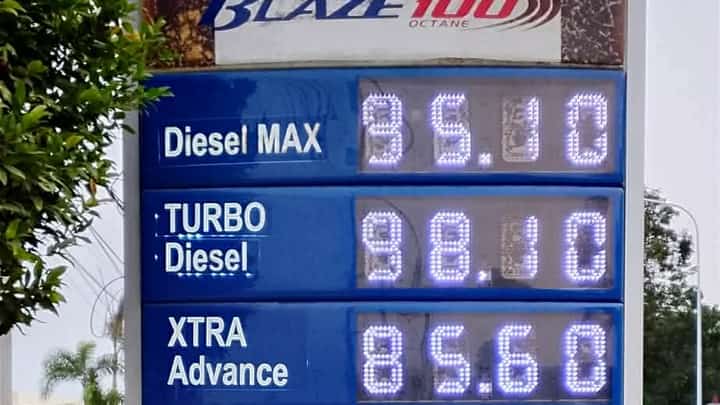
In the wake of the recent fuel price rollback, a gasoline station in Badoc, Ilocos Norte is drawing attention for keeping pump prices among the lowest in the southern portion of the province.
At JVC Petron, located roughly 30 kilometers from Laoag City and often regarded as a gateway to Ilocos, diesel is priced at ₱95.10, turbo diesel at ₱98.10, and gasoline variants reaching as low as ₱85.60 as of April.
For the station’s owner, Joseph Vergel P. Calajate, maintaining affordable prices is not just a business decision but a matter of principle.
"As market conditions continue to evolve, one thing remains constant,business is not only about capital, but about people,” Calajate said in an interview with DAILY TRIBUNE. “While profit remains important, we are committed to keeping our prices fair and accessible for the communities we serve. In times like these, it becomes even more important to look out for one another. After all, who will support fellow Ilocanos, fellow Filipinos, if not us? Service beyond profit, always for the people.”
While fluctuations in global oil prices continue to affect local markets, stations like JVC Petron demonstrate how localized pricing strategies can offer relief to motorists, particularly in areas farther from urban centers.
The recent rollback has eased pump prices nationwide, but the rates in Badoc stand out for being significantly lower compared to many stations across Ilocos Norte. This has made the station a point of interest for price-conscious consumers monitoring fuel trends in the region.
Beyond the numbers, Calajate emphasized a community-driven approach—prioritizing affordability over maximizing margins—highlighting how small business decisions can ripple into broader public benefit.
As fuel prices remain a key concern for transport operators and ordinary motorists alike, initiatives like this underscore the role of local stakeholders in cushioning the impact of economic shifts on everyday life.