
Nature, memory and modern growth: A landmark rooted in time
Long before surrounding infrastructure and master-planned communities began to take shape, the tree was already part of the land’s natural environment — growing, aging and witnessing decades of change.


A towering reminder of the past, this natural landmark stands rooted in place as the landscape around it continues to evolve.
Photographs courtesy of Villar City
Villar Heritage Tree stands as a rare surviving natural landmark within a rapidly transforming development landscape in southern Metro Manila and Cavite.
Long before surrounding infrastructure and master-planned communities began to take shape, the tree was already part of the land’s natural environment — growing, aging and witnessing decades of change.
Today, it is preserved as a visible link to the area’s past. Its massive trunk, wide canopy and deeply rooted structure contrast sharply with the engineered environment expanding around it. While buildings and roads can be constructed in months or years, the tree represents a much longer timeline — one shaped by nature rather than design.
This contrast has turned the tree into more than just a preserved plant. It functions as a symbolic anchor, reminding observers that development is layered over an existing natural history.
Surrounding this preserved natural feature is the expanding development of Villar City, a large-scale, master-planned urban project designed to integrate residential, commercial, institutional and recreational spaces.
Positioned along key growth corridors south of Metro Manila, it reflects a broader trend of building self-contained cities intended to reduce congestion in the capital region.
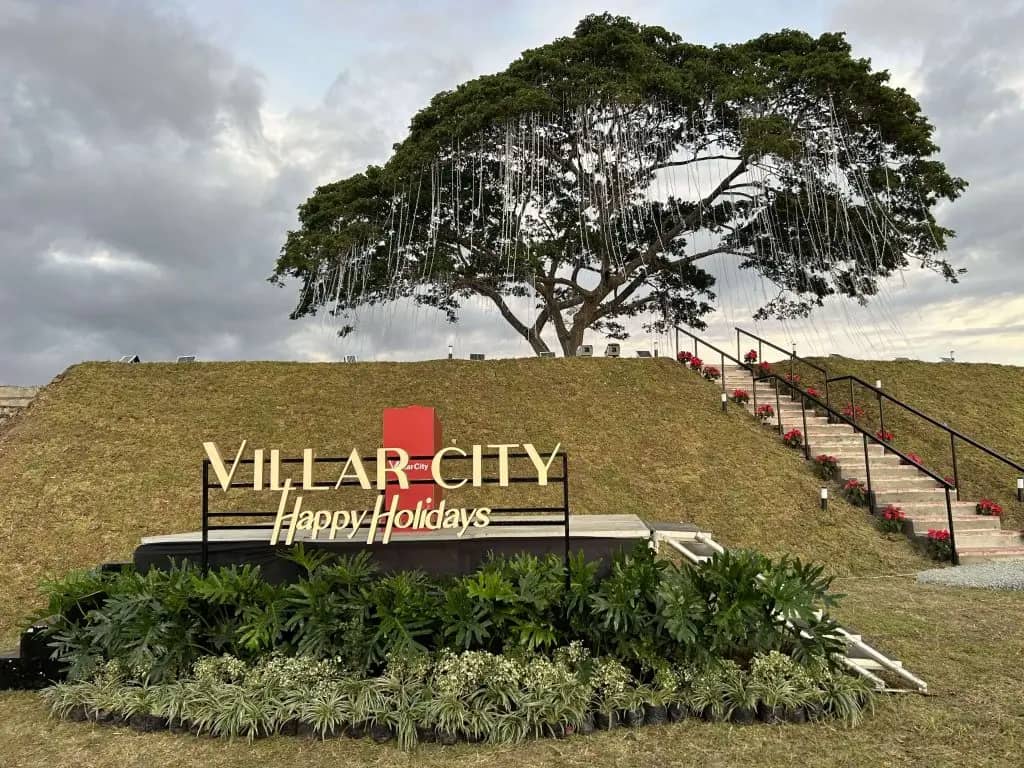
THE tree’s roots reflect decades of growth, endurance and silent witness to change.
Villar City is envisioned as a mixed-use environment where housing, business districts and green spaces coexist within a unified layout. It is strategically located near major road networks, making it accessible to surrounding urban centers while allowing room for long-term expansion.
At its core, the project represents modern urban planning principles: connectivity, efficiency and integrated living spaces designed to accommodate growing populations and economic activity.
What makes this location distinctive is not just the scale of Villar City, but the presence of the Villar Heritage Tree within or near its development landscape.
The two stand in contrast, yet also in dialogue — one shaped by natural time, the other by planned construction.
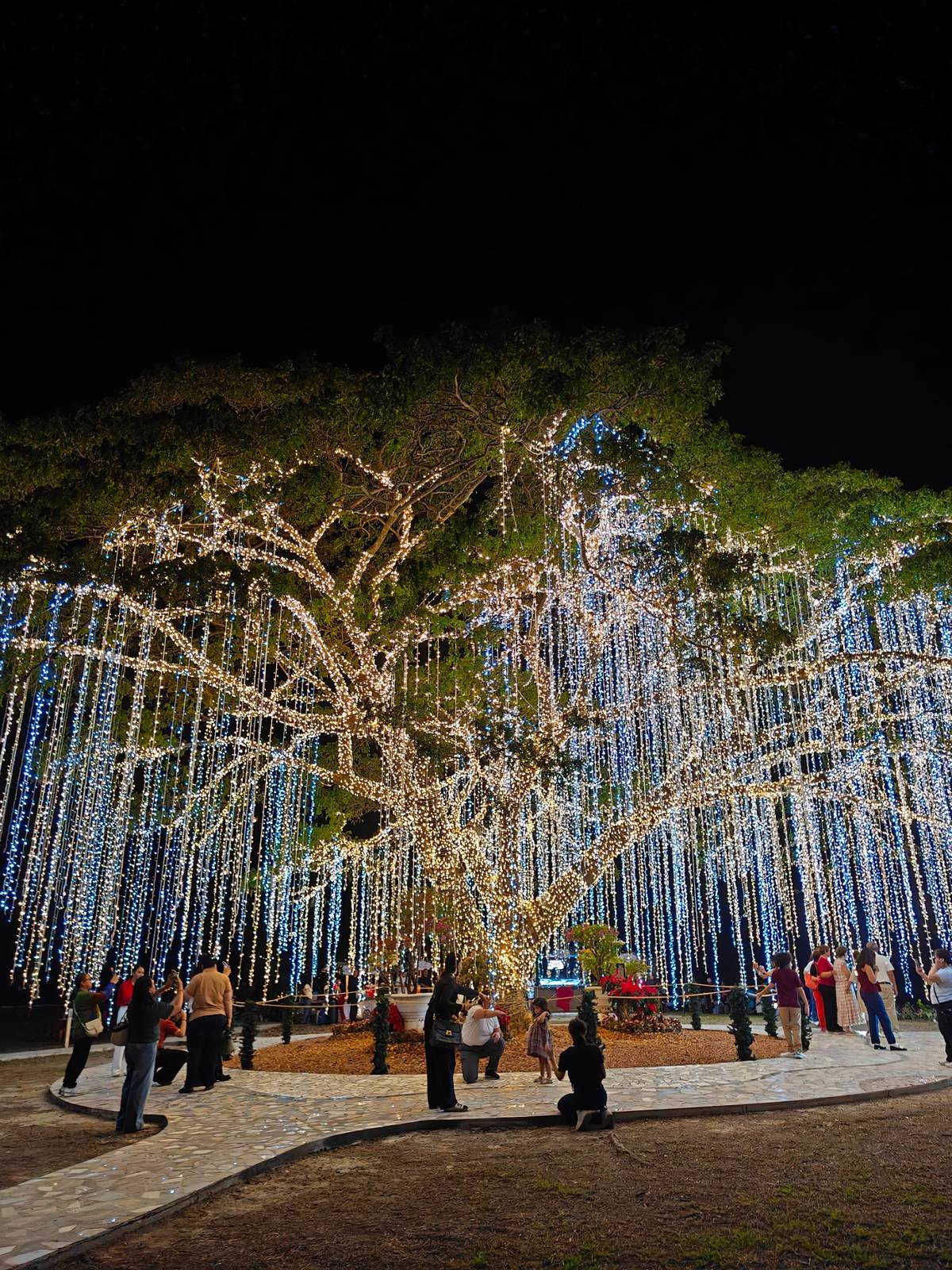
A SYMBOL of hope, the Villar tree provides a sense of zen to modernity.
The tree offers a visual and symbolic counterbalance to the built environment. While Villar City introduces structured roads, buildings and commercial zones, the heritage tree introduces irregularity, organic form, and ecological continuity. Together, they represent two different kinds of growth: one natural and gradual, the other engineered and rapid.
Rather than existing in opposition, the preservation of the tree within a developing estate suggests an attempt at integration — an effort to allow nature to remain visible within an urbanizing space.
As Villar City continues to develop, the presence of mature natural elements like the Villar Heritage Tree becomes increasingly important from an environmental standpoint. Large trees provide shade, improve air quality and support biodiversity by serving as habitats for birds and insects.
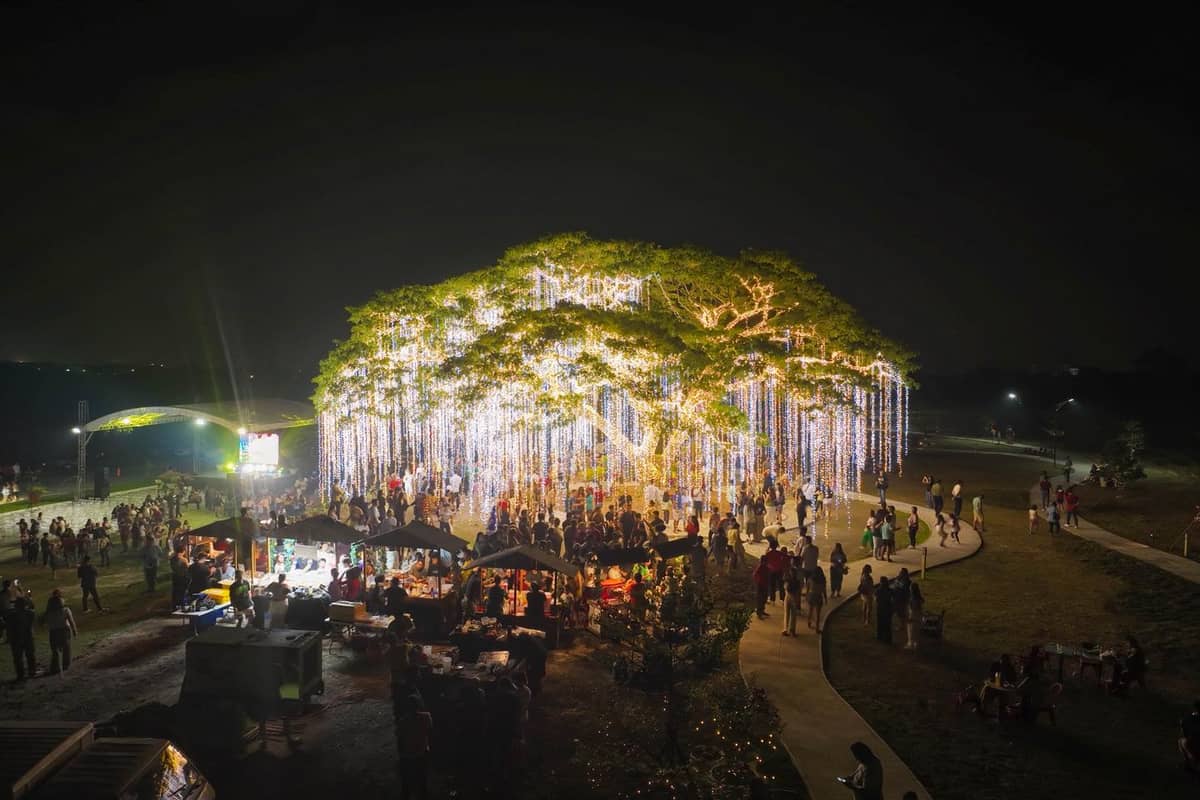
MORE than just giving shade, the Villar Heritage Tree literally gives life to Villar City.
In rapidly urbanizing areas, these ecological functions help offset some of the environmental impacts of construction, such as heat buildup and reduced green cover. The tree also contributes to soil stability and helps maintain a micro-ecosystem that would otherwise be lost through full-scale land conversion.
By preserving such features, developments like Villar City incorporate elements of green infrastructure — where nature is not removed, but maintained as part of the urban system.
The relationship between the Villar Heritage Tree and Villar City reflects a broader tension in modern development: how to balance preservation with expansion.
For residents, visitors and observers, this balance creates a layered experience of place —where modern infrastructure coexists with a living relic of the past.
Ultimately, the Villar Heritage Tree and Villar City represent two timelines occupying the same space. The tree embodies endurance and memory, shaped by natural growth over decades, while Villar City represents forward movement, shaped by planning, construction and long-term urban vision.
Together, they form a landscape where past and future are visibly intertwined. The tree does not stop the city from growing, and the city does not erase the tree.
Instead, both exist side by side, offering a rare example of how development and preservation can be positioned within the same narrative.
In this shared space, nature is not only something left behind — but something actively preserved in the process of building what comes next.