
Senate to probe sugar imports amid reported oversupply
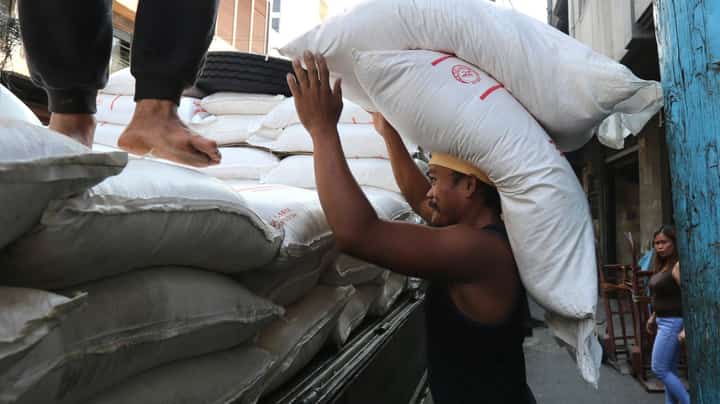
A Senate probe is set to examine reports of excessive sugar importation despite a moratorium that remains in effect until December this year.
The Senate Committee on Agriculture, Food and Agrarian Reform will lead the investigation under Senate Resolution No. 369, filed by JV Ejercito.
“It is necessary to protect and promote the welfare of local sugar farmers, who are among the most vulnerable sectors in the agricultural industry, by safeguarding them from the adverse effects of market volatility, declining farmgate prices, and unregulated or excessive sugar importation,” the resolution read.
Citing data from the Sugar Regulatory Administration (SRA), Ejercito flagged a sharp increase in sugar supply for Crop Year 2025–2026.
As of March, physical sugar stocks reached 668,405 metric tons, higher than the 568,871 metric tons recorded in the same period last year.
Refined sugar supply also rose to 506,804 metric tons, a 38.77 percent increase year-on-year.
The Department of Agriculture had imposed a moratorium on sugar imports last year, initially set to end in June but later extended to December, to protect local producers.
However, competition between local produce and imports has reportedly forced farmers to sell at lower prices, affecting both growers and mill workers.
Ejercito described the “improper timing” and “overlapping” of importation as “alarming,” citing concerns from industry stakeholders over alleged mismanagement within the SRA that could further depress farmgate prices if left unaddressed.
He said estimated foregone revenue from sugar and molasses reached ₱12.8 billion after 25 weeks as of March.
The figure exceeds the ₱7.28 billion in losses earlier cited by Javi Benitez, who warned that losses could reach up to ₱20 billion by June if imports continue to drive oversupply.
Benitez also said excess supply has pushed down sugarcane and molasses prices by 38 percent and 56 percent, respectively.
Ejercito stressed the need to revisit importation policies, particularly on timing and volume, to ensure they address current challenges and support the long-term sustainability of the industry.