
Gathering through flavors, stories and shared heritage
Through discussions spanning gastronomy, research, and community practice, the symposium underscored food’s role in shaping identity, strengthening local economies, and fostering regional understanding.


Food was spotlighted as cultural heritage, identity and a shared regional language at the Filipino Food Month 2026 Gastronomy Symposium held on 7 April at the PHINMA Hall of PHINMA-University of Iloilo, gathering chefs, researchers, academics, students and cultural experts under the theme “Flavors Across the Seas: Celebrating ASEAN’s Shared Table.”
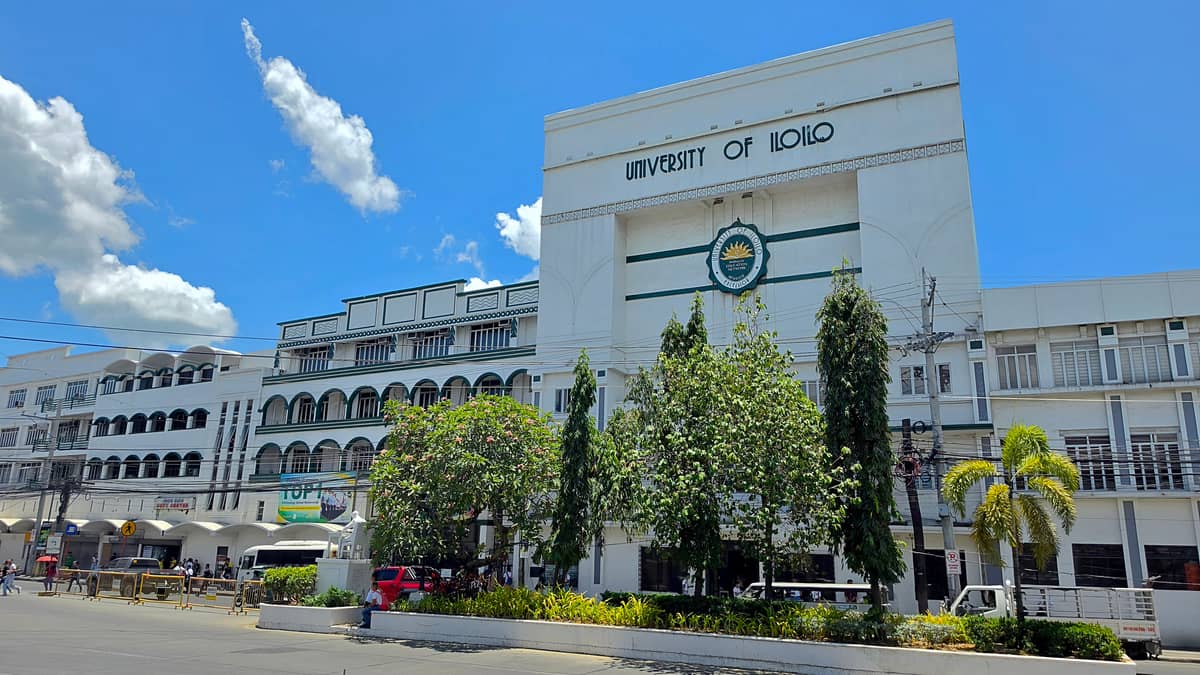
PHINMA-University of Iloilo hosted the Filipino Food Month 2026 Gastronomy Symposium.
Part of the nationwide opening program in Iloilo City from 6 to 8 April, organized by the City Government of Iloilo (through the Iloilo City M.I.C.E. Center), the National Commission for Culture and the Arts (NCCA), the Philippine Culinary Heritage Movement, and partner agencies, the symposium featured a day full of talks, presentations and discussions from figures in gastronomy, culture, and sustainability. Chef Myke “Tatung” Sarthou opened with “Culinary Culture to Drive Countryside Development,” followed by food writer Michaela “Micky” Fenix, who presented “A Taste of ASEAN: Comparing and Contrasting Regional Flavours.” Professor Frances Anthea R. Redison of the University of the Philippines Center for West Visayan Studies delivered “Namit Gid!: A Multi-Stakeholders’ Collaboration for Iloilo’s Batchoy.” Expanding the regional perspective, Stacy Gregory, focal person for Kuching Creative City of Gastronomy, from Malaysia, and Thadthong Bhrammanee of Phetchaburi Rajabhat University, focal person for Phetchaburi Creative City of Gastronomy, from Thailand discussed “gastro-diplomacy.” In the afternoon session, revered cultural historian Felice Prudente Santa Maria presented “Eating Our Roots: Tracing Pre-Colonial Filipino Cuisine,” followed by Harold Bueno, a dean from the Far Eastern University in Manila, with “Shared Plates, Shared Futures: Culinary Heritage as a Bridge Across ASEAN.” Professor Jojo Villamin, president and founder of the Junior Tourism and Hospitality Management Association of the Philippines, then discussed “Food Sustainability in Southeast Asia: Protecting the Ingredients That Define Our Cuisine,” and Dhang Tecson, founder of Sinaya Seafood, concluded the talks with “From Sea to Plate: Strengthening Local Food Systems for a Sustainable Future.”
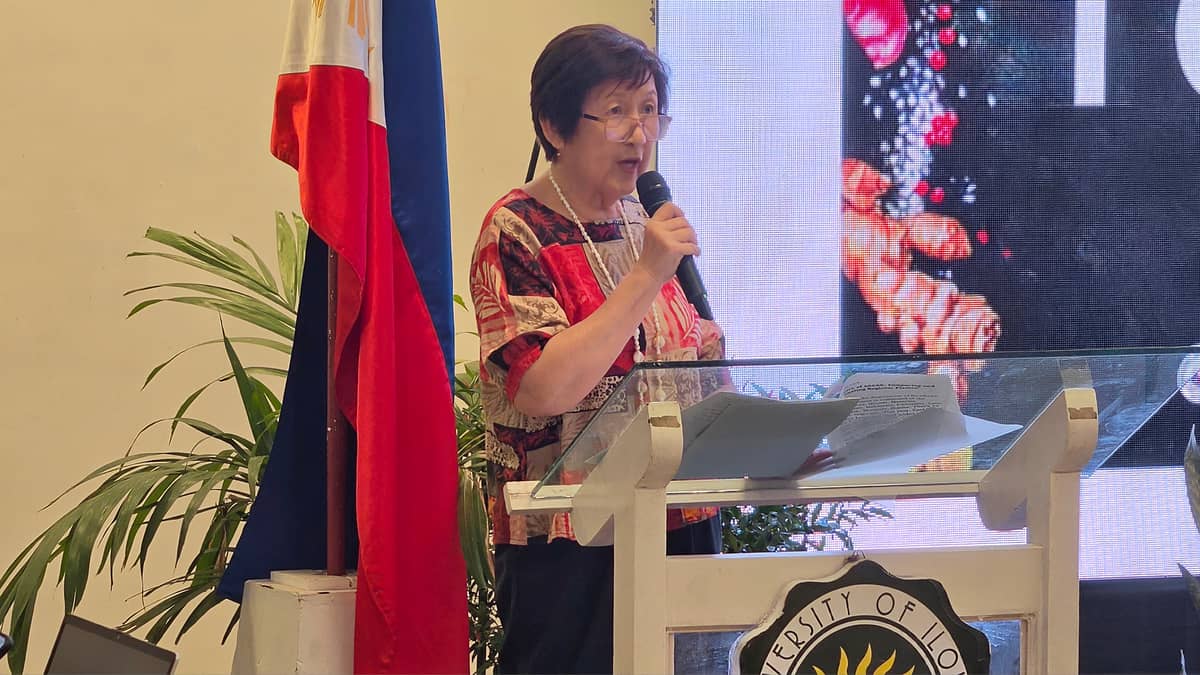
FOOD writer Micky Fenix points out commonalities in Southeast Asian cuisines.
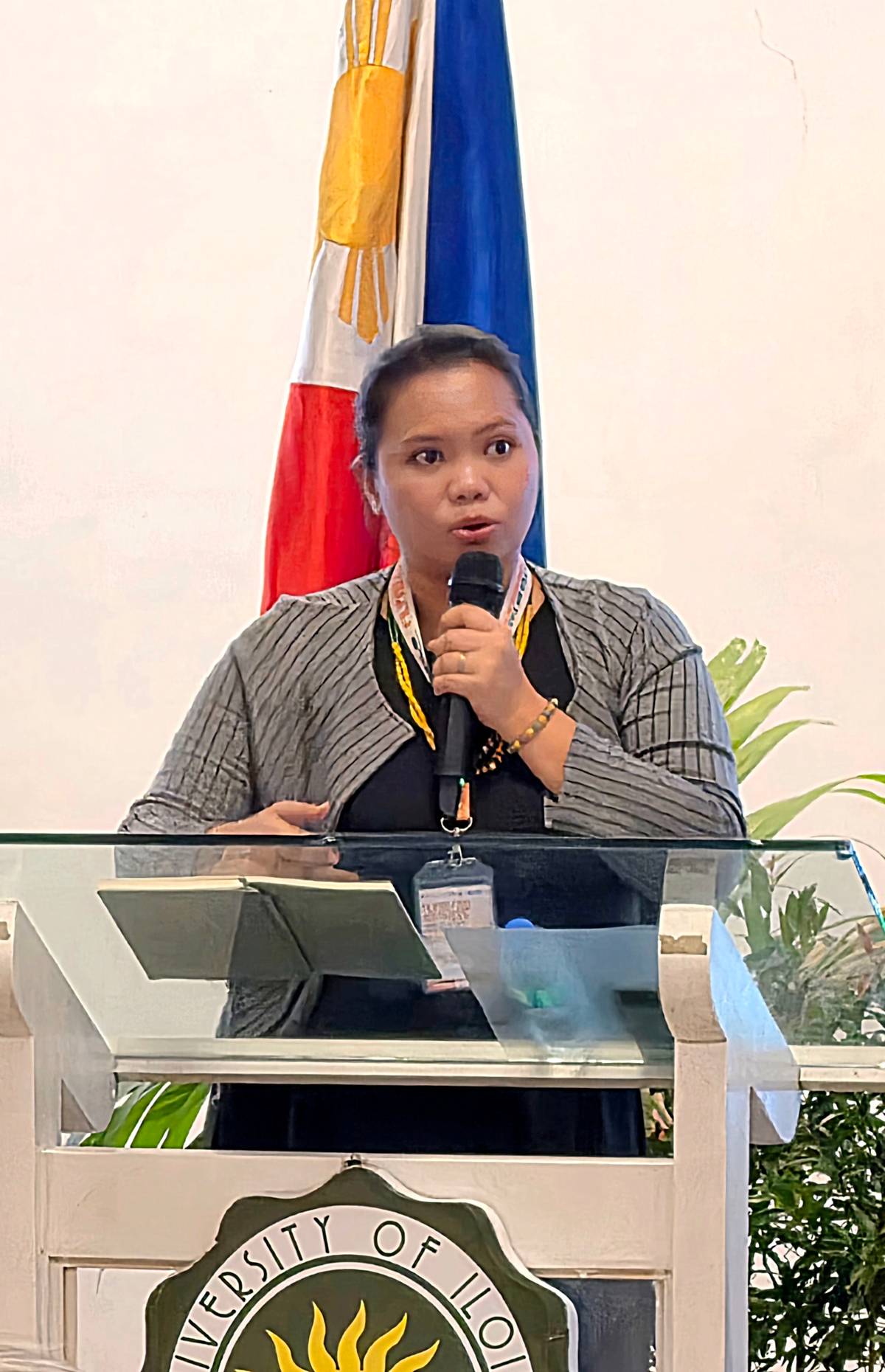
STACY Gregory, focal person for Kuching Creative City of Gastronomy, from Malaysia, tackles 'gastro-diplomacy.'
Additionally, the program was graced by Martin Benedict S. Perez, chief operating officer of PHINMA-University of Iloilo, who welcomed participants and guests, and Marichu G. Tellano, NCCA deputy executive director for Administration and Support Services, who delivered the closing remarks. Author Guillermo “Ige” Ramos and Leny Ledesma, focal person for Iloilo City of Gastronomy, served as moderators during the open forums.
A shared culinary DNA across Southeast Asia
In her presentation, Fenix mapped out the striking parallels across Southeast Asian cuisines — from noodle traditions to fermentation practices and rice-based cultures.
These, she emphasized, point to a deeper regional connection shaped by history and movement.
“Across ASEAN, we see different expressions of the same foundations,” she noted, pointing to shared staples such as rice, fermented fish products, and herb-spice combinations. “The similarities are not accidental — they are the result of centuries of exchange.”
Food as bridge and regional strategy
Bueno framed Southeast Asia as a single culinary ecosystem. “ASEAN cuisines developed through centuries of interaction — not isolation,” he said. “If ASEAN is to move forward together, we must start from what we already share — our food, our stories and our heritage.”
He emphasized that culinary heritage is both cultural and economic, noting that “shared plates create shared understanding — and shared understanding builds shared futures.”
Gastronomy as diplomacy
Gregory highlighted the role of food in diplomacy and international cooperation.
“Culinary culture matters,” she said. “It strengthens cities through branding and soft power and serves as a tool for cultural exchange.”
Describing food as “tabletop diplomacy,” she emphasized that shared culinary experiences “break cultural barriers, promote tourism, and build economic ties,” while remaining “rooted in heritage, powered by community, and connected to the world.”
Looking back
Santa Maria traced the deep roots of Filipino cuisine.
“The foundation of Filipino cuisine is Malesian,” she explained, referring to the broader ecological and botanical zone that shaped early food systems across the region.
She described how early Filipinos thrived within a “multilayered, species-rich, and self-generating rainforest system,” where food sources were abundant and interconnected. Long before colonial influence, techniques such as roasting, boiling, fermenting, and preserving were already practiced — many of which continue to define Filipino cooking today.
At the heart of her talk was the idea that identity is shaped not simply by origin, but by transformation.
“I want us to realize that whatever comes in from anywhere outside our current boundaries, our ethnic and national identities are indeed shaped by what we as people do, to what is given to us by nature,” Santa Maria said. “But each of our groups… it’s all different.”
This process of adaptation, she emphasized, has always been central to Filipino foodways. “Our ecosystems and ancestors ‘Filipinized’ the foreign,” she added, “just as is happening today.”
Sustainability and the future of food
Villamin underscored the urgency of safeguarding ingredients and traditional knowledge. “The most successful destinations won’t be the ones with the biggest attractions,” he said, “but those with the most protected identities.”
He highlighted how countries across Southeast Asia are using geographical indication systems to preserve authenticity and empower communities, ensuring that food remains tied to place and tradition. At the same time, he warned of pressing challenges, including climate change, industrialization, and the loss of heritage knowledge.
“The immediate threat,” he noted, “is the succession crisis — when the next generation does not take up the craft.”
Strengthening food systems
Tecson brought attention to the country’s marine resources and the need for sustainable systems. “Before the plate, there is the sea,” she said, underscoring the importance of responsible fishing and ethical sourcing.
She called for a unified approach that links fisherfolk, markets, and consumers, grounded in transparency, fair pricing, and sustainability. “When communities, science, and the sea come together,” she emphasized, “protecting the ocean becomes a pathway to sustainable livelihoods.”
Toward a shared table
Across all presentations, the thread that Southeast Asia’s cuisines are interconnected — shaped by shared environments, histories, and cultural exchanges, yet facing common challenges in preservation and sustainability — emerged and was emphasized.
In the shared flavors of Southeast Asia, the gathering revealed not only common roots, but a collective future shaped by cooperation, stewardship and a deeper understanding of what it means to gather, to share and to belong at a common table.