
Filipino Food Month 2026: Connecting Southeast Asia, bridging heritage and the future
Filipino Food Month 2026 aims to ask urgent and necessary questions: How can we better support our food culture? How do we strengthen the people behind it — the farmers, fisherfolk, food producers and small businesses who sustain our culinary traditions? And how can we work together to address food insecurity, which continues to affect many Filipino families?


The National Commission for Culture and the Arts (NCCA), together with the Department of Agriculture (DA), the Philippine Culinary Heritage Movement (PCHM), and the Department of Tourism (DoT), leads this year’s nationwide celebration of Buwan ng Kalutong Filipino or Filipino Food Month (FFM), with a rich lineup of activities throughout April.
Now on its eighth year, the 2026 celebration carries the theme “Connected by Taste: Filipino Food in the Flavors of ASEAN,” underscoring the Philippines’ culinary ties with its Southeast Asian neighbors while affirming the distinct character of Filipino cuisine.
The theme takes on deeper significance as the Philippines assumes the ASEAN chairmanship and hosts the 48th and 49th ASEAN Summits. More than a cultural showcase, the celebration positions Filipino food as a platform for regional dialogue, cultural diplomacy, and inclusive growth.
“This year’s theme reminds us that Filipino cuisine does not exist in isolation,” said NCCA chairman and executive director Eric B. Zerrudo during a press conference on 6 March. “Our food tells a story of movement — of trade routes across seas, of neighboring cultures meeting at the table, of spices and techniques traveling from one shore to another.”
He added: “When we say we are connected by taste, we affirm that Filipino food participates in a larger Southeast Asian narrative — one that honors diversity while celebrating shared roots.”
Food as heritage, responsibility and diplomacy
For Agriculture Secretary Francisco Tiu Laurel Jr., the celebration comes at a crucial moment for both the Philippines and the region.
“As the Philippines assumes the role of ASEAN chair, this year’s theme encourages us to see food not only as heritage but as a shared regional responsibility,” he said in his message read by Genevieve E. Velicaria-Guevara, Assistant Secretary for Agribusiness, Marketing Consumer Affairs of the DA.
Across Southeast Asia, countries face common concerns — food security, climate change, and the protection of agricultural livelihoods. Food, he emphasized, lies at the center of both these challenges and their solutions.
“It is memory and identity, but it is also diplomacy — bringing us together around a shared table,” he noted, pointing to common threads such as rice as a staple, seafood shaped by surrounding seas, and spices carried through centuries of trade.
Laurel also underscored the role of Filipino Food Month in highlighting those who sustain the country’s food systems: “Our farmers, fisherfolk, food processors, and agri-entrepreneurs anchor our role in the wider ASEAN food ecosystem.”
By promoting Filipino cuisine, he added, the country also advances sustainable agriculture, strengthens regional value chains, and fosters cooperation in food security, trade, and innovation.
A call to action beyond celebration
While Filipino Food Month is festive in spirit, organizers stress that it is equally a platform for reflection and action. Chef Jose Antonio Miguel Melchor, president of the Philippine Culinary Heritage Movement, described the celebration as “a movement that celebrates, protects, and strengthens the very heart of our culture.”
“Our cuisine has always been a story of diversity — of islands, communities, and traditions coming together,” he said. “As ASEAN chair, we have the chance not only to showcase Filipino flavors, but also to learn from our neighbors.”
Melchor emphasized that the celebration must go beyond highlighting iconic dishes such as adobo, sinigang, sisig, inasal, and pansit.
“Filipino Food Month is also a platform for reflection and action. It is an annual call to action for all of us,” he said. “Because while our cuisine is rich, our food system still faces many challenges. We must ask ourselves difficult but necessary questions. What can we do to better support our food culture? How can we strengthen the people behind our food — the farmers, fisherfolk, food producers and the small businesses who sustain our culinary traditions? How can we work together to address food insecurity which continues to affect many Filipino families? How can we prevent food waste, plate waste when so much food is lost, while others go hungry? And how do we make Filipino food healthier — hindi ‘yung nakaka-atake (Not those which can trigger heat attack) — ensuring that our beloved dishes continue to nourish generations to come?”
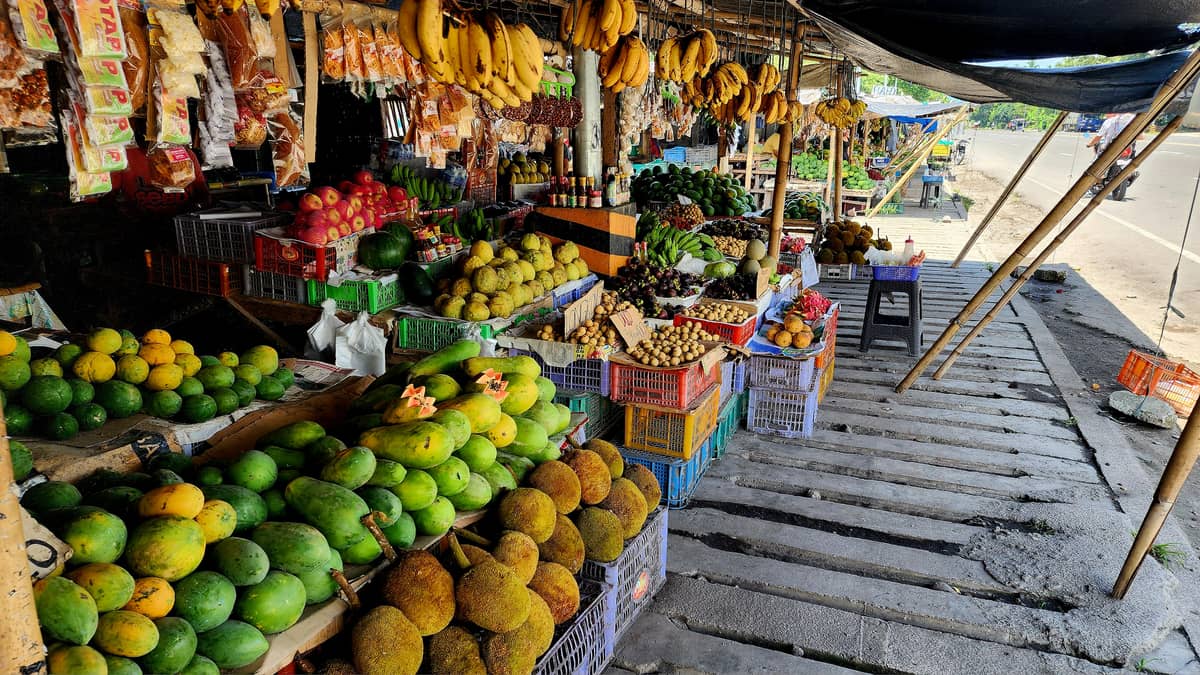
ROADSIDE fruit stands showcase Philippine produce in Tupi, South Cotabato.
PHOTOGRAPHS by Roel Manipon for DAILY TRIBUNE
He stressed that these challenges require collective effort — from government, private sector, schools, communities and consumers alike.
“Food is a shared responsibility,” he said, adding that “protecting Filipino food means protecting the entire ecosystem that supports it — from seed to table.”
Nationwide celebrations begin in Iloilo City
This year’s nationwide opening is hosted by Iloilo City in Iloilo, designated as a UNESCO Creative City of Gastronomy in 2023 — the first in the Philippines.
The opening program will be held on 6 April at the SM Iloilo Terminal Market, followed by the Chefs Exchange Program in local universities and culinary schools. The lineup includes the FFM 2026 Gastronomy Symposium at PHINMA University of Iloilo on 7 April; Ilonggo Creative Nanays Cookoff on 10 April; Sarap Saya: Tasting and Loving Filipino Food in the barangay of Monica on 24 April; and the Ilonggo Youth Day and provincial closing program at SM City Southpoint on 30 April.
Other NCCA-led events include the Hapag ng Pamana food festival in Zamboanga City, and a nationwide closing ceremony on 2 May. The DA and DoT are also mounting complementary programs across the country.
Sustaining tradition, shaping the future
Established through Presidential Proclamation No. 469 in 2018, Filipino Food Month seeks to promote the country’s culinary heritage, ensure the transmission of knowledge to future generations, and support food-related industries.
As the Philippines takes center stage in ASEAN, this year’s celebration underscores a broader vision: one where food becomes a bridge — linking cultures, strengthening communities, and shaping a more sustainable and inclusive future.
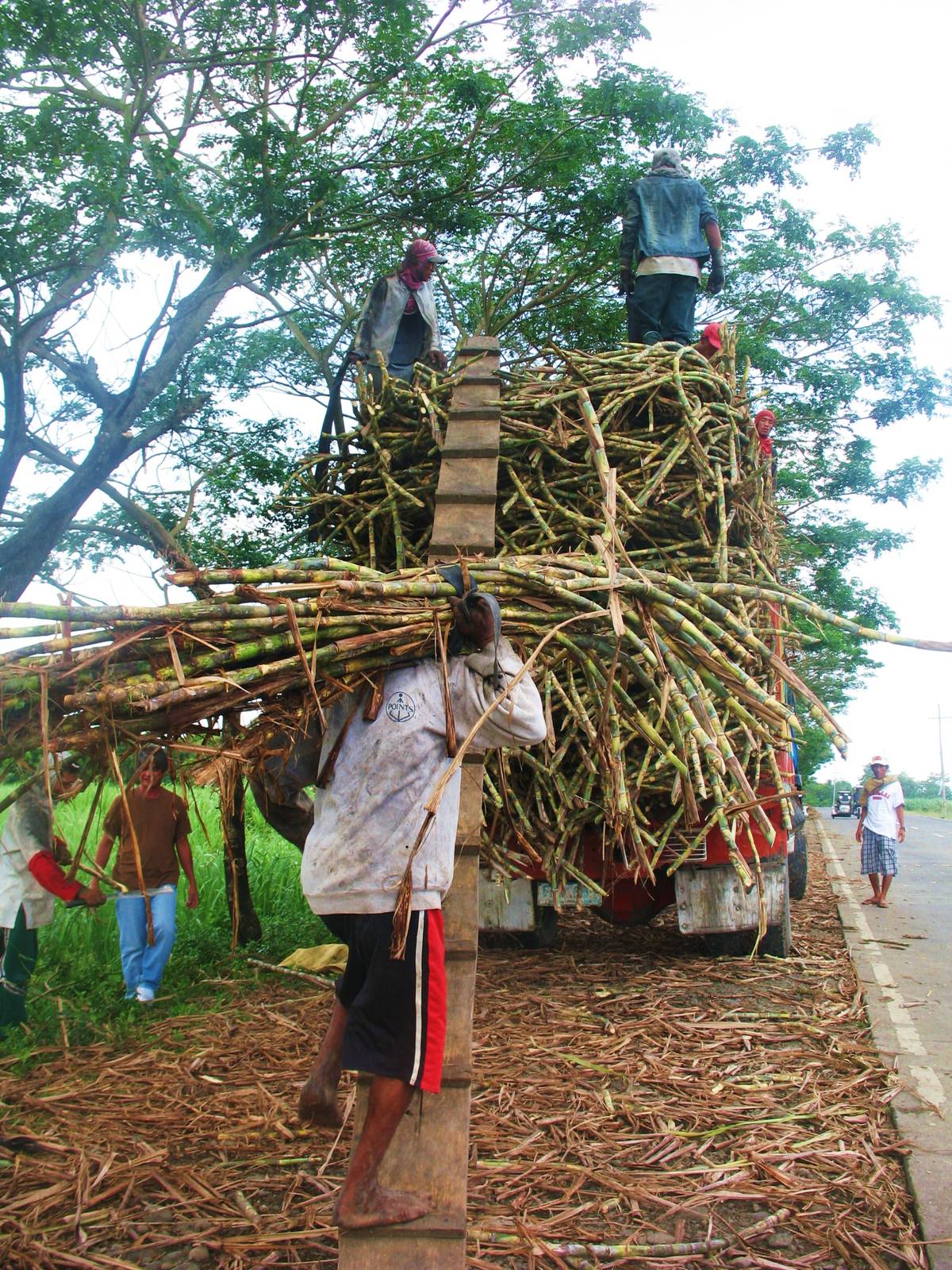
SUGAR workers harvest and load cane in Negros Occidental, highlighting labor and livelihoods behind cuisines.
PHOTOGRAPHS by Roel Manipon for DAILY TRIBUNE