
Galunggong landings nearly double in March
‘The Navotas Fish Port Complex was able to manage the significantly higher volume smoothly, ensuring proper unloading and distribution across the supply chain.’

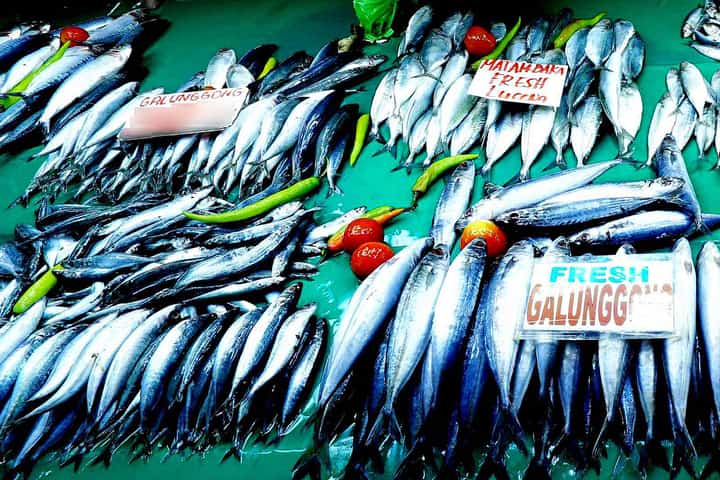
A sharp rebound in galunggong (scad) supply is easing pressure on fish prices, with landings at the Navotas Fish Port Complex nearly doubling in March 2026 as post–closed season recovery boosted catches, the Philippine Fisheries Development Authority (PFDA) said.
Data from the PFDA showed that round scad arrivals reached 16,165.52 metric tons in March, up from 8,161.92 metric tons in the same period last year.
The surge reflects stronger fishing conditions and the seasonal peak in supply.
The PFDA said the increase highlights the continuing recovery of key fish stocks following years of management measures. Agriculture officials also pointed to the long-running closed fishing season as a key factor behind improved yield.
“A decade of implementing the closed fishing season policy has contributed to the recovery of fish stocks, and we are now seeing the results in higher and more stable landings,” said Department of Agriculture Secretary Francisco Tiu Laurel Jr.
Of the total volume, shortfin scad accounted for 9,731.68 metric tons, while bigeye scad reached 6,433.84 metric tons.
The PFDA noted that the seasonal fishing ban from November to January helped replenish stocks, contributing to the stronger March output.
PFDA officials also cited favorable sea conditions and earlier vessel deployments as supporting factors behind the increase.
The agency added that peak galunggong season is expected to continue until July, which could sustain higher supply levels in the coming months.
The port complex was able to handle the surge in arrivals, ensuring smooth unloading and distribution across supply chains despite higher volumes.
“The Navotas Fish Port Complex was able to manage the significantly higher volume smoothly, ensuring proper unloading and distribution across the supply chain,” said Glen Pangapalan.
The PFDA said continued investment in cold storage and logistics infrastructure will be critical in minimizing post-harvest losses and maintaining fish quality as supply increases.