
Compost over imports: Villar eyes food security fix


As global fertilizer prices rise and threaten local farm output, the Villar Foundation is promoting organic fertilizer as a sustainable alternative to costly imports.
The group’s long-running composting program in Las Piñas converts kitchen and garden waste into fertilizer, reducing dependence on imported inputs while supporting urban agriculture.
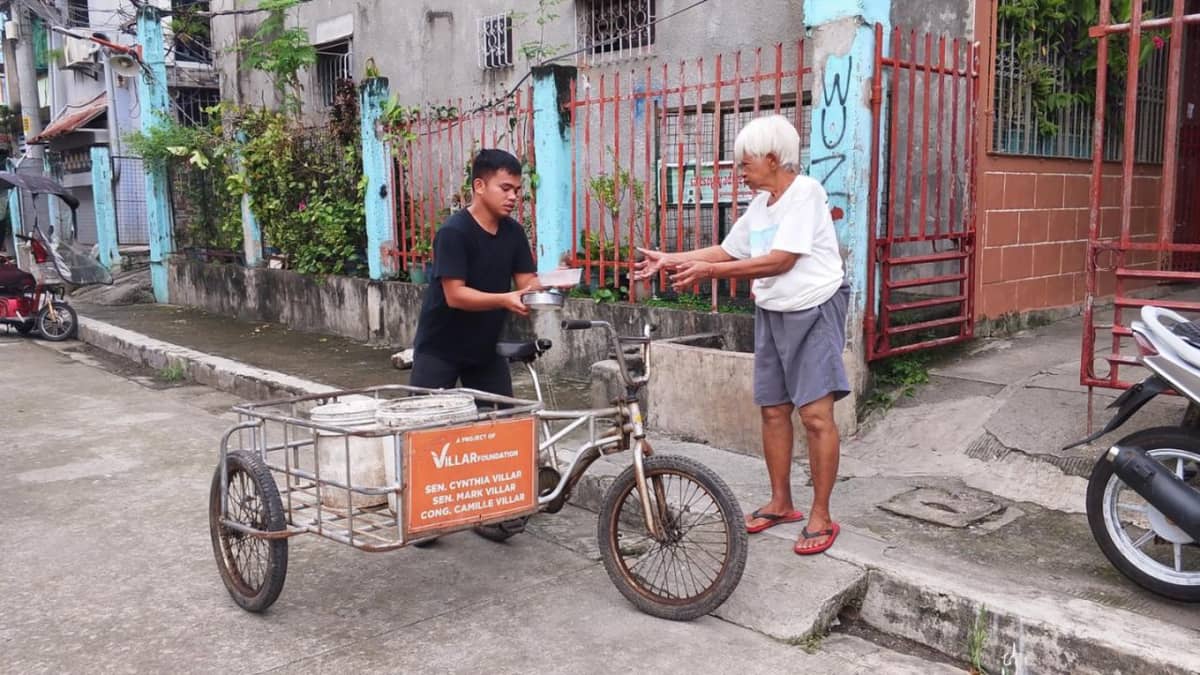
Launched in 2002, the initiative now operates 73 composting facilities, producing up to 73 tons of organic fertilizer monthly. The program also helps cut waste, with biodegradable materials making up about half of the city’s garbage.
Officials said the effort has saved around P300 million in hauling and disposal costs while providing free fertilizer and seeds to communities.
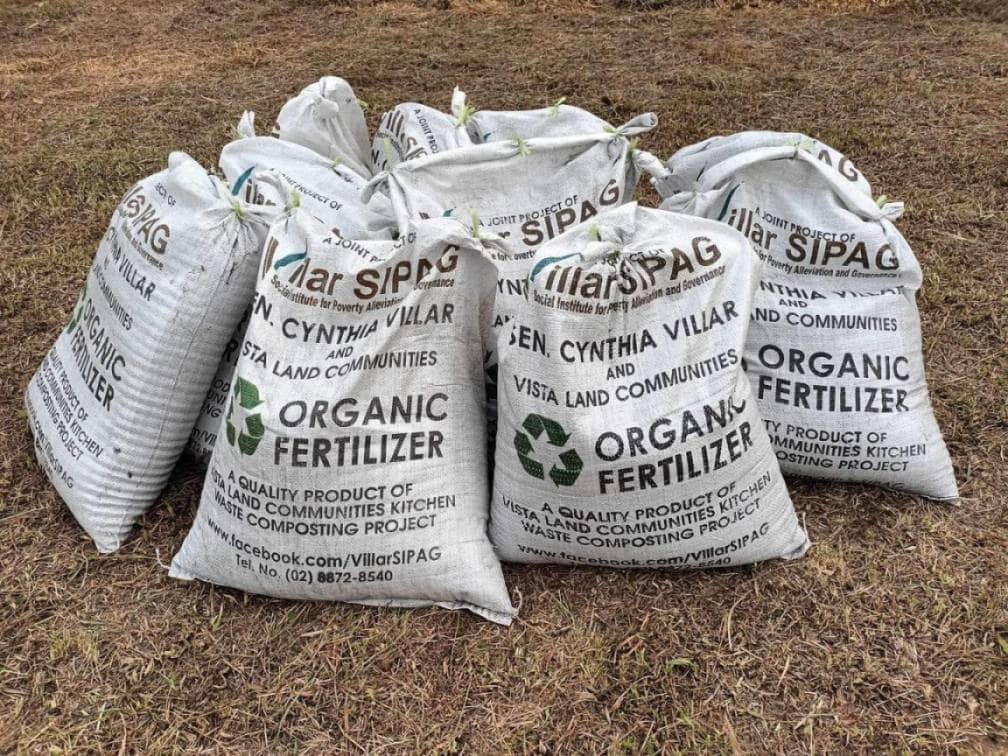
The initiative builds on laws championed by former senator Cynthia Villar to promote organic agriculture and expand composting nationwide, particularly for small farmers.
With urea prices reaching as high as $800 per ton and supply risks persisting, the foundation said locally produced organic fertilizer is becoming critical not only for sustainability but also for food security.