




Gulf truce’s Beijing link raised

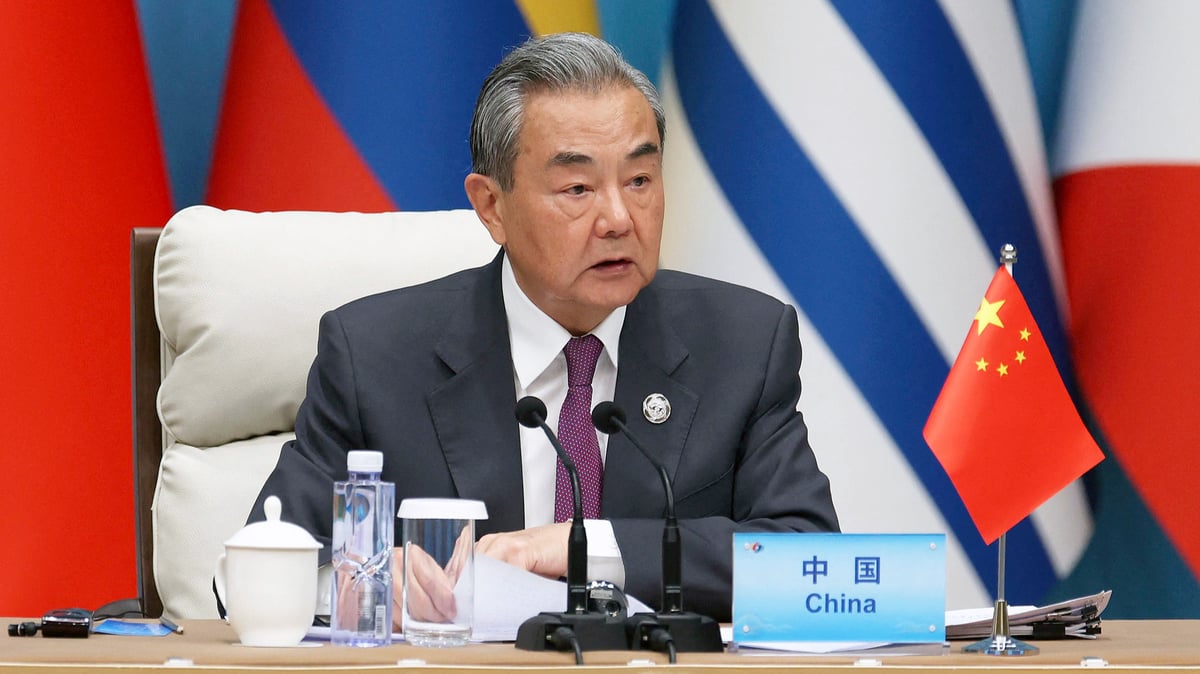
China may have played a key role in pushing for ceasefire talks between the United States and Iran, according to analysts, amid efforts to ease tensions in the Middle East.
China Foreign Minister Wang Yi said he held 26 phone calls with counterparts in Iran, Israel, Russia and Gulf countries during the conflict.
“I think there was pressure coming from China at the 11th hour,” said Professor Nina Lindstaedt of the University of Essex in an interview with ABC’s The World program.
China has called for an end to the conflict, urging all parties to demonstrate sincerity and move quickly toward de-escalation.
In a press briefing, a Chinese foreign ministry spokesperson said Beijing would “continue to make efforts to ease the situation and achieve a complete end to the war.”
Meanwhile, Pakistan is set to host negotiations between the United States and Iran on Saturday in Islamabad.
The talks are expected to focus on initiating peace discussions, prioritizing civilian protection, securing shipping routes through the Strait of Hormuz, and establishing a long-term framework supported by the United Nations.
Lindstaedt said Pakistan likely coordinated with Beijing, noting that pressure from Iran’s largest trading partner could influence developments.
China purchases more than 80 percent of Iran’s oil exports annually, accounting for about 13 percent of its petroleum imports, making stability in the Middle East a key economic concern for Beijing.
Housing is probably the biggest issue affecting people the world over.
Malacañang on Monday called for a more thorough investigation into the questioned flood control projects in Taguig…
The defense on Monday backed the move by senator-judges to exclude a prosecution witness who testified on the firearms…
