
Bags that never go out of style


Men were noticeably carrying big bags at Longchamp’s newest and Parisian-inspired boutique at The Shoppes at Solaire, a sight that would have immediately tagged them as effeminate some decades ago.
While the “man-bag” trend is accorded to fashion-forward designers in the 1970s, it really did not hit current consciousness until the likes of Hollywood actor Jacob Elordi and sporting great David Beckham were seen toting large Chanel and Hermes bags — Elordi for a “weekender” look and Beckham during the fashion weeks. It was, however, football hero Lionel Messi’s penchant for the Hermes Birkin 40 cargo that got this style watcher paying attention to the emerging lifestyle.
We are not talking messenger or cross-body bags here, nor backpacks that are essentially masculine to begin with. We are referring to tote styles that they carry like purses. This type of boldness is testosterone-filled, to be honest. What could be more male than the elan to wear pink (or, in this case, to tote a man-purse)?
And such has been the break from fashion boredom many seek that we are also seeing plenty of non-designer purses preferred by high-profile celebrities. After all, one does not have to be a “green living” advocate to appreciate the value of enduring quality, not just in terms of durability, but also style.
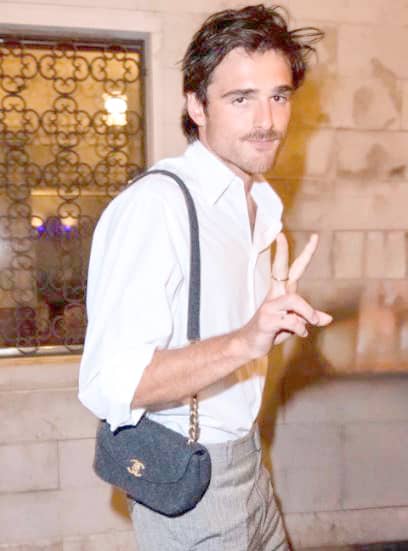
JACOB Elordi carrying a Chanel bag.
PHOTOGRAPH COURTESY OF IG/MAISON.DE.CHANEL

DAVID Beckham was spotted carrying a Kelly Voyage 50 during Paris Fashion Week.
PHOTOGRAPH COURTESY OF IG/SCMP_STYLE
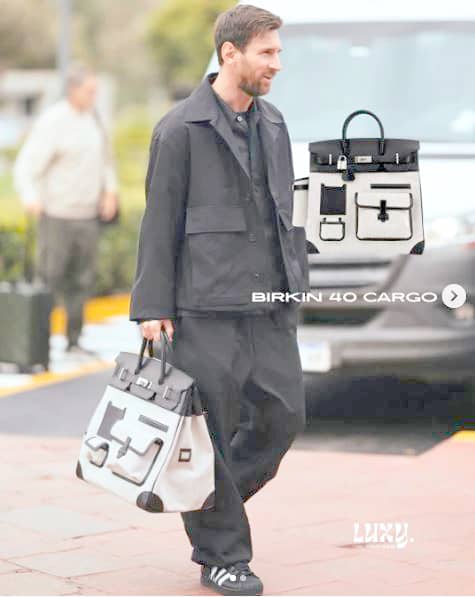
LIONEL Messi made the Hermès Birkin the coolest bag in the game.
PHOTOGRAPH COURTESY OF IG/DTELCOMERCIO
Resurgence
Lately, some legacy brands have reemerged as Gen Z favorites, among them Coach and Longchamp. From “mom bag” to Gen Z “discovery,” Coach appealed for its designs, apparently, as seen mostly on TikTok by a generation with a more practical bent.
Many of the young fans of this classic American brand born in the 1940s cites “the brand’s quality leather, craftsmanship and price point relative to luxury bags,” InStyle says.
Meanwhile, L’Officiel notes that “Longchamp bags have become Gen Z’s new obsession.”
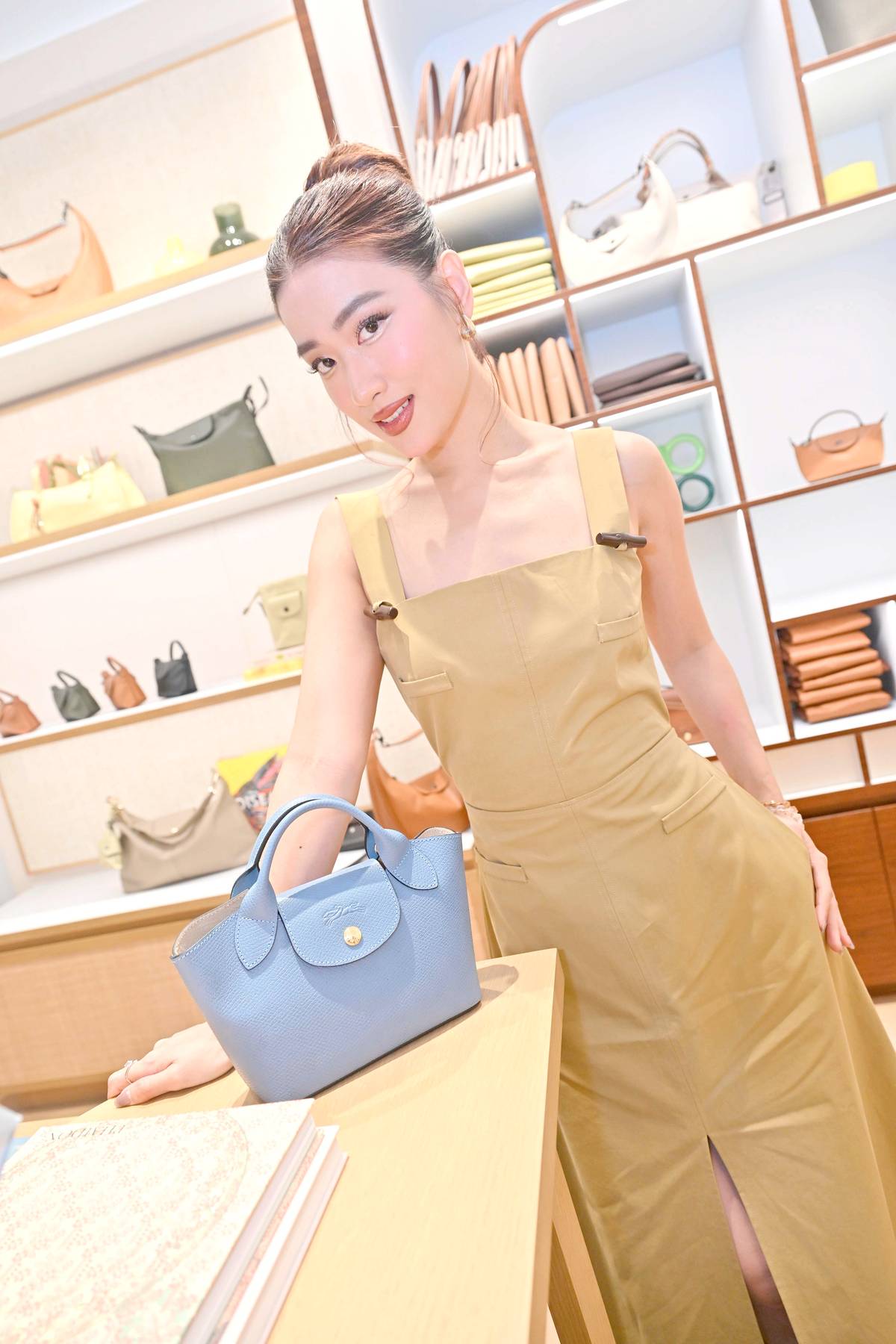
JANEENA Chan with Longchamp bag.
PHOTOGRAPH COURTESY OF LONGCHAMP
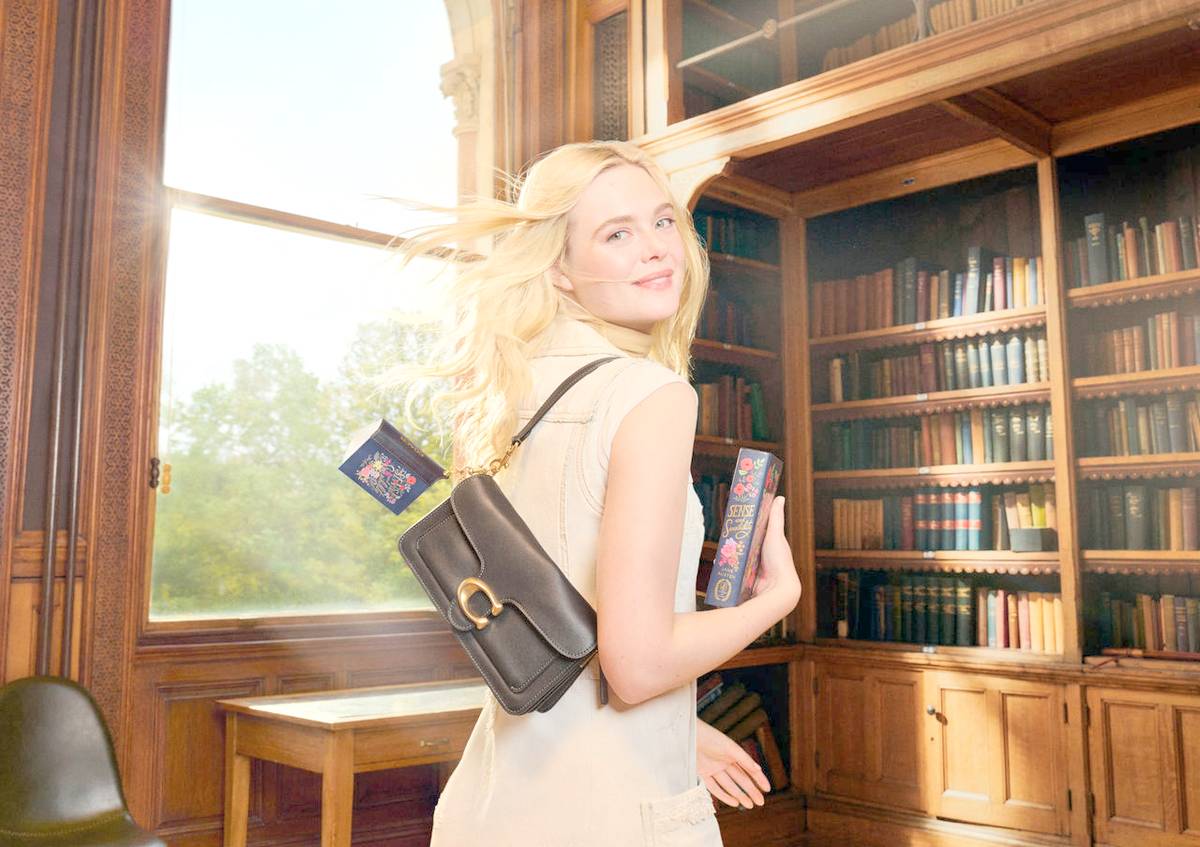
ELLE Fanning in Coach Spring 2026.
PHOTOGRAPH COURTESY OF COACH
The Parisian fashion house, established in 1948, attracts people who appreciate minimalist accessories, states the magazine.
The brand recently opened its store in Solaire’s The Shoppes, a comfortable, chic space that features a cozy lounge with vintage-style furniture. Guests may enjoy complimentary coffee while exploring a curated “cabinet of curiosities,” composed of unique flea-market finds and specially commissioned art pieces. It is also the only store with a Pliage Library, an upgraded evolution of the signature Pliage Wall showcasing the iconic Nylon and Leather Le Pliage collections.
Part of this low-key brand’s resurgence has been its inclusion in the Emily in Paris movie where Lily Collins made the bag much more desirable to the young market. Also, popular Gen Z actors in various films have further upped the brand visibility and appeal.
Longchamp’s new Parisian-inspired home at The Shoppes at Solaire is the best way to immerse in the brand’s heritage, evolution and distinct character.
Another Parisian name that has caught style-setters’ fancy is Fleuron, a “quiet luxury” bag brand that boasts of soft yet durable leathers, classic French style and fine Italian craftsmanship.
Fleuron Paris, House of French High Leather Goods, has been seen in many a celebrity’s arm. Its call to “slow fashion” began in 2020 by the eponymously named Marine, described in the brand’s website as “a leather goods enthusiast who has 10 years of experience in the sector. His philosophy, it adds, is that of a “’New Luxury,’ where each product appears simple, pure, harmonious by the quality of its details.”
This vision is fueled by “Fleuron’s key word: intransigence. On the quality of materials sourced from excellent tanners, on the work of leather crafted by hand in the best Italian workshops and on the fair price, without intermediaries.”
Beyond quality, culture
On the local front, a homegrown brand that was born in 1992 by the family that runs the company to this day has the same vision.
FINO Leatherware has grown into a force for local accessories style with its dedication to Filipino craftsmanship. Long after many trendy hits had passed, FINO remains a classic staple for those who prefer upscale bags that can be passed on to the next generation.
The brand was founded by an enterprising who entered the market with quality leather goods that could compete with the more expensive labels from abroad.
They adopted techniques from European leather consultants, committed to premium materials, invested in modern machinery and sought local expertise in crafting the designs. Their bags and accessories are, indeed, tested by time, “made to last.”
Perhaps unknowingly, the brand became a purveyor of Philippine design sensibilities, culture and craftsmanship, over three decades hence.
It continues to lead the way with its latest design collaboration, this time with architect Royal Pineda whose Royal Atlas Bag has been drawing the eye at the FINO Leatherware store in Power Plant Mall.
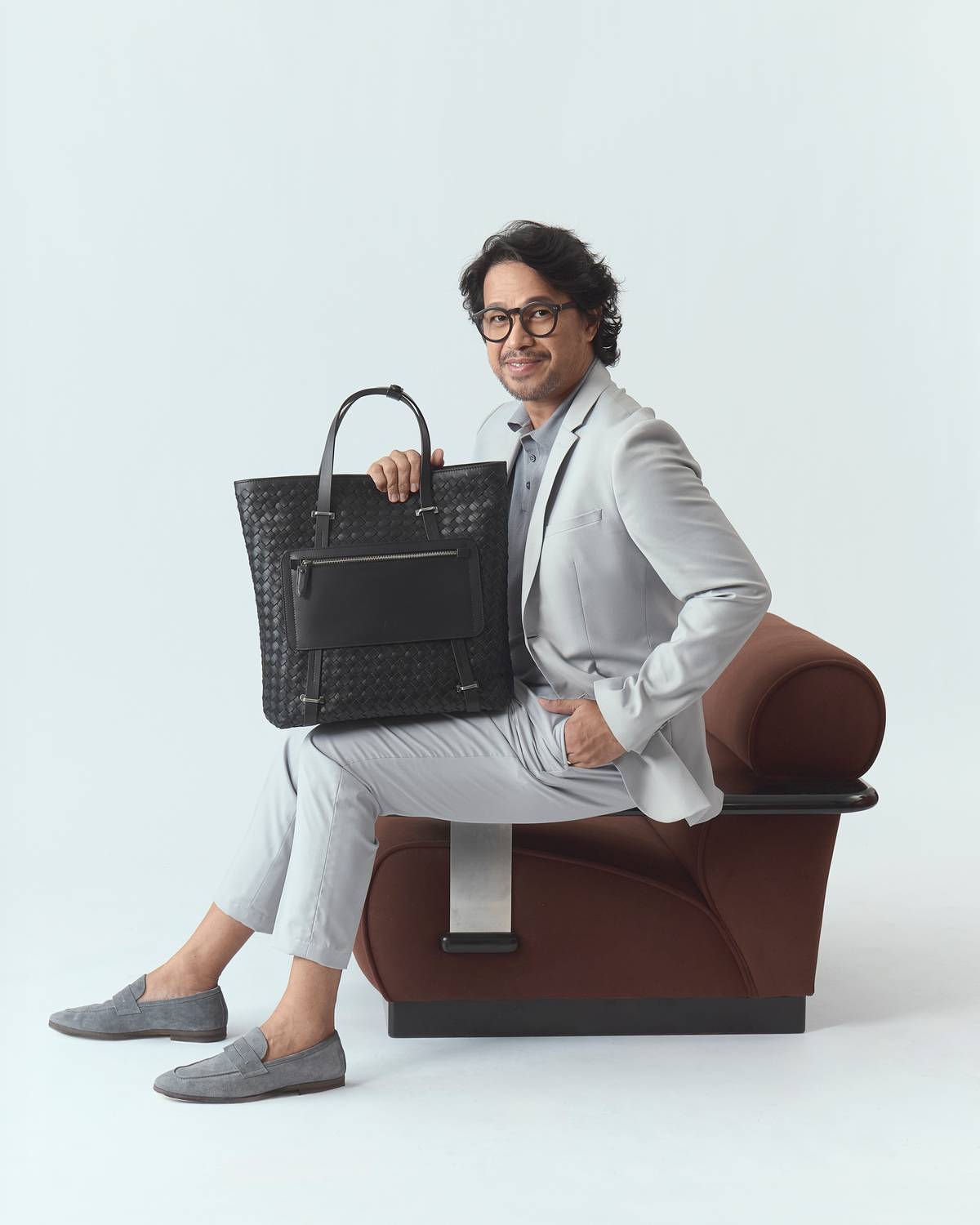
ARCHITECT Royal Pineda and the Royal Atlas bag.
PHOTOGRAPH COURTESY OF FINO
What’s distinct about this collection is that it was “designed and crafted as ‘a tactile map of life’ and badge of Filipino identity.” After all, Pineda is celebrated for pioneering Modern Filipino architecture.
A photograph was the impetus for this collaboration between FINO Leatherware and Pineda. According to the story, FINO owner Dr. Rommel Bautista was sent a photo of Pineda in Germany, standing on a curb with a leather FINO Overnighter in tow.
Dr. Bautista was immediately struck: “For someone of his caliber, it was striking and refreshing to me that Royal would choose a locally-made bag over the usual luxury brands. Here was a guy who truly understands what it’s like to be a local brand. After seeing that photo, I immediately had this idea of inviting him to do a collaboration with us.”
Pineda has always been a patron of the brand. “I have always been impressed by the premium leatherwork and attention to detail. I would later find out that this clinical precision is attributed to Rommel who is an eye surgeon.”
They met for the first time in May 2025, an encounter that reportedly “lasted for hours.”
“Initially, I wanted him to work with waxed cotton,” Dr. Bautista reveals. However, Pineda had something else in mind. “As an architect, I wanted something that I can use every day – from the site to the office, the city to the airport and other destinations. Functionality is very important for me.”
When the architect presented his concept for “an everyday bag that could carry his essentials,” Dr. Rommel was pleasantly surprised. “Royal is passionate about being Filipino,” he notes. “When he showed us his concept, he began to talk about weaving as an intrinsic part of our culture, even before all the mega brands began to use them in their products.”
The Royal Atlas Bag was initially conceived as the consummate “architect’s bag,” a tribute to form, movement and meaning.
The ancient Pasiking, a traditional carrier made of rattan, nito and bamboo, often used by the indigenous people of the Cordilleras, was the inspiration for the bag. “We named it the Royal Atlas because of how it relates to maps and travel. The bag was meant to be a traveling companion that carries the identity of the Filipino. It is always moving, but deeply rooted in identity.” The architect recalls that in his student years, he used to carry around a Pasiking bag.
The making of each bag, Dr. Bautista adds, requires the highest level of craft, precision and dexterity. “A trained eye will fully appreciate and understand the level of workmanship that goes into each bag. Punching the leather takes several days to complete. You cannot commit any errors; otherwise, the entire panel of leather is wasted. It is also important to understand that choosing the right kind of leather is important.”
According to him, it takes four times the amount of leather to create one Royal Atlas Bag. For it to be lightweight and to achieve that slouch, the leathers must be pliable and buttery soft, with just the right amount of density.
Strips of leather are then woven through the punched slots. Dr. Bautista says this makes the bag more water-resistant. “This technique also allows the leather to breathe. It also gives it more depth and dimension where most of the leather weaves we see today are flat,” adds Pineda. “This weave also gives us space to create more variations and iterations as the collection grows.” The Royal Weave is configured in the diagonal. “This follows the flow of the weave where lines echo each other.”
Pieces from the Atlas collection run in limited quantities, adding more to its value almost like a piece of art.