




The many shores of La Union
Creativity takes center stage, as some of the stones are transformed into artworks, shaped by local hands and boundless imagination.


Creativity takes center stage, as some of the stones are transformed into artworks, shaped by local hands and boundless imagination.

BLACK sand shores set the stage for La Union’s surf, where dark grains meet rolling waves in a rhythm both raw and inviting.
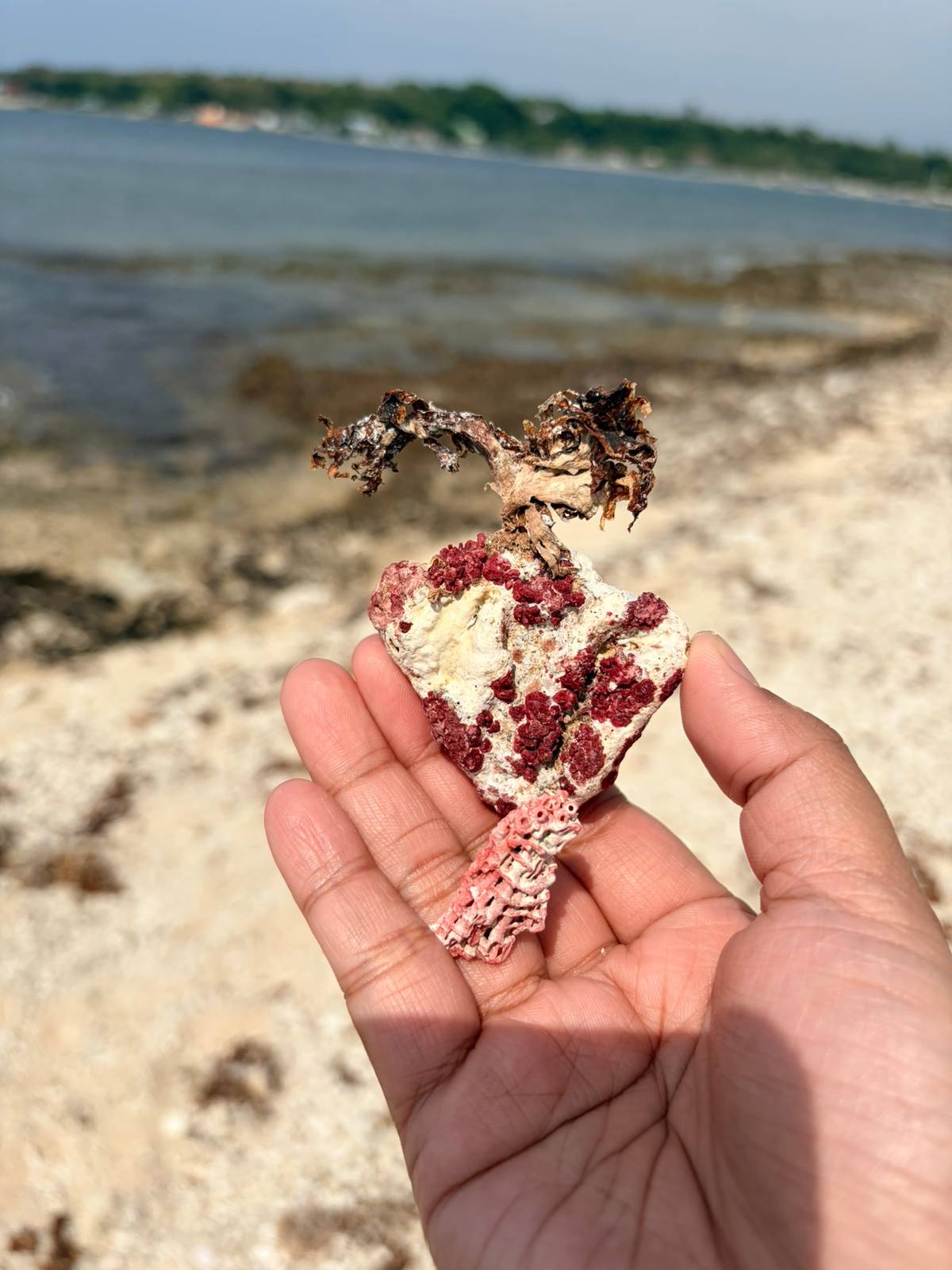
RED corals along the shores of Almeida Watch Tower add a vivid contrast to the coast.
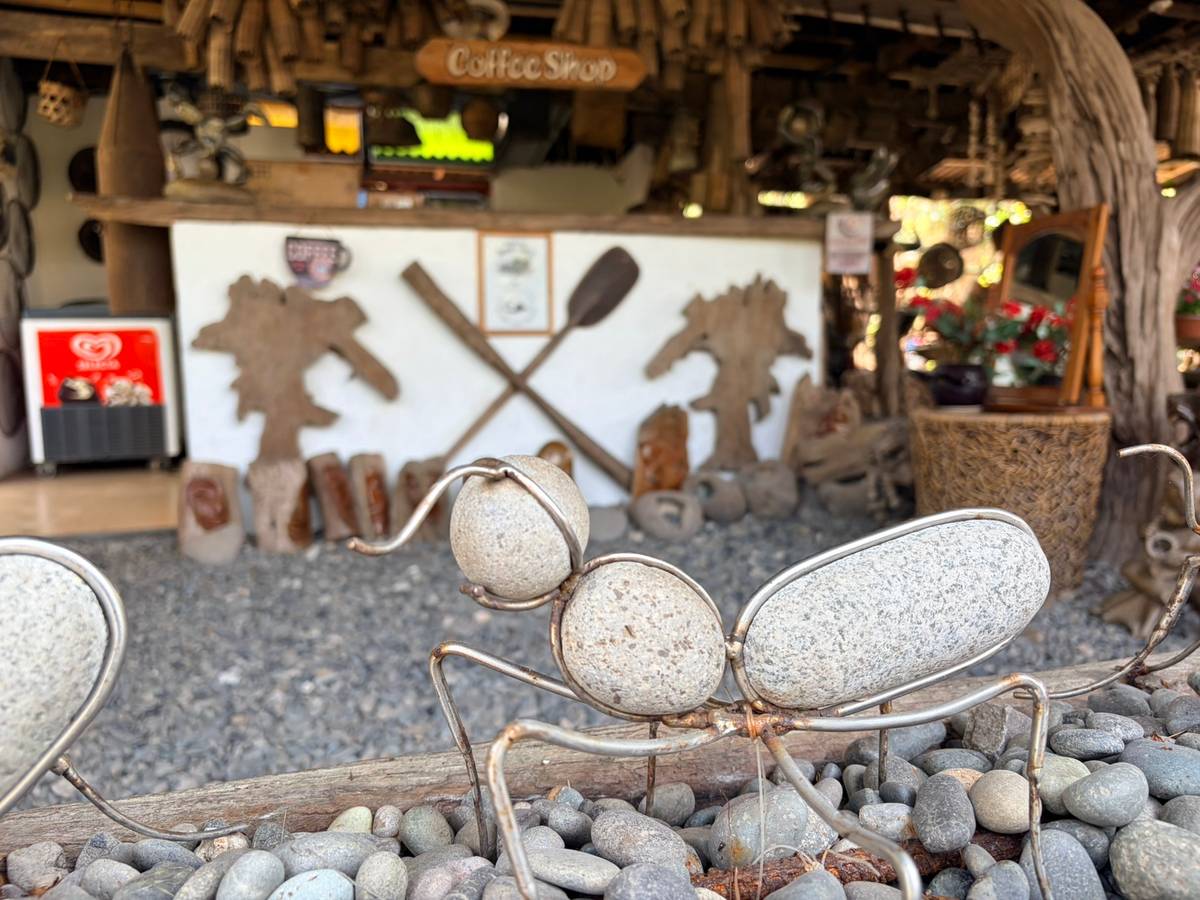
A PLAYFUL ant sculpture made of wire and beach stones adding charm in the café.
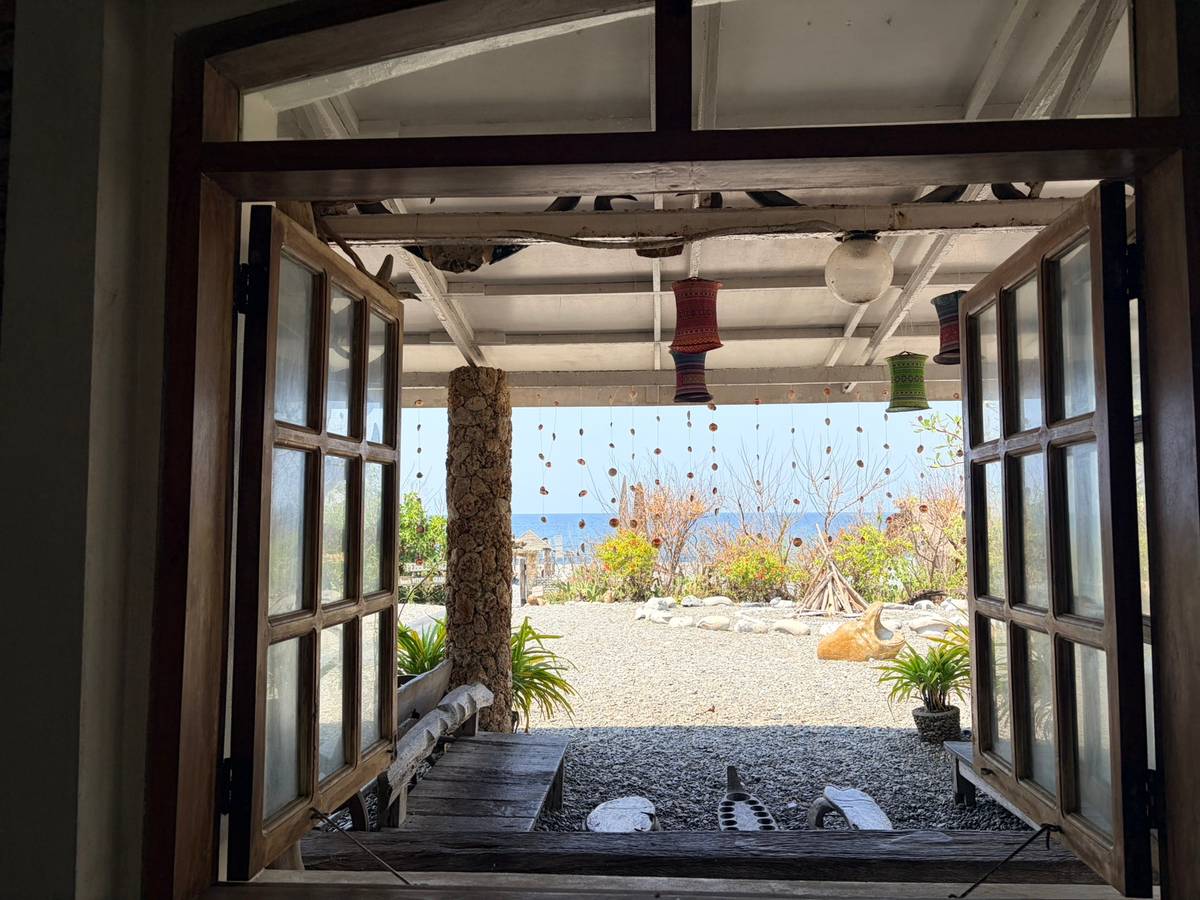
BAHAY na Bato blends stone, sea and art into a space.

BAHAY na Bato stands by the shore as a canvas of stone and sea, where Ilocano heritage and imagination come to life through art.
Even for a Filipino who calls this country home, travel has a way of revealing something new. From quiet corners to well-known destinations, places like La Union continue to surprise and inspire. Known as one of the country’s top surfing and summer spots, it offers more than what often fills social media feeds. It reflects a deeper beauty, one that speaks of the richness of the Philippines’ natural landscapes.
Located in the southwestern part of the Ilocos Region, La Union is bordered by Ilocos Sur to the north and northeast, Pangasinan to the south, and Benguet to the east. It proudly carries the title of Surfing Capital of the North, a name that captures both its waves and its spirit.
Tourism in the province found renewed energy in recent years, especially during the rise of the digital nomad lifestyle. When the pace of work shifted and flexibility became possible, more individuals began seeking balance, choosing to work remotely while staying close to nature. La Union became a place where the sound of the waves met the quiet rhythm of work, where days unfolded between ocean views and moments of stillness.
Across its coastline, each stretch of beach tells a different story. In Bauang and parts of San Juan, soft shores welcome both locals and travelers. In Balaoan, Navalta Beach stands out with its white sand, a gentle contrast to the more rugged edges found elsewhere.
In San Fernando and other developed coastal areas, black sand beaches shape the shoreline, adding depth and character to the landscape. Along these coasts, where recreation and daily life meet, the sea continues to shape both place and memory.
In the midst of these coastal treasures stands a watchtower, one of the few surviving structures of its kind in La Union. Recognized as a National Cultural Treasure in 2014, with its marker unveiled in 2021, it remains a quiet witness to time. The shoreline here is distinct, lined with a natural mix of dried corals and seashells. At certain points, fragments of red coral can still be seen near the water, especially where fishermen dock their boats during moments of rest.
Further along the province lies Luna, where the shoreline takes on an entirely different form. Instead of sand, the coast is covered with smooth pebbles that stretch across several barangays. This unique landscape can be found in places like the well-known Nalvo Pebble Beach. The stones, shaped and carried by the flow of the Amburayan River, are brought to the shore by the movement of the sea, creating a coastline that feels both grounded and ever shifting.
Within this same town stands a seaside art house that reflects Ilocano heritage and creative spirit. Once a private residence, this space has grown into a living gallery filled with sculptures made from volcanic rock and driftwood. Its walls carry expressive murals and carvings, while dedicated areas showcase personal collections and reimagining of the traditional Ilocano home.
Beyond its artistry, Bahay na Bato also offers a place to stay and experience. Guests can arrange accommodation, enjoy curated dining, or even set the scene for pre-nuptial shoots, allowing visitors to linger longer and create lasting memories in a space shaped by both nature and imagination. A modest entrance fee allows access to this immersive property, where every corner invites curiosity and reflection.
Along the shoreline, piles of pebbles are carefully preserved as part of the landscape. Visitors are reminded to leave the stones untouched to help protect the coast and prevent erosion over time. Swimming is also not allowed due to strong waves and the presence of rocks that may pose risks. Instead, creativity takes center stage, as some of the stones are transformed into artworks, shaped by local hands and boundless imagination.
In La Union, every shore, every wave, and every quiet path holds a story. It is a place where nature and culture meet, offering not just a destination but a lasting impression that lingers long after the journey ends.
Before politics, the pressures of public life, and the Presidential Palace, Ferdinand “Bongbong” Marcos Jr. remembers a…
When a Tennessee woman was sentenced to death in 1996 for murdering a 19-year-old student the year before, she remained…
Records from the Anti-Money Laundering Council (AMLC) showed that Cale88 Foods Corp., a firm linked to Vice President…
