
Int’l Dance Day Fest in April strengthens Makati arts hub


When the American Ballet Theatre (ABT) Studio Company takes the stage at the Samsung Performing Arts Theater on 22 April, it represents more than an international gala opening. It signals the return of a high-level exchange designed to bridge the geographic gap between Manila and the world’s leading dance capitals.
By integrating global principals with local outreach and specialized training, the International Dance Day Fest (IDDF) 2026 positions Makati as a critical site for professionalization and the development of global technical standards.
International Dance Day, established in 1982 by the International Theatre Institute and observed every 29 April in honor of Jean-Georges Noverre, is globally recognized as a celebration of dance as a universal language. In Makati, the observance expands into a week-long program that supports and engages the broader dance community.
From 22 to 26 April, the festival runs at Circuit Makati, with the Samsung Performing Arts Theater as its main venue. The structure is straightforward: five consecutive galas representing distinct sectors of the dance ecosystem.
The Opening Gala on 22 April features the ABT Studio Company with principal dancers Thomas Forster and Christine Shevchenko. It is followed by the Folk and Traditional Dance Gala on 23 April, the Street Dance Gala on 24 April, the Ballet Gala on 25 April, and the Contemporary Gala on 26 April, bringing together professional companies, cultural groups, academic institutions and independent artists.
“This year, the festival will open with a special gala performance by the American Ballet Theatre Studio Company… it is a privilege to welcome internationally renowned artists to our stage, and equally meaningful to see Filipino dancers sharing the same platform where we can showcase the discipline and artistry of local talent alongside the best in the world,” said Christopher Mohnani, managing director of the Samsung Performing Arts Theater and artistic head of Ayala Land’s cultural development for Makati, during a press conference.
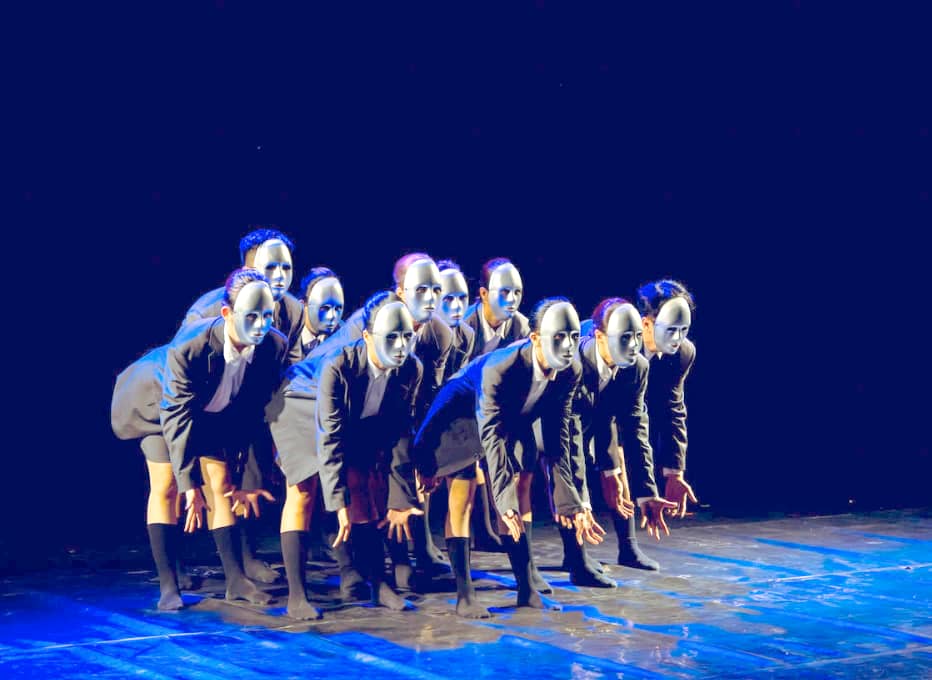
HIRAYA Contemporary Dance Company.
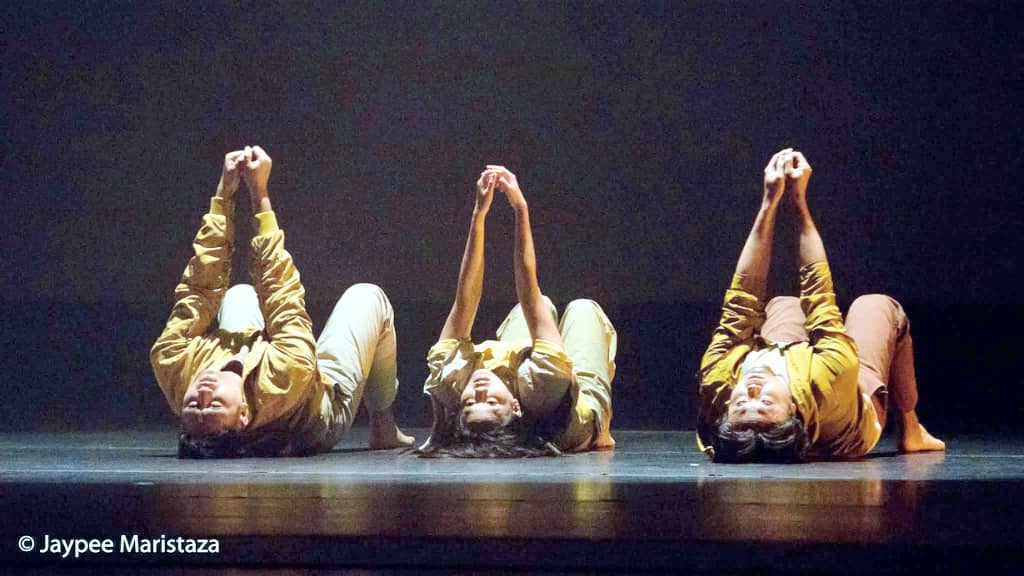
AIRDANCE
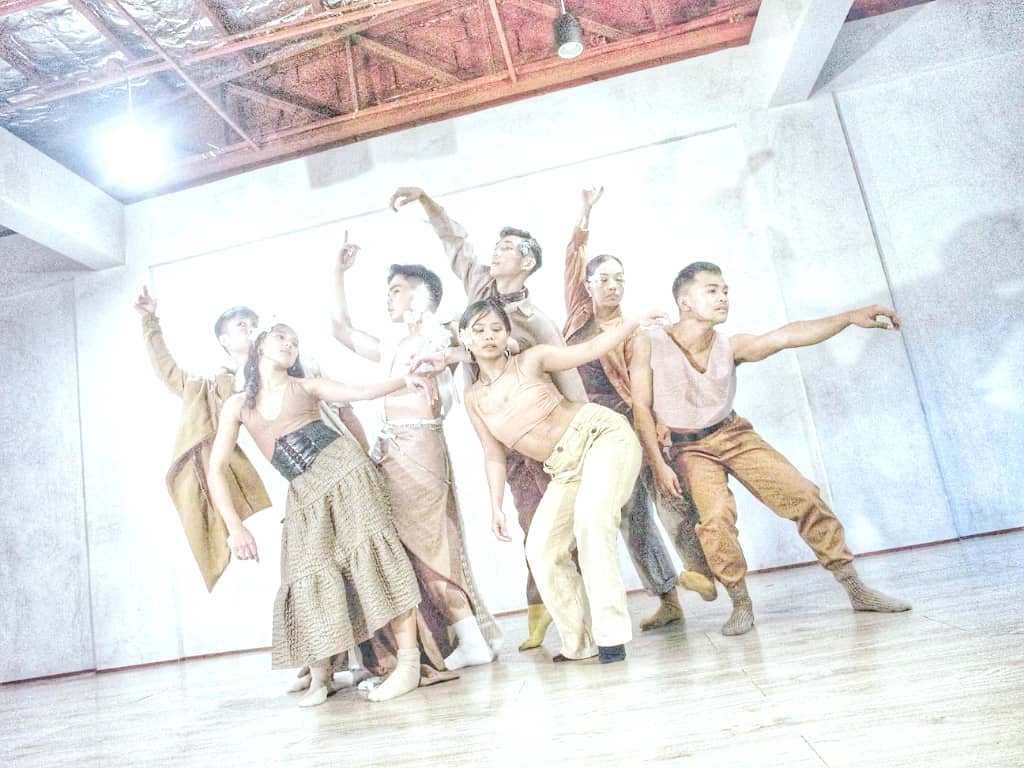
GALAW.Co Dance Theater
One platform, multiple institutions
The festival brings together multiple sectors of Philippine dance within a single venue at Circuit Makati. Its structure is clearly defined, with each gala representing a distinct discipline while sharing one platform.
A key moment comes during the Ballet Gala. “That’s the only time you will see all four professional ballet companies of the Philippines on one stage,” said Mohnani during the same press conference, referring to Ballet Manila, Philippine Ballet Theatre, Ballet Philippines and Alice Reyes Dance Philippines.
The significance goes beyond programming. In the absence of large-scale national festivals, private venues are taking on a more central role in sustaining the country’s dance ecosystem.
“Right now, we are not able to organize big festivals,” said Ronnie Mirabuena, president of the Philippine Folk Dance Society, during the same press conference. “So we are glad that the Samsung Performing Arts Theater is doing its part. We need spaces like this to continue growing and to make dance a tool for social change.”
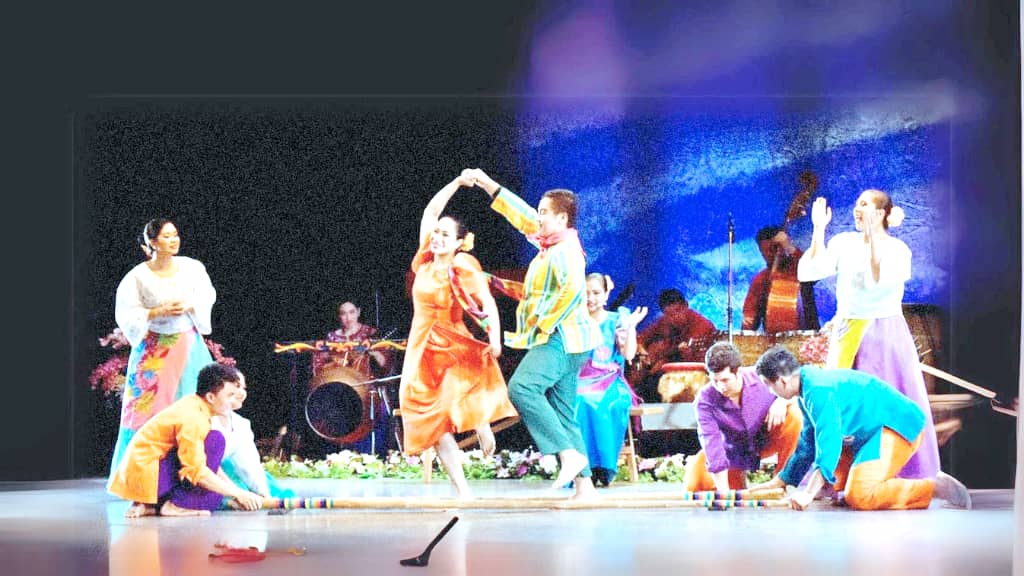
BAYANIHAN The National Dance Company of the Philippines
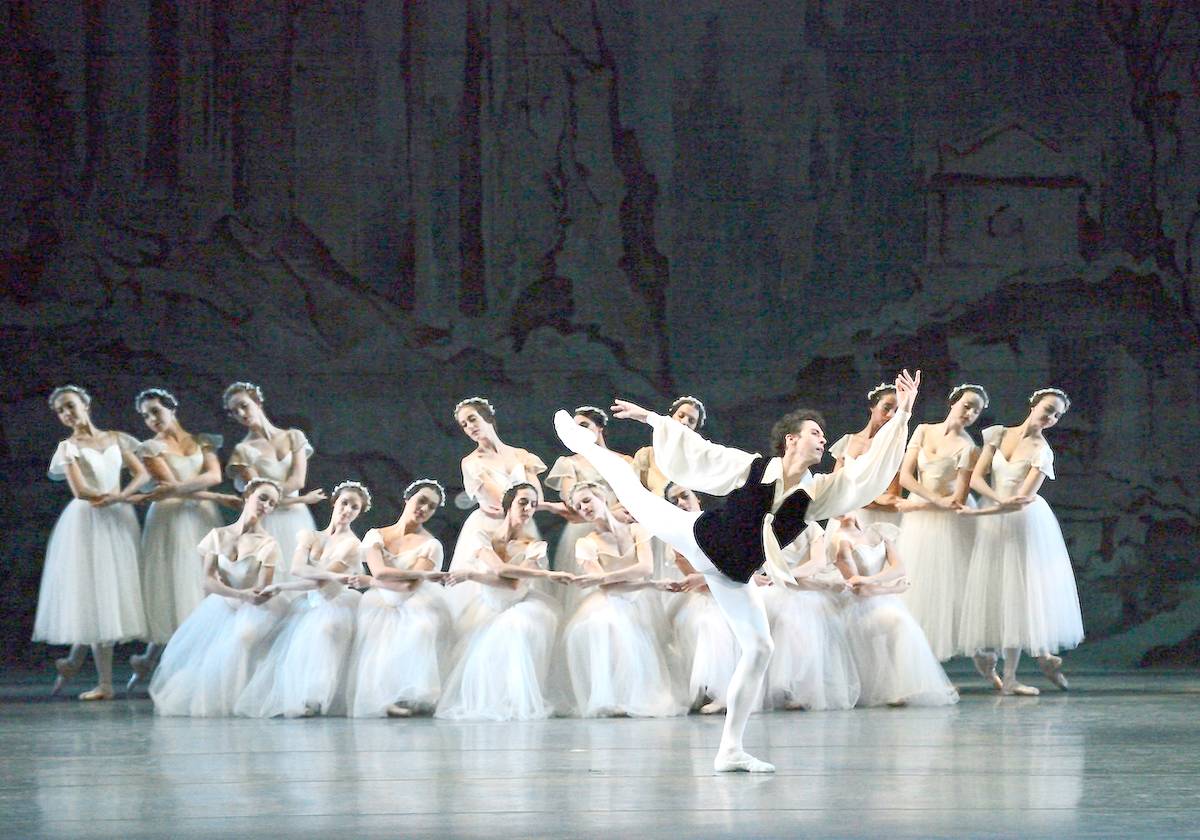
THOMAS Forster, American Ballet Theatre principal dancer.
Access as a parallel system
Alongside centralized performances is a parallel effort focused on access. Programming extends beyond the theater into public and educational spaces across Makati.
“Beyond Circuit Makati, the celebration again extends across the entire Makati, transforming International Dance Day into a truly citywide experience,” Mohnani said. He pointed to initiatives such as open dance fitness classes at Ayala Triangle Gardens, “reminding us that while dance can be world-class, it is also something that belongs to everyone.”
Education is integrated into the program. On 21 April, ABT Studio Company Artistic Director Sascha Radetsky will lead a lecture-demonstration for public school students, offering a behind-the-scenes look at how a performance comes together. The free session will be held at 2 p.m. at the Samsung Performing Arts Theater.
The emphasis on access addresses geographic limitations.
“It’s really all about access. The Philippines is geographically far, so opportunities are limited. So this festival gives local artists exposure, inspiration, and a chance to become globally competitive,” Mohnani said. He stressed the value of proximity: “It also allows artists to see each other in one space — something that doesn’t happen often.”
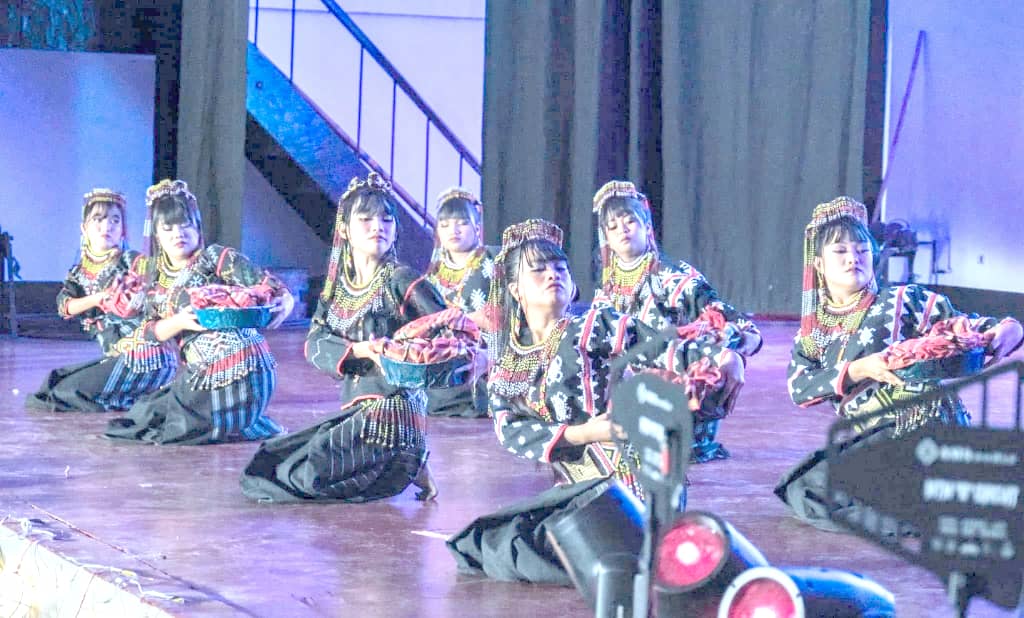
UNIVERSITY of Santo Tomas' Salinggawi Dance Troupe.
Curating the ecosystem
The festival is shaped through a curatorial model, with each gala led by a different expert. “We have not changed the formula… It’s really about collaboration. Each year… I reach out to our curators and ask how they envision the festival. It allows us to bring together different perspectives and create a platform that benefits the entire community,” Mohnani said.
For contemporary curator Myra Beltrán, the impact is immediate. “Contemporary dance is mostly composed of independent artists. For me, the important aspect is sharing the stage — you will never be the same after that,” she said.
She described her approach: “I create a narrative for the entire program. I arrange works so that each unique voice stands out. It’s about shaping the experience for the audience while preserving each choreographer’s identity,” Beltrán added.
In the Folk Dance Gala, the focus shifts to continuity and context. “Our creative process is always challenging. We have to balance tradition and innovation. We cannot be too traditional, but we also cannot lose the cultural context,” Mirabuena said. “We consult cultural bearers to ensure authenticity and respect for identity.”
Global exposure, local positioning
International exchange is embedded through both performance and training. The participation of the ABT Studio Company and the inclusion of Gerald Arpino’s works reflect direct engagement with global repertory.
In addition, The Joffrey Ballet and Gerald Arpino Foundation répétiteur Christine Rocas will stage and teach excerpts from two of Arpino’s well-known works, further highlighting the festival’s emphasis on cultural exchange.
“Exposing ourselves to the global dance space would only enrich our artists as well as enrich the experience of our audiences,” Rocas said. She pointed to long-term potential: “Maybe someday… even our Filipino stories will be told by the world.”
Within this framework, Makati is positioned as a central site where local and international practices intersect. The Samsung Performing Arts Theater, supported by Ayala Land, functions as the primary platform for this exchange.
“Year after year, we’ve been trying to really elevate and make International Dance Day Festival a true flagship and signature event to make sure that dance is enduring and it is relevant to this day,” Mohnani said.
The International Dance Day Fest 2026 operates as more than a festival. It functions as a structured cultural environment where artists, institutions and audiences converge through sustained programming and private infrastructure. For the local dance sector, its significance lies in the consolidation of space, access and visibility within one urban platform.
Tickets for the International Dance Day Fest 2026 are available via Ticketworld.