
The Imperial City of Huế withstands time
Even today, the scale of the entire area alone is striking — sprawling grounds edged by secure moats and fortified gates, with layers of history at every turn.

Proudly set along the gentle curve of the fabled Perfume River, the Imperial City of Huế majestically unfolds as a vast, storied walled interwoven network which once stood at the very center of all powers in Vietnam.
The Complex of Huế Monuments was recognized as a UNESCO World Heritage Site in 1993, and remains one of the country’s most significant cultural landmarks today. Within its grounds are enlightening temples, sweeping palaces, tranquil gardens, and administrative buildings which faithfully served the Nguyễn dynasty for over a century.
On our recent revisit, our ever-ready tour guide Joe shared some diverse rich historical background. Construction earnestly began in the early 1800s under Emperor Gia Long, who envisioned an ideal location to reflect both authority and harmony. The design drew from Eastern principles of balance, with axial layouts, protective walls, and deliberately positioned water features.
We soon found out during the colonial period, it functioned largely as a ceremonial seat, before the monarchy’s eventual end in 1945.
Sadly, the terrible conflict in the decades which followed left visible devastating damage — though restoration efforts, which seem to not stop nor slow down — continue to restore much of its former grandeur and splendor. Even today, the scale of the entire area alone is striking — sprawling grounds edged by secure moats and fortified gates, with layers of history at every turn.
Walking through the citadel reveals details which are easy to miss unless you take your time. Here are our favorites:
1. Forbidden Purple City
At the heart lies the Forbidden Purple City, once reserved solely for the emperor and his inner circle. It remains as the most restricted part of the zone. Much was lost during the wars, though ongoing rehabilitation to rebuild sections piece by piece is obvious. Even in partial recovery, it carries a true sense of seclusion.
2. Thái Hòa Palace
This served as the throne hall, where coronations and major ceremonies took place. Its interiors are rich with gold and lacquer, yet the scale remains measured and never overwhelming.
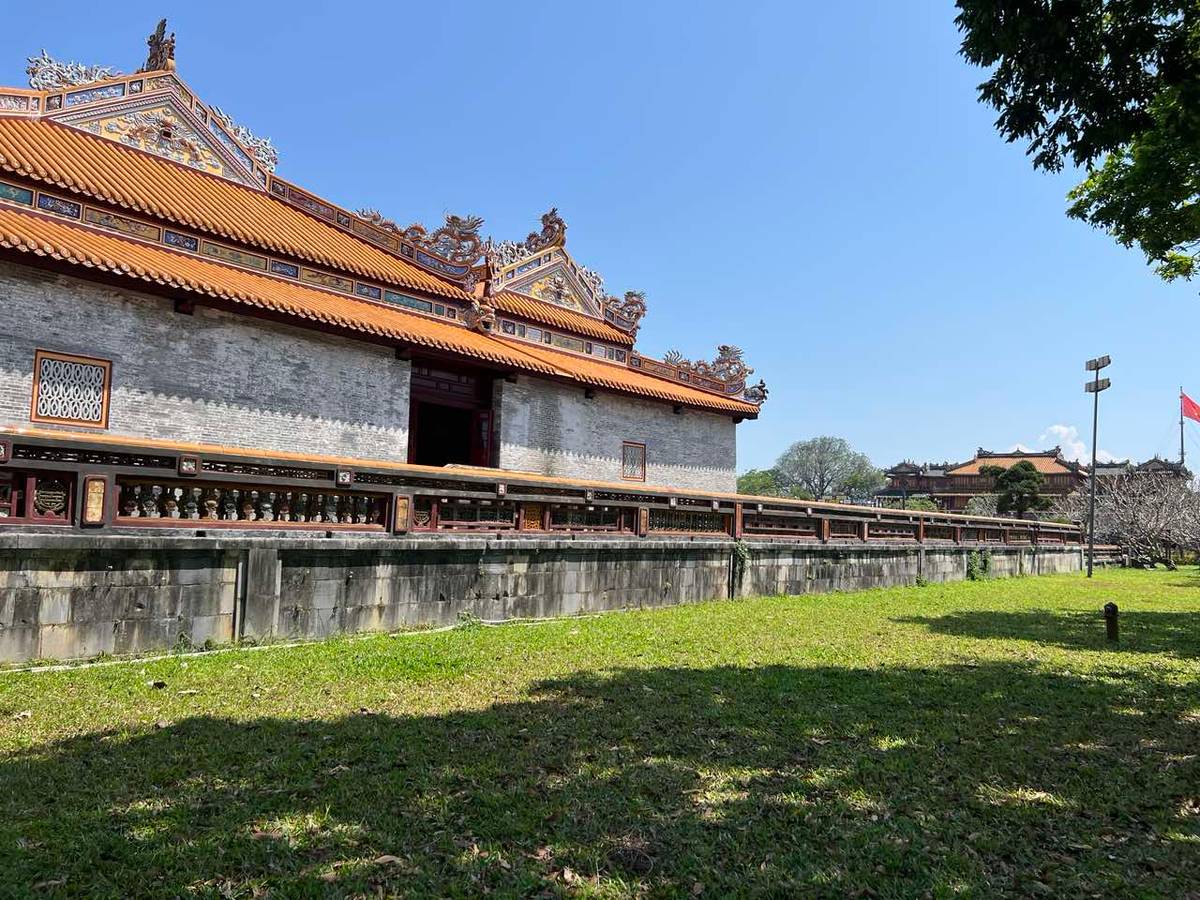
THE Thái Hòa Palace.
3. Royal Theatre (The Duyệt Thị Đường)
The Duyệt Thị Đường Theatre stands as one of Vietnam’s oldest surviving performance spaces. Once reserved exclusively for the court, it still hosts traditional music and drama. Kindly do remember — it is one easy spot to miss unless pointed out. Yet it offers one of the most vivid connections to history.
4. The Nine Dynastic Urns
By the ancestral temple courtyard are the Nine Dynastic Urns, cast between 1835 and 1837 under Emperor Minh Mạng. Each bronze vessel carries distinct detailed carvings — mountains, rivers, animals, celestial forms — which together form a visual map of the country as it was then understood.
5. Formidable Walls
The compound is encircled with thick defensive ramparts, reinforced by a wide moat and watch points. The citadel is said to have 10 main gates, each positioned with strategic intent. The most striking remains the Ngọ Môn or Meridian Gate, whose five entrances rise beneath an elegant pavilion. It was here, in 1945, where Emperor Bảo Đại abdicated after Japan surrendered in the war.
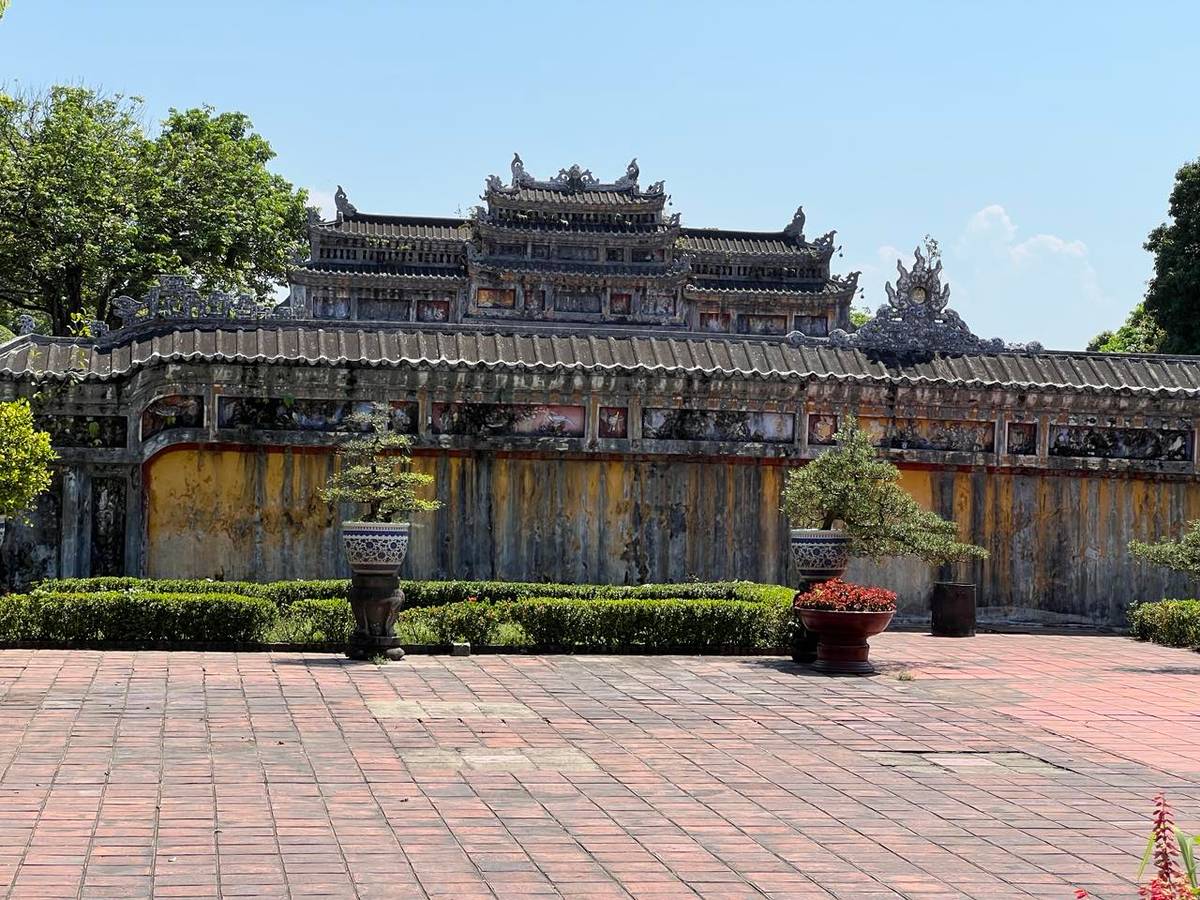
THE Formiddable walls inside The Imperial City of Huế.
6. Sweeping Squares and Lustrous Ponds
Ponds Open expansive courtyards provide appreciative breathing pause between structures. Lotus ponds reflect the sky, while carefully arranged plants soften the geometry of the grounds. These quiet interludes make the size of awe-inspiring opulence effortless to assimilate.
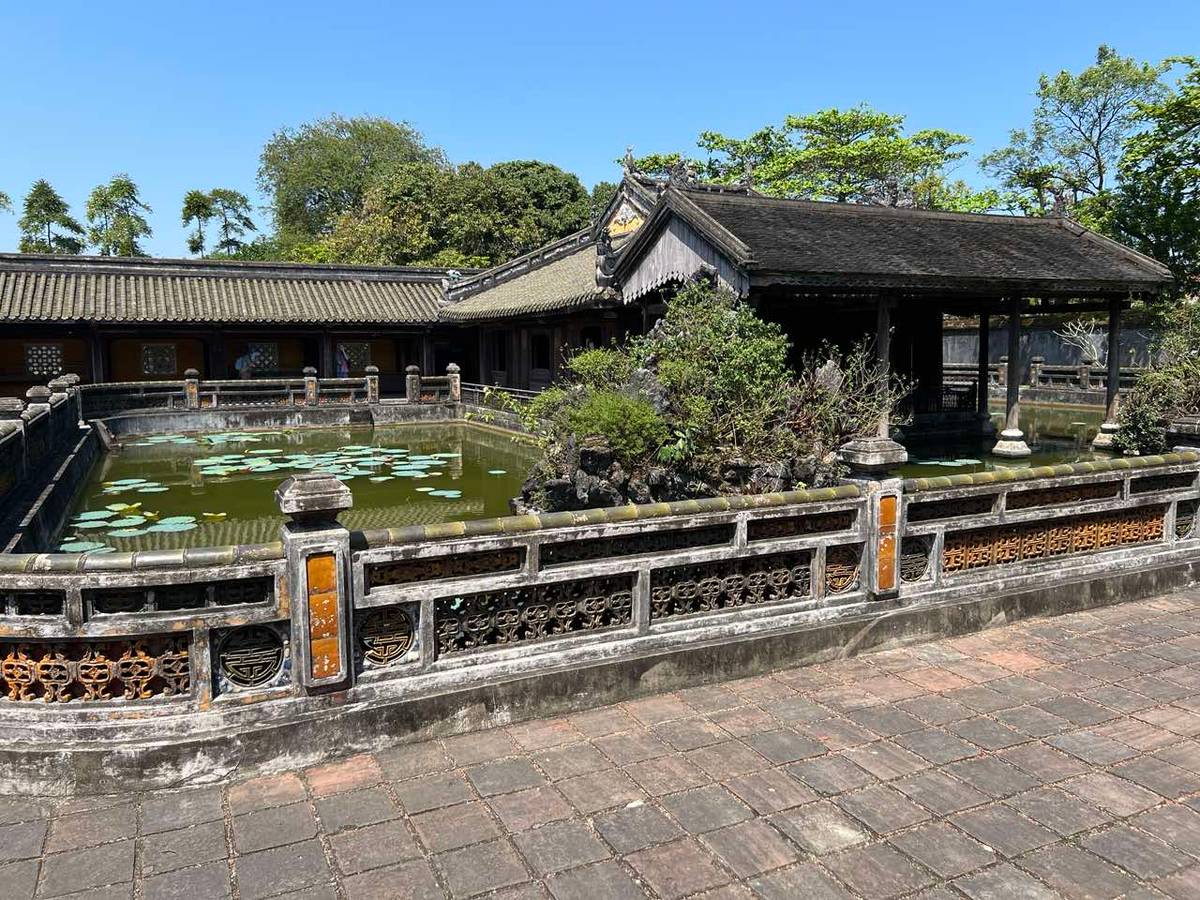
THE Royal Lotus Pond.
7. Time-Tested Architecture
The structures shift between imposing and delicate. Tiled roofs curve with mathematical precision, while lacquered beams glow under filtered light. Then there are the several gates — some vibrant as if newly painted, others marked by time and conflict — their sad tragic surfaces bearing bullet holes from the distressing Vietnam War.
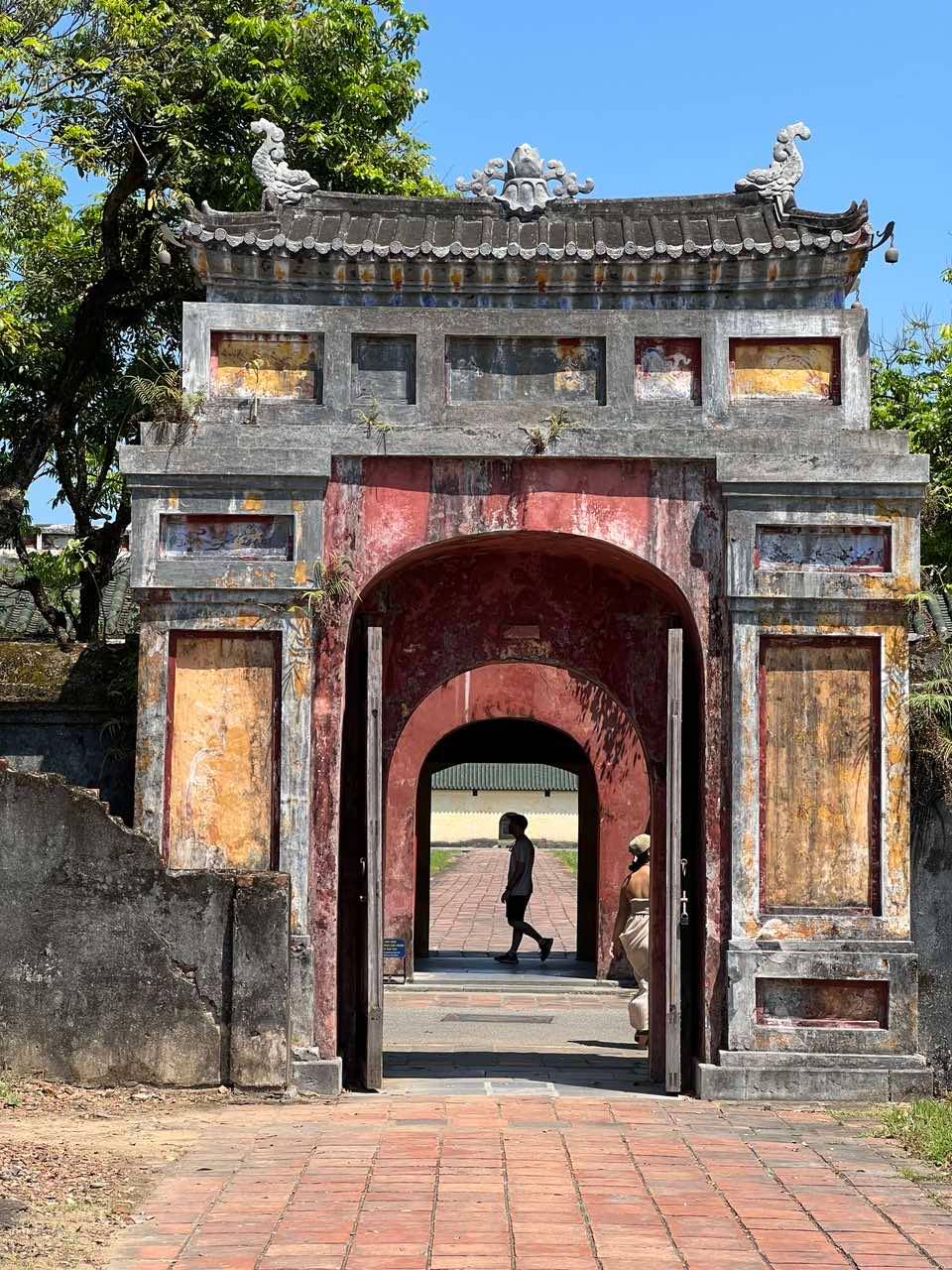
A man walks across one of the storied gates.
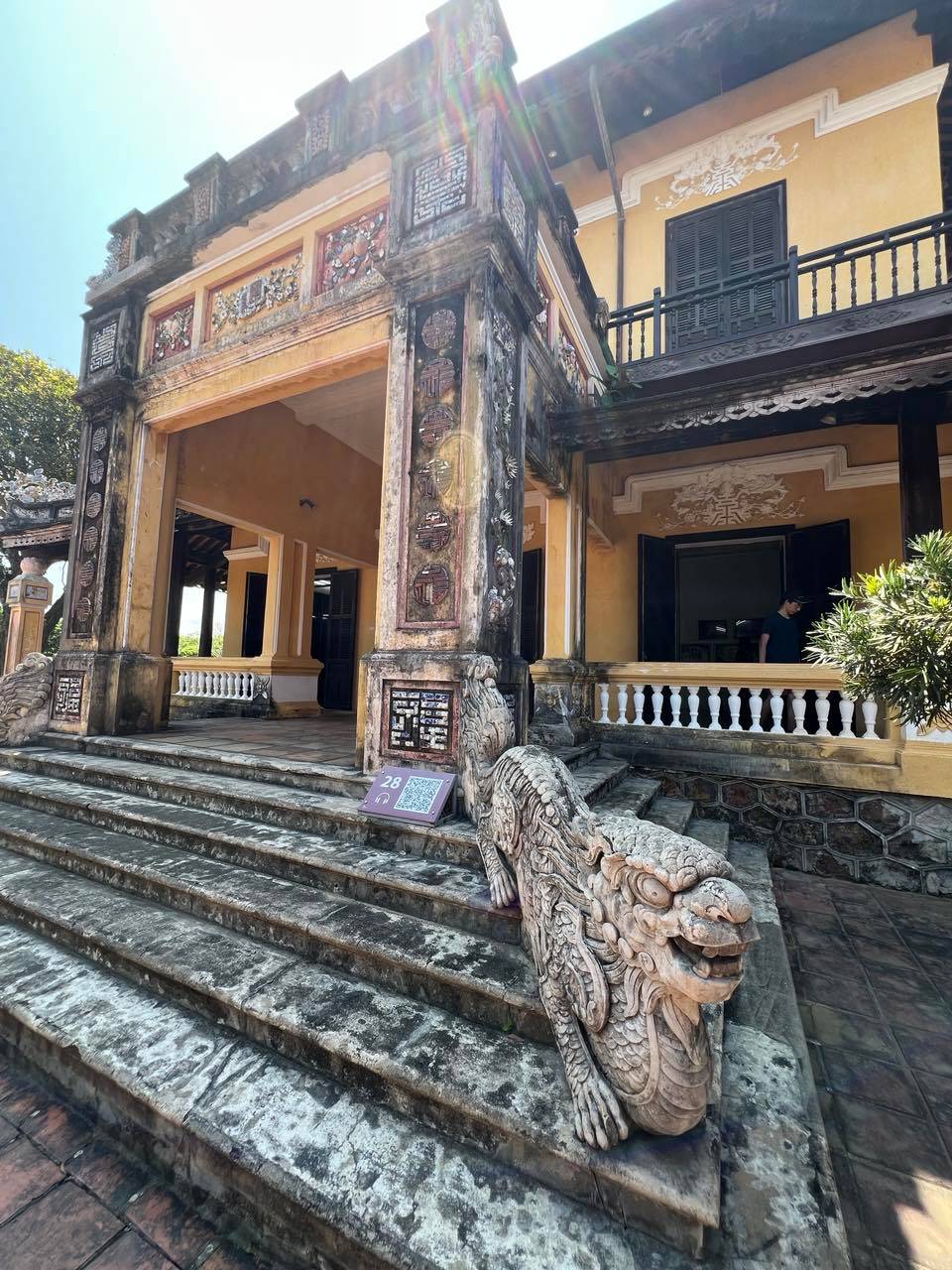
AN architectural marvel of a building.
8. Purposeful Rooms
Within the places’ halls, every chamber served a defined role — diplomatic audiences, centuries-old rituals, and even administration areas. Nothing was arbitrary. The ceilings reward attention, with symbolic motifs and intricate patterns which reveal themselves only when one looks up. And don’t forget to stare where you stand — the unique tiles also have striking and fascinating themes, intriguing designs, with captivating configurations.
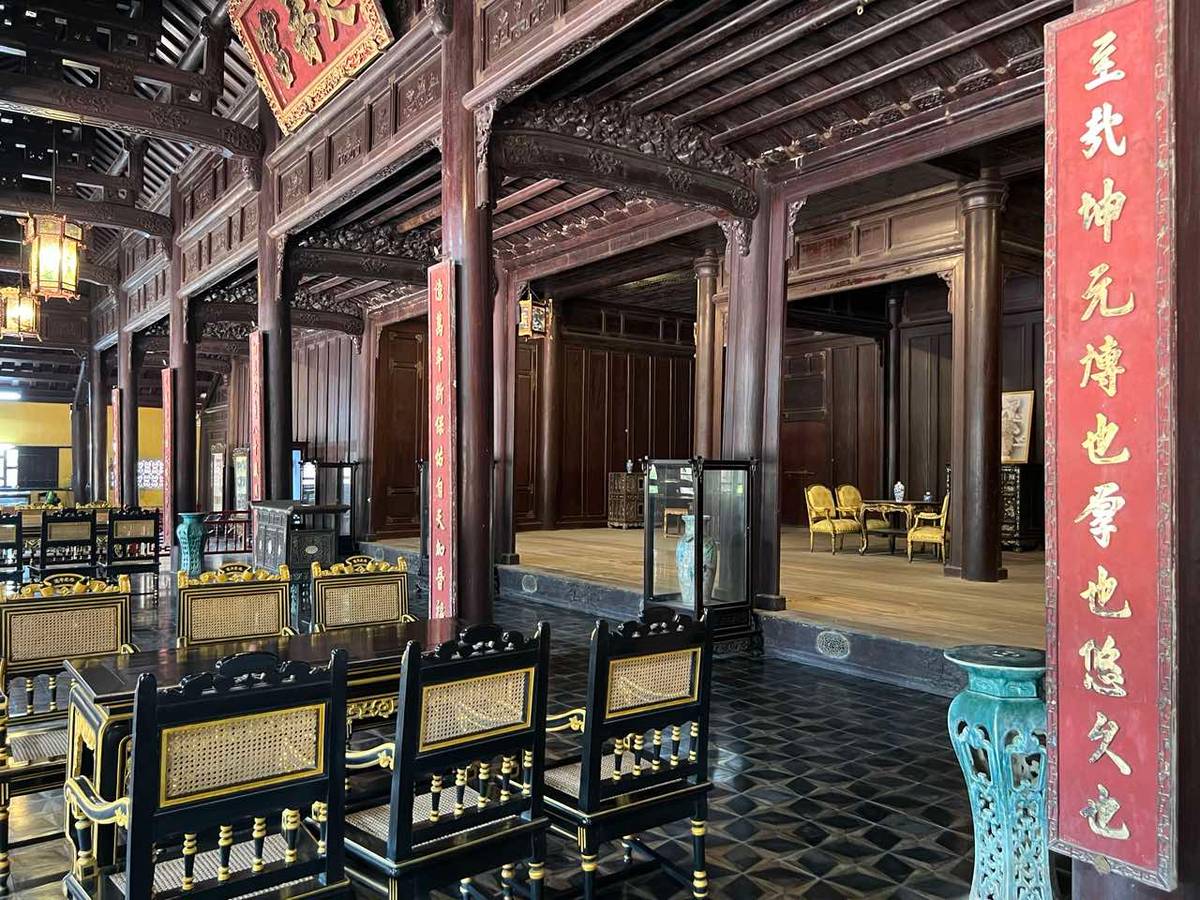
ONE of the many royal rooms.
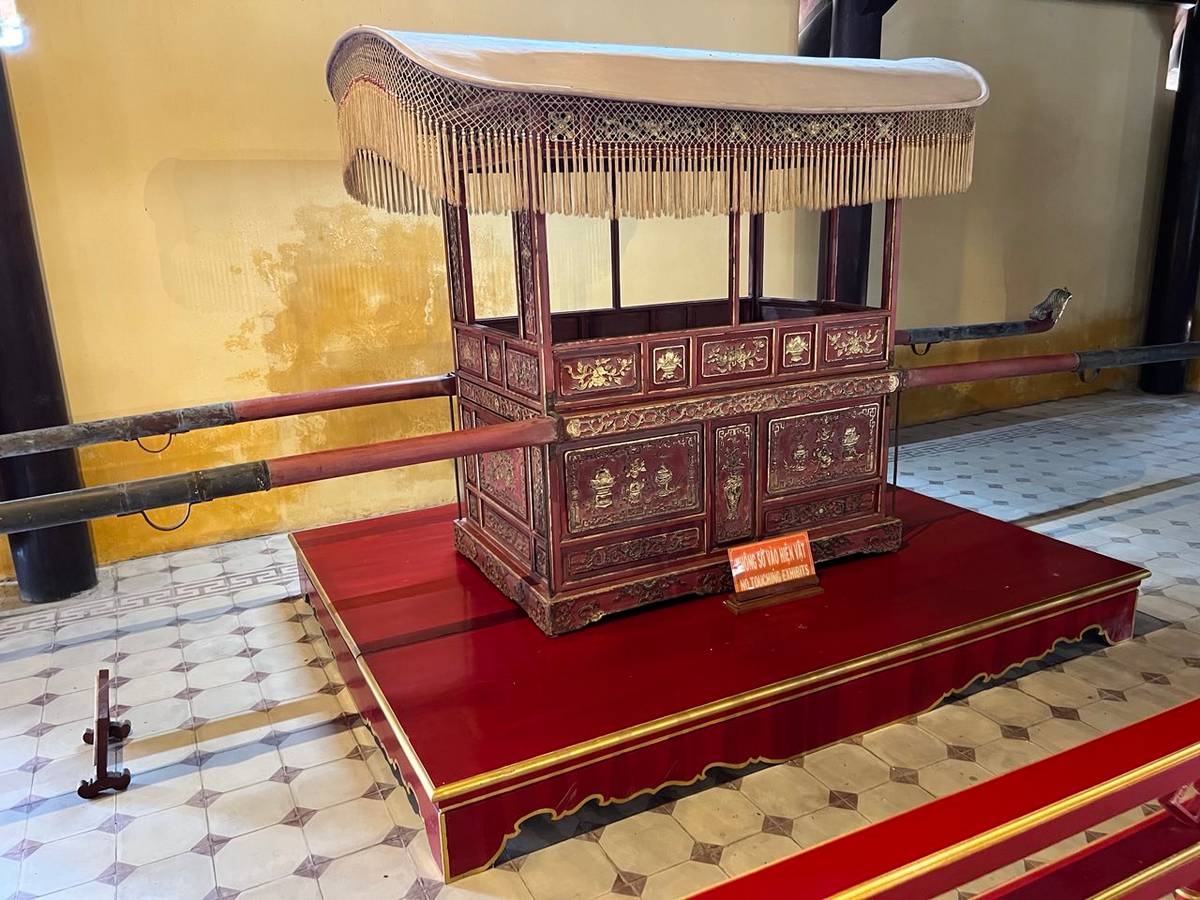
A historic sedan chair, also known as a kieu, used for carrying members of the Vietnamese Imperial family.
9. Vintage Photographs
Certain rooms offer glimpses of faded revered scenes of court life. Officials in formal robes, women in measured poses, hidden-from-the-public scenes which feel almost intimate. Few historic complexes present their human past so openly forthwith and explicit!
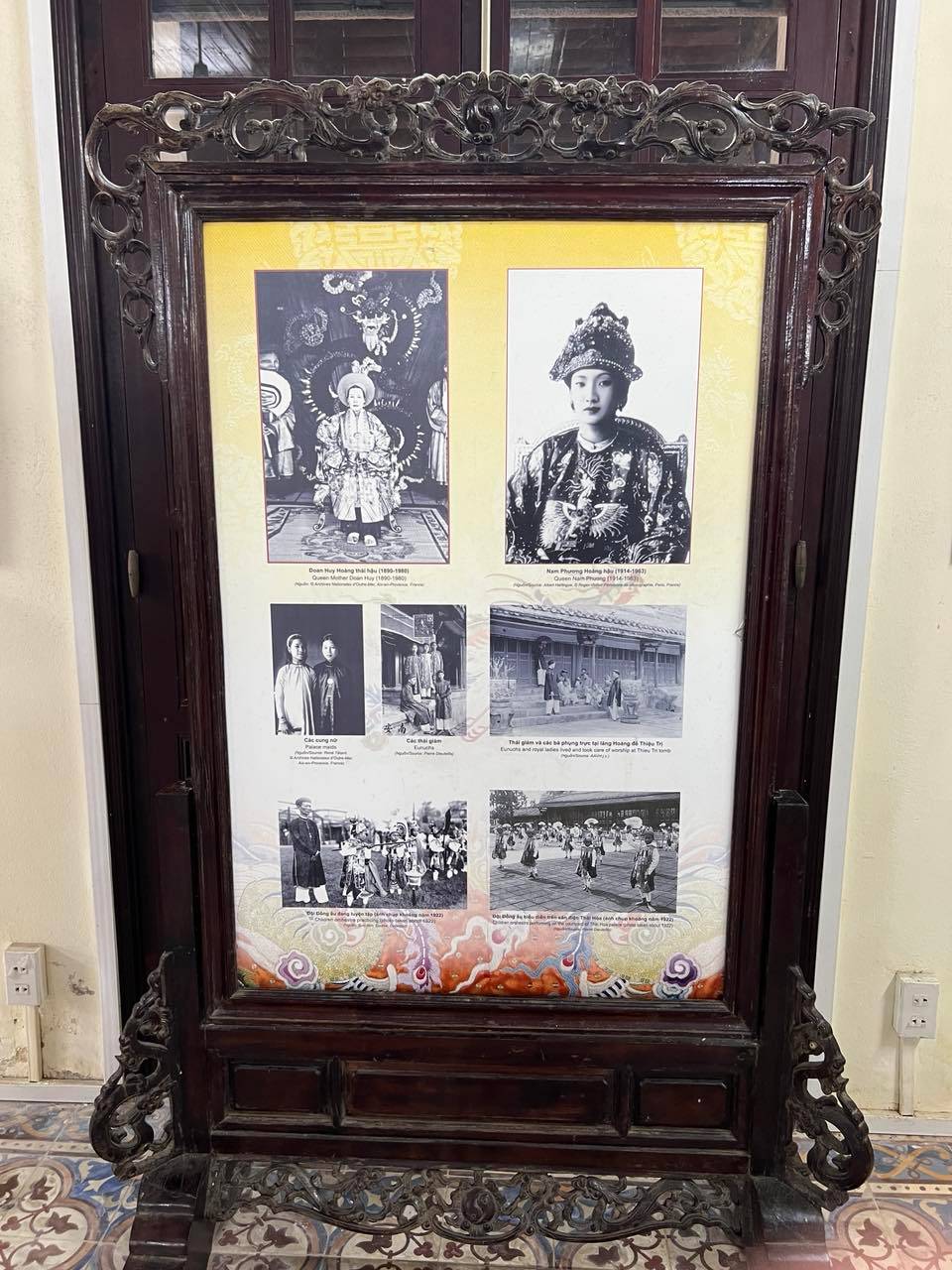
PRESERVED photographs of the city’s early rulers and inhabitants.
10. Photographers Galore
At any given moment, one may encounter photographers directing shoots against the citadel’s monumental backdrop. Women in flowing áo dài pose beside colorful gates or beneath legendary archways, which turn history into a lived experience.
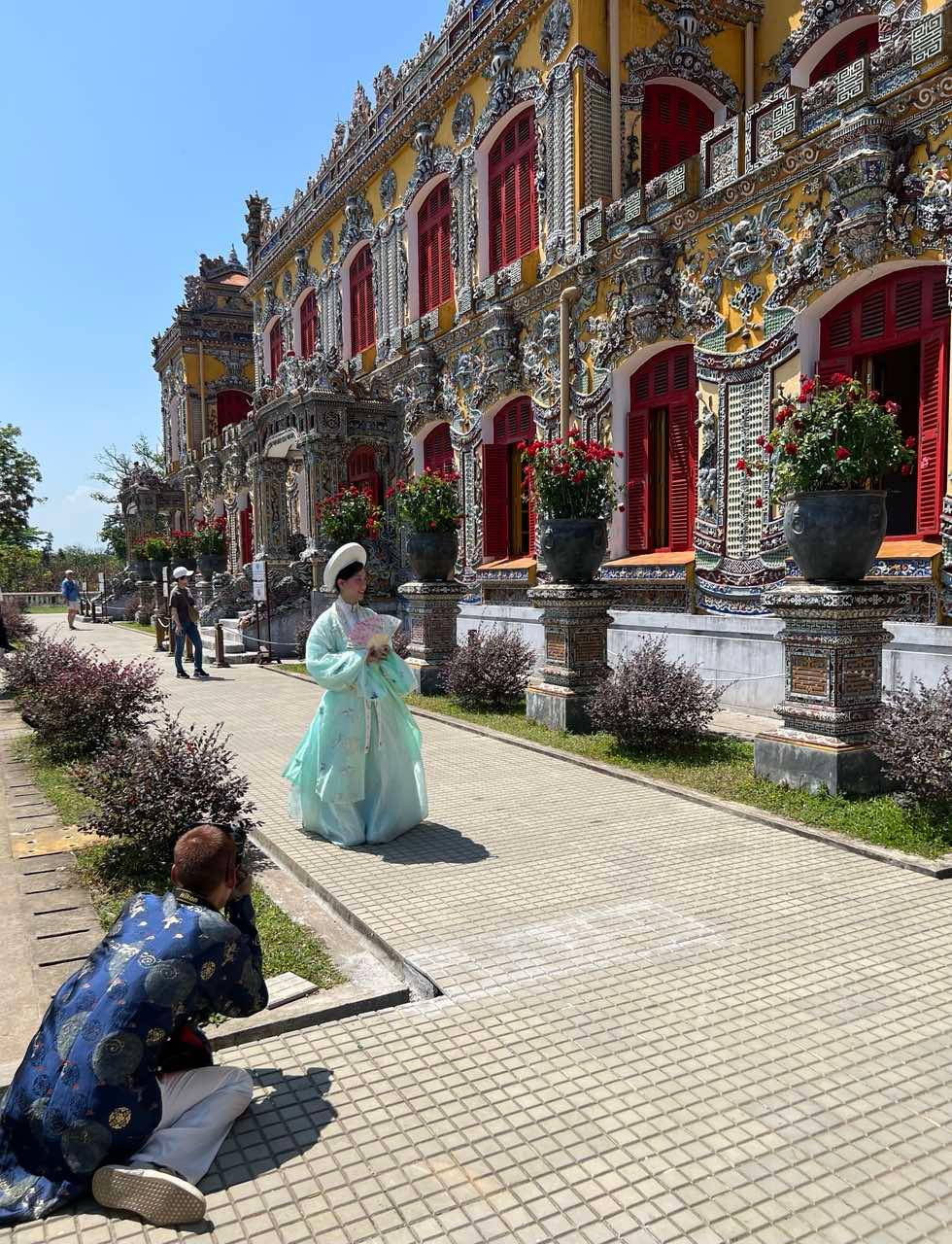
A photographer snaps a shot of a lady in áo dài.
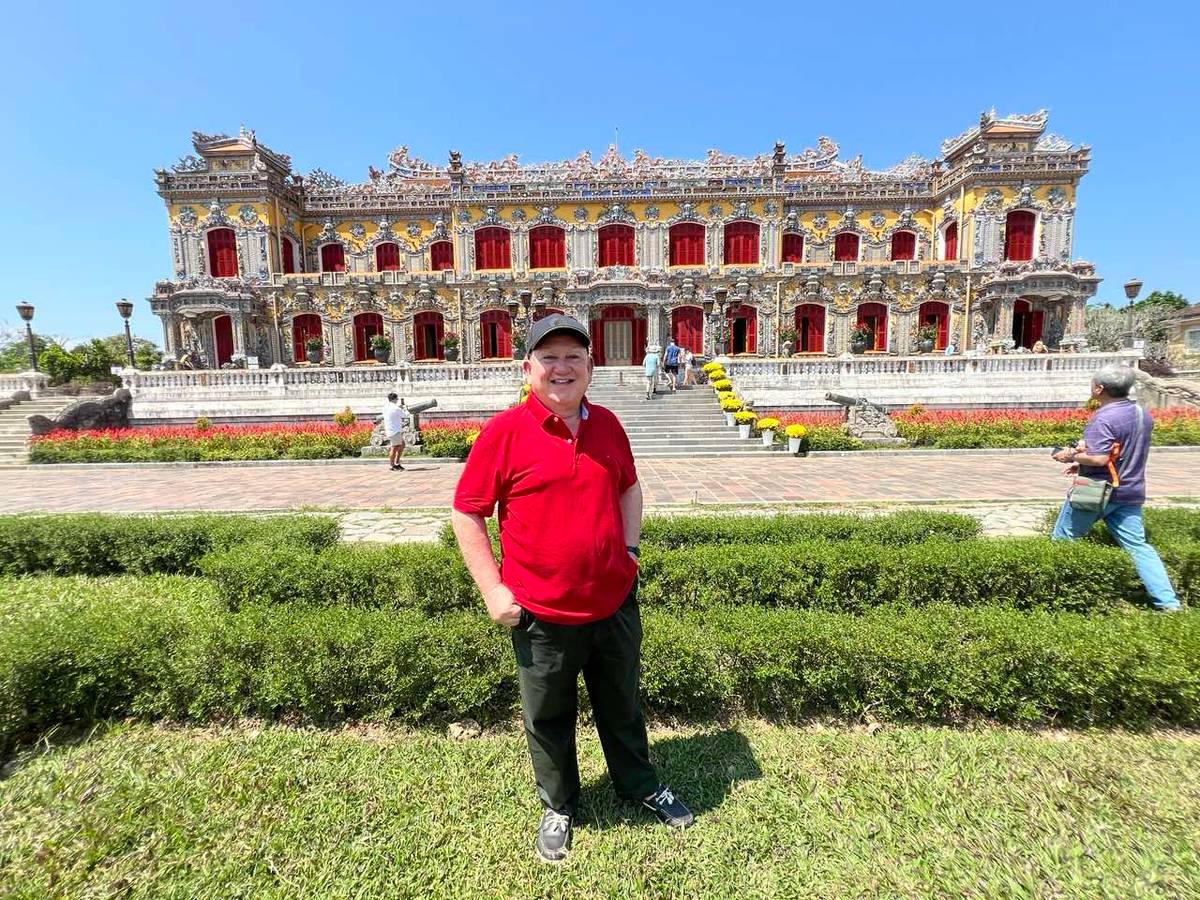
THE author in front of the Kien Trung Palace.