
Da Nang: Cham heritage set in stone
Devastating war, uncontrolled vandalism and utter neglect, in the 20th century damaged much of what survived, which transformed this museum into a refuge and a gallery!

The Da Nang Museum of Cham Sculpture by the banks of the Han River safely serves as a witness for tangible traces of history and tradition, arts and culture for over a millennium.
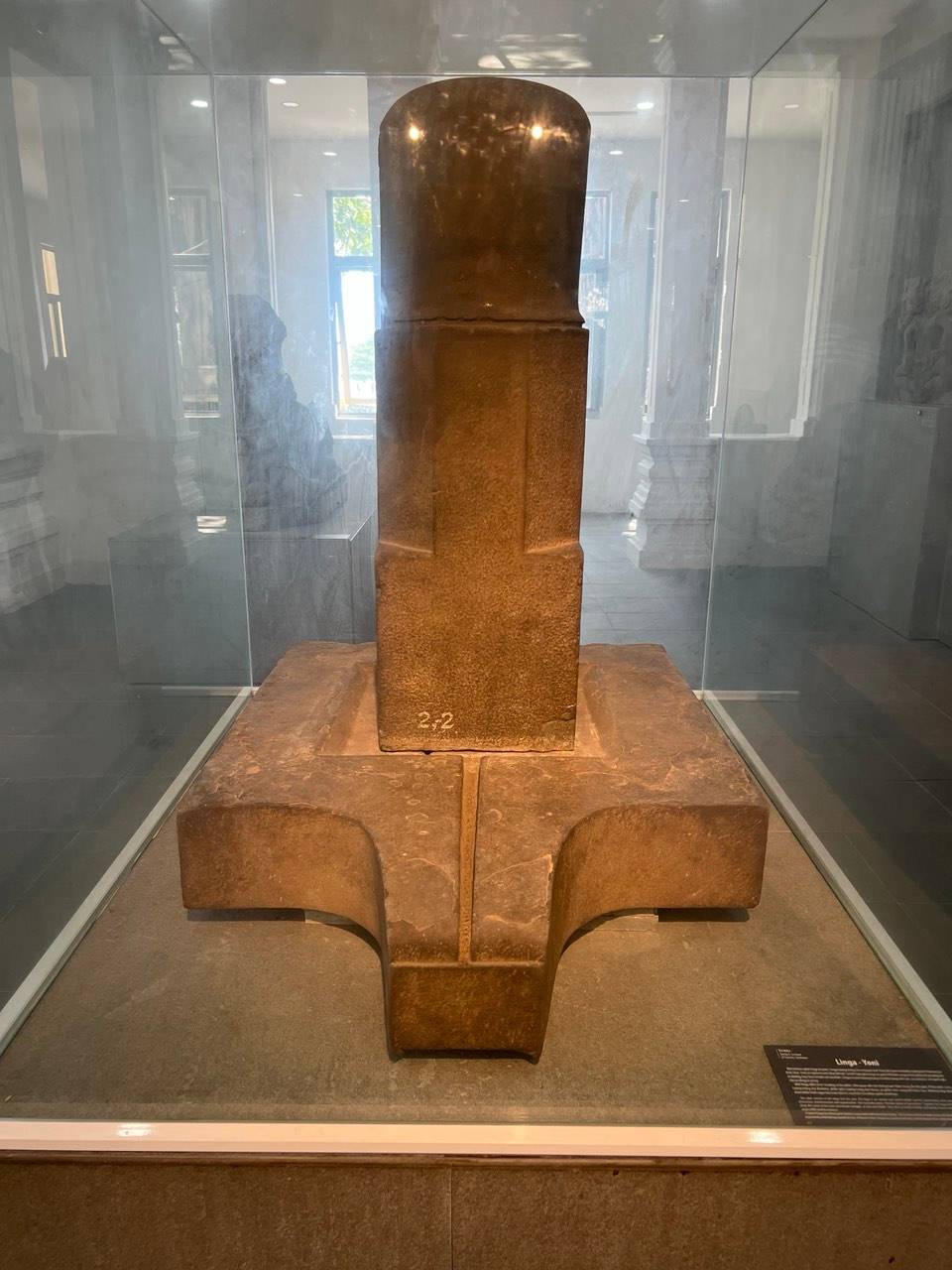
CHAM Lingam, a monolithic representation of the Hindi deity Shiva.
Built by the French in 1915, it was among the earliest museums established in Vietnam, primarily conceived not only as a depository for antiquities, but as an architectural testimony of the culture it preserves. Its pyramid-shaped roof and austere windows adopt the distinct silhouette of Cham temple towers, while notable traces of early 20th-century colonial design remain visible in its calculated proportions and artisanal masonry.
More than a century later, renovations, refurbishments and restorations have come and gone. But the original structure still holds its ground, faithfully painted in its original hue, subtly dignified and virtually monastic in its restraint.
As a brief historical background, our tour guide informed us the Cham civilization once flourished along the central and southern coasts of what is Vietnam today. It eventually became a bustling trading post for seafarers who traded and sailed among the India, China and the Indonesian archipelago.
Their artistic legacy is primarily sculptural — deities and mythical creatures in stone, and architectural fragments which once adorned brick sanctuaries.
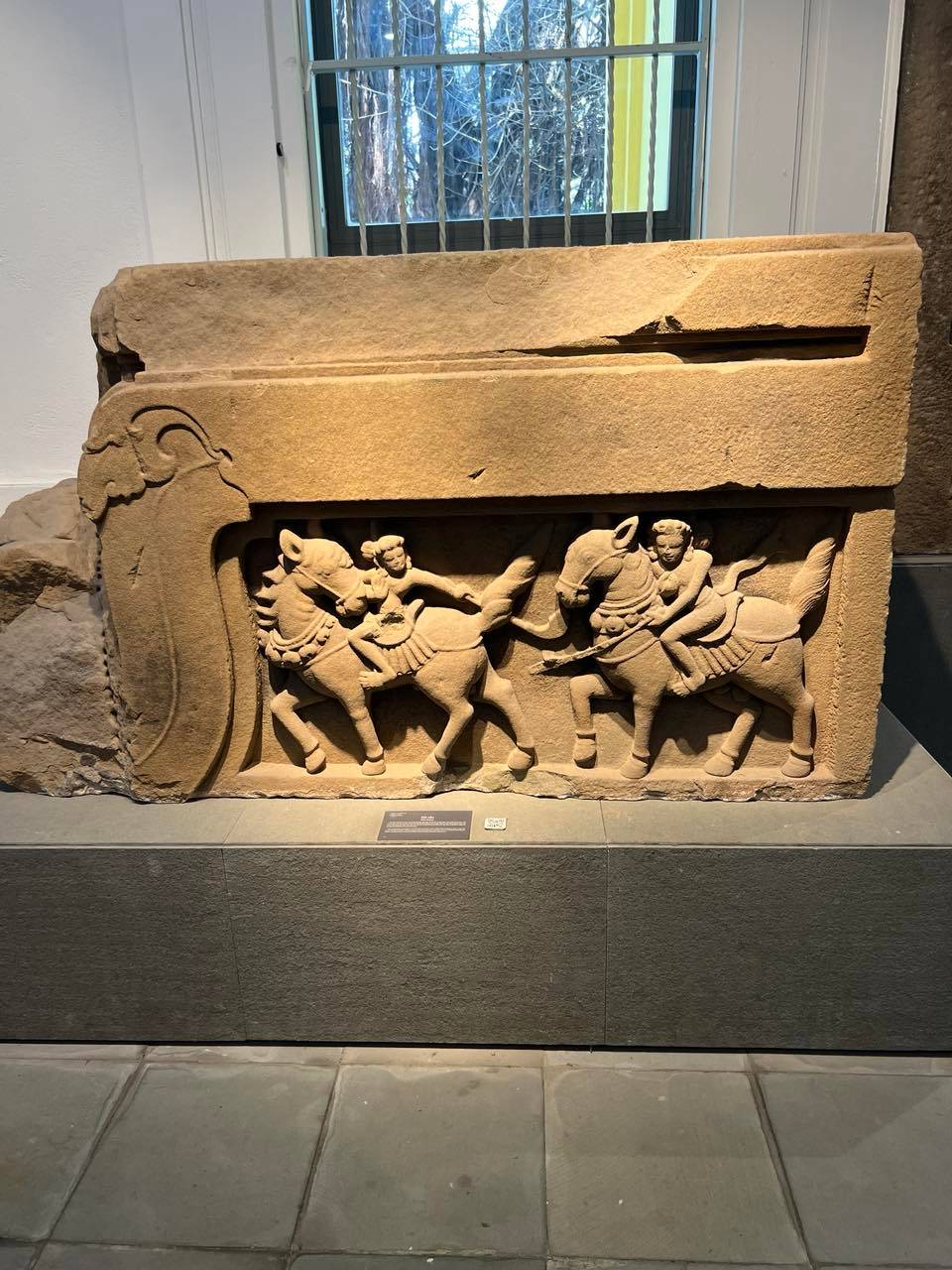
A RELIEF which depicts polo players.
The museum had on display over 400 artifacts drawn from a collection exceeding 2,000 works, the rest — protected for safekeeping. These represent 10 centuries of Cham sculpture — from the fifth to the 15th century — and range across sandstone reliefs, terracotta figures and rare metal pieces.
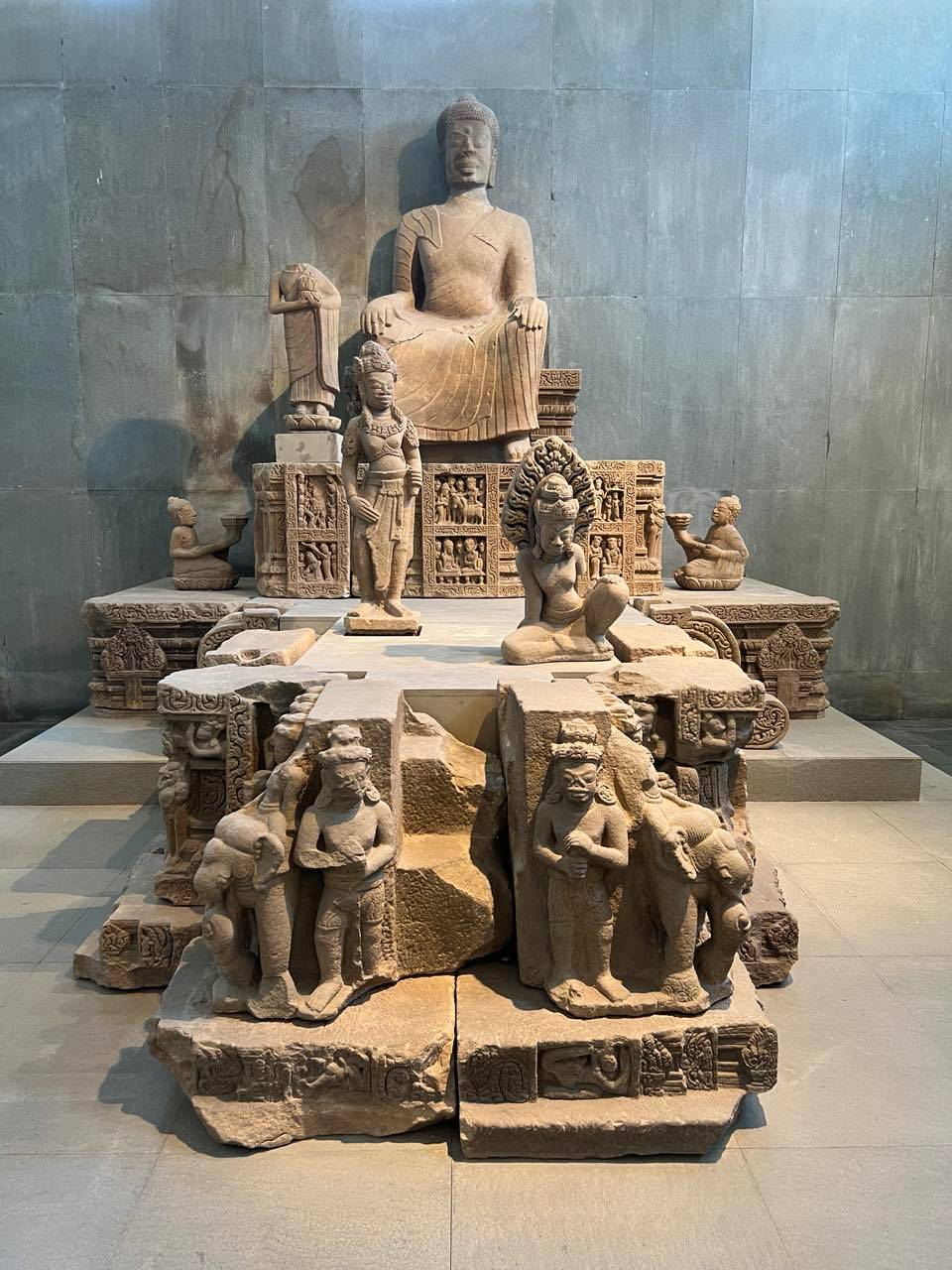
A COLLECTION of sandstone carvings.
Devastating war, uncontrolled vandalism and utter neglect, in the 20th century damaged much of what survived, which transformed this museum into a refuge and a gallery!
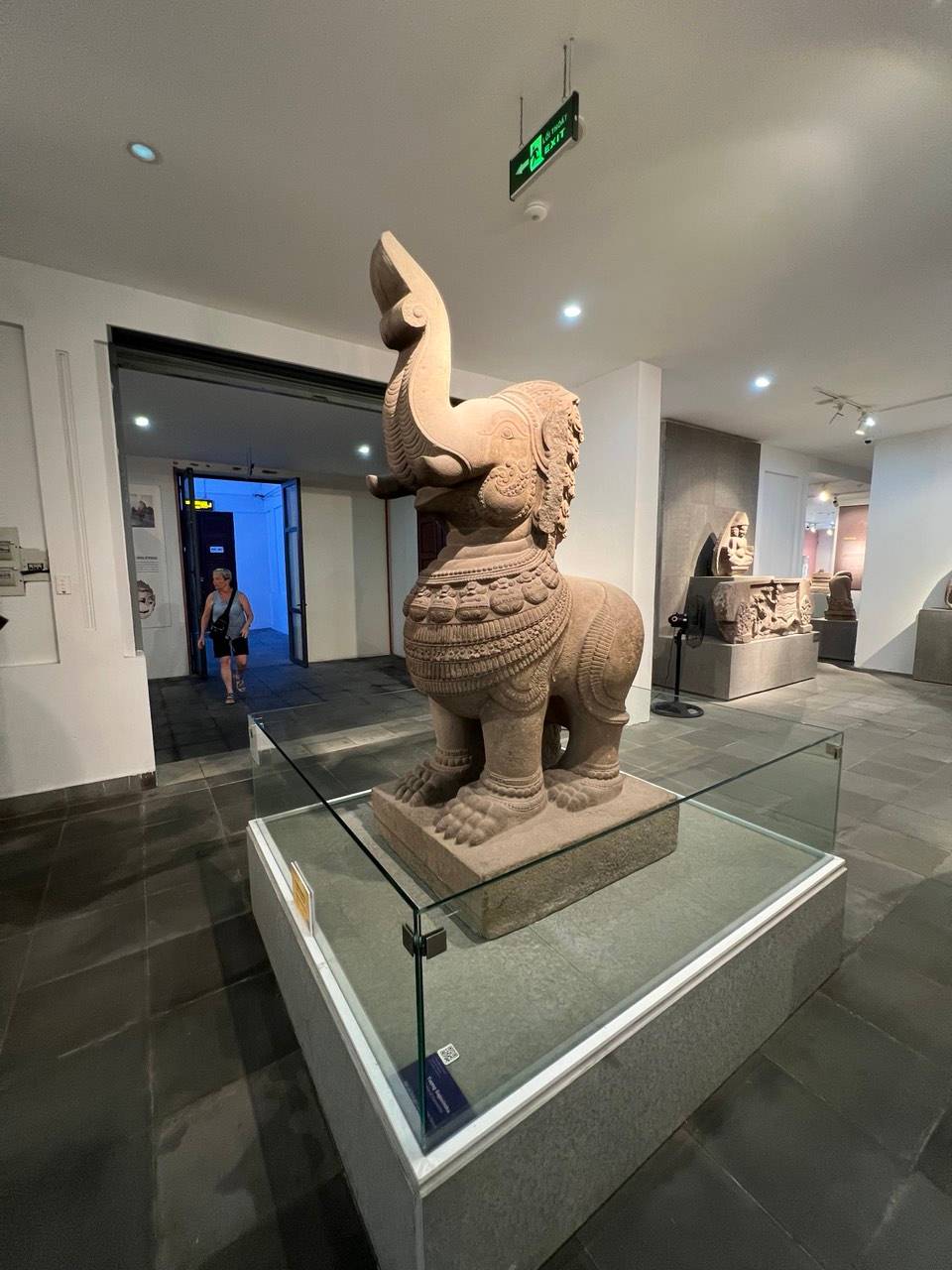
AN etched image of Hindu god Gajasimha.
We noticed the display halls were flooded with natural daylight, which seemed to allow the carvings to breathe and literally see the light of day. Fertility symbols sat beside depictions of Hindu and Buddhist gods, revealing a spiritual life which drew from multiple traditions.
Our main agenda, though — with the assistance of Joe, our tour guide — were to search for and identify the National Treasures.
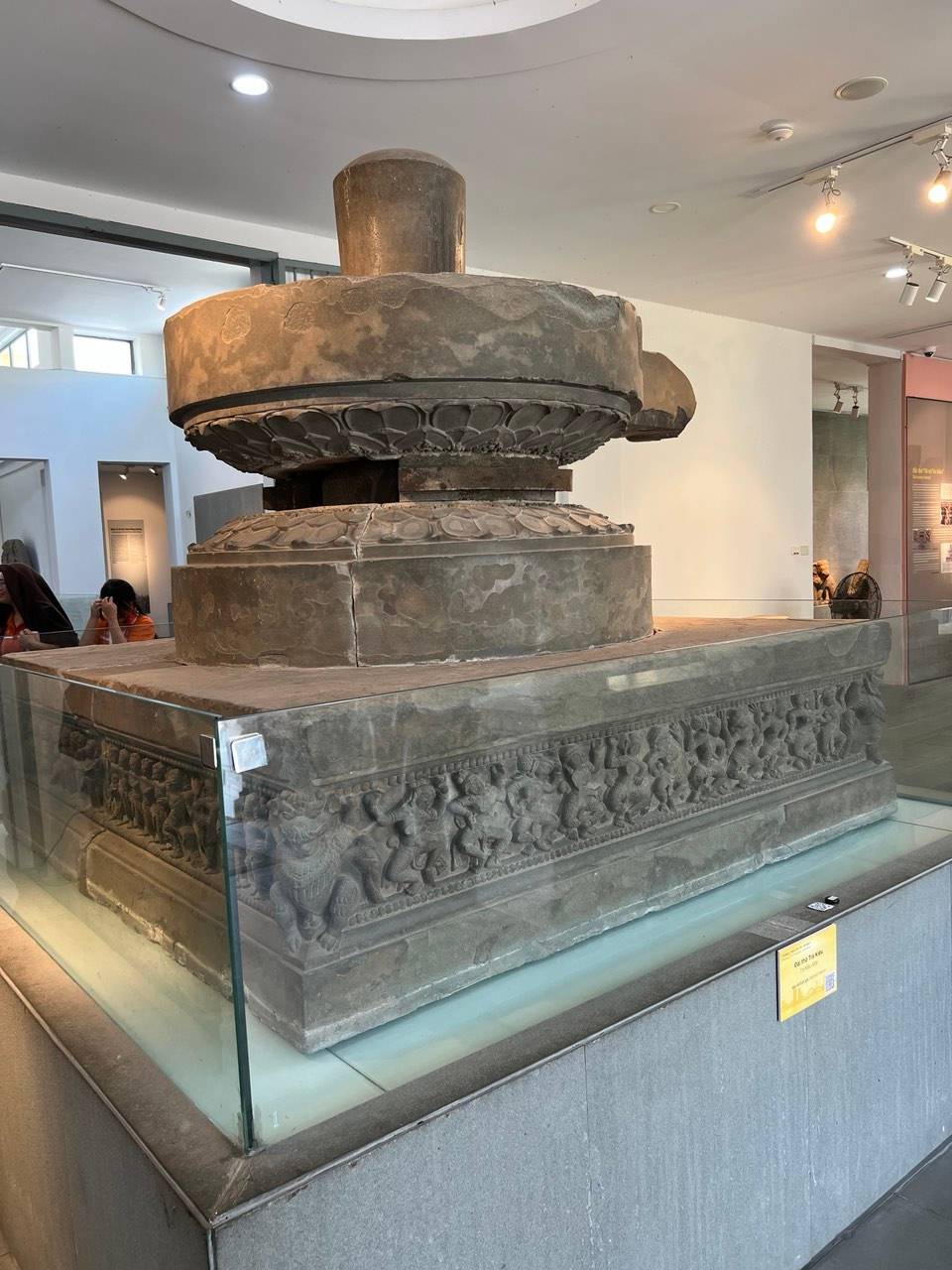
NATIONAL Treasure: Tra Kieu pedestal.
Among the museum’s most sacred were the My Son and Tra Kieu altars. The imposing bronze statue of Bodhisattva Tara, the only obra of its kind in the collection, is the largest known of Cham origin. Standing over a meter tall, Bodhisattva Tara’s presence was at once commanding and compassionate.
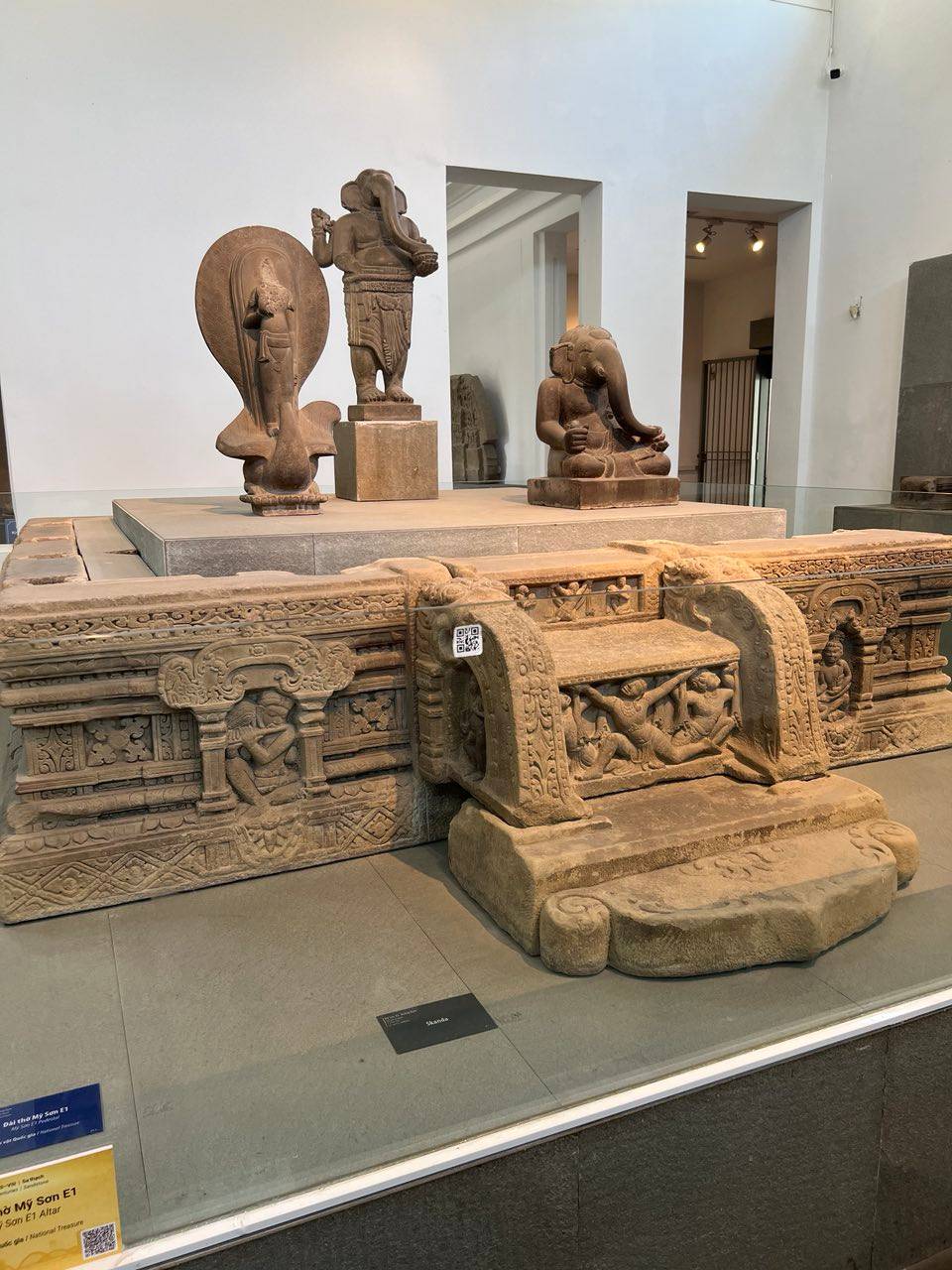
NATIONAL Treasure: The My Son altar.
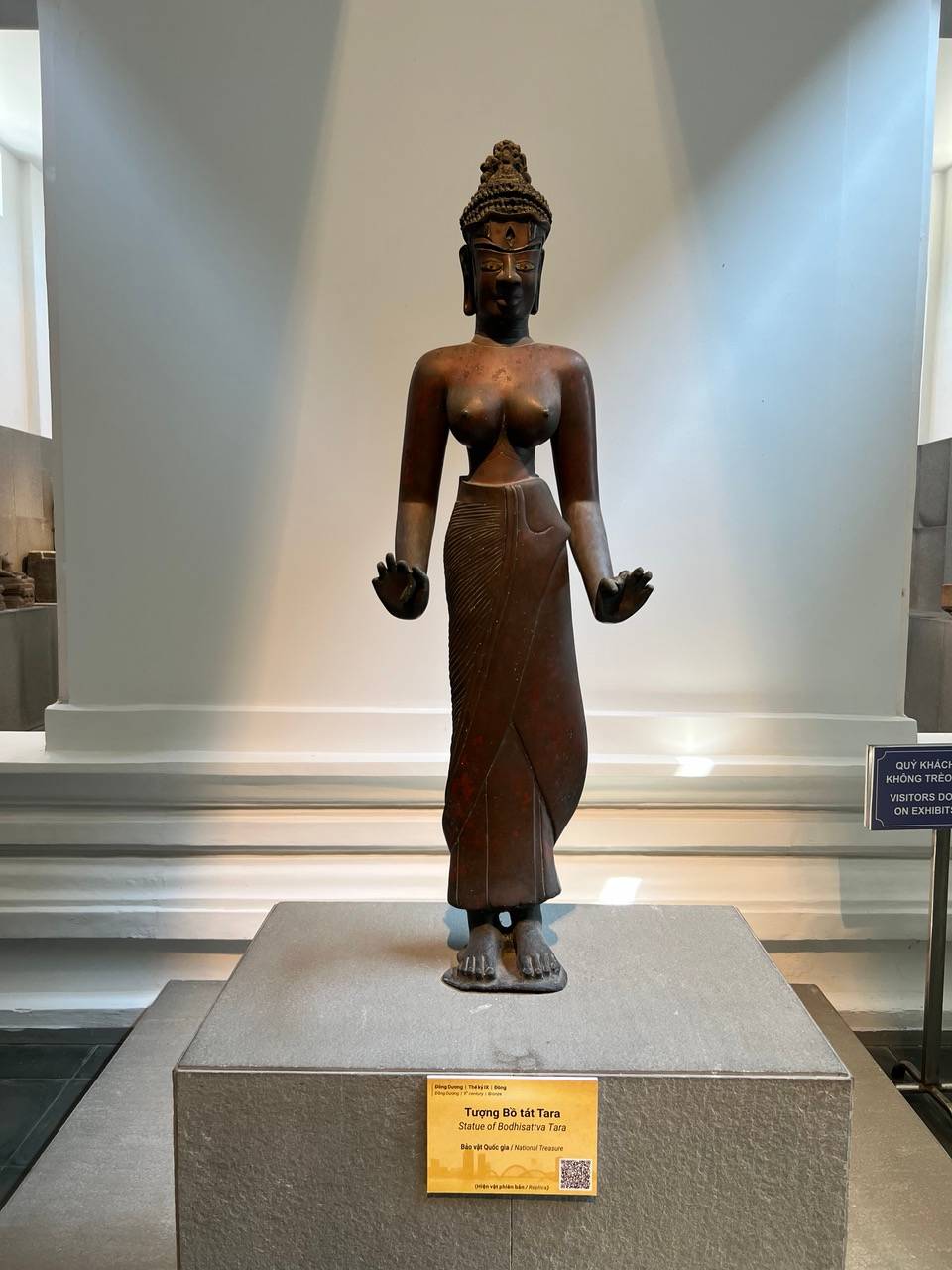
NATIONAL Treasure: The 9th-century bronze statue of the Bodhisattva Tara.
Nearby, the Tra Kieu Apsara Dancers boasted of meticulous detail, their movement frozen mid-step, their bodies still in seeming motion. Also recognized as treasures were the Shiva statue and the relief of Brahma born from Vishnu’s navel, officially honored as such in 2023.
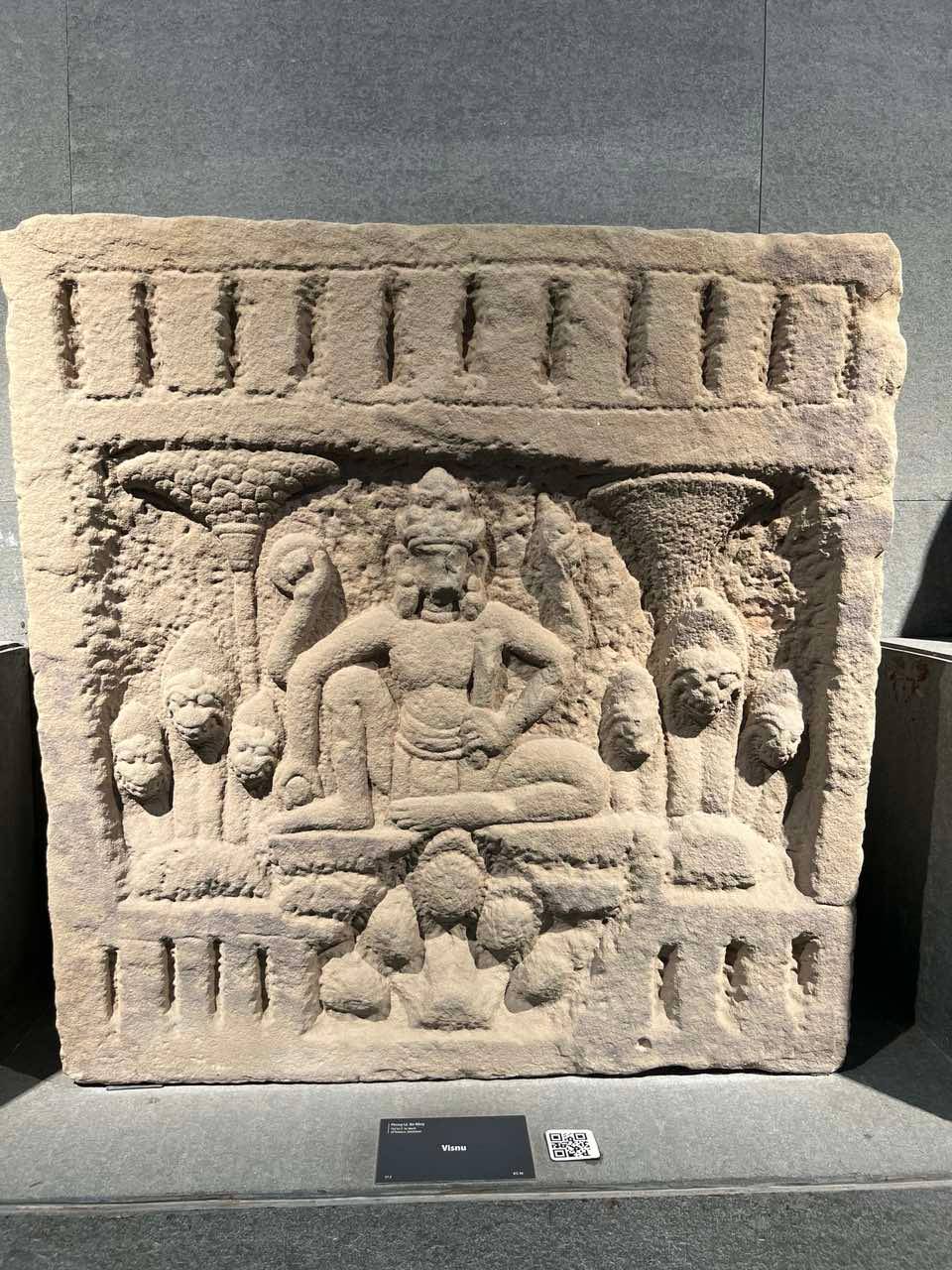
AN etched image of Hindu god Vishnu.
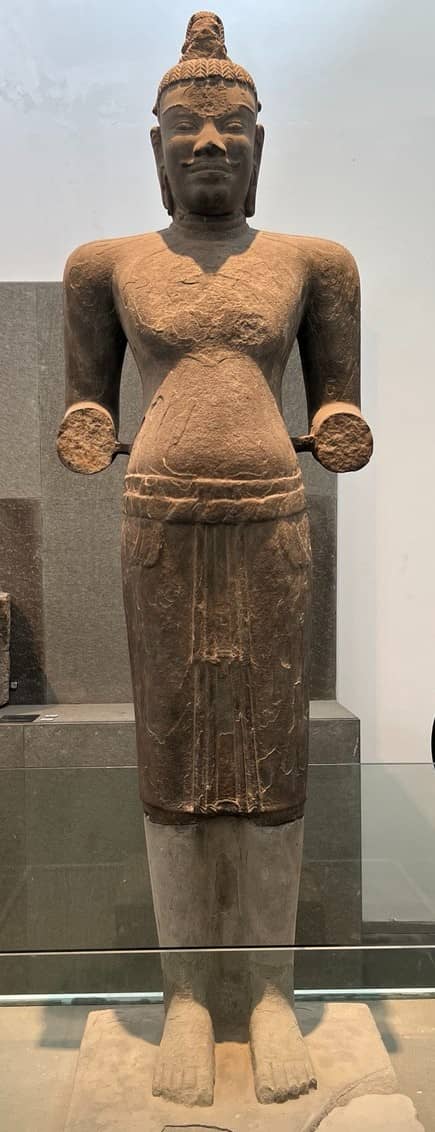
NATIONAL Treasure: A statue of the Hindu god Shiva.
One intimate corner of the museum displayed steles — written or illustrated stone etchings — recovered from Cham towers across the country. Their inscriptions shifted from Sanskrit before the 10th century, to old Cham afterwards. These recorded the relationships between God and kings, royal dedications and temple constructions. These stones functioned as both scripture and archive at a time when records were few and far in between.
We likewise took notice of a photographic exhibition which commemorated the centenary of the museum’s opening in 1919, tracing its early construction, the transport of artifacts, the first galleries and the faces of visitors who once stood where today’s travelers linger. It offered us a second perspective — the story of preservation itself.
On the second floor, large burial jars from the Sa Huynh culture sat alongside Cham pottery from later centuries. The museum’s exhibition on living Cham culture introduced language, dress, musical instruments and festivals, as it bridged the gap between the vanished kingdom and its descendants.
This heritage, honored by Unesco in 2022, continues to remind tourists that Cham is not merely a chapter of the past.
Though our late morning amble may be brief, we thought to ourselves, as we sought refuge under the shade of the looming giant tree — which covered part of the building — the Da Nang Museum of Cham Sculpture is a modern-day miracle — the relics of a past, often-overlooked civilization still exists even though cities have disappeared.