
Hoi an: 10 joys to love
Aimlessly wander long enough the borough and you realize the town unexpectedly rewards curiosity.

Thirty minutes south of Da Nang in Vietnam, the once-bustling old trading port of Hoi An is a charming town which has gently pressed pause on time.
Recognized as a Unesco World Heritage Site in 1999, its compact historic center remains remarkably intact — a network of revered temples, assembly halls, ochre-colored shophouses, storied homes with tiled roofs, which trace their lineage to the 15th to 19th centuries, when enterprising merchants courageously sailed from Japan, China and Europe as they finally converged along the all-important Thu Bon River.
For travelers and tourists coming through central Vietnam, after having visited, discovered and experienced the several wonders of now-favorite-of-many Da Nang, Hoi An has become a natural next stop — a coastal town where history and heritage, culture and craft and storybook everyday life intersect in a wondrous way, which uniquely feels picturesque and yet genuinely lived-in.
Aimlessly wander long enough the borough and you realize the town unexpectedly rewards curiosity. On a recent trip to the “Land of the Blue Dragon,” we did just that, for a full — though we wish we stayed longer — amusing immersion.
Let’s check out the alluring hamlet:
1. Fit into new clothes
If you desire newly tailored garments, it is best to address this early on the day. This is simply to accommodate a fitting or two with some minor adjustments. Hoi An has become globally known for its tailoring houses, where apparels are cut and completed in a matter of hours. Shirts, skirts, coats, suits, even the graceful Vietnamese ao dai — everything is absolutely customized.
Step into one of the shops and you are quickly surrounded by shelves after shelves of fabric reminiscent of the old-world haberdashery: cottons, linens, wools, et al. — the whole gamut! A style is chosen and measurements are taken in immediate fashion. Since the village is rather small and easily walkable, you can just drop by again before sundown and hug your bespoke new star of your wardrobe back home.

FIT into new clothes.
2. Learn bite-sized history at Chua Ca
At the heart of the old quarter stands its most recognizable monument — the 16th-century Japanese Covered Bridge. Built by the growing Japanese community to link their quarter with the Chinese side of town, the lasting bridge has endured centuries of constant floods and swift repairs.
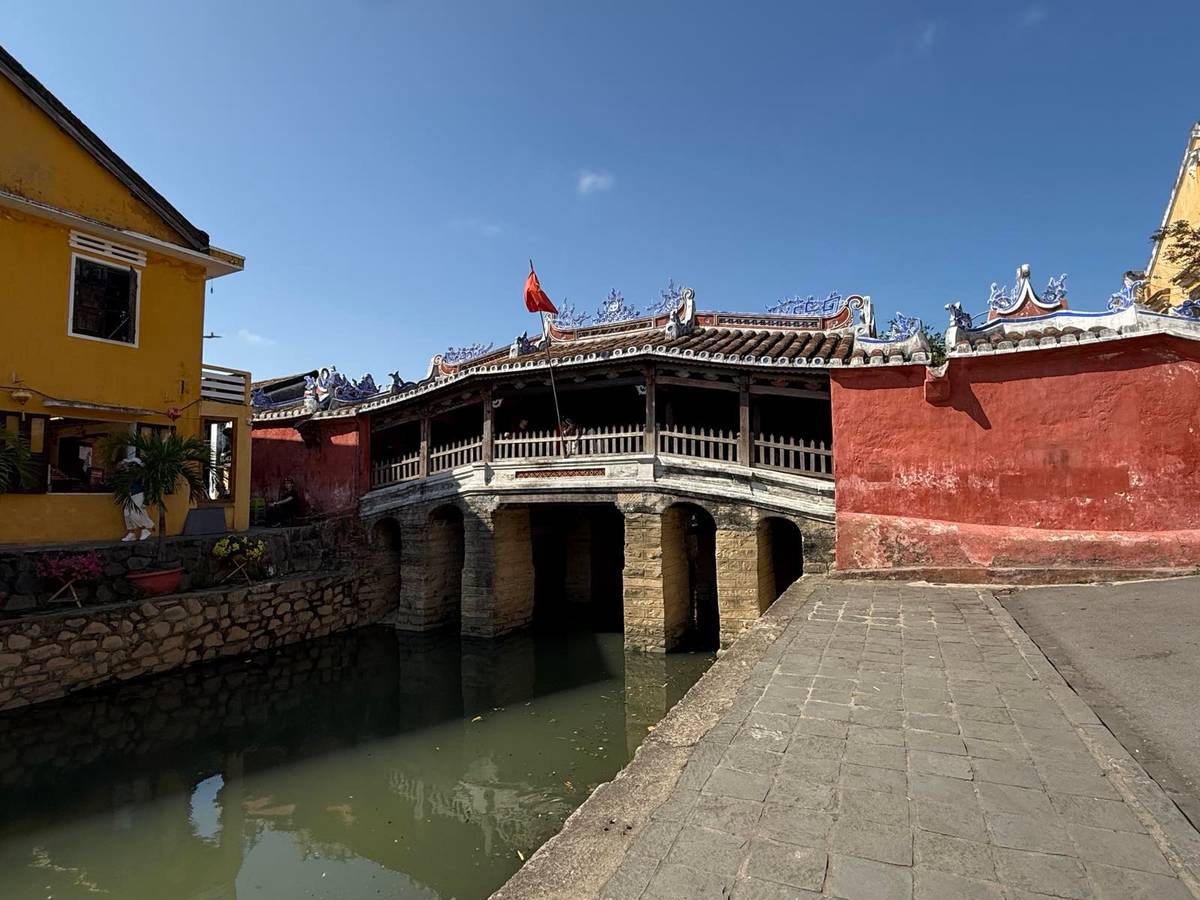
LEARN Bite-sized History at Chua Cau.
3. Get to know the Thai Phien Ancient House
Another window into Hoi An’s past may be found in the Thai Phien Ancient House. Like many historic residences in town, it reflects the architectural blend which emerged from various eras of commerce and cultural exchange.
The wooden structure features a long, narrow layout typical of houses built to seamlessly accommodate both living quarters and trading space. It proudly highlights the carved beams and tiled roofs. Antique furnishings and family heirlooms evoke a fabled time when savvy traders transacted from the front of the house while daily life unfolded deeper within.
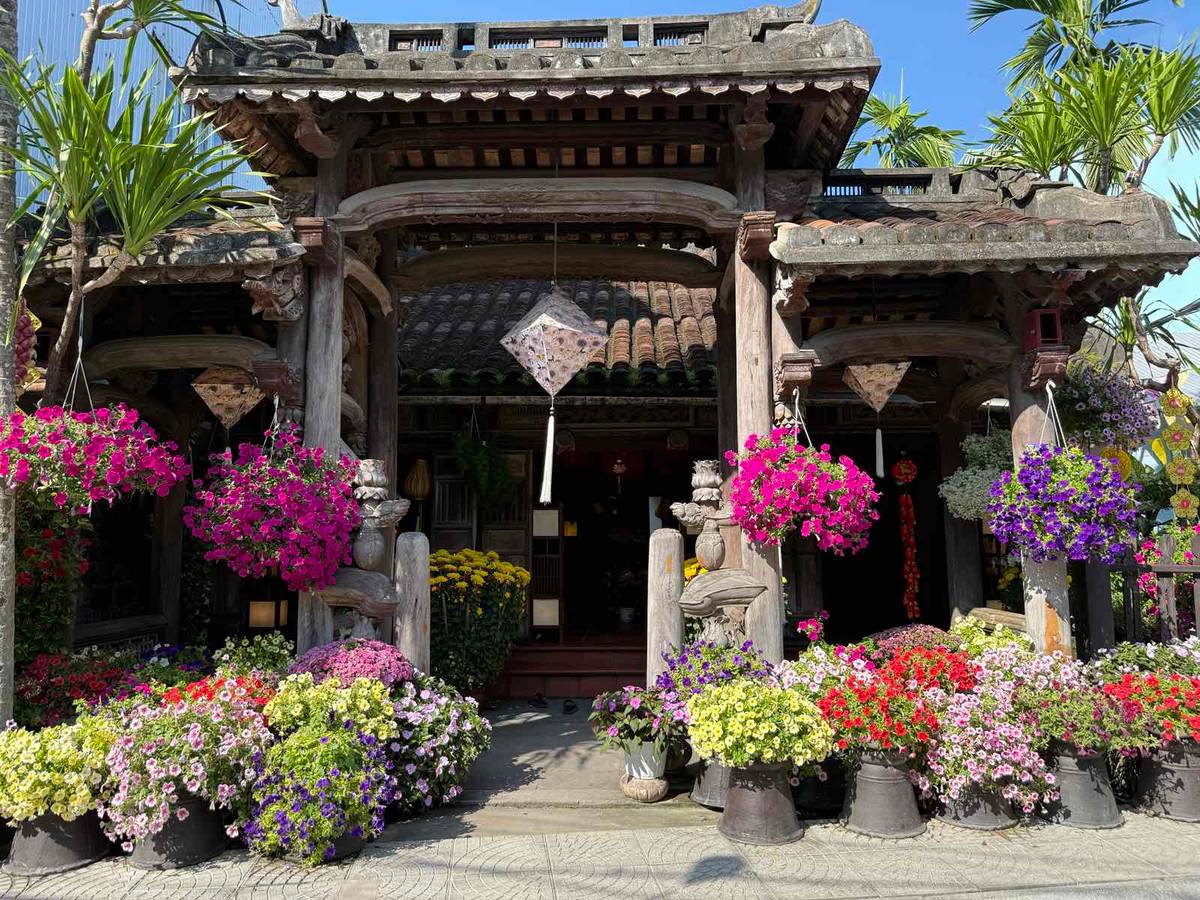
GET to know the Thai Phien Ancient House.
4. Stop by Ba Mu Temple Gate
One of the town’s most photogenic landmarks is the ornate Ba Mu Temple Gate. Restored in recent years, the gate stands beside a reflecting pool which mirrors its curved roof and decorative reliefs.
The location has become especially popular for prenup photoshoots. During our stopover, a betrothed couple arrived in full bridal attire! And so, we cheered on the soon-to-be newlyweds.
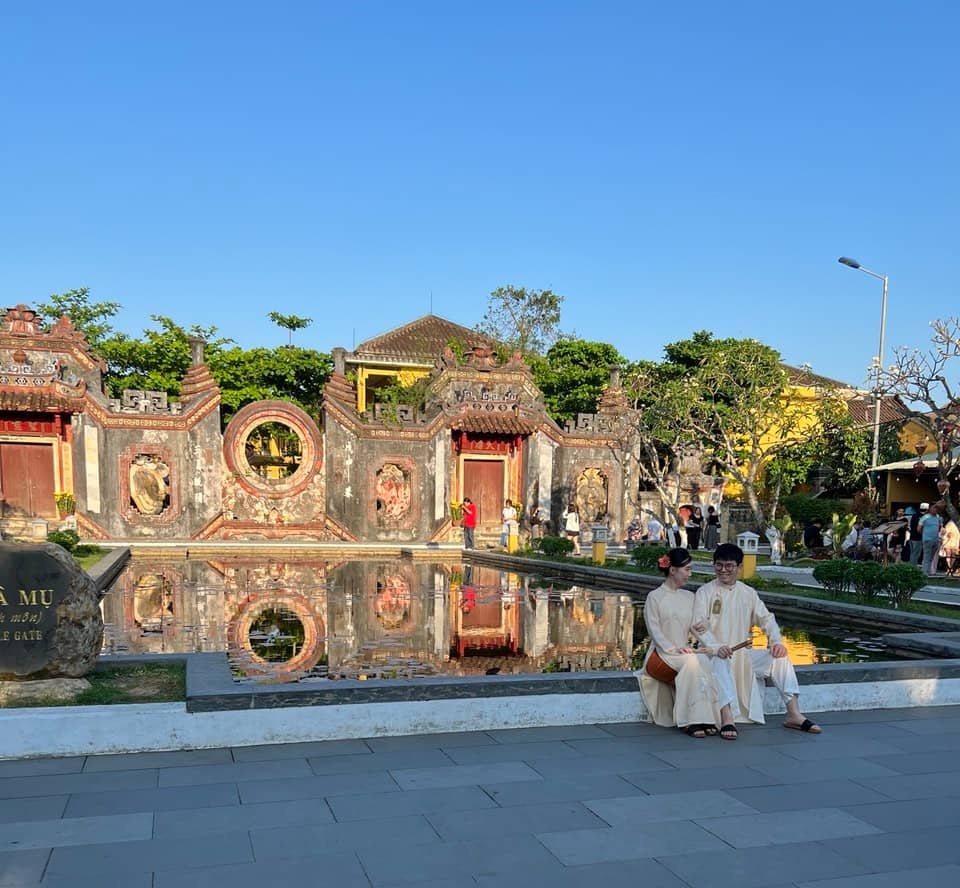
STOP by Ba Mu Temple Gate.
5. Ride the basket boat
Just by the periphery, the winding waterways lined with lush nipa palms lead into the thriving fishing coves. Climb into round bamboo boats — locally called thung chai.
Maneuvered by an able sole sailor, glide through narrow channels under a canopy of green vegetation, and without delay, into an open bay where fishermen cast nets in graceful arcs — for show or as livelihood — we never figured out. For the brave, the boatmen sometimes spin the circular boats in dizzying rotations, a playful adrenaline-pumping thrill.
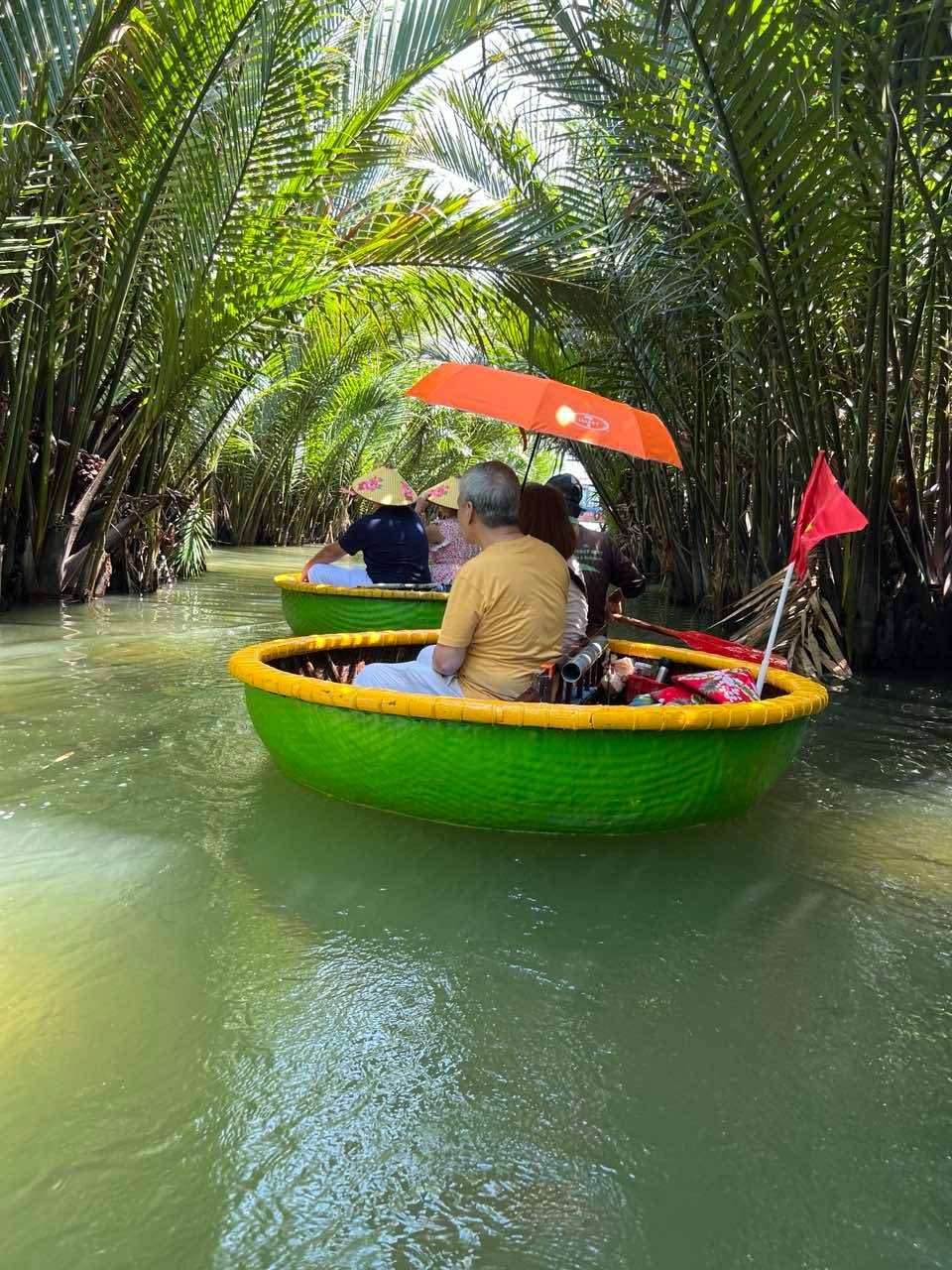
RIDE the Basket Boat.
6. Witness lantern-making
These lamps are everywhere in Hoi An — hung outside homes and on restaurants, strung across streets and riverbanks. Naturally, the curious became more curious on how these are molded.
Several workshops demonstrate the craft. Bamboo is shaped into a frame, silk is stretched and glued over it, and within minutes a lantern begins to take form. Many studios offer short classes, allowing apprentices to construct one of their very own — a colorful take-me-home souvenir tied to the city’s most recognizable symbol.
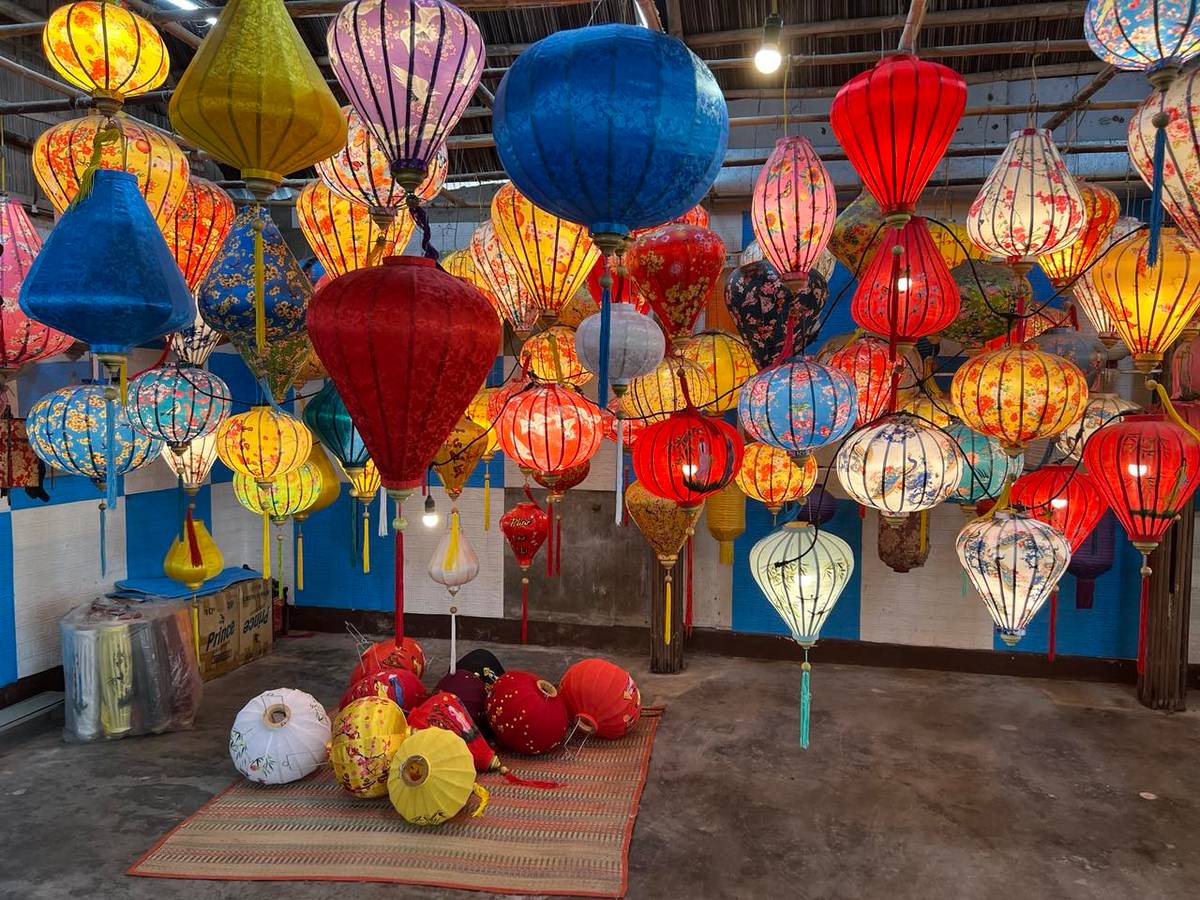
WITNESS lantern-making.
7. Smell the flowers
Beyond the colorful lanterns of numerous shapes and sizes, Hoi An is a favorite destination for blooms and blossoms. Bougainvilleas spill over yellow walls, lotus ponds reign in courtyards, and frangipani trees shade temple grounds. Marigolds and orchids brighten pocket gardens and roadside stalls. All these floral expositions soften and enhance the beauty of the ancient architecture of the old city.
8. Hop on public transport
Hoi An’s streets are compact, but the tropical climate may be unpredictable — at times sweltering hot at midday. When the heat rises, the residents recommend to hail an electric car or local vehicles which loop around the historic district and nearby neighborhoods. It is a relaxed way to sightsee!
9. Savor the cuisine
Truth be told, food alone could justify the whole trip! Bowls of fragrant pho — pronounced fuh — appear everywhere, each shop with its own interpretation of the Vietnamese staple, in beef, pork, or chicken. Fresh spring rolls, grilled skewers and a collection of rice plates filled the menus we perused.
Hoi An is also known for specialties such as crisp banh mi sandwiches packed with herbs, meats and pickled vegetables; and cao lau — noodles said to depend on — are you ready for this — hallowed water drawn from the town’s ancient wells.
And don’t forget your veggies — they have the freshest! You might just discover a new favorite.
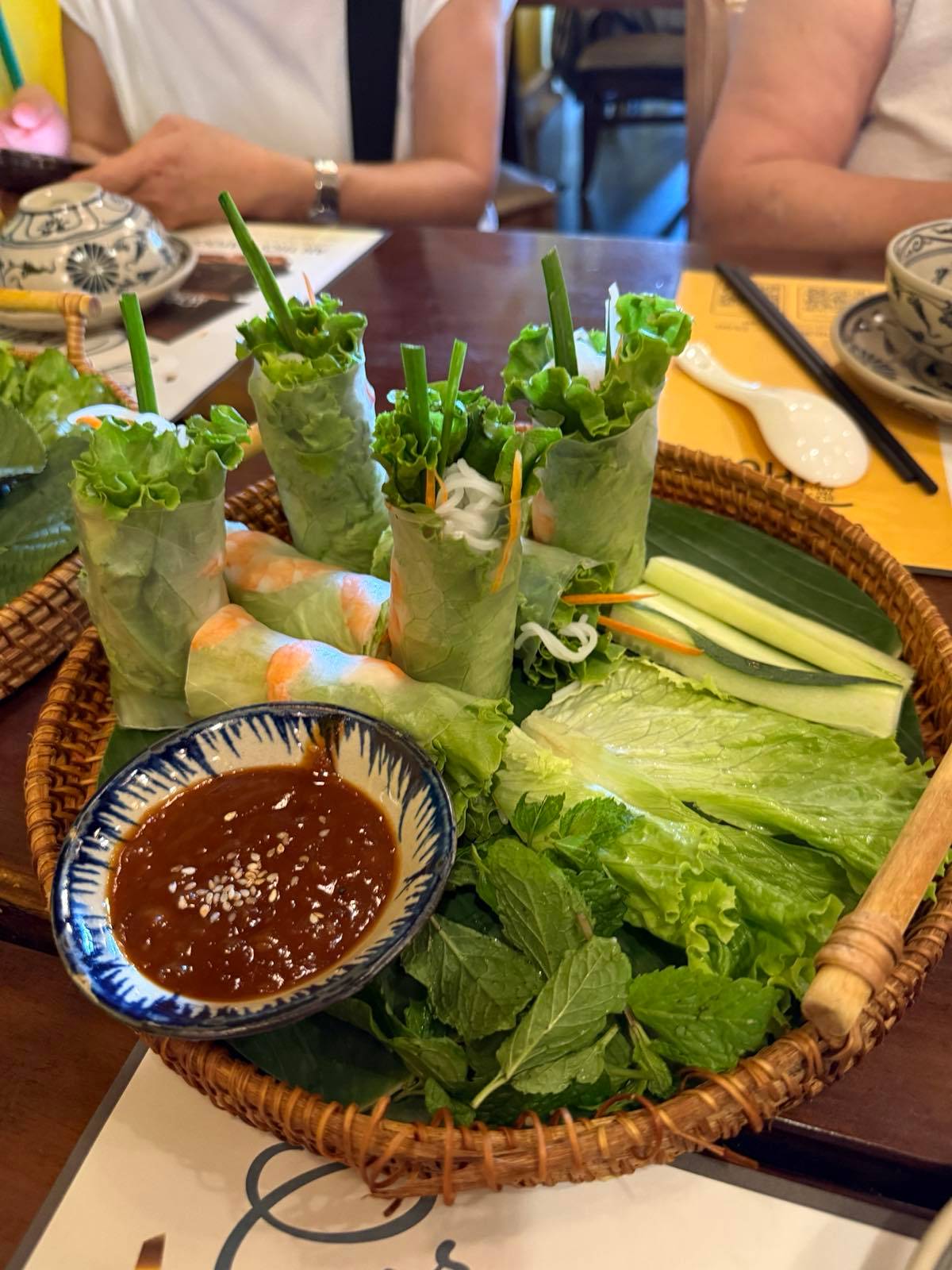
SAVOR the cuisine.
10. Become bewitched during riverside evenings
At daytime, the many attractions commandeer the spotlight. But when evening comes, the canal is queen as narrow passenger canoes drift so very slowly along the river. The reflection of a symphony of lamps on water gives the whole scene a quiet, almost theatrical, magical charm.
Secure a table for dinner at a restaurant with a second floor balcony. This may be the climax of your entire trip: the mouthwatering food, the fantastic company and a luminous procession that never seem to end.
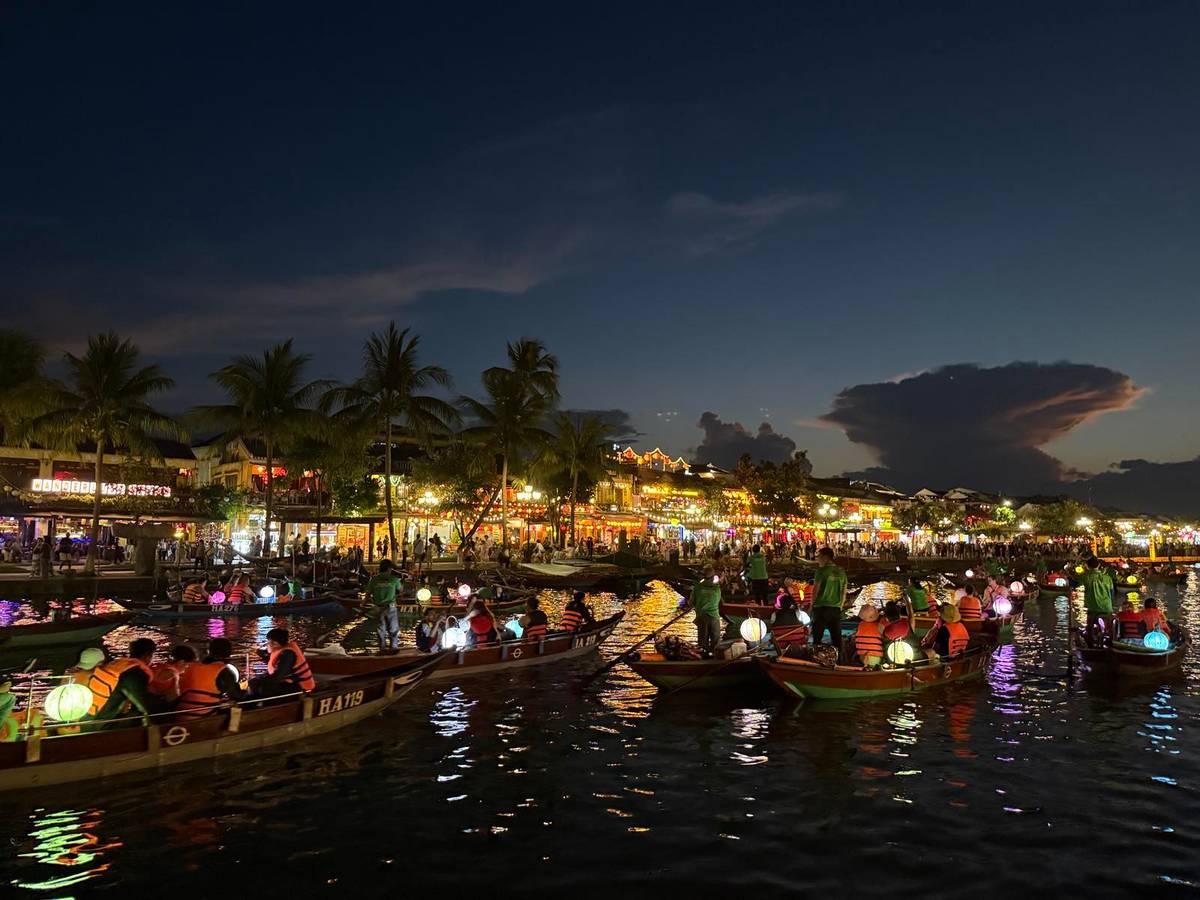
BECOME bewitched during riverside evenings.