
Palace open to WFH as fuel-saving measure
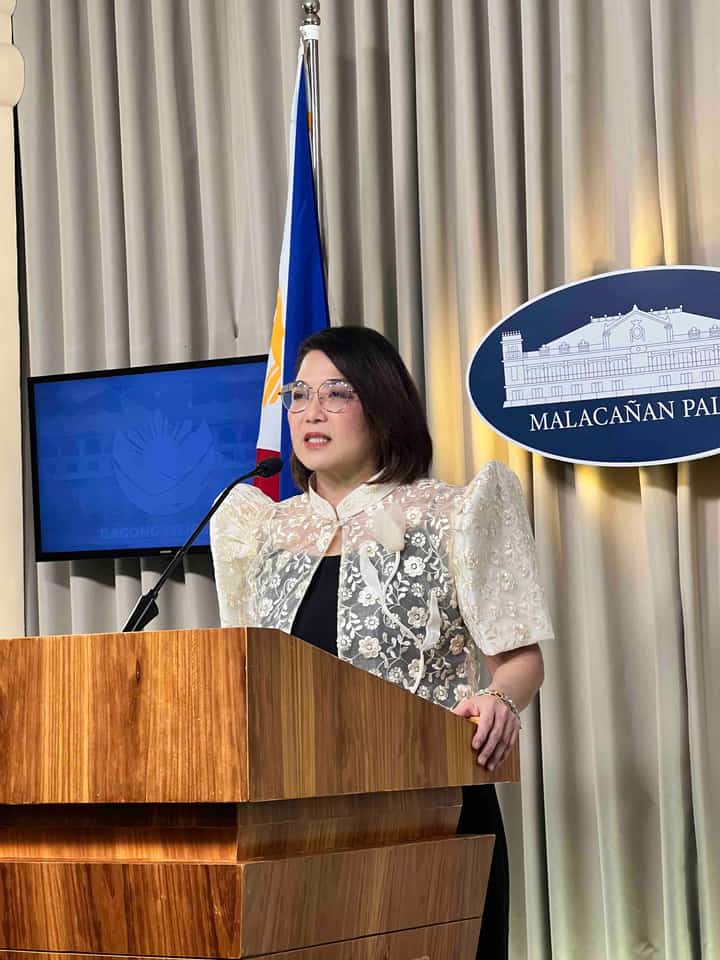
Malacañang on Friday welcomed proposals from business groups to adopt work-from-home arrangements to help reduce fuel consumption and cushion the impact of rising oil prices.
Presidential Communications Office Undersecretary Claire Castro said the Palace sees the proposal as “helpful” but stressed that decisions will be left to private companies.
“Kung iyan ang magiging panukala ng mga private business companies, makakatulong na malaki ‘yan. Pero siyempre hindi naman didiktahan ng Pangulo ang mga pribadong kumpanya,” Castro said.
She added that companies are free to adopt arrangements that suit their operations while helping ease fuel use. “Kung nakikita nila na ito’y makakabuti sa ating bayan, para sa interes ng ating mga kababayan para makatipid din sa fuel o sa produktong petrolyo, maganda ‘yang suggestion,” she said.
The Federation of Philippine Industries earlier backed flexible work arrangements as part of broader energy-saving measures, citing global disruptions linked to tensions in the Middle East that continue to affect oil supply and prices. The group said businesses are now better equipped to implement remote or hybrid setups following investments in digital infrastructure.
Subsidy proposal under review
Castro also responded to calls from the Trade Union Congress of the Philippines for a P5,000 monthly subsidy for minimum wage earners affected by rising fuel costs.
She said no option is “off the table” but emphasized the need to prioritize sectors most affected and ensure measures remain within budget limits.
The Palace also reiterated that the government is implementing energy-saving measures, including a four-day workweek for agencies and setting air-conditioning units to no lower than 24°C.
President Ferdinand R. Marcos Jr. earlier signed Republic Act No. 12316, allowing the temporary suspension or reduction of excise taxes on petroleum products to address rising fuel prices.