
A LONG WAY
We have the entitled arrogance of modern travelers, greedy for speed, addicted to efficiency, which is absurd, because in the Philippines, the trains are few, fragile and the idea of reliability is basically a joke.

Michelle told us the time down to the minute.
3:37.
Not “around.” “Give or take.” “We’ll see how traffic is.”
Exactly 3:37.
That was the promise on the Taiwan High Speed Rail, the bullet slicing from Chiayi City to Taichung in one hour and 30 flat. Our guide, Michelle, said it like a threat.
Goddamn if she wasn’t right.
The doors opened. People flowed. The machine left and arrived exactly when it said it would on the ticket. Like the train had a Swiss watch where its heart should be.
You feel it immediately: this system doesn’t care about you. Miss it and you’re finished. It will leave you standing there like a fool holding a ticket that means nothing anymore.
Of course, there’s the last-minute sprint to the washroom. Always one.
A person who hears “boarding now” and translates it to “you have time” like it’s Grab. A dangerous translation. A modern disease. The bullet train punishes that kind of thinking. Miss it and you’re done.
That’s progress. You’re not waiting for stragglers. Look back. You move forward, on time, every time. It’s beautiful in a very unforgiving way. A country telling you: keep up or get out.
I respected it. Maybe hated it a little.
Because, the day before, we had done the opposite.
We stood on a damp platform up in Alishan National Forest, looking at the old railway, and made a decision that made absolutely no sense.
We chose the slow way.
There was a bus. Of course, there was a bus. One hour down the mountain. Efficient. Sensible. The kind of option the bullet train would approve of. You get in, you get down. Move on.
We didn’t take it.
We took the train. Four hours. Nobody with a modern brain takes that deal. Four hours to do what a bus could do in one.
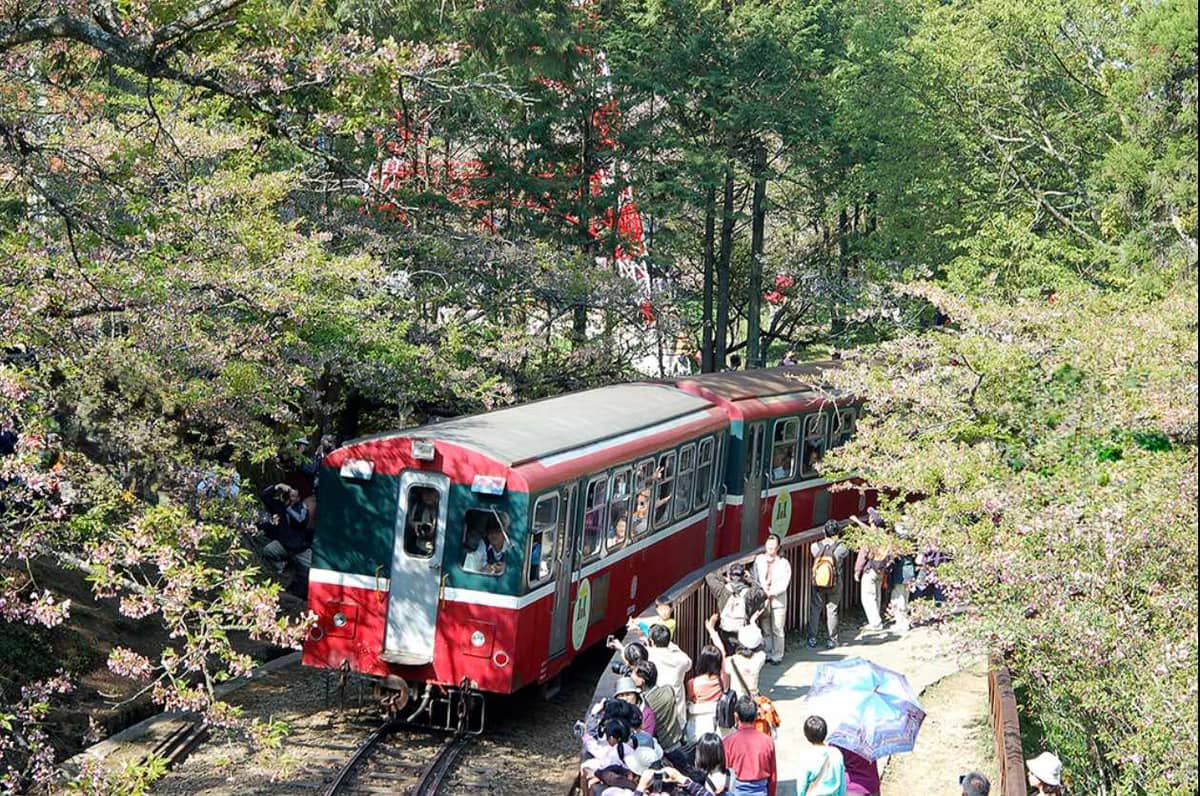
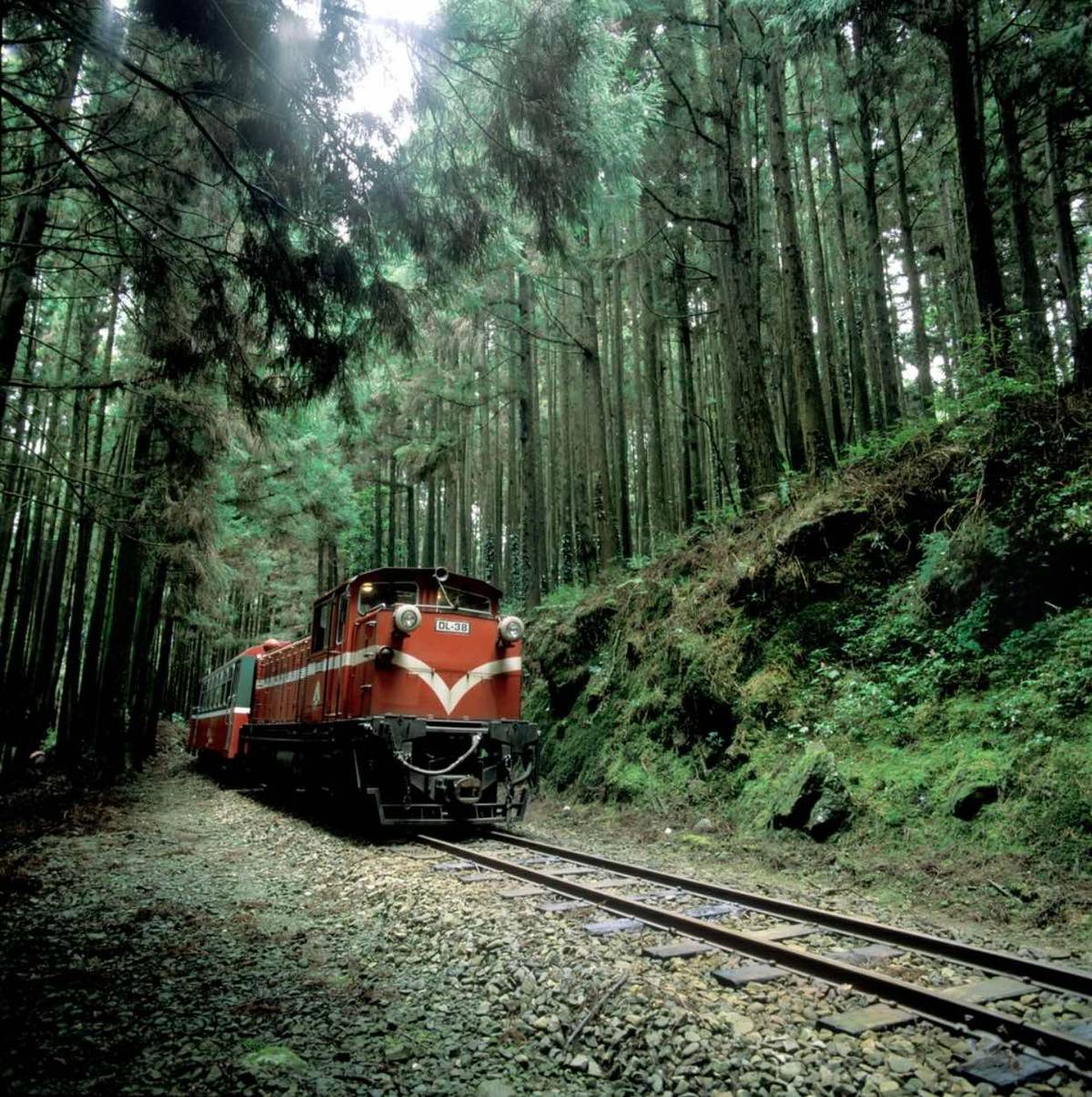
People hear “historic railway” and think quaint little ride down the mountain. At the time, I told myself this was about “experience,” which is the word people use when they are knowingly making their lives more difficult.
The first curve came with that sound. Metallic and sharp and angry. Wheels grinding against rail. Like the machine was protesting the idea of descent. You feel every meter.
The railway coils down the mountain. It doubles back on itself like a snake that’s forgotten where its head is. You look out the window and see the same slope again. Trees. Same drop.
There’s one stretch. Pure insanity. The “Dulishan Spiral.” The start and end are only 570 meters apart. Simple. Should be nothing. But the elevation jump. 233 meters. Instead of going straight: 5-kilometer detour just to manage the climb.
The train groaned. No, that’s not enough. It screamed. Like a beast that had clearly decided it had hauled enough cypress to last 10 lifetimes.
Mid-forest, among ancient cedars that seemed to lean over to whisper, You don’t belong here.
I gripped the armrest. Knuckles white. Convinced that, at any second we’d tip into the forest below.
I unwrapped the bento again. Pork rice smells like the city, which I realized I somehow missed terribly. Also, why does soy sauce taste like courage? Can I drink courage, or just spill it on myself?
The train attempted moving. Slowly. As if, unlike us, it had all the time in the world. Then it stalled. Again.
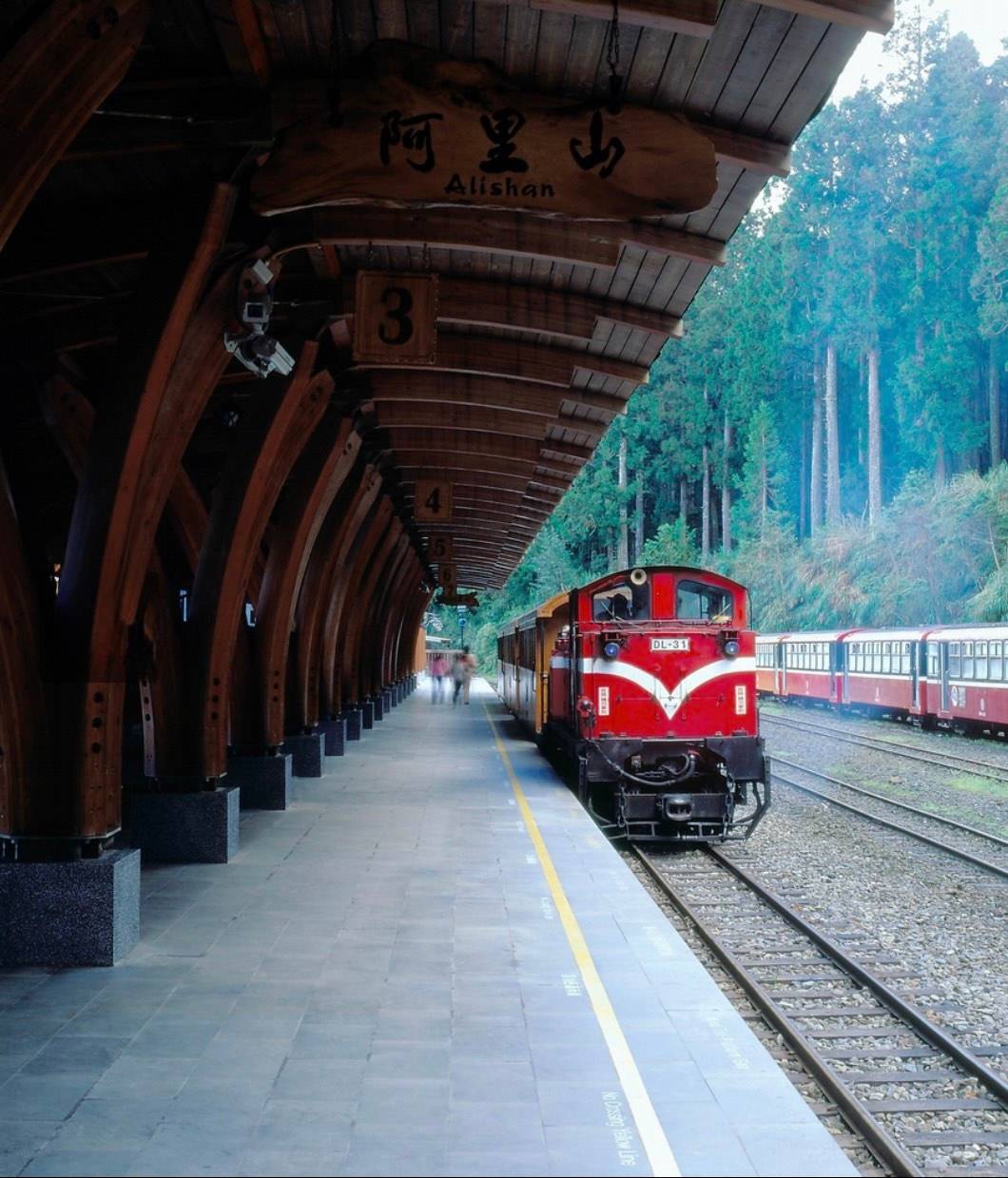
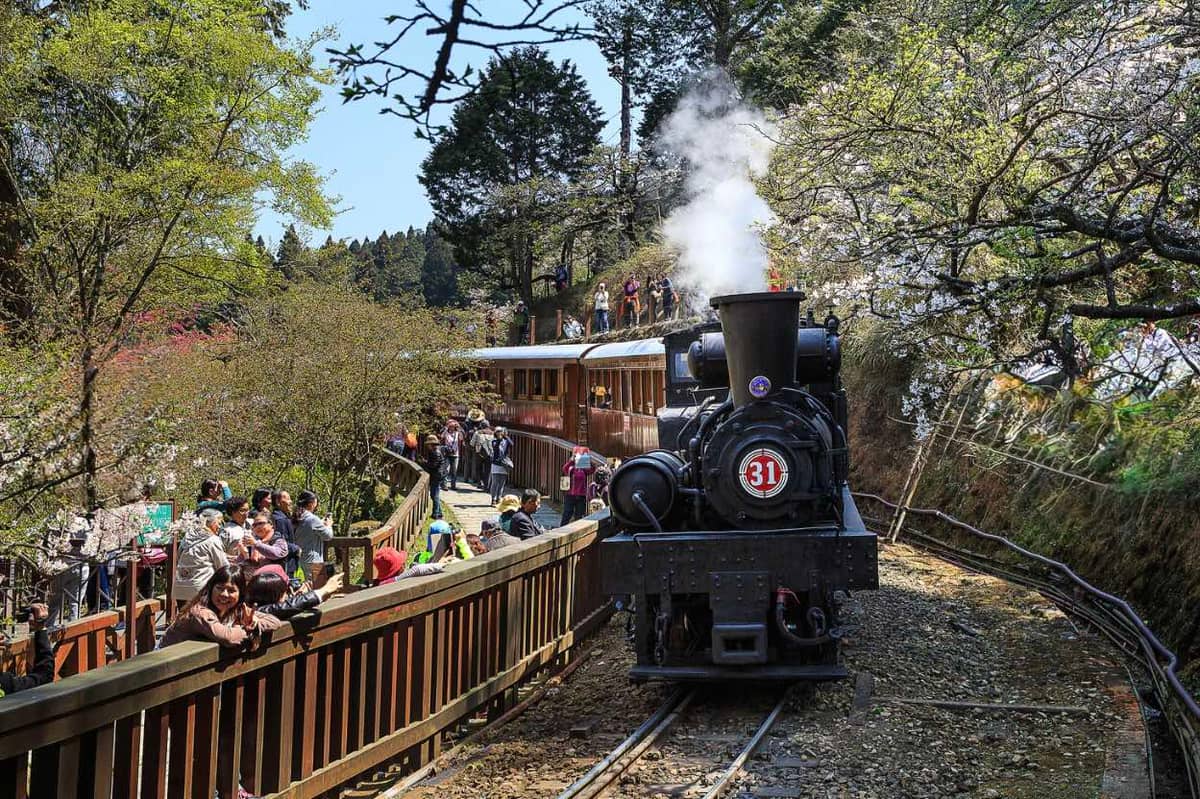
We had the entitled arrogance of modern travelers, greedy for speed, addicted to efficiency, which is absurd, because back home the trains are few, fragile and the idea of reliability is basically a joke.
Tourists still take the Alishan trains since it reopened in 2024. You feel that when the train starts moving. It doesn’t feel new as much as restored. Like something that earned its right to exist again.
Taiwan could have left this thing buried. Build a highway. Faster. Cheaper. Done. Instead they rebuilt a century-old railway through landslide country just to keep the connection alive.
A voice crackled over the speaker. Mandarin. Michelle leaned over and translated, her smile wide, calm. Almost condescending: “It’s fine. The train isn’t broken.”
I don’t trust calm people. Not when something was screaming like it’s being tortured. Not when the train jerks and rattles as if it might collapse into the forest just to make a point about mortality.
Not when I’ve had the same experience before, on a tiny banca in Quezon.
The motor sputtered, quit, suspended between the dark water below and the sky above. We were tiny, exposed, completely at the mercy of something bigger and indifferent.
And here it was again. Forest instead of ocean. I thought, “Well, at least I’ll get a good obituary.” Maybe even one with cherry blossoms falling on my head.
You look out the window. The Japanese planted these cherry trees a hundred years ago, back when men thought nothing of carving mountains apart for timber.
Now their ghosts were laughing at me through the petals. You don’t own a mountain. The forest. You are passing through. And they made sure you know it.
My last thought might be about how absurd it is to panic under such beauty. I thought: maybe the train broke. Or maybe they just wanted me to notice the trees.
Either way, I could not move.