
Feasting and fostering friendships: Iftar at the Malaysian embassy
The Embassy of Malaysia opened its doors — and its kitchen — for an iftar that was both feast and diplomacy with laksa, satay, rendang and a reminder that peace can start with sharing a meal.


In innumerable cultures around the world, food serves as a powerful means of bringing people together. Feasting, therefore, holds a central place in many religious and festive observances — none more so than Ramadan, the holiest month in the Islamic calendar.
Many non-Muslims, myself included, know Ramadan primarily for its tradition of fasting. Yet the communal act of breaking that fast — called iftar — is equally central to the spirit of the month. The practice of iftar, particularly in Iran, Turkey, Azerbaijan and Uzbekistan, was inscribed on the UNESCO Representative List of the Intangible Cultural Heritage of Humanity in 2023, affirming its enduring cultural value and its role in building community.
“Ramadan is not only about fasting from dawn to dusk, but about cultivating empathy, gratitude and self-discipline. It reminds us of the importance of sharing food and wealth with those in need, and of strengthening social solidarity and care for the less fortunate. Gatherings such as this iftar reflect universal values of kindness, generosity, and inclusivity that transcend cultural and religious differences,” said Dato’ Abdul Malik Melvin Castelino, ambassador of Malaysia to the Philippines, at an iftar held on 4 March for members of the Philippine media and other guests.
“Tonight, we celebrate not only the breaking of fast, but also the spirit of togetherness,” the ambassador added.
As a predominantly Muslim nation, Malaysia observes iftar — known in Malay as berbuka puasa. The Philippines, while predominantly Christian, has a long history of Islam and a sizable Muslim population. Ramadan began on 19 February in both countries.
The Kedutaan Besar Malaysia, Manila (Embassy of Malaysia) has made the iftar an annual tradition as an occasion to strengthen ties and showcase Malaysia’s rich culture and heritage.
Castelino said that Malaysia “continues to demonstrate how Islamic governance and principles can be harmonized with modern governance and economic innovation. Through Wakaf, or Islamic endowments, sustainable funding is channeled into education, healthcare and community development initiatives. Importantly, these benefits are extended to unserved communities, regardless of religion or race. This reflects Malaysia’s firm commitment to moderation, inclusivity, and shared prosperity as a progressive modern Islamic nation.”
He also emphasized how Ramadan “encourages…dialogue, mutual respect and stronger human connections,” and how members of the media “play a crucial role in shaping narratives and fostering greater understanding between our societies.”
Staff and guests awaited for the sunset, announced to be at 6:04 p.m. Devotees gathered for the Maghrib prayer in the prayer room, after which some broke the fast with dates and water, commemorating the prophet Muhammad’s practice of breaking his fast.
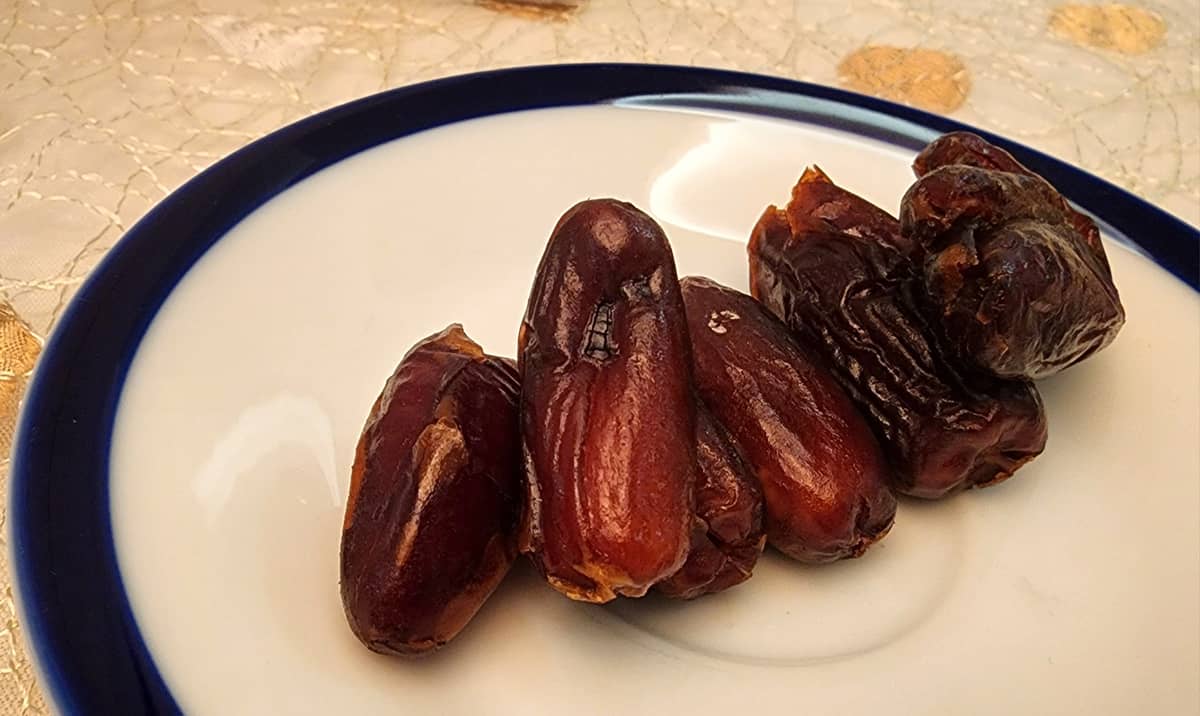
DATES to break the fast.
PHOTOGRAPHS by Roel Manipon for DAILY TRIBUNE
The sumptuous spread of Malaysian dishes was prepared by Ammar, the ambassador’s chef, with the help of Perwakilan, the association of spouses of the embassy staff.
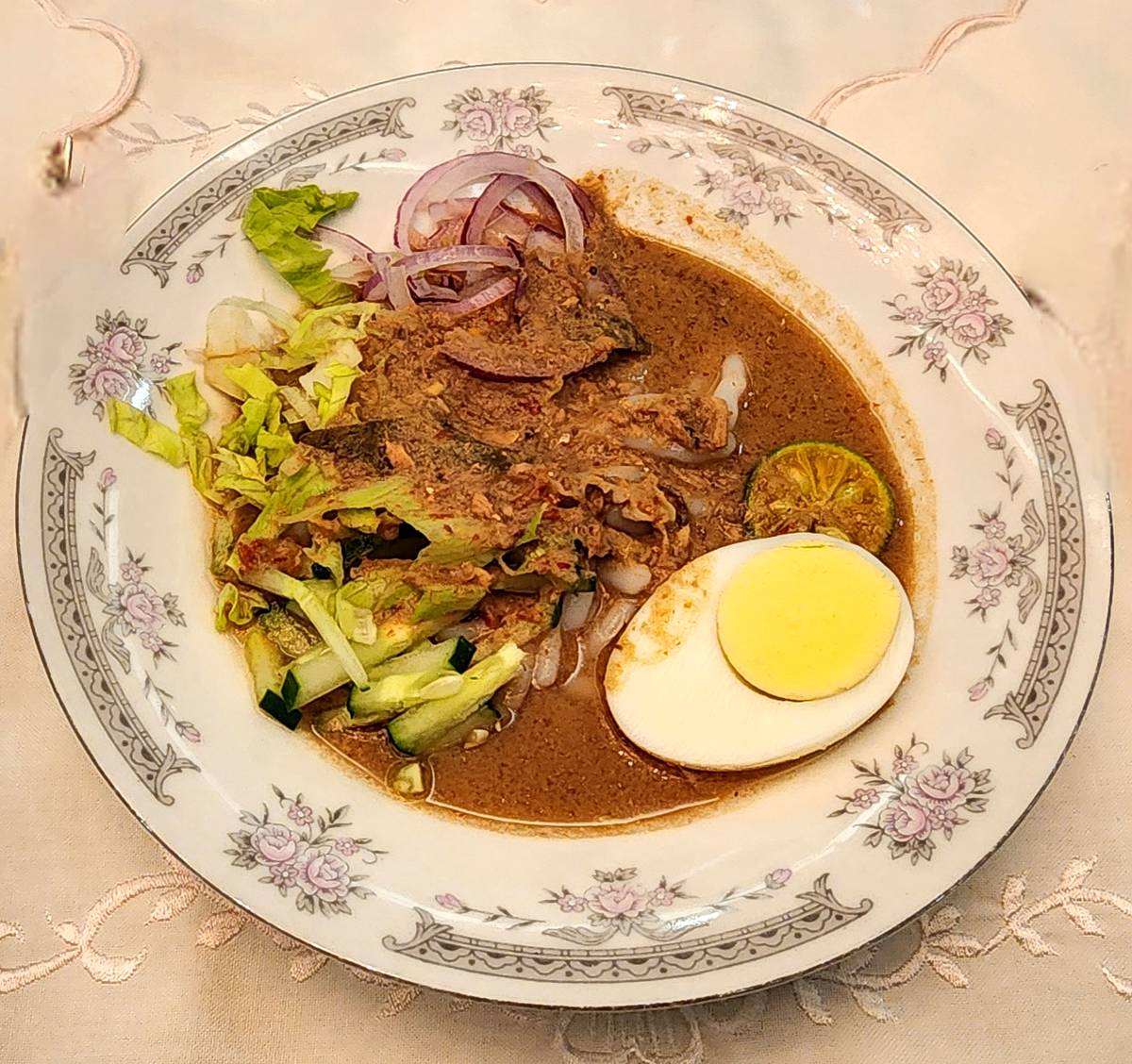
LAKSA utara, the iconic rice noodle soup as prepared in northern Malaysia.
PHOTOGRAPHS by Roel Manipon for DAILY TRIBUNE
Among the starters was laksa utara, a northern Malaysian take on the iconic rice noodle soup — lighter than most versions, with a pleasantly sour edge. The noodles were drenched in a soup or sauce (or gravy) made from fish, usually mackerel, simmered until it falls apart. This was seasoned with tamarind, herbs and spices. Chicken and beef satay — skewered and grilled meats served with a homemade peanut sauce that balanced sweetness and heat — rounded out the opening course.
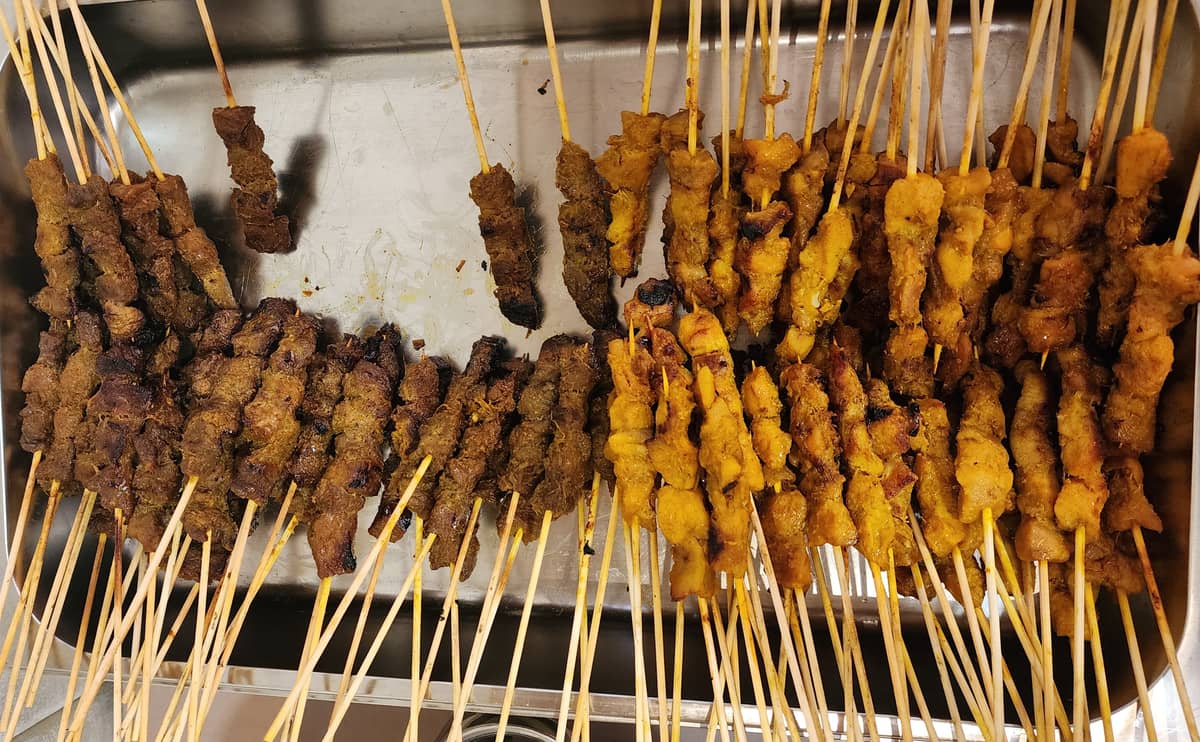
CHICKEN and beef satay.
PHOTOGRAPHS by Roel Manipon for DAILY TRIBUNE
The nasi hujan panas — basmati rice cooked with spices and herbs — made a striking visual impression in its white, green, and gold hues.
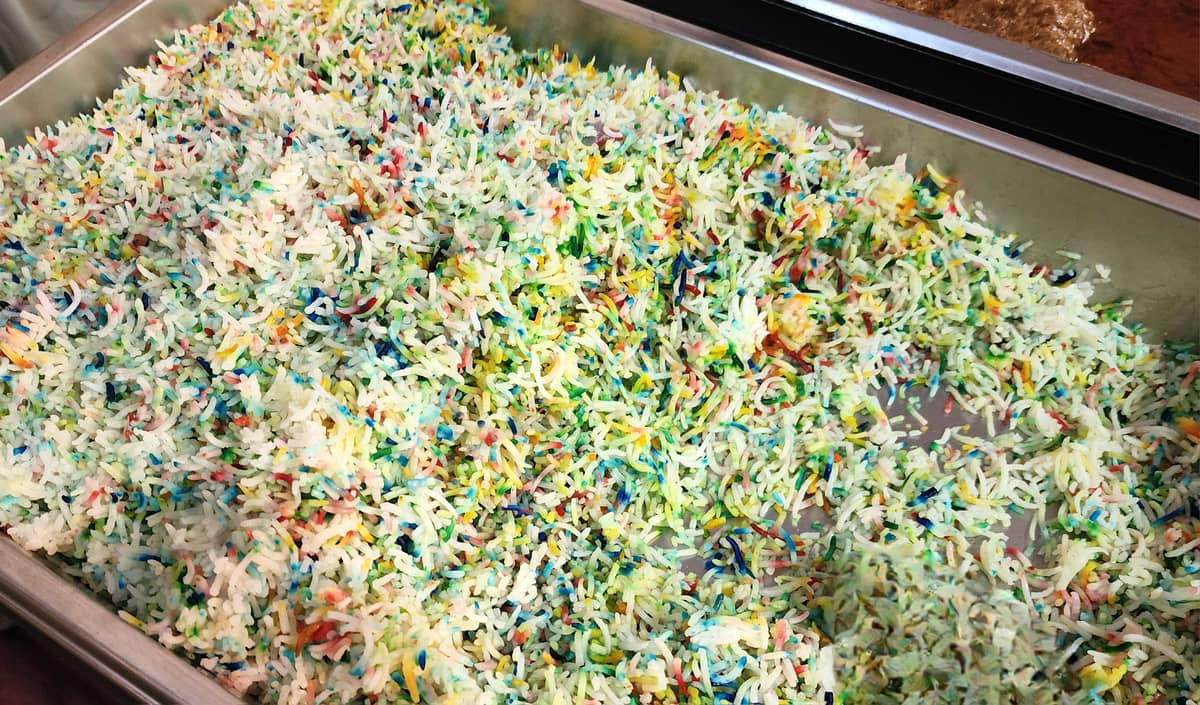
THE FESTIVE nasi hujan panas.
PHOTOGRAPHS by Roel Manipon for DAILY TRIBUNE
The main dishes were rich without being cloying: rendang ayam (chicken slow-cooked in coconut milk and traditional spices); daging masak hitam (beef slow-cooked in dark soy and spices); and dal (a lentil stew with vegetables). Balancing these was the bright, refreshing acar jelatah — fresh pickled vegetables with a sweet and tangy dressing.
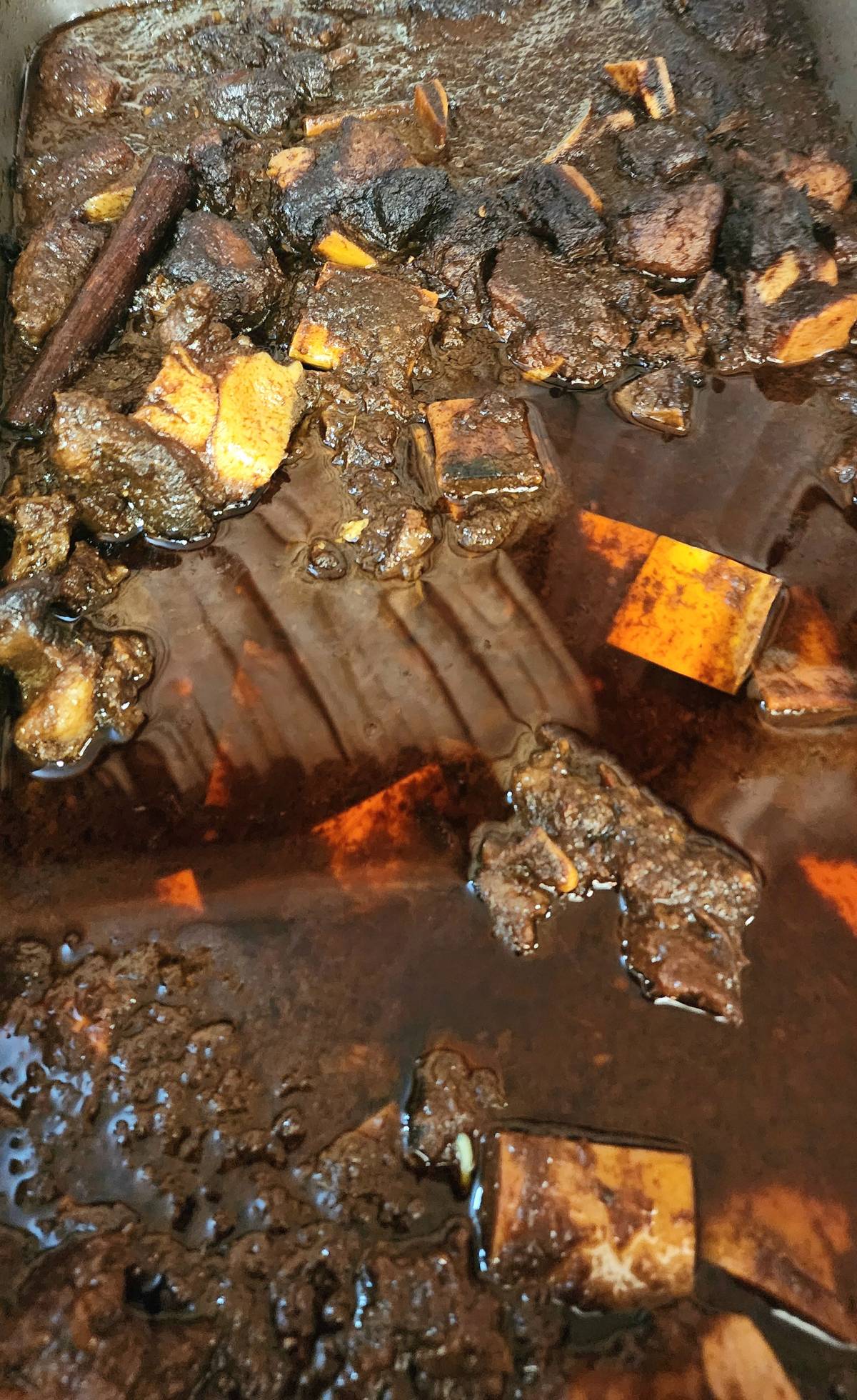
DAGING masak hitam, beef slow-cooked in dark soy and spices.
PHOTOGRAPHS by Roel Manipon for DAILY TRIBUNE
Dessert brought bubur pulut hitam, a warm porridge of black glutinous rice cooked in coconut milk and finished with a drizzle of fresh coconut cream. The meal was, in every sense, a feast.
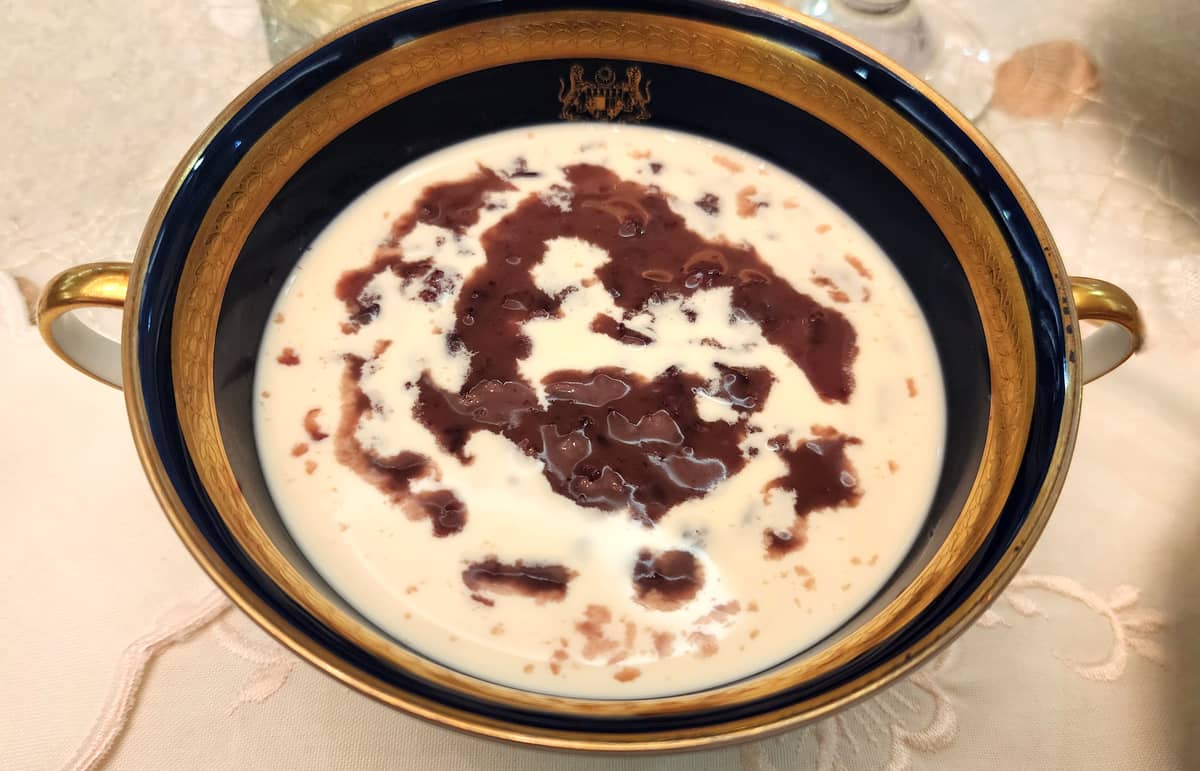
BUBUR pulut hitam, a sweet porridge of black glutinous rice and coconut milk.
PHOTOGRAPHS by Roel Manipon for DAILY TRIBUNE
“The food we serve today is a glimpse of what we hope you will savor in Malaysia,” the ambassador said, taking the opportunity to promote Visit Malaysia Year 2026.
“This national campaign showcases Malaysia’s vibrant multicultural heritage, breathtaking natural beauty, and dynamic urban life. Visitors can experience the unique atmosphere of Ramadan bazaars, diverse culinary traditions, eco-tourism destinations, and the harmonious coexistence of cultures,” he said.
Castelino closed by reflecting on why occasions like this matter: “Events like this are so important, especially in a day and age where there are so many upheavals in the world — the conflict in the Middle East, conflicts in so many parts of the globe.”
He noted that Ramadan this year coincides with the Christian season of Lent — a convergence that felt quietly significant.
“Coming together as Muslims and Christians, especially during this holy period for both religions, we can foster a greater understanding of peace and harmony. And the peace and harmony we long for can only be achieved if we truly understand and respect each other’s values, customs and religion,” he said.