
The Anatomy of a Scandal
Accountability is overdue. Not over. This is a developing story. As of 11 December, it has been 136 days since the investigation officially began. This is a comprehensive, detailed article. You might need to sit down and make a cup of coffee, as it is a long read. You have been warned.
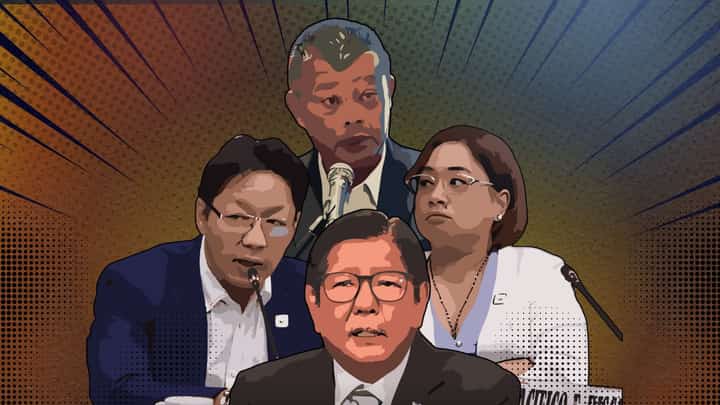
When Ferdinand “Bongbong” Marcos Jr. stood in front of the nation for his 2025 State of the Nation Address (SONA) on 28 July, he did more than provide a summary of the past five years or list his upcoming programs for his next year as president. Instead, he laid an accusing hand on something that has long since plagued the country but had been left unaddressed⸺either through the continuing narratives of Filipino resilience or the countless other issues that our country faces. He addressed flood control projects that had become conduits for corruption.
“Mahiya naman kayo,” he said. (“Be ashamed.”) He then ordered the start of the infamous, controversial investigation as we know it today. Flood control projects of the last three years were published and opened to public scrutiny. The next working day after the SONA, 29 July, the machinery of the investigation began to turn.
What followed that key moment has been messy and theatrical, but necessary. Public hearings, a torrent of social media outrage, a three-member independent commission with subpoena power, multiagency asset freezes, and a central figure in the scandal⸺the contractor Discaya couple, whose rise from “rags to riches” has become the loudest symbol of the controversy. But the demand at the heart of all this anger remains unfulfilled.
As of 11 December 2025, it has been 136 days since the investigation officially began. Several persons involved have been detained, but the big names are still free and/or abroad. There has not been any prosecutions, restitution, or actual long-term flood protection.
This is where the story stands right now. Unfinished. Far from victory.
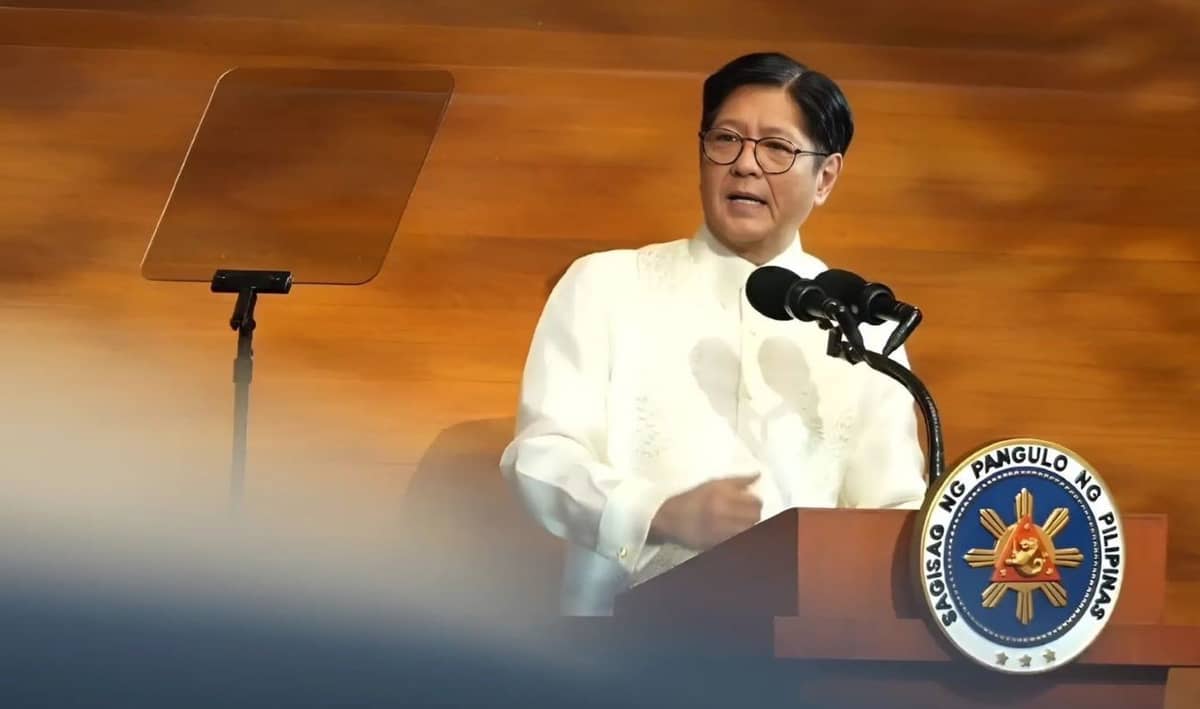
"Mahiya kayo sa inyong kapwa Pilipino," Pres. Marcos Jr. said on 28 July during his State of the Nation Address (SONA), which eventually kickstarted the investigation as we know it today.
Presidential Communications Office
Controversy: Testing the nation's conscience and patience
Within weeks of the SONA, the Palace and the Department of Public Works and Highways (DPWH) disclosed data that sharpened the public's suspicion: roughly 20 percent of the P100 billion flood-control spending in the last three years was concentrated in only 15 contractor firms. This revelation and the amount of money put in a select few's hands prompted immediate scrutiny and a promise of action.
One name rose above the rest: the infamous Discaya couple, Pacifico "Curlee" and Cezarah "Sarah." Their story was flaunted on social media as a "rags to riches" story, with the couple sharing videos of their luxurious lifestyle involving dozens of luxury cars and an out-of-touch rebuke to struggling public school teachers who voiced out complaints of wading through floods. These, being easily accessible to the public, made them a focal point for public fury.
The Senate and the House of Representatives summoned the Discayas—their firms were blacklisted, their corporate licenses later faced revocation, and some of their bank accounts and assets were frozen. The couple's testimony that lawmakers demanded increasing kickbacks yearly, which they were "forced" to comply with, only thickened the plot. And the list of names dropped is indeed another convoluted chapter in this story of corruption. It involved DPWH officials and three district engineers (Henry Alcantara, Brice Hernandez, and Jaypee Mendoza), and numerous members of Congress, including Speaker Martin Romualdez and other representatives. So many names, so many webs to untangle.
Tribunals, the Anti-Money Laundering Council (AMLC), the Bangko Sentral, and the Court of Appeals have been involved in freezing accounts and insurance policies linked to individuals and firms tied to the scandal. These asset freeze orders (one of the few discrete levers that the state can immediately use) were enacted with the goal of slowing down the movement of money while investigators build cases. But asset freezes are not a conviction. It is restraint, not closure.
If we're still talking about chapters in this dragging, relentless story, then this asset freeze isn't even a significant arc yet in the resolution of the plot pyramid.
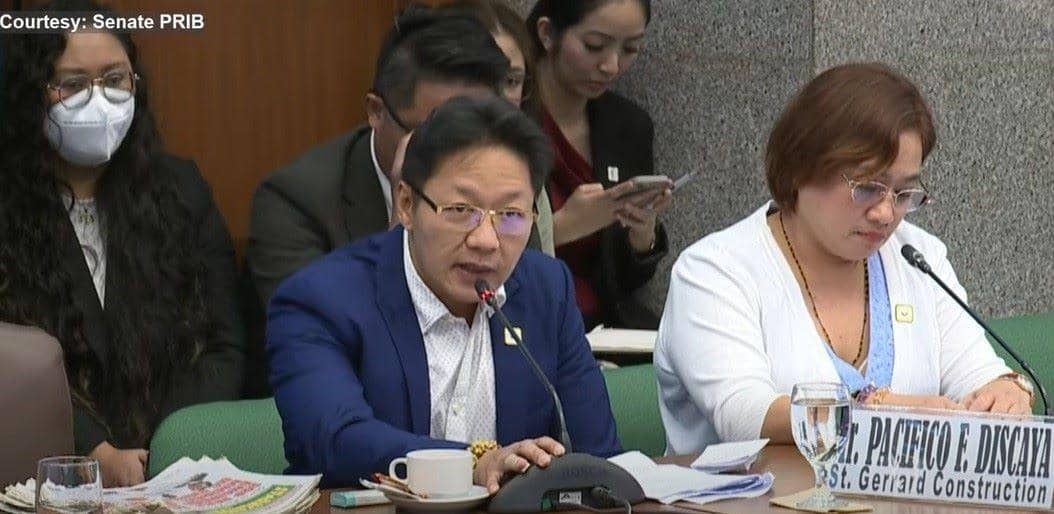
The Discayas at the Senate blue ribbon committee hearing.
Senate PRIB
Online and offline: Callouts and action in the streets
Online, the anger became a cultural moment.
The hashtag #nepobabies trended as social media users and creators combed through accounts and feeds to spotlight the children, spouses, and hangers-on of officials and contractors who appeared to enjoy lavish lifestyles "sponsored" by taxpayers. "Nepo babies" comes from the term "nepotism babies," or people who enjoy success not out of personal merit but rather connections. Originally used in Hollywood, Filipinos have claimed the term as a designation for figures who benefit from corruption. Such figures include but are not limited to Claudine Co, daughter of businessman Christopher “Kito” Co and niece of former Ako Bicol Rep. Elizaldy “Zaldy” Co; Angela "Gela" Alonte, daughter of Biñan mayor Angelo “Gel” Belizario Alonte; and Jammy Cruz, daughter of Noel Cruz, owner of Sto. Cristo Construction.

Claudine Co flaunts her lavish lifestyle, complete with the price tags of her outfit of the day.
Claudine Co on Instagram

Jammy Cruz shows off a luxury bag.
Preview PH and jammy.cruz on Instagram
In a country hit by 20 typhoons a year on average, where more than half of its citizens are poor, these nepo babies sporting outfits from Fendi, Dior, and Hermes, flying in private jets and going on shopping sprees, understandably drew ire and scrutiny. The gap between the rich and the poor is already wider than ever. These nepo babies rubbing it in our faces just adds salt to the wound.
Offline, the anger marched.
On 4 September, various groups protested outside St. Gerrard Construction in Pasig City, one of the companies owned by the contractor couple, Sarah and Curlee Discaya.
On 12 September, Black Friday protests denouncing the flood control scandal happened in different parts of Metro Manila.
On 21 September—the anniversary of Martial Law—thousands joined rallies as a call for accountability and to express public outrage. Celebrities, teachers, local mayors, and youth groups showed up. Organizers called it more than just a protest. It was a civic insistence that corruption be met with consequence, not just spectacle. In city squares, roads, and even in front of contractor companies and outside the Senate building, the message from the people was blunt: Prosecute. Recover. Finish the job.
On 13 November, religious group Iglesia ni Cristo (INC) announced that it will hold a three-day rally at Rizal Park to call for transparency and accountability in government.
On 15 November, Akbayan Partylist members gathered in Makati to protest government corruption and advocate for a ban on political dynasties amid new allegations related to the flood control scandal.
The Catholic Bishops’ Conference of the Philippines (CBCP) called for truth, justice, and due process, urging Zaldy Co to return to the Philippines and formally submit his complaints with supporting evidence.
On 16 November, the first day of the three-day Iglesia ni Cristo anti-corruption rally began at the Quirino Grandstand. As of this writing, there are an estimated 630,000 people that participated in the peaceful assembly called "Rally for Transparency, Accountability, Justice, and Peace."
On 17 November, day two of the Iglesia ni Cristo anti-corruption rally drew up to 300,000 participants at the Quirino Grandstand in Manila. Senator Rodante Marcoleta criticized the Ombudsman for quickly moving to indict Co, arguing that proper verification of his testimony is required to ensure transparency and due process.
INC Minister Rommel Topacio criticized the government for the slow pace of flood control investigations, directly naming President Marcos Jr. and Romualdez. He accused authorities of bias, protecting allies while targeting opponents, and questioned why no indictments have been filed despite Co’s allegations.
Student Youth Against Kurakot staged a march at UP Diliman on International Students’ Day, holding placards symbolically declaring government officials linked to the flood control scandal “guilty.” The youth group called for meaningful accountability and reforms during the campus protest.
On 21 November, UP Diliman students protested at the Oblation demanding accountability for the flood control scandal. Their demonstration coincided with DPWH and ICI submitting a referral to the Ombudsman against former House Speaker Martin Romualdez.
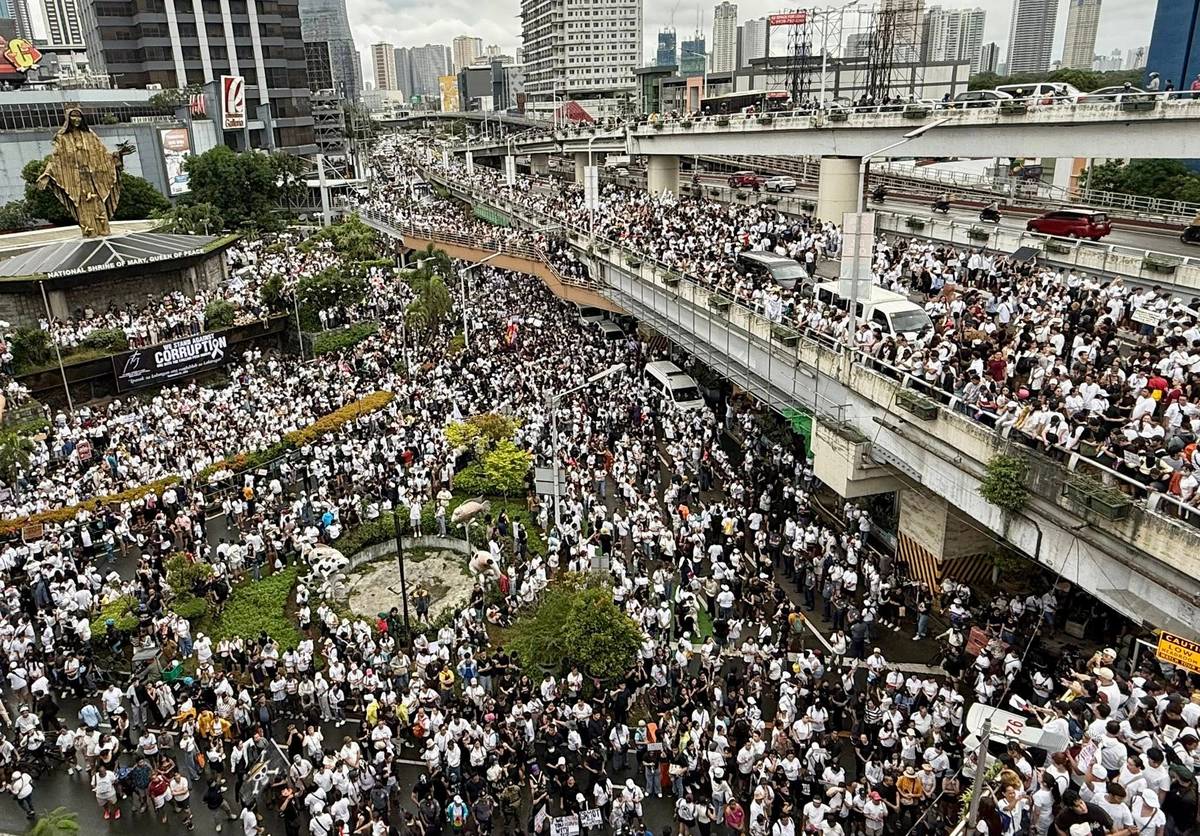
Trillion Peso March on 21 September 2025.
Russco Gray for Wikipedia Commons
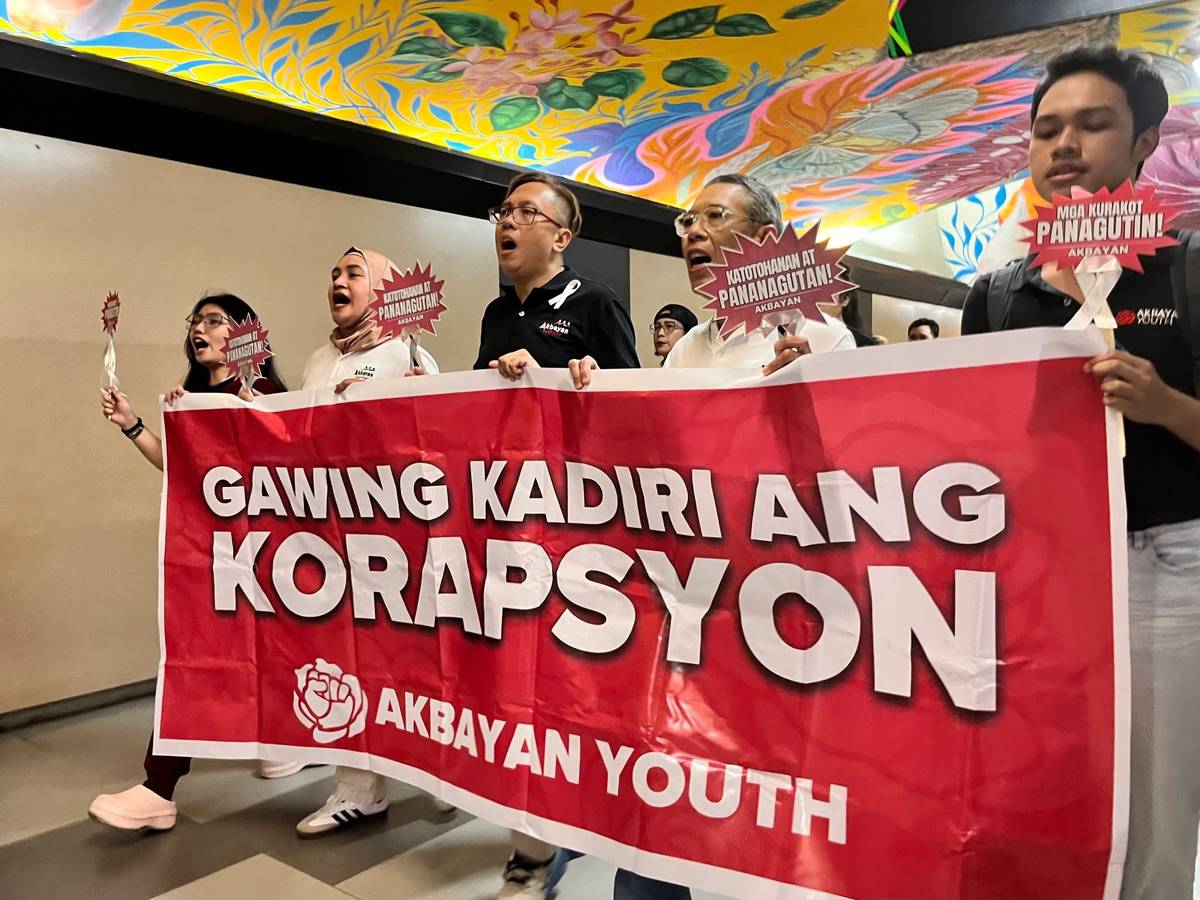
Akbayan Partylist protest on 15 November.
Leila De Lima
Citizens carried placards, flags, and megaphones, all calling for an end to corruption. While mostly peaceful, encounters between protestors and authorities ended in violence at Ayala Bridge in Manila and again on Mendiola near Malacañang Palace. Other protestors called the incident as further proof of rising desperation in the masses, fueled by hunger and danger, and exacerbated by the flamboyance of the corrupt.
Viral collages of designer bags, multiple luxury vehicles, and overseas travel were framed not as mere lifestyle envy, but as evidence of systemic issues that force Filipinos into survival mode: networks of contractors, engineers, and political patrons that bend public funds into a private money machine. That framing hit more than hearts. It hit ears in the provinces where people have to paddle boats and wade in floodwaters just to go to school.
What has happened so far, and why it is not enough
AUGUST 2025:
On 11 August, President Ferdinand Marcos, Jr. named 15 contractors who bagged P100 billion worth of flood control projects from 2022.
On 13 August, DPWH Secretary Manny Bonoan said that the DPWH will audit infrastructure projects built by the top 15 government contractors.
On 15 August, the President visited two substandard anti-flood infrastructure in Calumpit, Bulacan, which were passed off as complete despite failure to deliver some parts of the contract.
On 19 August, the Senate Blue Ribbon Committee held a motu proprio investigation into alleged irregularities. Eight out of 15 government contractors invited to the hearing failed to attend. DPWH Secretary Manny Bonoan admitted to the existence of ghost projects but claimed that he only found out about the scam recently.
On 27 August, the President ordered lifestyle checks on all government officials.
On 31 August, Bonoan resigned as DPWH Secretary.
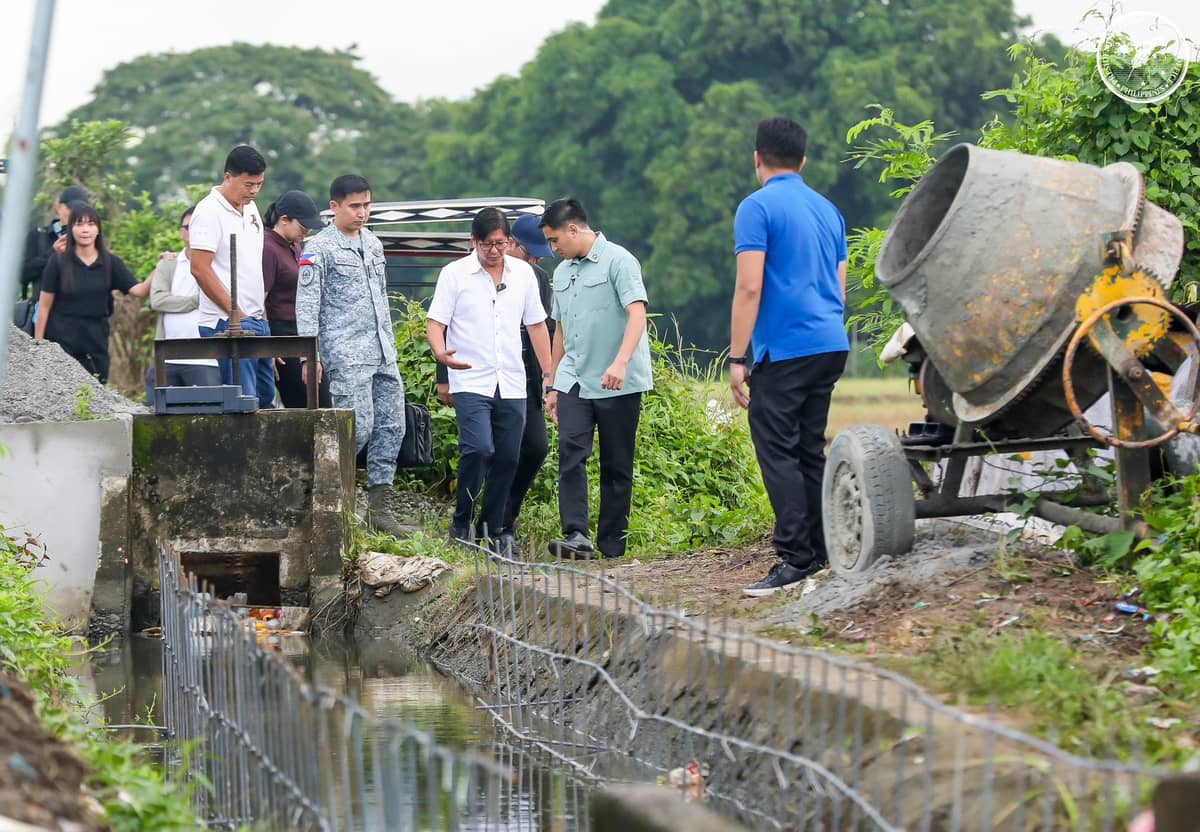
President Ferdinand "Bongbong" Marcos Jr. inspects a Bulacan ghost project.
Presidential Communications Office
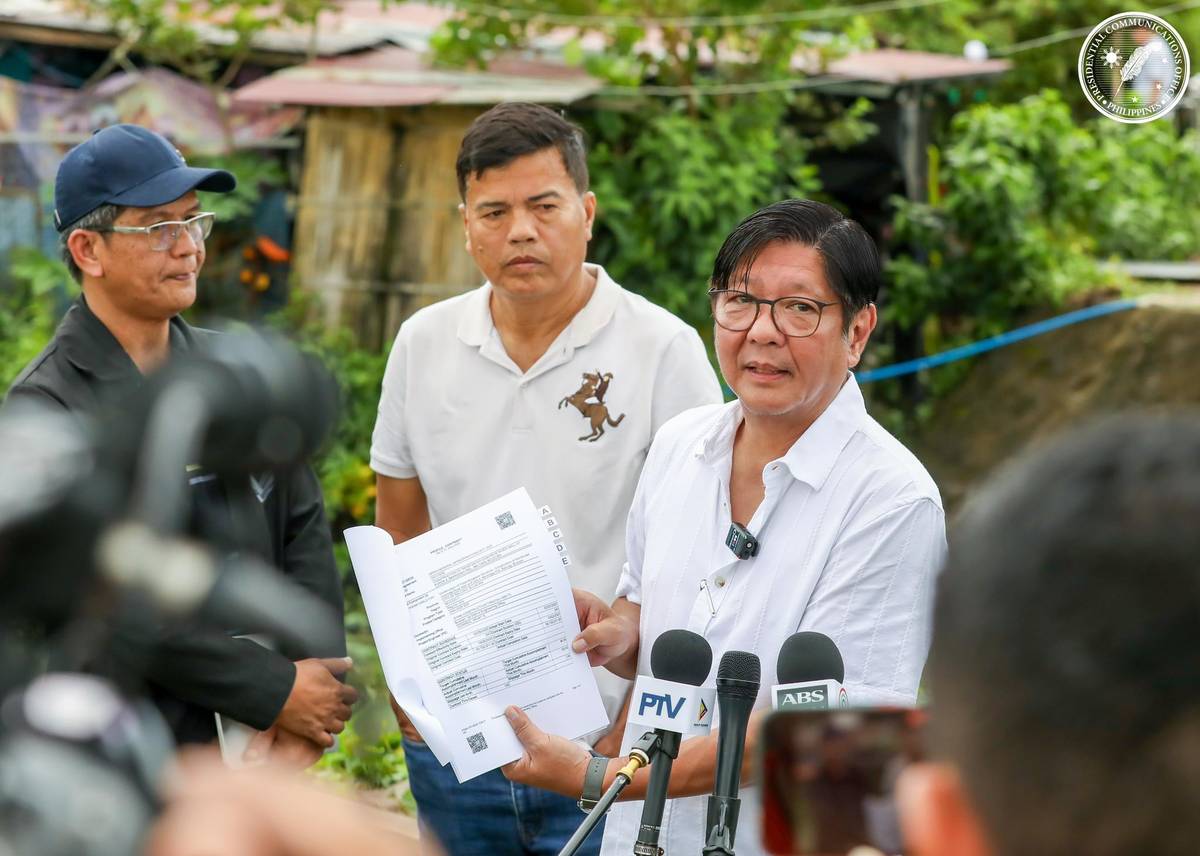
“I’m more than disappointed. I’m actually getting very angry. This is what’s happening here. I’m not disappointed, I’m angry," Pres. Marcos Jr. stated.
Presidential Communications Office
SEPTEMBER 2025:
On 1 September, Vince Dizon assumed leadership of DPWH as officials faced suspension. Dizon promised reforms, technology backed by groups in the country, lifestyle checks, and a systematic recovery plan for misspent funds. The new secretary has repeatedly said he would pursue restitution, with steps taken such as a partnership with the Philippine Chamber of Commerce and Industry (PCCI) Chair Dennis Anthony Uy to build a transparency portal, and the use of the Civil Forfeiture Law to recover assets from involved officials. He also ordered the courtesy resignations of DPWH officials.
On 2 September, the House of Representatives also began its own joint committee hearings. Live hearings revealed conflicting testimonies, allegations that kickbacks were customary and increased each year, and at least one contempt citation for lying to investigators. The House TriComm kicks off its own probe on flood control anomalies. House Infra Comm members are ordered to disclose ties to flood control projects. Dizon scrapped an internal committee formed to probe the flood control mess.
On 3 September, the Philippine Contractors Accreditation Board (PCAB) made public the revocation and suspension of nine Discaya-linked corporations. The DPWH flagged fines and potential penalties in the tens to hundreds of billions of pesos. The Bureau of Customs (BOC) raids the Discaya compound and seizes their luxury vehicles. The DOJ issued an immigration lookout bulletin order (ILBO) against contractors and DPWH officials tagged in the flood control scam.
On 5 September, DPWH found ex-District Engineer Henry Alcantara guilty of grave misconduct over the Bulacan flood control mess.
On 6 September, a lawmaker urged Ako Bicol party-list Rep. Zaldy Co, former chair of the House appropriations panel, to answer allegations linking him to budget insertions and clarify his ties with Sunwest Inc.
On 8 September, Senate President Chiz Escudero, who had admitted to receiving a P30 million donation from a government contractor, was ousted, with former Senate President Tito Sotto taking his place. A new Senate majority is formed.
On 10 September, Senate President Vicente Sotto III refused to sign Senator Rodante Marcoleta's recommendation for the Department of Justice (DOJ) to admit Sarah and Curlee Discaya in the state's witness protection program.
On 11 September, a three-member commission with subpoena powers was created to probe anomalies and recommend criminal and administrative action. It includes former Supreme Court Justice Andres Reyes Jr., with former Public Works Secretary Rogelio Singson and SGV & Co. managing partner Rosanna Fajardo as members. Former Baguio City Mayor Benjamin Magalong serves as a special adviser. The commission has named officials and firms it believes are implicated and said it would file criminal complaints.
On 15 September, the President named former Supreme Court Justice Andres Reyes as the head of the Independent Commission on Infrastructure (ICI).
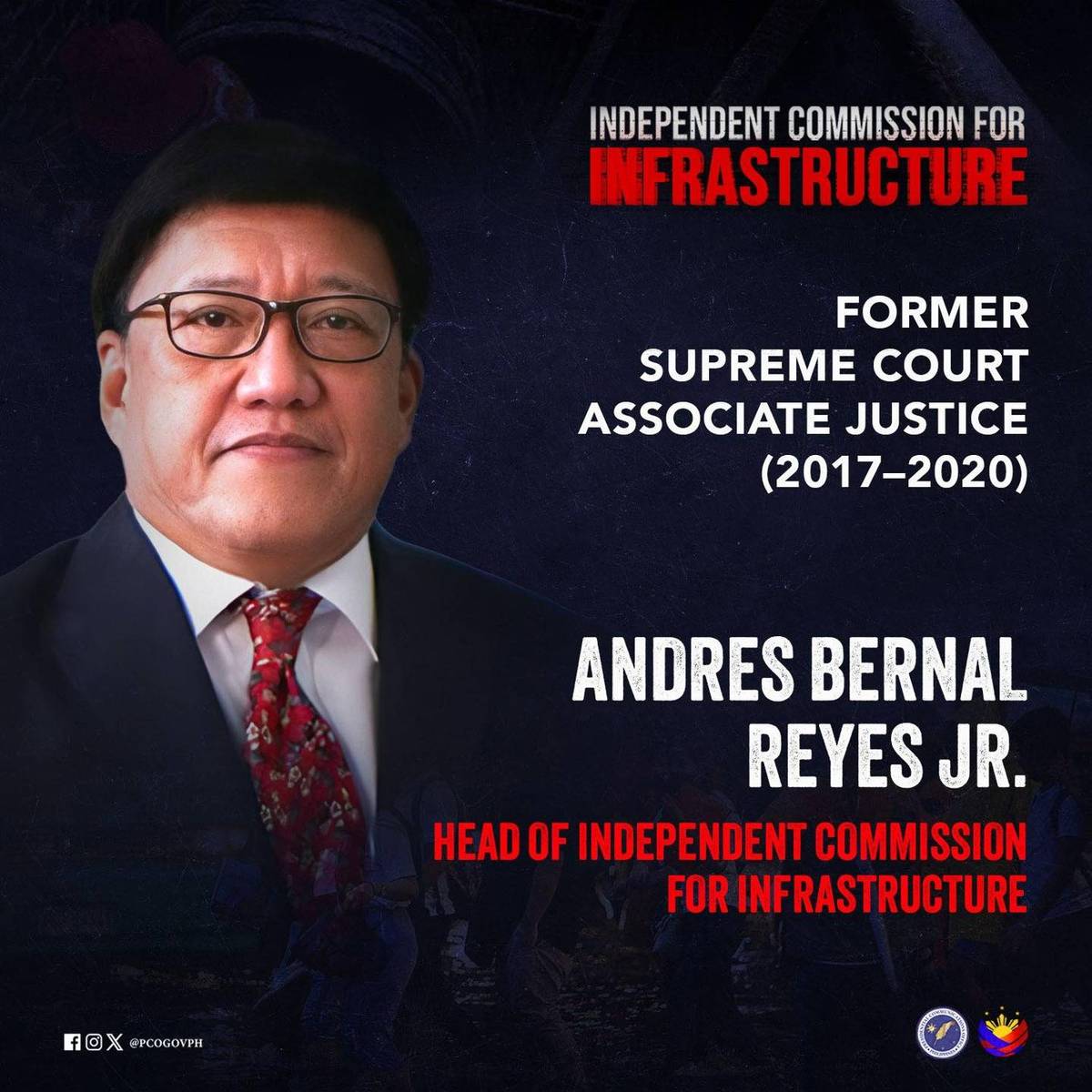
Andres Bernal Reyes Jr. is named as head of the Independent Commission for Infrastructure (ICI).
Presidential Communications Office
On 17 September, Leyte Rep. Martin Romualdez resigned as Speaker of the House amid allegations that he benefited from the flood control scam. He was replaced by Isabela Sixth District Rep. Faustino "Bojie" Dy III as the new House Speaker.
On 19 September:
House Speaker Faustino “Bojie” Dy III revoked the travel clearance of Zaldy Co and ordersed him to return to the Philippines after he was implicated in the flood control mess.
The Discayas met with DOJ officials to discuss their potential admission into the Witness Protection Program (WPP) and to have their affidavits evaluated.
The Anti-Money Laundering Council secures a new freeze order from the Court of Appeals, aiming at a wide array of assets allegedly tied to anomalous flood control projects. The order covers a total of 592 bank accounts, three insurance policies, 73 motor vehicles, and 18 real properties belonging to other individuals and contractors linked with the irregular flood control projects.
Acting Ombudsman Dante Vargas orders the preventive suspension of 16 more DPWH personnel of Bulacan’s 1st District Engineering Office.
On 23 September, Justice Secretary Jesus Crispin Remulla revealed the AMLC had secured a freeze order on the assets of Senators Joel Villanueva, Jinggoy Estrada, and AKO BICOL Party List Rep. Zaldy Co, former Caloocan Rep. Mitch Cajayon-Uy, and former Public Works and Highways officials Roberto Bernardo and Henry Alcantara.
On 24 September:
The Discayas were provisionally accepted into the WPP as "protected witnesses," which protects them from harm but does not guarantee final state witness immunity from liability.
The House Infrastructure Committee suspended its inquiry into alleged anomalies in the government’s flood control projects to "give way" to the investigation conducted by the ICI.
The Office of the Ombudsman started a fact-finding investigation into reports that a construction company linked to Commission on Audit (CoA) Commissioner Mario Lipana’s wife bagged government flood control projects.
The DPWH issued show cause orders against several Regional Directors and District Engineers believed to be involved in substandard infrastructure projects, tampering of evidence, as well as those flagged for having lavish lifestyles beyond their means.
DPWH Secretary Vince Dizon asked the Anti-Money Laundering Council to freeze almost P5 billion worth of air assets owned by Ako Bicol party-list Rep. Elizaldy Co and companies linked to the lawmaker.
On 29 September:
Representative Elizaldy Co resigned from the House of Representatives amid investigations into the flood control controversy.
The ICI recommended the filing of cases at the Ombudsman against Co and other officials from the DPWH for alleged irregularities in a P290-M flood control project in Naujan, Oriental Mindoro. It also defends its decision to conduct confidential hearings on the flood control scandal to avoid trial by publicity.
OCTOBER 2025:
On 1 October, The BOC issued a warrant of seizure for 13 luxury vehicles owned by contractors Curlee and Sarah Discaya.
On 2 October, Sen. Francis “Chiz Escudero faces an ethics complaint for accepting a P30 million donation from government contractor Lawrence Lubiano.
On 5 October, Sen. Panfilo "Ping" Lacson said he is resigning as chairman of the Senate Blue Ribbon Committee.
On 7 October, Jesus Crispin "Boying" Remulla was appointed as Ombudsman by President Marcos. On 9 October, he was officially sworn in.
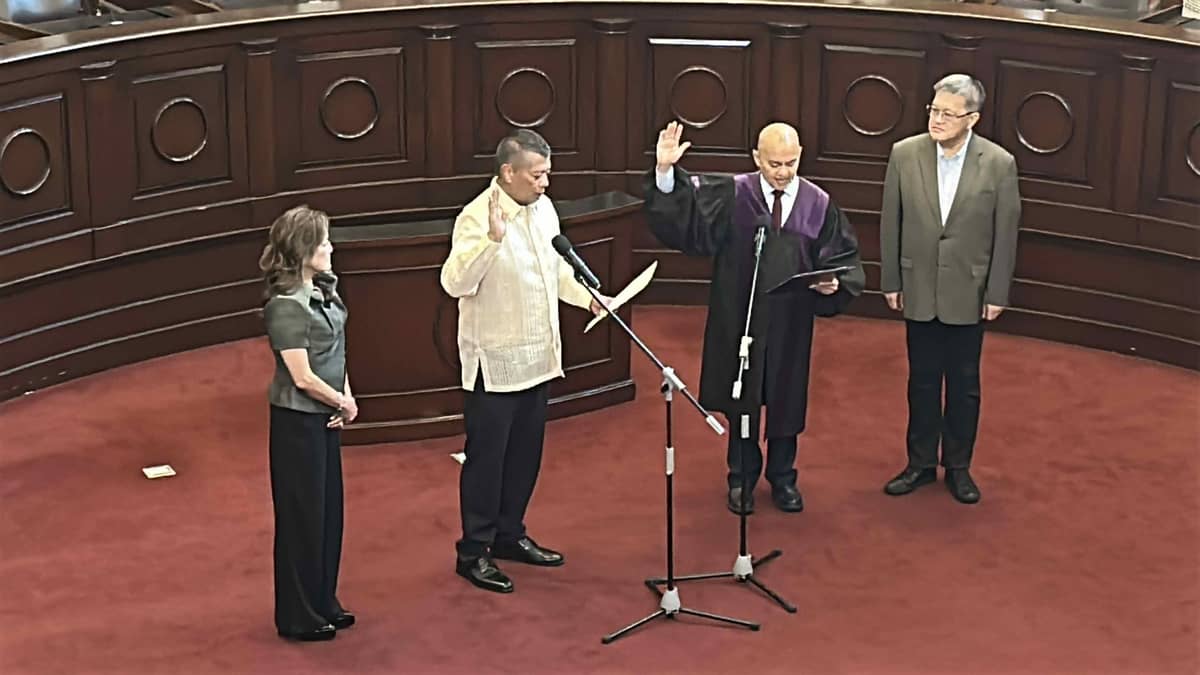
Jesus Crispin "Boying" Remulla takes his oath as the new Ombudsman.
Philippine News Agency
On 8 October:
AMLC secured the fifth freeze order on assets related to flood control mess. Around 1,632 bank accounts, 54 insurance policies, 163 motor vehicles, 40 real properties and 12 e-wallet accounts have been frozen amid the ongoing probe into the flood control mess.
The Bureau of Internal Revenue filed P7.18-billion "criminal" tax charges against government contractors Sarah and Curlee Discaya as well as one of their aides, revealing that the couple "never divested" from some of their firms as they previously claimed.
On 14 October, the Office of the Ombudsman released a memorandum setting new guidelines for public access to the Statements of Assets, Liabilities, and Net Worth (SALNs) of public officials. It reversed a 2020 circular under former Ombudsman Samuel Martires, which required prior written and notarized consent from officials before their SALNs could be released to a requesting party.
On 15 October:
The Discayas officially announced they were no longer cooperating with the ICI, after personal and unofficial remarks by one of the body's members on their status as state witnesses.
The Independent Commission for Infrastructure requested a new batch of Immigration Lookout Bulletin Orders against 19 individuals tagged in the flood control mess including former Caloocan Rep. Mitch Cajayon-Uy and Arturo Atayde.
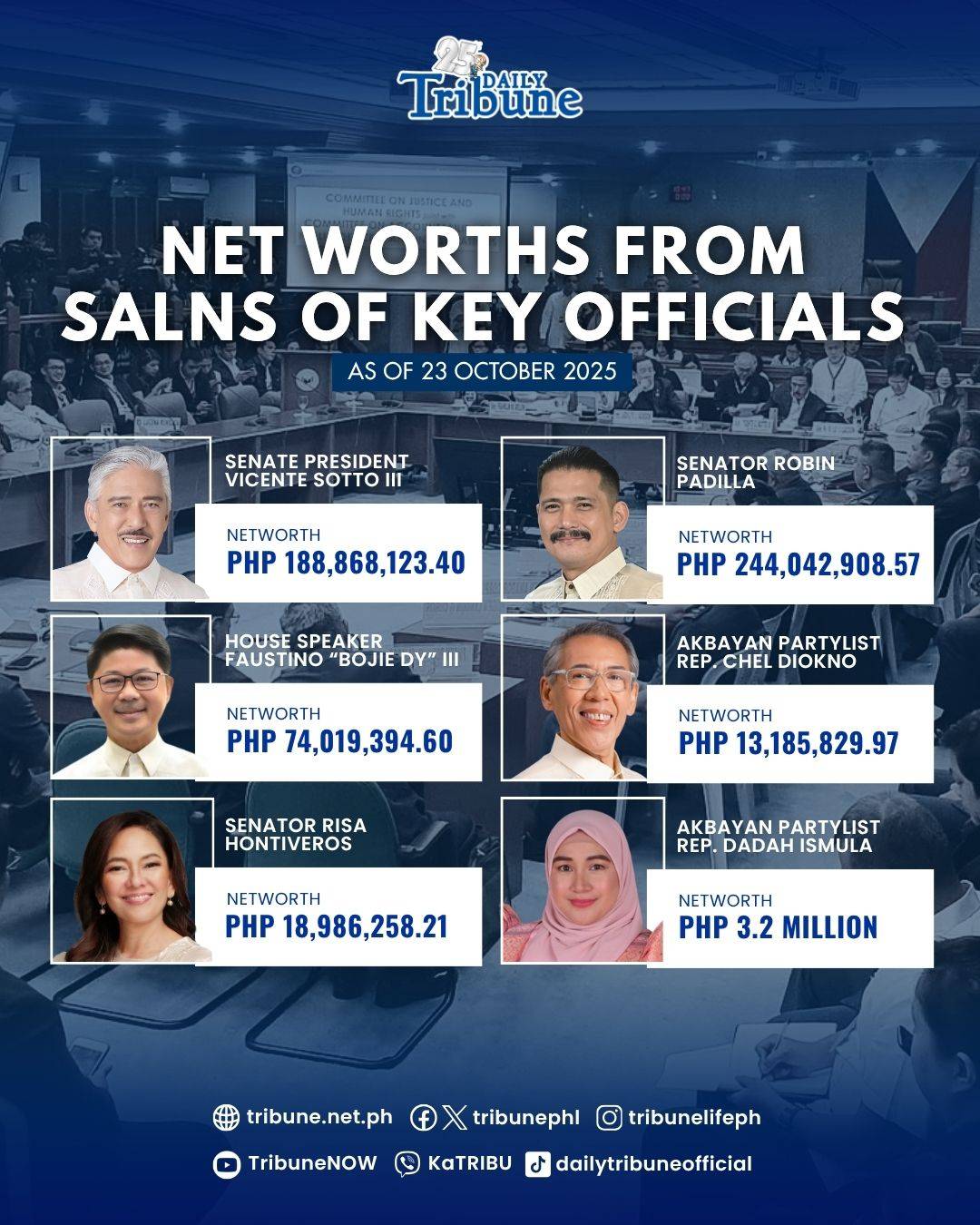
SALNs of Key Officials.
Daily Tribune

SALNs of Key Officials.
Daily Tribune

SALNs of Key Officials.
Daily Tribune
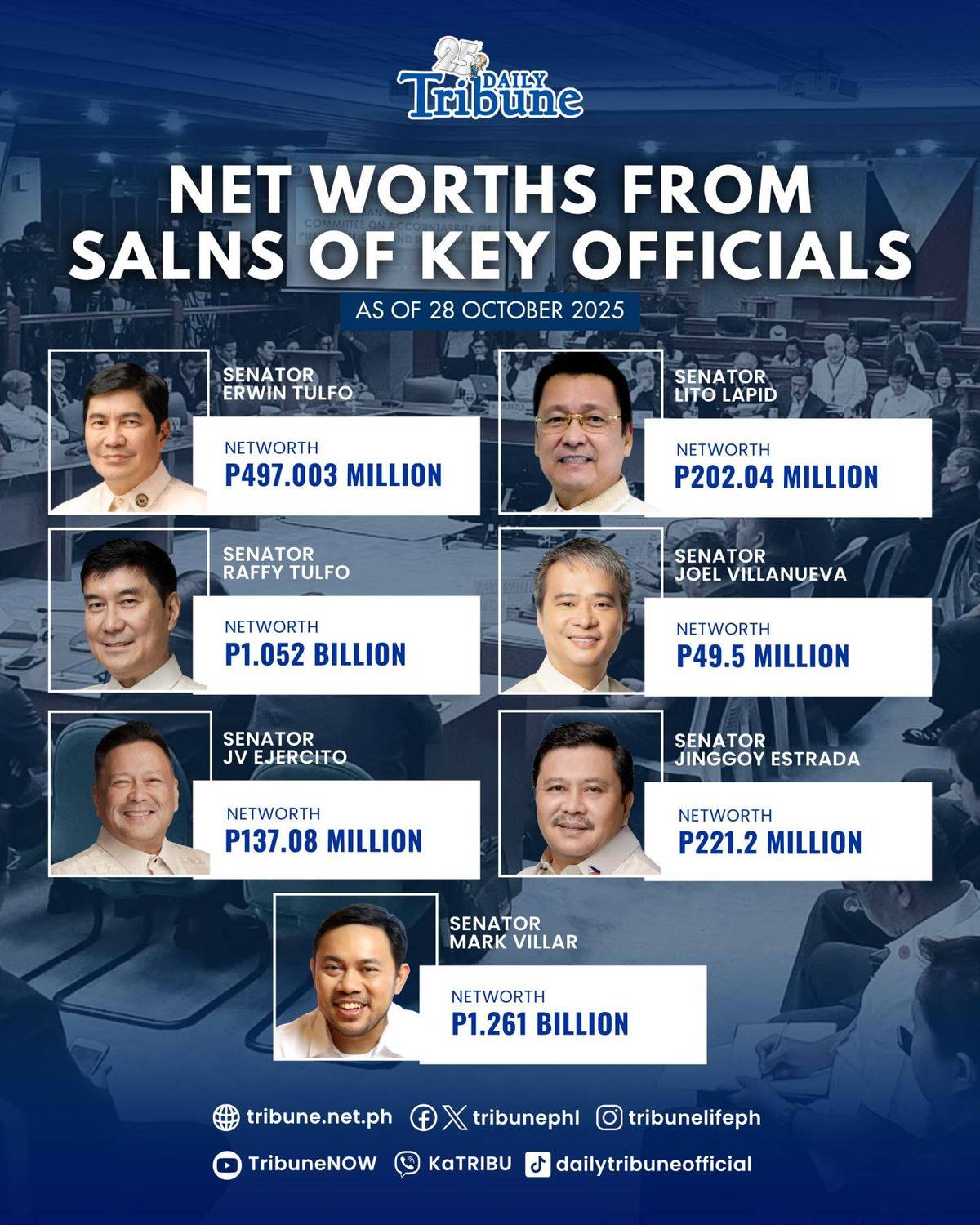
SALNs of Key Officials.
Daily Tribune
NOVEMBER 2025:
On 7 November, the Discayas also stopped coordinating with the DOJ over its separate probe into the anomalies.
On 10 November, the DOJ rescheduled the first hearing for the preliminary investigation on five flood control projects to Friday, 14 November, due to super typhoon Uwan.
On 11 November, the COA filed fraud audit reports with the ICI for four flood control projects in Bulacan worth a total of P344 million. The projects involved SYMS Construction Trading, M3 Konstract Corp., Elite General Contractor & Development Corp., and Wawao Builders.
On 12 November:
The DOJ confirmed that Former DPWH Secretary Manuel Bonoan is in the United States to attend to his wife’s medical needs. Bonoan left for the United States via Taiwan on Tuesday afternoon, 11 November. He had informed the DOJ of his travel and was expected to return to the Philippines by 17 December.
There were no pending cases or hold departure orders against him, and no legal barriers to his travel. His activity overseas was recorded in the Immigration Lookout Bulletin Order (ILBO) system, which allowed real-time monitoring and coordination between the Bureau of Immigration (BI) and the DOJ whenever a person under the watch list attempted to leave the country.
The ICI identified 80 flood control projects to prioritize in its investigation, focusing first on the top 15 contractors President Ferdinand “Bongbong” Marcos Jr. named in August. The agency concentrated its probe in Central Cebu, particularly in Cebu City and Mandaue.
Dizon said more than 40 personalities involved in the Bulacan and Mindoro flood control projects were almost certainly headed to jail by Christmas.
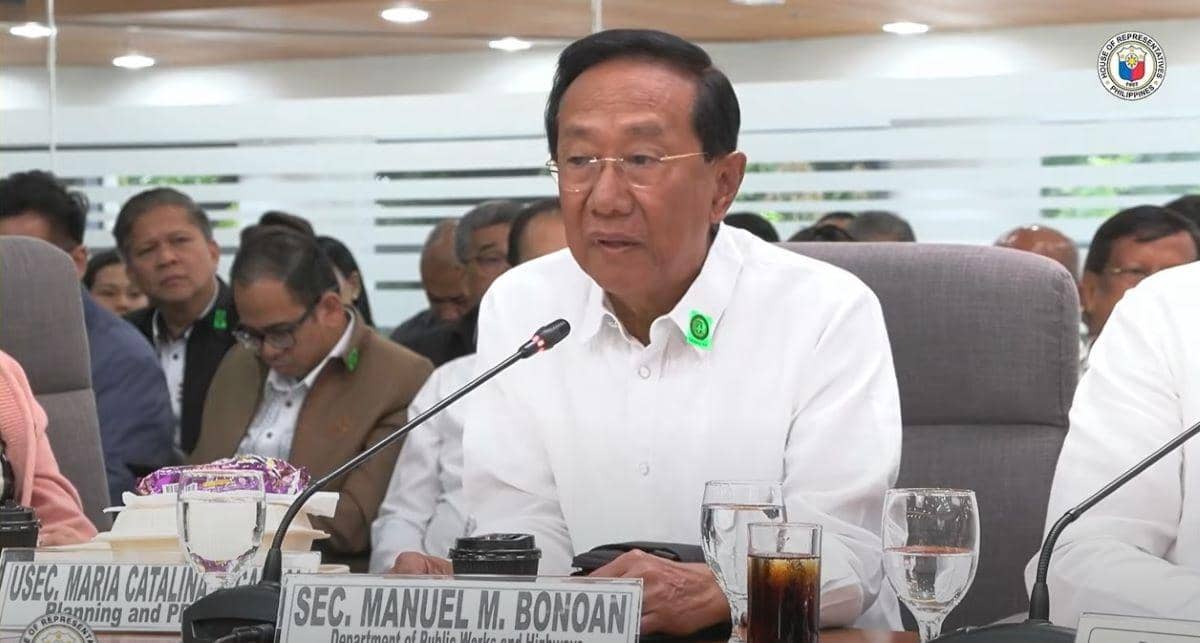
Ex-DPWH Chief Manuel Bonoan
House of Representatives
On 13 November:
Senator Imee Marcos said witnesses in the flood control scam were expected to recant their statements after linking several individuals to the scandal, claiming that “their families were threatened.”
Imee Marcos added that the original plan was to make former House appropriations chair Zaldy Co a star witness, but he backed out. Seventeen lawmakers implicated by the Discaya couple were set to be invited by the Senate Blue Ribbon Committee. Imee Marcos said that Co was planned to be invited to join the public hearing via Zoom as he was abroad.
Ping Lacson then said that the plan to invite Co via Zoom did not push through due to concerns that Co will use his attendance for "propaganda purposes." Additionally, Co’s testimony would not be valid unless he appeared within the premises of a Philippine Embassy or swore his testimony before a Filipino consul.
President Ferdinand “Bongbong” Marcos Jr. said the first batch of cases transmitted by the ICI to the Office of the Ombudsman involved 37 lawmakers, officials, and contractors. Those involved will be in jail by Christmas.
While Marcos did not explicitly name them during his press conference, Senators Joel Villanueva and Jinggoy Estrada, as well as former congressman Zaldy Co, were among the 37 individuals included in the ICI’s referrals.
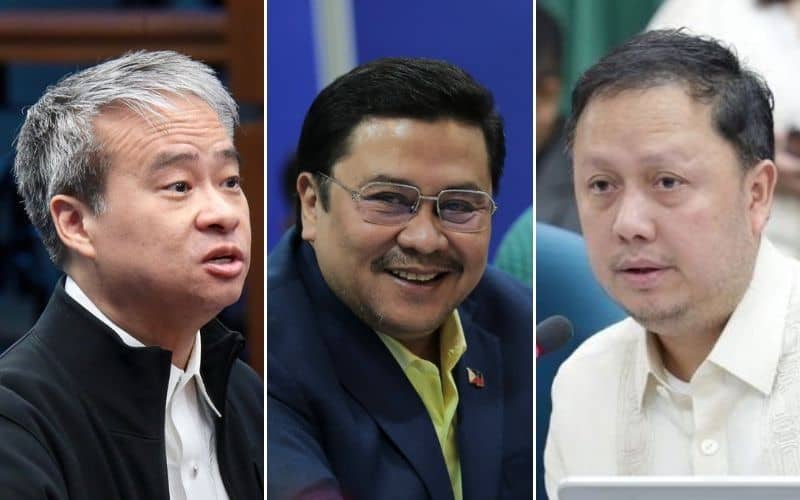
From left to right: Senator Joel Villanueva, Senator Jinggoy Estrada, and former Congressman Zaldy Co.
Banner for Daily Tribune
On 14 November:
Atty. Eldridge Marvin Aceron on Friday morning filed a complaint before the Office of the Ombudsman against former Sorsogon governor and now Senator Francis “Chiz” Escudero, accusing him of systematic corruption, misappropriation of public funds, procurement fraud, and gross neglect of duty.
The Senate still cannot determine the whereabouts of whistleblower Orly Guteza, who disappeared shortly after alleging that several high-ranking House officials took kickbacks from flood-control projects.
Pacifico and Cezarah Discaya returned to the Senate Blue Ribbon Committee after being allowed earlier in the day to retrieve the controversial ledger that allegedly contains names, dates, and amounts involving House lawmakers and DPWH officials linked to the flood-control scandal.
Former Department of Public Works and Highways (DPWH) Undersecretary Roberto Bernardo linked several lawmakers — including five senators — to irregularities in project allocations, fund “commitments,” and cash deliveries tied to flood-control and infrastructure projects from 2005 to 2025. Those named include Senators Francis Escudero and Jinggoy Estrada, and former senators Ramon Revilla Jr., Grace Poe, and Nancy Binay. All implicated senators deny Bernardo’s allegations.
Former congressman Zaldy Co released on social media what he claims is a list of infrastructure projects allegedly inserted into the 2025 national budget, amounting to P100 billion. One line item drawing immediate scrutiny is a P5.4-billion allocation under the Office of the President for “ASEAN Summit and Meetings in 2026.” The list, however, has not gone through any official verification channels.
Sara Duterte described the President’s camp as former allies who have become her father’s “jailers.” She said she is waiting for the current administration to put her behind bars next and accused the government of paranoia over supposed destabilization attempts.
Budget Secretary Amenah Pangandaman rejected Zaldy Co’s allegations, emphasizing that bicameral conference committee decisions fall under the legislature, not the President, and therefore leave the Chief Executive out of lawmakers’ budget deliberations.
Presidential Communications Office (PCO) Undersecretary Atty. Claire Castro cautioned the public against believing Co’s allegations involving President Ferdinand “Bongbong” Marcos Jr. She denied claims that the administration is “paranoid” and suggested that a “part two” of accusations may follow.
The PCO also challenged Zaldy Co to return to the Philippines and formally participate in the investigation by submitting evidence through proper channels. The office said his claims that his life is in danger lack proof and described his statements as another set of “fabricated” stories.
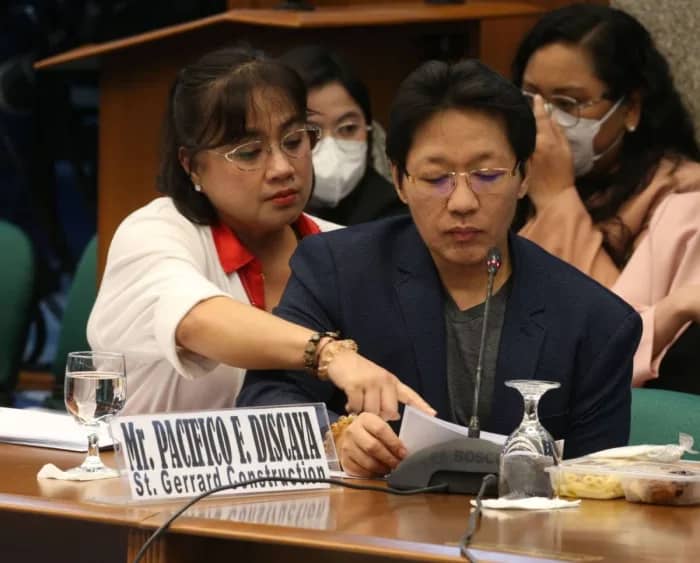
Sara and Curlee Discaua read the names of the politicians and other personalities who allegedly received bribes from a ledger they submitted to the Senate Blue Ribbon Committee as evidence in an inquiry that resumed on 14 November.
Rene H. Dilan
On 15 November:
Former AKO Bicol Representative Zaldy Co released part two of his video, claiming that luggage containing cash payouts came from budget insertions allegedly approved by President Bongbong Marcos and delivered to Malacañang and House Speaker Martin Romualdez’s Forbes Park residence.
Co also implicated Budget Secretary Amenah Pangandaman, alleging she stated that the insertions were “cleared with the president.”
House Speaker Romualdez dismissed Co’s claims, saying his conscience is clear and that the statements lack legal weight because they were not made under oath.
President Marcos described the allegations as hearsay. The Presidential Communications Office urged Co to return to the Philippines and submit himself to the proper investigative process.
Public Works Secretary Vince Dizon defended the president, stating that the Cabinet fully supports him amid the corruption allegations.
The Office of the Ombudsman criticized Co for bypassing formal channels and posting his claims on social media instead of submitting sworn testimony and supporting evidence. The agency encouraged him to file his statement properly and assured protection for witnesses if safety is a concern.
Senate President Pro Tempore Ping Lacson said Co’s video has no probative value because it was not made under oath, describing the claims as “unbearable.”
Leandro Leviste suggested that some reforms may be difficult under the current system. He even proposed that the Department of Public Works and Highways (DPWH) budget be reduced and that local government units take over project implementation.
Presidential Spokesperson Atty. Claire Castro said that President Marcos and Zaldy Co are not close, describing Co’s statements as an act of desperation. She added that the ongoing investigation is focused on addressing issues left unresolved by the previous administration.
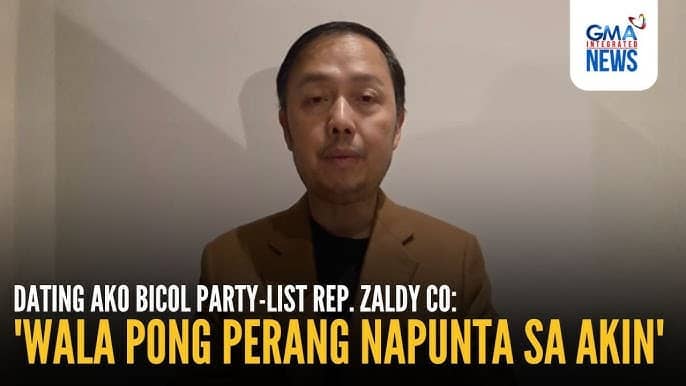
Zaly Co's part two video exposé.
GMA Integrated News
On 17 November:
Ombudsman Jesus Crispin Remulla said former Ako Bicol Rep. Zaldy Co, along with current and former officials including Bong Revilla, Jinggoy Estrada, Joel Villanueva, and Chiz Escudero, could face warrants by 15 or 16 December. Remulla added that the first wave of cases will cover 30 to 40 individuals allegedly linked to anomalies in government flood control projects.
Remulla described former Public Works and Highways Undersecretary Roberto Bernardo’s statements as credible, noting that minor errors in his affidavit could be attributed to memory lapses. Bernardo has submitted new information identifying several lawmakers potentially involved in the flood control scam.
The Independent Commission for Infrastructure (ICI) began inspecting flood control projects across Metro Cebu on Sunday following the severe devastation caused by Typhoon Tino. The agency aims to determine whether any negligence or project irregularities contributed to the recent flooding.
Senator Sherwin Gatchalian highlighted apparent inconsistencies in reported project insertions in the President’s 2025 budget. While some small projects seemed unusual, he emphasized that the Senate will closely monitor the process to guarantee transparency and accountability.
Atty. Roy Rondaín, Zaldy Co’s lawyer, said Co feels “relieved but afraid” after releasing his exposé videos. He pushed back against calls from Malacañang and the Ombudsman for Co to return immediately, saying he will comply with sworn statement requirements “at the right time” and noting that the Ombudsman can act even on anonymous complaints.
The National Bureau of Investigation (NBI) denied claims by former Rep. Mike Defensor that Co aide John Paul Estrada and his wife were beaten, illegally detained, or secretly sent to Chile. The NBI said there is no evidence to support these allegations.
Mont Property Group, developer of Monterrazas de Cebu, refuted accusations that its project worsened flooding in Cebu City after Typhoons Tino and Uwan.
Remulla said Duterte-aligned forces may have found an ally in the INC rally, which he claimed aims to destabilize the current administration.
President Marcos Jr. has accepted the resignations of Executive Secretary Lucas Bersamin and Budget Secretary Amenah Pangandaman. In a Cabinet reshuffle, Finance Secretary Ralph Recto was appointed Executive Secretary while Frederick Go assumed leadership of the Department of Finance.
The ICI is considering filing an indirect contempt case against Zaldy Co after he ignored two subpoenas. Authorities say the potential case is aimed at enforcing compliance with ongoing investigations.
The Department of Justice is reviewing Co’s corruption allegations against President Marcos Jr. and former House Speaker Romualdez. Prosecutor General Richard Fadullon said the claims are being verified and noted that they were not made under oath, which limits their immediate legal effect.
Former Public Works Undersecretary Roberto Bernardo has applied to become a state witness under the Witness Protection Program. His application and supplementary affidavit are under review by the ICI, prompting the cancellation of Monday’s hearing.
The House supermajority dismissed Co’s accusations as a “fabricated story,” calling him “not credible” and the most guilty in the flood control controversy. Political analyst Jean Franco warned that Co’s exposé appears politically motivated and remains hearsay until he returns to the Philippines with evidence.
Senator Imee Marcos alleged at the INC-backed rally that President Marcos Jr. and wife Liza Araneta have long struggled with drug use. She claimed Bongbong’s drug problem worsened over time, that both engaged in party drug sessions during their youth, and that he was once on the previous Duterte administration’s drug watchlist.
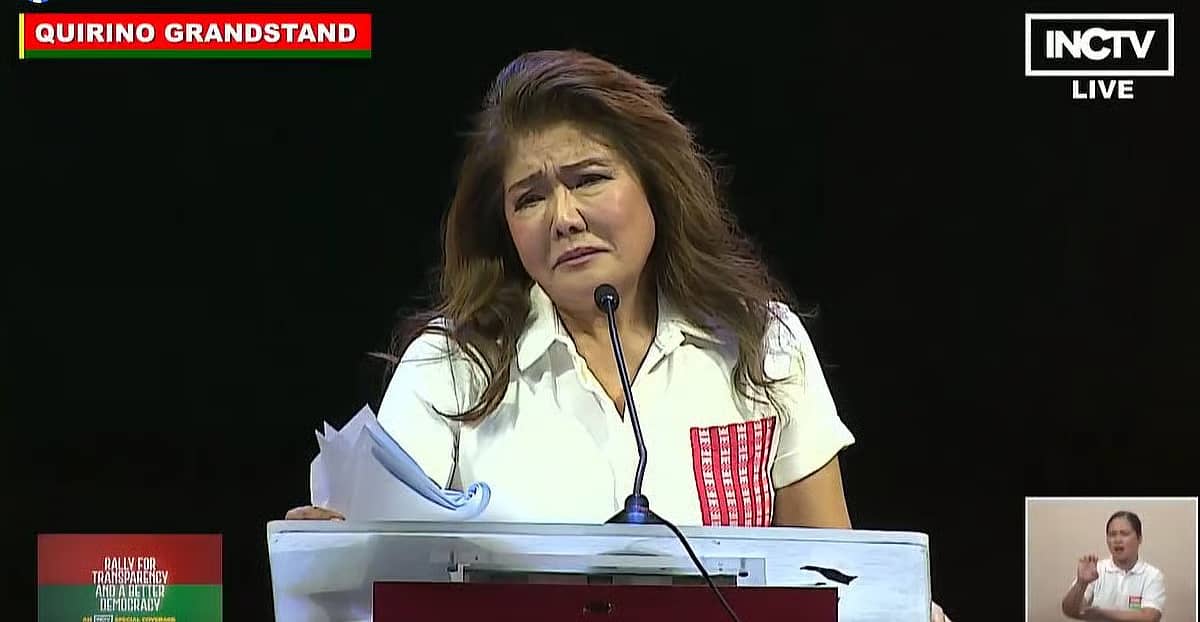
Senator Imee Marcos drops a bombshell about President Bongbong Marcos' drug use at INC rally on 17 November 2025.
Screen grab from INC News and Updates
On 18 November:
Ombudsman files cases vs. Zaldy Co, DPWH officials, and Sunwest Corp. over Oriental Mindoro flood project. Charges: malversation, graft, falsification of documents. No bail recommended for Co.
DepEd Undersecretary Trygve Olaivar resigns over alleged kickbacks in flood control projects. He personally submitted his resignation to Malacañang following accusations by former DPWH undersecretary Roberto Bernardo.
ICI and DPWH are validating over P50 billion in Cebu flood control projects from 2016–2025. The review will check which projects worked, failed, or worsened flooding. President Marcos Jr. will launch the “Kontra Baha” program in Cebu Friday.
On 19 November, Education Secretary Sonny Angara refused to resign, calling allegations linking him to flood control irregularities baseless. Malacañang agrees he need not step down, while former DepEd official Trygve Olaivar has resigned amid denials.
On 20 November, the Independent Commission for Infrastructure (ICI) delayed filing referrals against three senators due to a new affidavit from former DPWH Undersecretary Roberto Bernardo. The affidavit reportedly names more officials, including ex-DPWH Secretary Manuel Bonoan, as alleged kickback recipients.
On 21 November:
President Marcos ordered the DPWH and ICI to forward all evidence on alleged irregularities involving Martin Romualdez and Zaldy Co to the Ombudsman. The Ombudsman will determine whether plunder, graft, or bribery charges are warranted.
UP Diliman students protested at the Oblation demanding accountability for the flood control scandal. Their demonstration coincided with DPWH and ICI submitting a referral to the Ombudsman against former House Speaker Martin Romualdez.
The DOJ said the Ombudsman will receive any arrest warrants for Zaldy Co and 17 others in the flood control scandal. The DOJ is ready to assist but is not the lead in the prosecution.
On 22 November, Senate Pro Tempore Panfilo “Ping” Lacson urged the public to stay angry but non-violent over the flood control scandal. He noted up to 2,000 people could be implicated and stressed careful prosecution is needed for accountability.
On 23 November:
The NBI arrested DPWH engineer Dennis P. Abagon, officer-in-charge of the Quality Assurance and Hydrology Division, on a malversation charge. He is now in NBI custody while authorities continue pursuing other suspects.
Despite Abagon’s arrest, several flood-control suspects remain at large. Quezon City police and NBI teams continue manhunts, including for Sunwest Construction affiliates linked to questionable contracts.
On 24 November:
The Bureau of Immigration said flood-control suspects abroad, including former Rep. Zaldy Co, can be considered fugitives. Interpol may be called to track them, with surrender deadlines and asset monitoring in place.
President Marcos confirmed seven of 16 accused in the flood control graft case are now in custody, with one arrested by the NBI and six surrendering to the PNP-CIDG. Two more plan to surrender, while seven, including Co, remain at large.
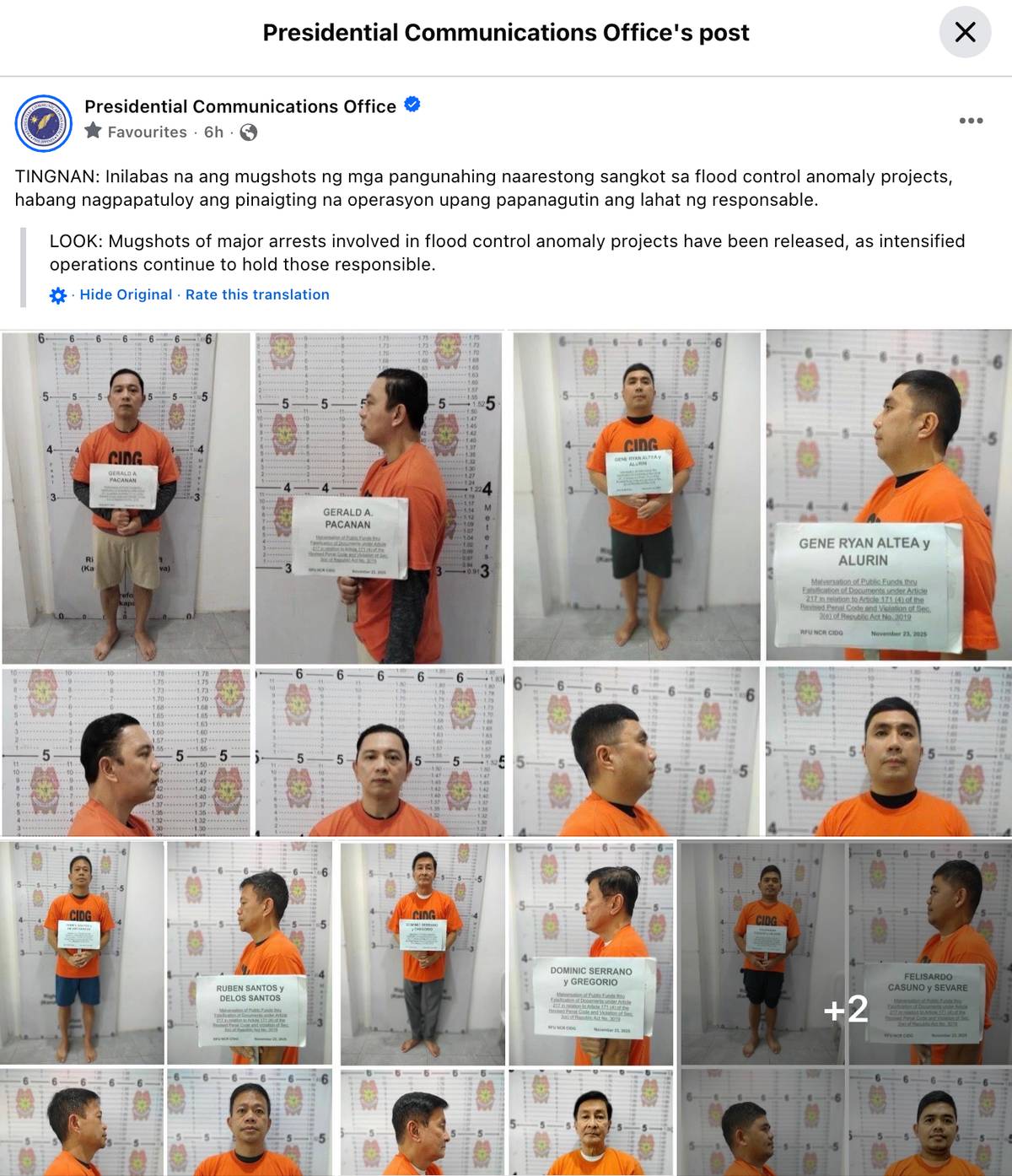
The Presidential Communications Office released the mugshots of the first batch of arrests allegedly involved in the flood control corruption scandal.
Presidential Communications Office
On 25 November:
Quezon City Rep. Juan Carlos Atayde and Caloocan Rep. Dean Asistio appeared before the Independent Commission on Infrastructure to address flood control project allegations in their districts.
Atayde said he is gathering evidence to respond properly to the claims, while Asistio voluntarily submitted himself to clear his name and requested an executive session to name other involved parties without public scrutiny.
Former Ako Bicol Rep. Zaldy Co remains at large, with Interpol’s Blue Notice issued to track him. Three others abroad have contacted authorities and are expected to surrender at Philippine embassies by 27 November, as Remulla warns all fugitives will be pursued.
Secretary Remulla said more high-profile suspects, including Discayas, senators, and congressmen, could be arrested and jailed within the next five weeks. Remulla reasserts that no special treatment will be given.
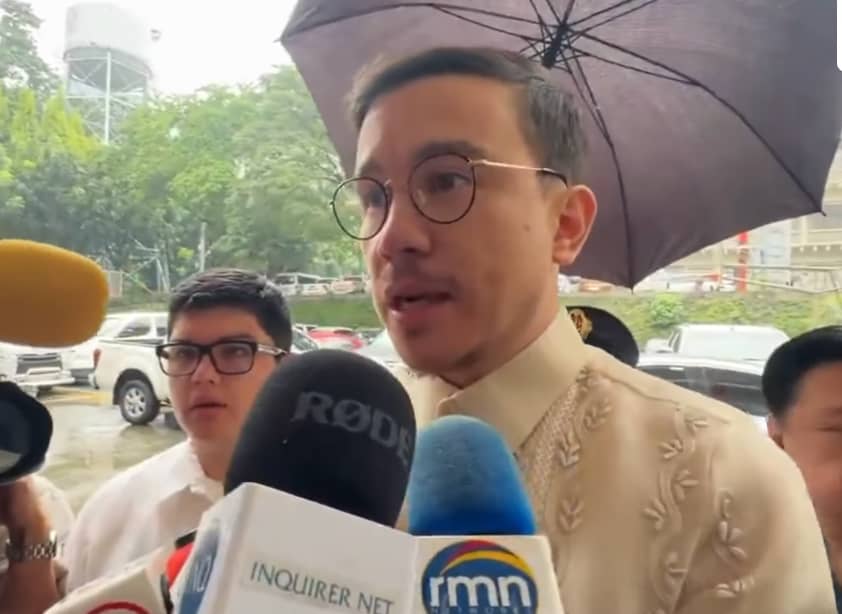
Quezon City First District Cong. Arjo Atayde faces the ICI.
Screengrab from GMA News.
Yet the public's questions keep returning, insistent, moral, and angry: Where are the indictments that stick? Where are the arrests that show the law has teeth, and more importantly, that the administration does indeed care about accountability and justice? Because an investigation without prosecution can feel like a play for cameras. Live hearings become less a display of authority and more of a circus. A frozen account is a pause. A suspended license is just a hurdle for these corrupt crocodiles. But none of these is automatic restitution nor a swift jail sentence for those who allegedly looted emergency-recovery budgets. Hopes of full restitution have also been dashed by Ombudsman Remulla, citing that such a thing has never occurred in the Philippines' long history. So when hope is dwindling and any action has yet to be seen, how do you appease the masses?
There is a Latin phrase, "panem et circenses," meaning "bread and circuses," coined by the Roman poet Juvenal to describe a strategy of providing free food and entertainment to distract the public from important issues. Well, the current investigation is not free entertainment. It is a spectacle that is paid for by trillions in taxes from the Filipino people. And with the wake of typhoons Tino and Uwan, food is scarce. People are hungry. People are dying. People are drowning.
Vince Dizon, for his part, has made bold promises and declarations that fill headlines. He has said suspects could be arrested "before Christmas," has asked AMLC and ICI to freeze high-value assets like planes and cars, and has created technical panels to revalidate projects. But Dizon's timetable is not yet the same as judicial outcomes. And not just that, but overpromising and underdelivering can further dash whatever trust there is left for the Philippine government.
The testimony: Who said what and why it matters
A series of hearings produced two kinds of testimony: accusations from contractors that lawmakers demanded “cuts,” and denials from lawmakers who accuse contractors of scapegoating. The Discaya couple at one point confessed to paying kickbacks “to play along,” then later were deemed hostile witnesses by some investigators — a reversal that has complicated prosecutorial strategy.
Senator Bong Go, who was linked to the probe on contractor company CLTG Builders, even said that such investigations were "a distraction" from more pressing concerns. When we take into account the severity of this flood-control issue, calling the investigation of this size a distraction raises questions on the existence of "bigger" scandals ahead. We already lost trillions here. How much more can Filipinos take?
Some of the key load-bearing items revealed in hearings and agency reports include:
421 suspicious infrastructure entries were flagged in the DPWH multiagency validation, suggesting duplication, false completions, and nonexistent or "ghost" projects. The ICI moved to file criminal complaints based on these findings.
At least one contractor claimed that a standard among some lawmakers and local officials was a 25 percent cut on projects—an allegation that lawmakers have contested and even vehemently denied. If proven, the allegation describes systemic organized graft. Not just isolated theft.
The Senate cited both Curlee Discaya and an ex-engineer in contempt for lying, a development that weakens a cooperation strategy that prosecutors might have used to turn contractors into state witnesses.
These are not small procedural fights. They are the legal mechanics that determine whether prosecutors can actually build airtight cases. When witnesses switch sides, when evidence is messy, and when powerful political patrons push back, the prosecutions slow. Meanwhile, the public grows more cynical. Are these figures following a script, deliberately leading the masses on a wild chase that will eventually end in the issue being buried by the next, more pressing concern. We don't just watch the news. We also watch the calendar.
Technology as the government’s counterplay
DPWH officials publicly described efforts to accelerate validation and contracting processes using technology and partnerships with the private sector. Dizon was even invited to the 51st Philippine Business Conference & Expo last 20 October, where he briefed that the agency is working with the Chamber of Commerce and Industry, insurance firms, and data partners to map projects, speed forensic accounting, and to prevent contract capture in the future.
The pitch: faster digital checks, a publicly-accessible transparency dashboard, and a technical validation so "ghost" projects can be exposed sooner. Both the President and Vice President Sara Duterte have also expressed hopes of using Artificial Intelligence (AI) to aid the investigation and push reforms across 15 agencies allegedly involved in corruption, including but not limited to the Land Transportation Office, Bureau of Customs, and Civil Aviation Authority.
All of these may be necessary, but they are not sufficient. Technology can flag anomalies faster, but it cannot alone prosecute, nor can it control any manipulations by those who are determined to steal. It can make procurement more auditable, but it cannot construct political will. Still, partnerships with private-sector data analysts and real-time project trackers can be useful tools — provided they are implemented with independence, public access, and legal safeguards.
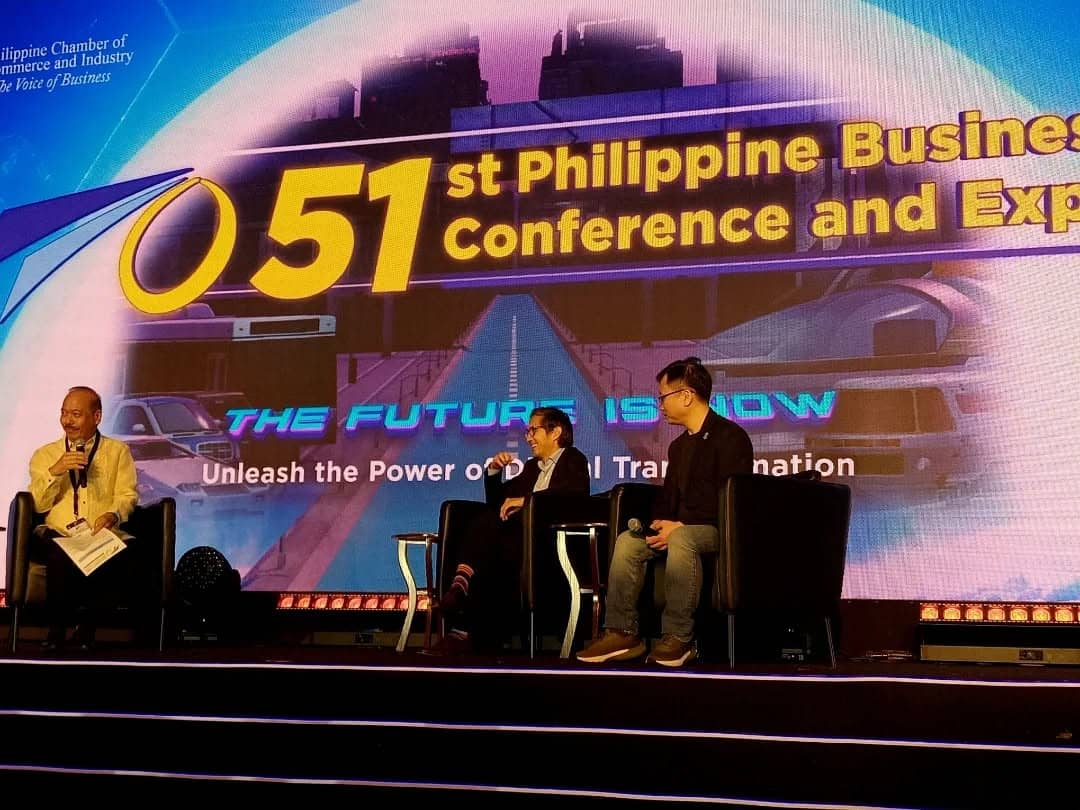
Vince Dizon (middle) reveals government's partnership with the private sector in using technology to gather evidence and promote transparency in the government at the 51st Philippine Business Conference & Expo.
Amelia Clarissa de Luna Monasterial
The demands of the people
As Filipinos currently deal with super typhoon Uwan's aftermath, unrest keeps growing and demands are getting stronger by the minute, all cohering around a simple set of deliverables:
Names and indictments of those who allegedly looted funds. There are reports of a list of names that are not yet revealed to the public, on top of the already public ones. The public wants more than these. They want charges that proceed to conviction, no matter the status of the involved. No cushy house or hospital arrests, or acquittal due to "insufficient evidence" or "humanitarian considerations" like those witnessed by Filipinos in the past with Gloria Macapagal-Arroyo's NBN-ZTE and PCSO controversies, and Juan Ponce Enrile and Janet Lim-Napoles' PDAF scam.
Restitution and asset recovery. The stolen funds must be recovered and used to finish the works, compensate victims, and repair ecosystems. Aside from the money diverted, the public also calls for the seizure of officials' assets that raise questions on lifestyles that do not fit into reported SALNs.
Completed quality projects. The Philippines needs not just concrete walls and dikes, but integrated flood-management that includes watershed restoration, waste-management and cleaning operations, green infrastructure, environmental rehabilitation, and proper maintenance budgets. Legislators, engineers, and local leaders have increasingly pointed out that many past "solutions" were piecemeal and technically inadequate.
These are not impossible asks. What they are is expensive, but that is the whole point. When approximately P1.9 trillion has been stolen from the Filipinos over the past 15 years, the moral calculus of development collapses. We deserve schools, clinics, and walls that do not fail when the next storm hits.
Counting the days: 136 and growing
From 29 July (the working day after the SONA) to 11 December, the clock shows 136 days. In that time, there have been revelations, asset freezes, regulatory penalties, and the formation of a new commission with subpoena powers. There have been rallies, social media callouts, and the dragging spectacle of public hearings. There have been promises from cabinet officials that arrests and prosecutions are coming soon.
Legal experts and watchdogs have explained the practical reasons for lagging prosecutions: the need for careful paper trails; the possibility of contested testimony; the habit of “political protection” that complicates evidence collection; and the international challenge of tracing assets laundered through insurance, shell companies, and foreign jurisdictions. Yet those technical barriers are political problems in disguise. When evidence exists and a public leader declares a priority, the velocity of the system often reflects political will. That is the tension at the center of this scandal: speed versus thoroughness, spectacle versus substance.
Yes, prosecutions that end in conviction take time. But time is a currency that poor people cannot buy. 136 days is a long time to the teacher who paddles a boat daily to school, to the vendor whose sari-sari store was flooded yet again, and to the family forced to climb their roofs and watch as floods drag their items away. In those 136 days, 16 storms have raged over the Philippines, from Emong to Uwan. Another storm is coming soon, Tropical Depression Verbena. Filipinos have died, lost, rebuilt themselves, only for the cycle to repeat. For us, months mean lost wages, spoiled possessions, and the ongoing risk of diseases and displacement. The moral urgency of the public's demands is not rhetorical.
It is literally life and death.
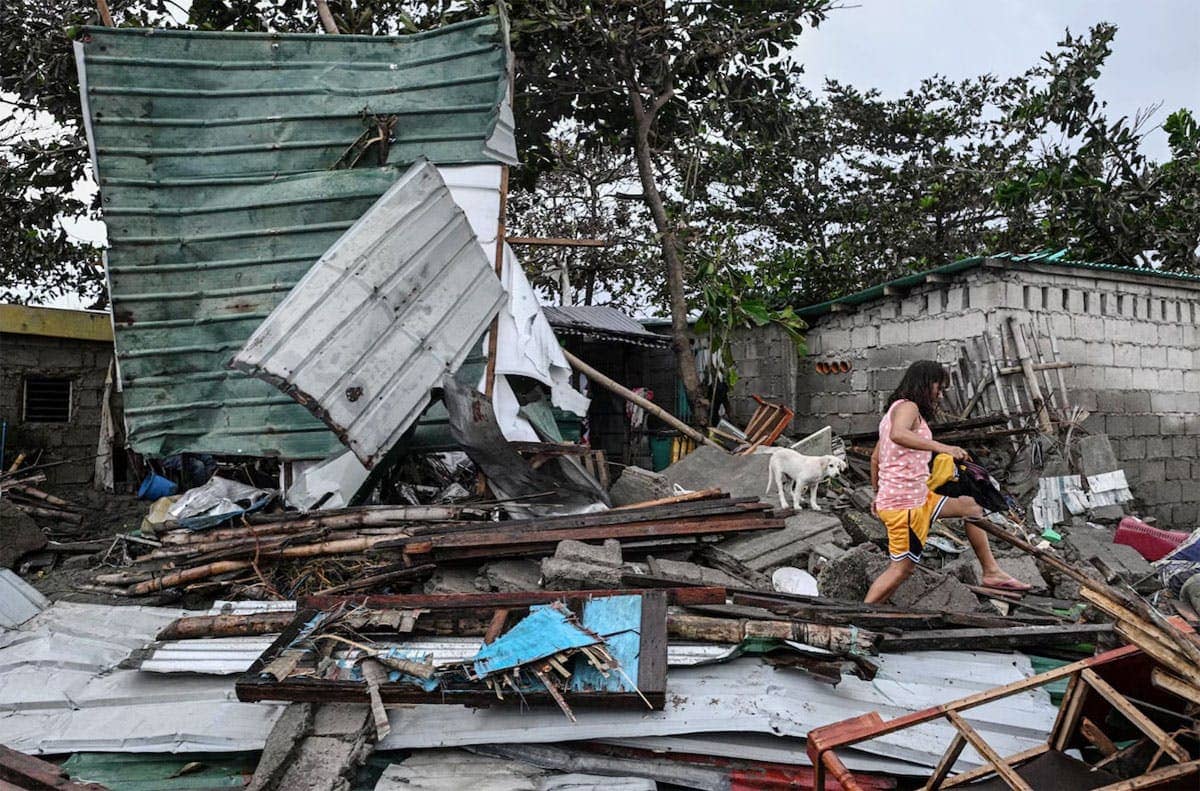
A woman walks on the damaged houses left by Super Typhoon Uwan.
Reuters
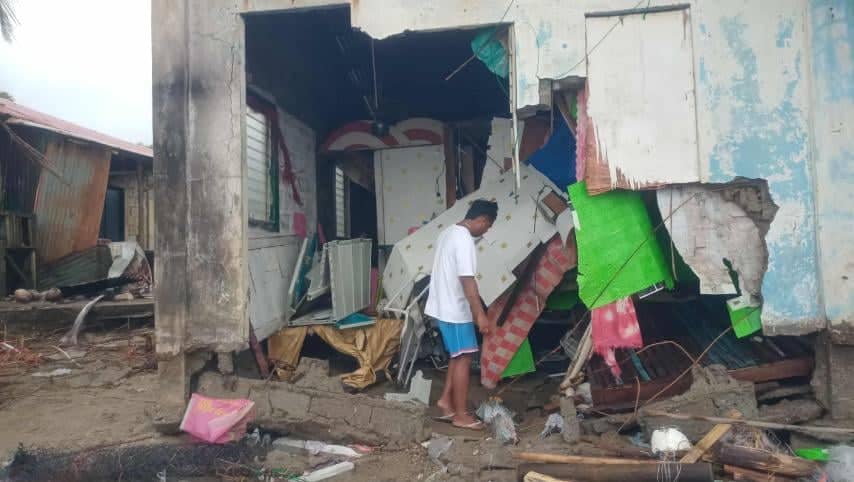
A man inspects the damage after Uwan in Romblon.
Philippine Information Agency
The uncomfortable truth: Rage helps, but it is not enough
The #nepobabies callouts, the viral images, and the public rage have done an important thing. They created political oxygen for an investigation that might otherwise have been perfunctory. They forced agencies to act, accountants to follow the money, and a president to put his weight behind transparency. But this rage is not a legal strategy. Civic pressure can open doors. Institutions must close them.
The people are not being dramatic when they demand immediate action. We can argue about legal timelines and due process, but we must not excuse delay for the sake of decorum. 136 days since the formal investigation began, and there is a deadline to be met. A deadline that isn't a calendar date or a bold-faced declaration of sometime "soon." No, the deadline is the people's rising anger.
If the money is recovered and the projects completed, this scandal will be remembered as a moment where the system corrected itself. If not, it will be another entry in a ledger of unfulfilled promises and drowned lives. So to those in power, the call to action boils down to this:
Do your job, or step aside. Protect us and hold the corrupt accountable. Or else, if we drown, you drown with us.
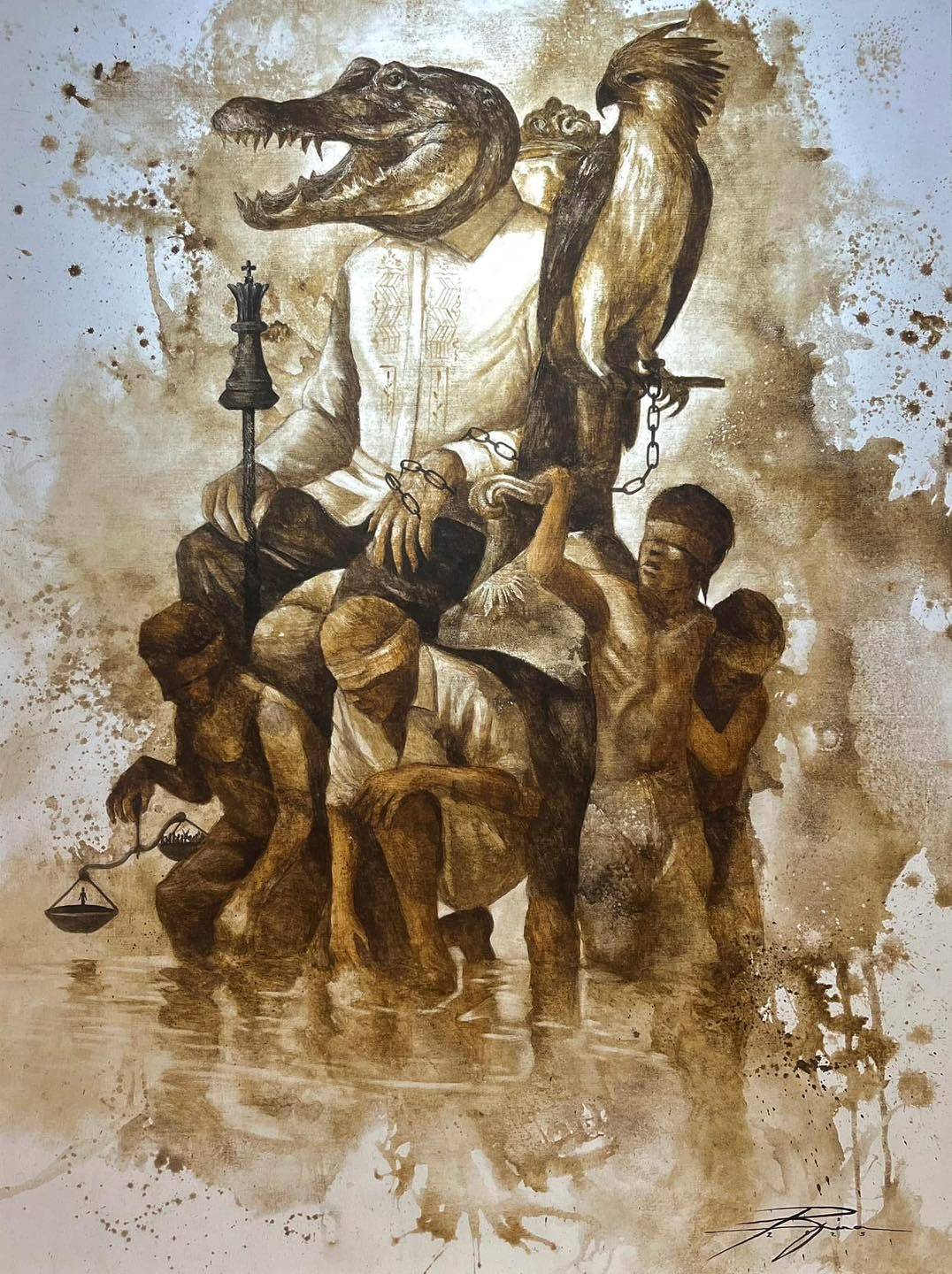
"PASANIN NG BAYAN," mud painting by Ryard Josh Adorabl.
For more updates, follow Daily Tribune on Facebook: https://www.facebook.com/tribunephl.