




SC highlights digital initiatives in convention
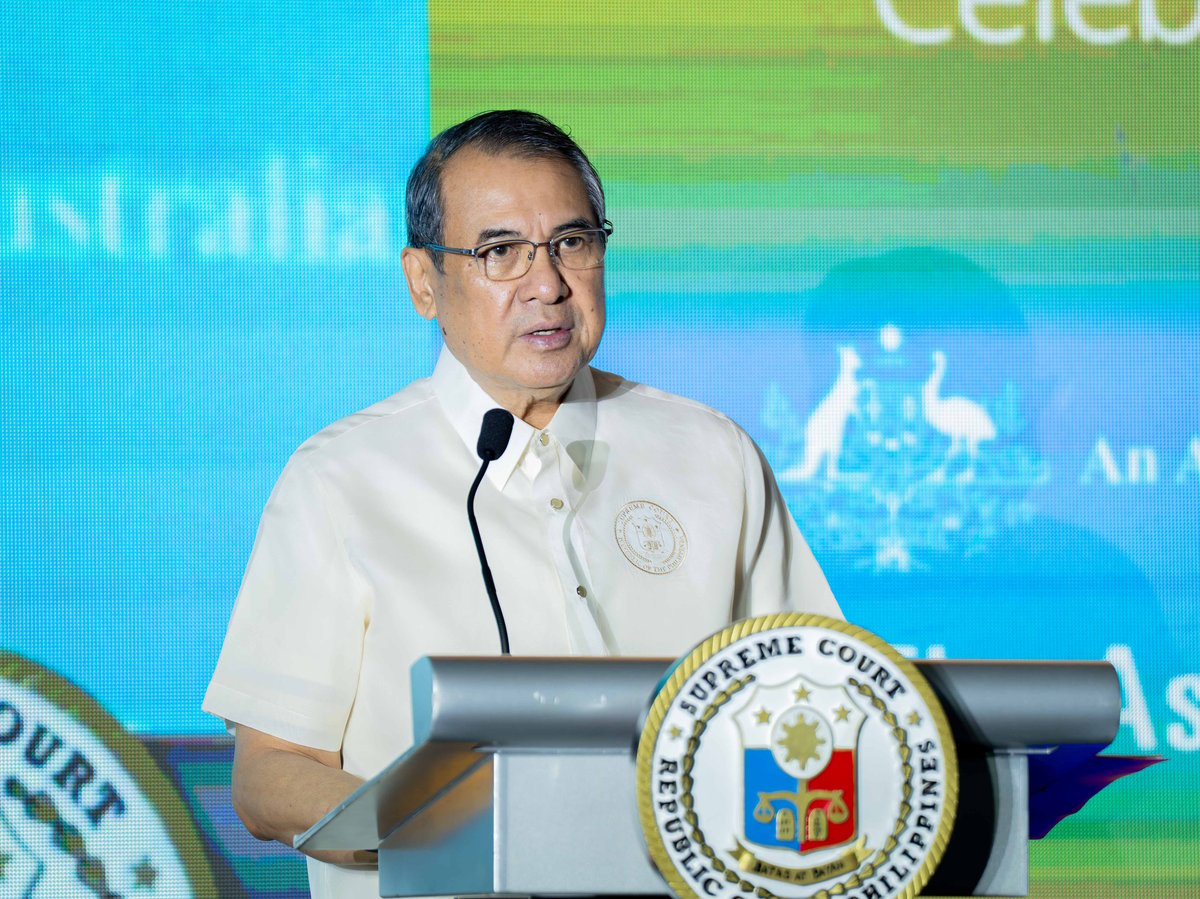
Supreme Court Senior Associate Justice Marvic M.V.F. Leonen emphasized the role of artificial intelligence (AI) and technology in promoting social justice and upholding human dignity.
During the Convention for the Creation of a Digital Framework for the Social Progress of the Philippines held at the Facultad de Derecho de la Universidad de Granada, Spain, from 15 to 17 October 2025, Leonen underscored that digital transformation must be grounded in strong policies on cybersecurity and transparency, beginning with managing human change.
He noted that while digitalization offers vast opportunities, it also brings complex challenges that require thoughtful and ethical governance, principles at the heart of the CALESA Digital project.
Leonen cautioned that unchecked AI could impair critical thinking and limit the development of essential skills. “AI and digital must be deployed so as not to degrade human dignity and human rights. Digital technology with AI is a powerful tool, but without human consciousness,” he said.
He stressed that when developed responsibly, digital technology can drive efficiency and improve access to justice. The convention also saw the participation of Associate Justice Amy C. Lazaro-Javier.
Launched in the Philippines on 12 December 2024 by the Supreme Court in partnership with the Department of Justice, the University of the Philippines Law Center, and several Spanish institutions, CALESA Digital seeks to establish a digital legal framework for the country. The convention provided a platform for experts in law and technology to exchange insights and explore strategies for advancing digital transformation within the justice sector.
Leonen highlighted ongoing efforts to develop an AI Governance Framework to guide the responsible adoption of AI in court operations while preserving judicial integrity. “Technology cannot replace wisdom, integrity, or courage, but it can amplify all three,” he said.
Housing is probably the biggest issue affecting people the world over.
Malacañang on Monday called for a more thorough investigation into the questioned flood control projects in Taguig…
The defense on Monday backed the move by senator-judges to exclude a prosecution witness who testified on the firearms…
