
The other side of us
Maybe that’s what happened to us. Maybe the Taiwanese are just Filipinos who found a coastline that made more sense.

Travel is an act of projection. You go somewhere new and find something you wish you could be. Taiwan, for many Filipinos, is it. Imperfect, but possible.
Photographs courtesy of TECO IN MANILA
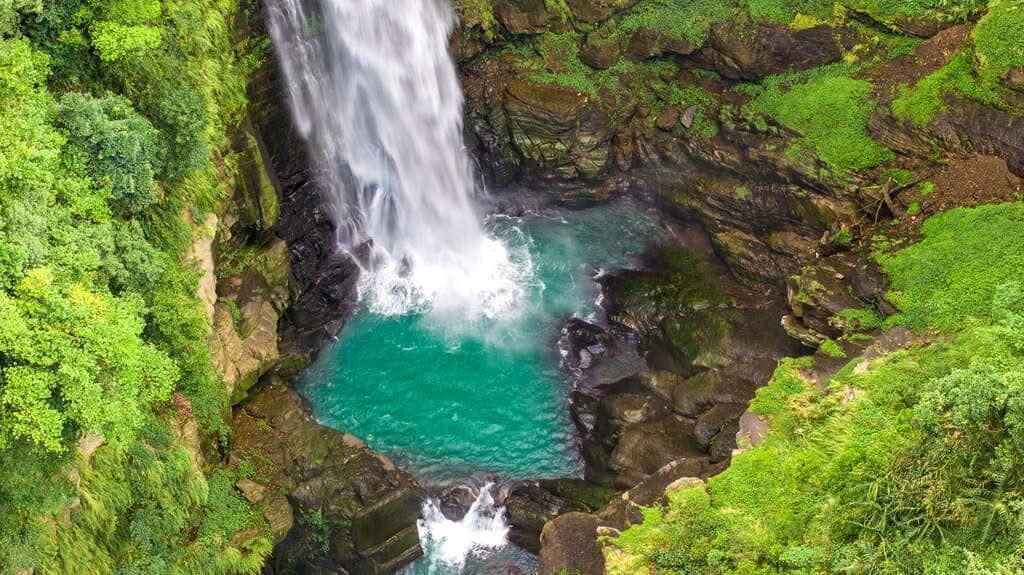
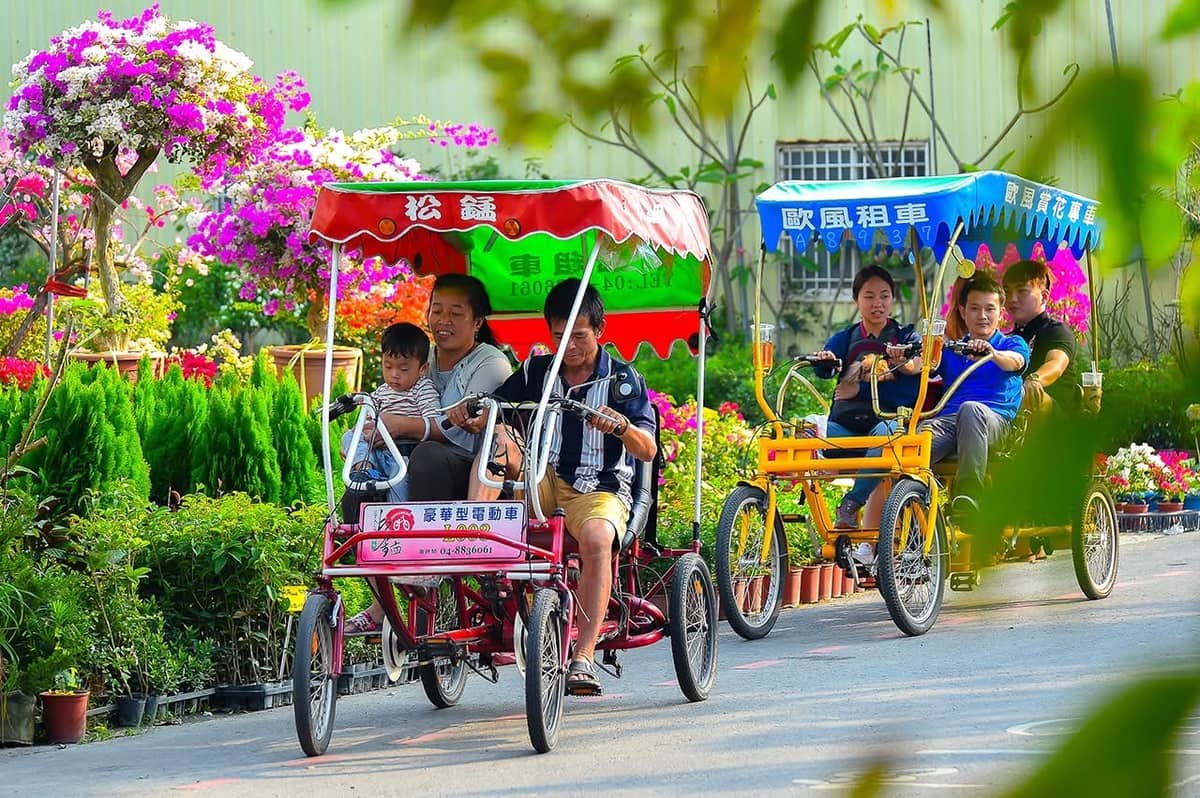
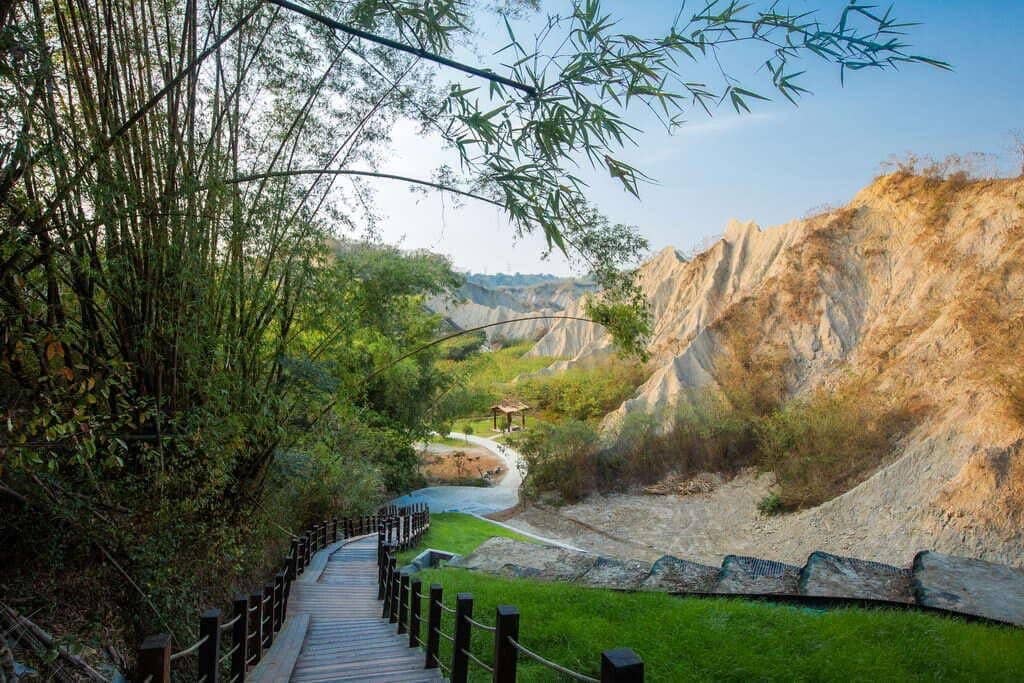
Nobody’s meant to fall for Taiwan. That was supposed to be a quick fling. Visa-free, low-cost. You are impulsive. You go for the bubble tea. And the mountains. The night markets.
You say it’s curiosity when it’s an escape that found an excuse in adventure. You wander through clean streets, order coffee in halting English, marvel that trains arrive on time. The illusion that life could move in straight lines. You start saying things. “People actually follow rules.” “Maybe I’ll buy a scooter when I come back to Manila.”
Then you do. You come back. You spend two hours going four kilometers, staring at the back of a bus that says “How’s my driving?” and thinking, “Maniac.” You roll down the window, light a cigarette just to give your hands a purpose: the small, useless ritual you perform when you finally accept that nothing can be done about any of it.
In Taiwan somewhere, admiration turned into affection. Now the numbers start to look like feelings.
In the first half of 2025 alone, more than 320,000 Filipinos have crossed that slim strip of air separating Manila from Taipei, never one of the long, romantic mass movement of old migration tales, as a mere two-and-a-half hours, not to mention a discount fare.
It’s a strange thing falling for a country. Especially one that looks a little like yours. But tidier. More patient. Less loud about its sadness.
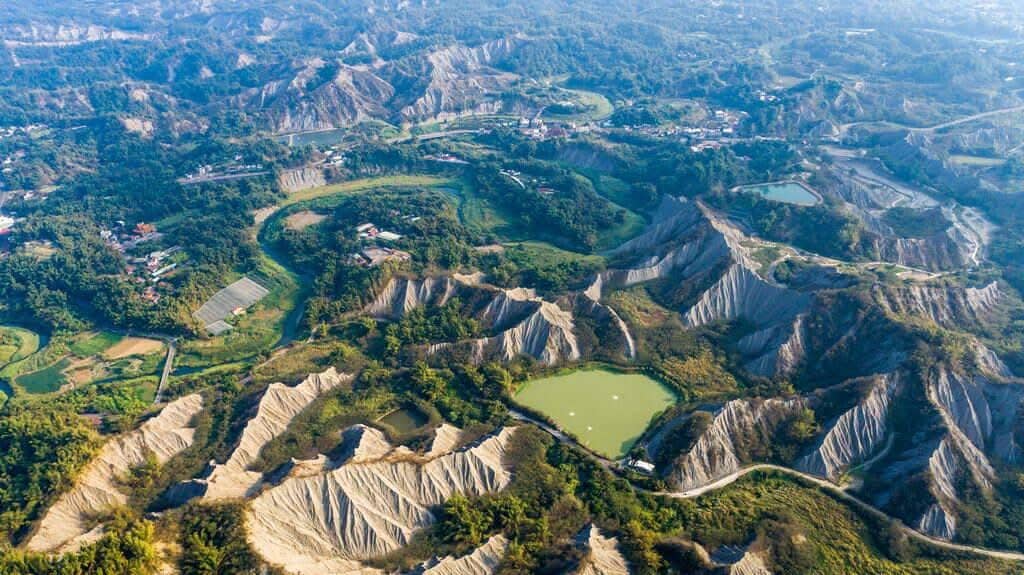
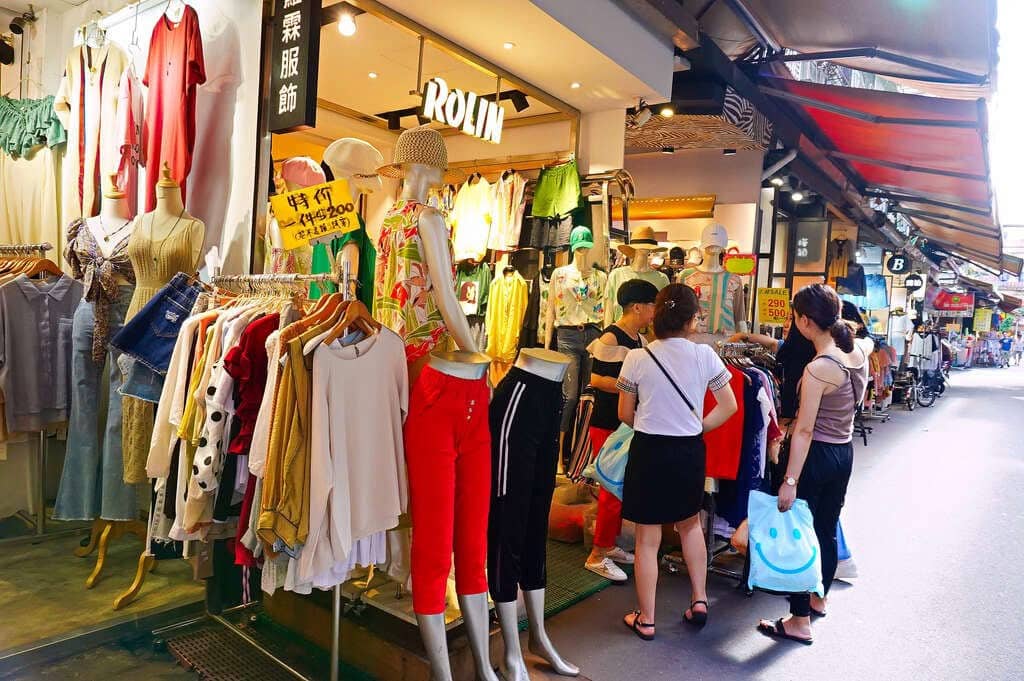
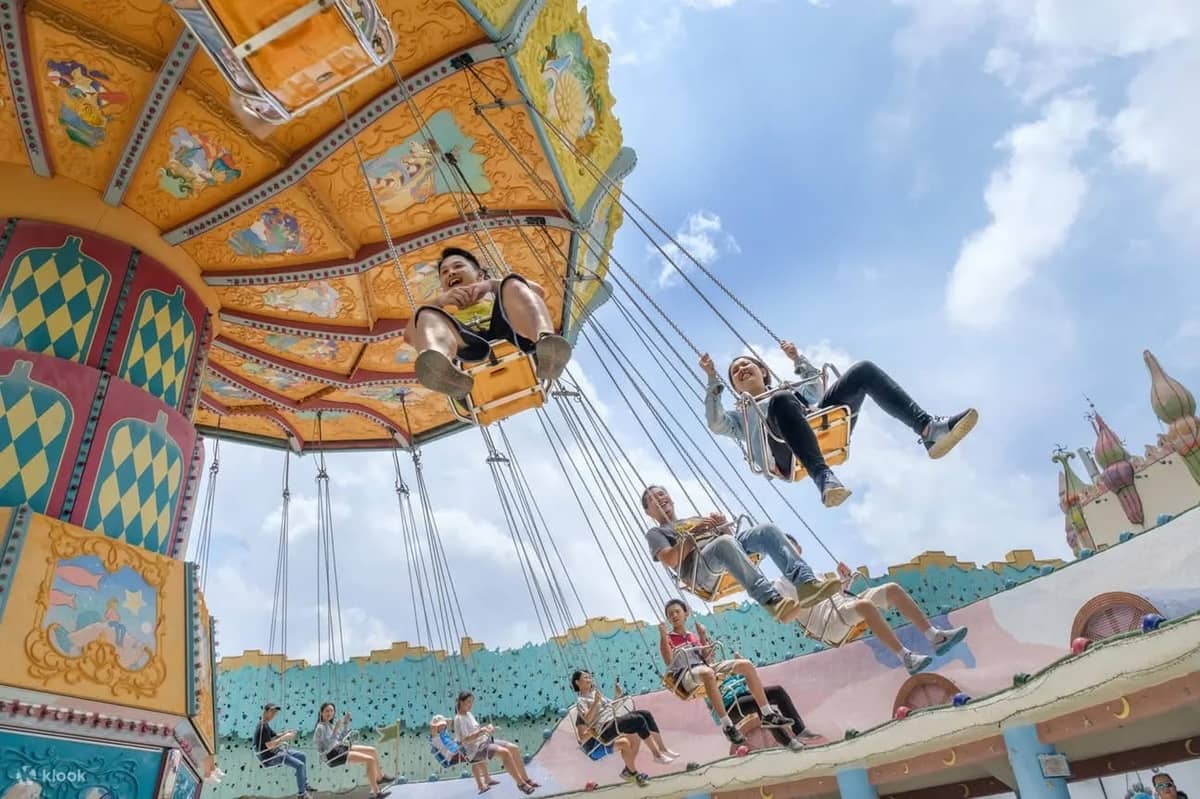
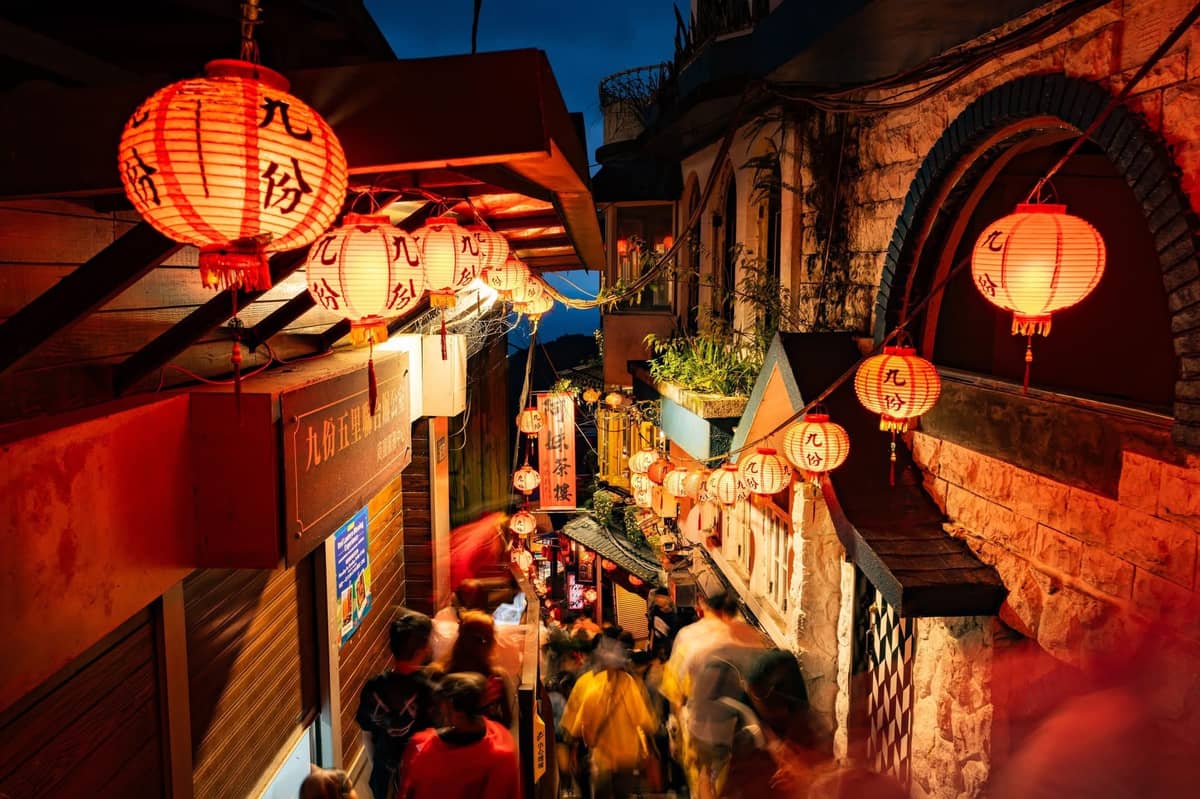
Filipinos land there and see the version of themselves that never got colonized twice and gaslighted by hope it can govern itself.
For decades, the relationship between the two nations was measured in labor. Filipinos came building, cleaning, caring, fueling Taiwan’s rise. You see them at bus stops before dawn, eating bread out of plastic, eyes already halfway through another day.
In return, Taiwan offered fair wages, health insurance. That was the arrangement.
Then under its New Southbound Policy, Taiwan began looking south, past trade routes and treaties, and toward people.
The Philippines responded instinctively, biologically. In friendship. In recognition: the kind that doesn’t need translation.
Ask the Taiwanese. Chances are they’ll say the Filipinos are the warm ones. Ones who smile too easily, laugh at the wrong moments, cry when someone else’s child takes the first step.
Ask the Filipinos. They’ll tell you. “Same humidity in Taiwan.” “Like Batanes” “A different country but the same country.”
At a cultural fair in Tamsui, a woman from Nueva Ecija sang “Pamulinawen” to a crowd that swayed hesitantly. A Taiwanese gram hummed along without knowing the words but the melody seemed to catch him.
That’s when it occurs to you these little exchanges are little static charges of familiarity like whispers from an older map: the islands speaking in ancestral code. In the dialect of the Pacific.
Both nations know disaster intimately. Typhoons, earthquakes, the arbitrary cruelty of weather. Both learned resilience the hard way: burying loss under humor, rebuilding with borrowed courage. Maybe that’s why they understand each other without saying much.
A diplomat said, off the record, of course, that the Philippines is what Taiwan once was.
The Filipino workers who build Taiwan’s infrastructure also build the emotional bridge that makes its foreign policy human. The Taiwanese tourists who fly to Manila or Mactan for its tropics return home with an affection for a people whose happiness feels both reckless and wise.
Travel, often, is an act of projection. You go somewhere new and find the person or the nation you wish you could be. Taiwan, for many Filipinos, is it. Imperfect, but possible.
The more globalized Asia becomes, the more its islands look inward to find themselves.
We have been facing each other for millennia across that narrow channel pretending not to stare.
There’s such a thing as a map of Austronesian migrations, sweeping arrows that spill out of Taiwan and fanning southward. One arrow bent toward the Philippines, another kept going until the map ran out of ocean.
Maybe that’s what happened to us. Maybe the Taiwanese are just Filipinos who found a coastline that made more sense, and some place where things stayed put and followed instructions.
What Taiwan and the Philippines have found in each other is kinship that doesn’t need treaties; ask anyone who’s lived between these islands perchance they’ll tell you.
The flight back to Manila is full: OFWs on break, students, a few government types pretending to sleep.
From up here, the two islands look close enough to swim. Maybe that's the point: how small the distance, how vast the years pretending there was one.