




Injectable drug hopes to end HIV epidemic
Introducing lenacapavir in the country is the latest effort of UNAIDS Philippines in controlling the spread of HIV and AIDS among Filipinos.
Text size
Introducing lenacapavir in the country is the latest effort of UNAIDS Philippines in controlling the spread of HIV and AIDS among Filipinos.
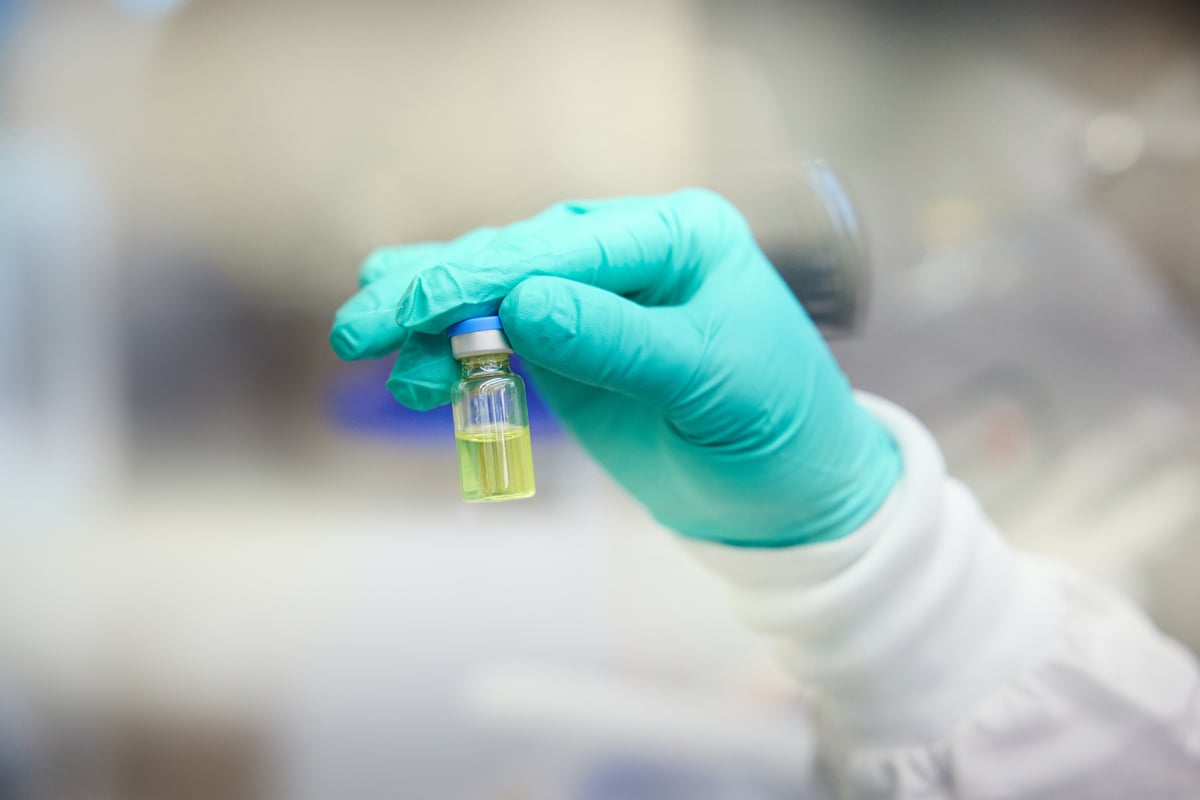
The head of the United Nations AIDS (acquired immune deficiency syndrome) Philippines said an injectable drug for human immuno-deficiency virus may end the HIV epidemic in the country.
Dr. Louie R. Ocampo, country director of UNAIDS Philippines, describes lenacapavir as very effective and a game-changer in controlling the disease during a press conference on the 80th anniversary of the UN held at the UN office in Mandaluyong City on 10 October.
“Hopefully, the country will start procuring this kind of medicine,” he told reporters.
Ocampo said the agency is working to get the drug pilot tested in the country and get a fair price from foreign suppliers.
“It’s quite expensive, but we’re negotiating for a lower price from the manufacturer,” he said.
One dose of the drug costs P40,000 and it needs to be administered twice a year, according to Ocampo.
Introducing lenacapavir in the country is the latest effort of UNAIDS Philippines in controlling the spread of HIV and AIDS among Filipinos.
Ocampo said the agency had made significant contributions to the country such as the development and enactment of the Republic Act (RA) 11166, from its drafting and advocacy work. “And now we’re still supporting the country in terms of its full implementation, particularly in introducing medical advancement,” he said.
RA 11166, the new, comprehensive law on HIV and AIDS, provides free anti-retroviral treatment, allows minors aged 15 and up to test for HIV without parental consent, and imposes harsher penalties for discrimination and breaches of confidentiality.
The predecessor law, RA 8504 passed in 1998, was only focused on the public health aspect of preventing HIV/AIDS spread and does not address stigma and insufficient enforcement.
Ocampo also said that UNAIDS Philippines continues to work for access to The Global Fund.
“We continually support the country in ensuring that we continue to be eligible for the Global Fund grant. Again, in the background of the shifting financing landscape in the Philippines, we need this support more than ever,” he said.
The United States also provide an annual funding of P40 million through the President’s Emergency Plan for AIDS Relief (Pepfar), but the Trump administration has halted this assistance.
Ocampo said the US State Department may continue the Pepfar support for the Philippines but the amount of funding is not yet known.
In June, the Department of Health reported that HIV cases in the country surged by an alarming 500 percent from January to March with an average of 57 new infection per day, making the Philippines the country with the fastest-growing HIV epidemic in the Western Pacific Region.
The surge is largely driven by new infections among the youth, particularly among men who have sex with men. This indicates a serious deficiency in comprehensive sex education, awareness campaigns, and access to preventative tools such as condoms and pre-exposure prophylaxis.
Three decades after the Marcopper mining disaster devastated Marinduque’s waterways, the province is again pressing the…
Housing is probably the biggest issue affecting people the world over.
Malacañang on Monday called for a more thorough investigation into the questioned flood control projects in Taguig…
The defense on Monday backed the move by senator-judges to exclude a prosecution witness who testified on the firearms…
