
Stronger bones, stronger future


When we think of growing older, we often picture gray hair, reading glasses, or slower steps. What we do not always see is what is happening inside our bodies.
Osteoporosis — often called the “silent thief” — weakens bones over time without symptoms, until a fracture suddenly exposes its devastating effects.
Lolo Johnny’s story: A personal reminder
I remember my mom’s uncle — my grand uncle — Lolo Johnny, as a man full of energy and love. He was a devoted husband, father and grandfather who filled family gatherings with music from his ukulele, even in his later years.
Before we could make a visit to see him in Hawaii, he suffered a fall that broke his hip. Despite his spirit, he never fully recovered and passed away soon after.
His story is not unique. Hip fractures are among the most serious complications of osteoporosis. They can rob people of independence, mobility, and as in Lolo Johnny’s case, even life itself.
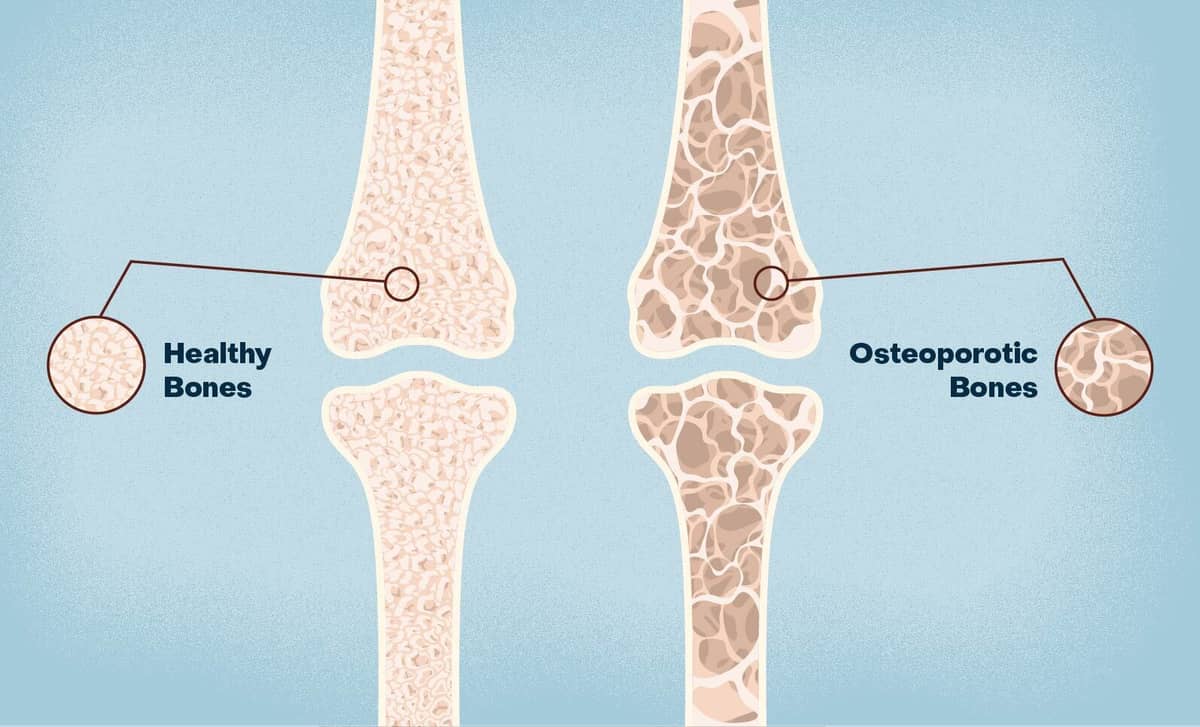
Increasing age increases the risk for developing osteoporosis, but osteoporosis is not a consequence of aging.
PHOTOGRAPH COURTESY OF National Spine Health Foundation
Osteoporosis: The global burden
Every three seconds, someone worldwide suffers a fracture due to osteoporosis. After age 50, one in three women and one in five men will experience one. These fractures can lead to disability, loss of independence, and sadly, death.
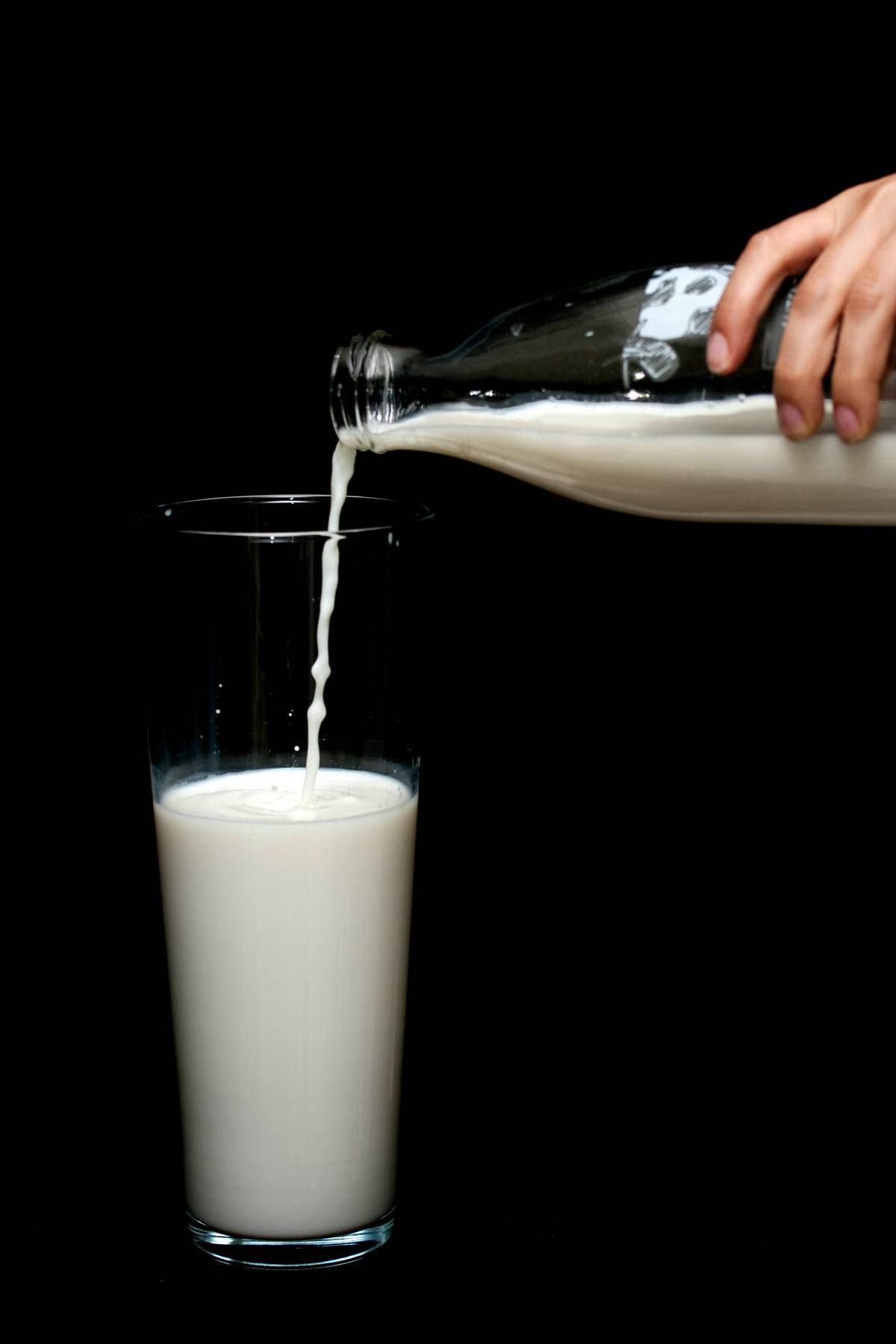
Photograph courtesy of ENGIN AKYURT/unsplash MILK is a rich source of calcium.
This October, we are reminded of the importance of being more aware of this condition. In the Philippines, the second week of October is designated as National Osteoporosis Awareness Week. Globally, 20 October is World Osteoporosis Day. Both observances highlight that bone health is worth protecting across every stage of life.
Understanding and diagnosing osteoporosis
Osteoporosis literally means “porous bone.” In healthy bones, a dense honeycomb structure provides strength. With osteoporosis, that structure thins out, making bones fragile.
Increasing age increases the risk for developing osteoporosis, but osteoporosis is not a consequence of aging. Not all elderly persons will develop osteoporosis.
Other risk factors include:
Menopause
Family history of osteoporosis and fracture
Low body weight
Smoking and excessive alcohol use
Diet low in calcium and vitamin D
Sedentary lifestyle
Diagnosis is crucial because osteoporosis is often silent until a fracture. The gold standard is the dual-energy X-ray Absorptiometry (DXA) scan, which measures bone mineral density (BMD). A T-score of –2.5 or lower indicates osteoporosis. Tools like the Fracture Risk Assessment Tool (FRAX) score help estimate fracture risk, and blood tests may be ordered to check vitamin D, calcium, thyroid or parathyroid function.
Prevention:
Never too early or late
The foundation for strong bones is built in childhood and young adulthood, but protection is important at every age.
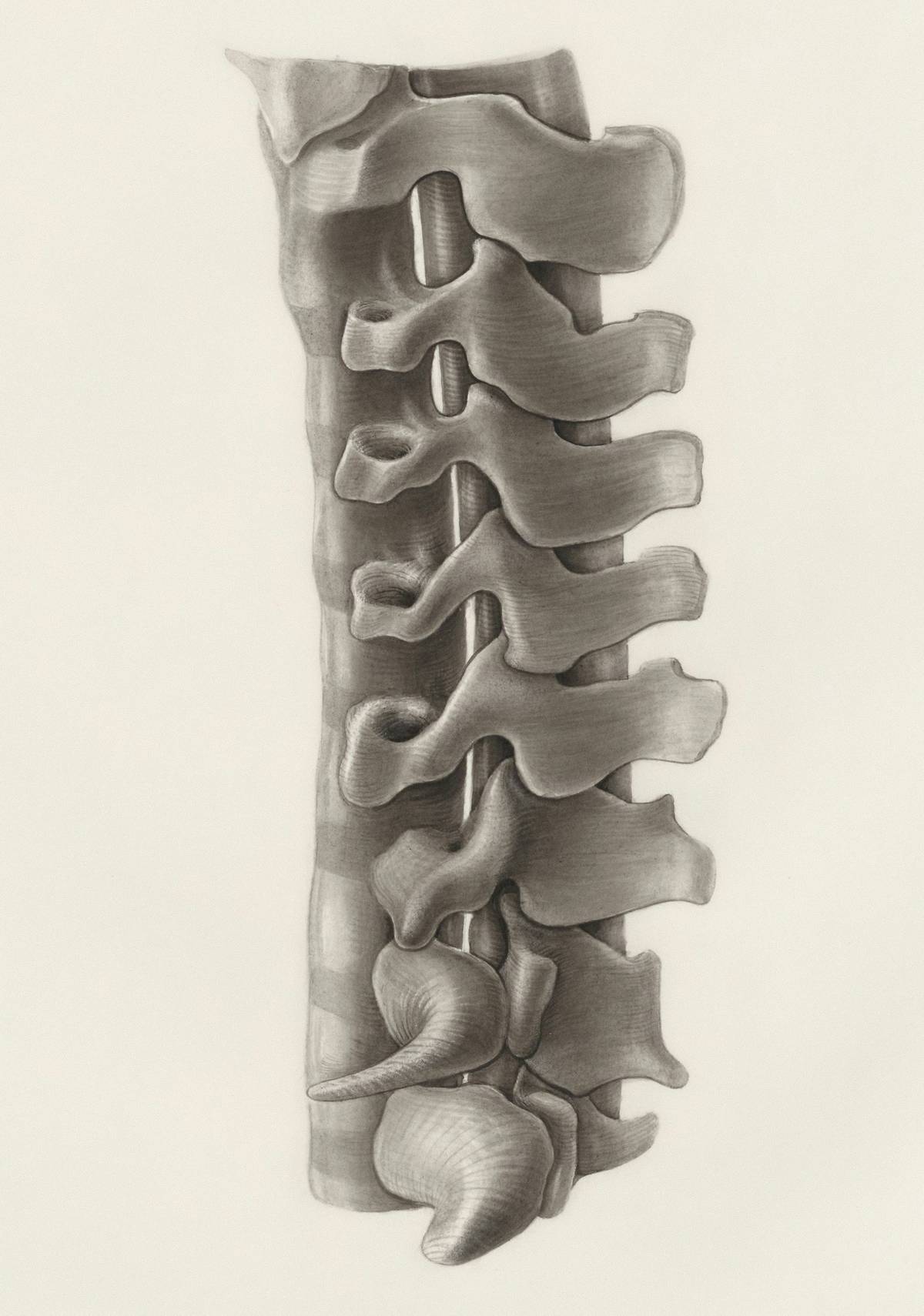
Photograph courtesy of europeana/unsplash SPINAL cord
Five steps for healthy bones:
Calcium — Adults need around 1,000 mg daily, obtained from food and/or supplements; women over 50 and men over 70 need 1,200 mg.
Vitamin D — Essential for calcium absorption; get it from sunlight, fortified foods or supplements.
Stay active — Weight-bearing exercise like walking or dancing builds bone and balance.
Avoid smoking and excessive alcohol — Both accelerate bone loss.
Fall-proof your home — Clear clutter, use non-slip mats, add grab bars and ensure good lighting.
Treatment: Protecting what we have.
If diagnosed with osteoporosis, treatments include:
Lifestyle measures like exercise and balanced nutrition
Fall prevention strategies, especially for seniors
Medications such as bisphosphonates, denosumab or newer bone-building drugs
Hormone therapy in select cases
Raising awareness
This year, the Osteoporosis Society of the Philippines Foundation, Inc. (OSPFI) will hold its 27th Annual Convention on 20 October at the Marco Polo Hotel in Ortigas, continuing its mission to raise awareness and improve care for Filipinos at risk.
Call to action
Osteoporosis may be silent, but its consequences speak loudly in broken bones, hospitalizations and lives cut short.
As I think of Lolo Johnny strumming his ukulele with a smile, I’m reminded that the music of life can fade too soon if we neglect what holds us up: our bones.
Awareness, early diagnosis, prevention and treatment can help us remain standing strong — to keep playing, laughing and loving for many years to come.